Nearly 1 in 3 American adults battles high cholesterol. This fact highlights the need to watch what we eat for a healthy heart. Luckily, tasty meals and managing cholesterol can go hand in hand. There are many simple recipes out there. They focus on both taste and health. They use fresh veggies, lean meats, and tasty herbs and spices. This way, everyone can enjoy cooking that’s good for the heart.
Looking for a quick dinner or a nice brunch? You have lots of choices. Our featured recipes use healthy ingredients and cooking ways. These lower bad fats and salt. So, you can easily make food that’s good for your heart and delicious. To find more great recipes, see this list of low-cholesterol dinner recipes. It shows how cooking and eating well can be fun and good for your cholesterol levels.
Key Takeaways
- Maintaining a low-cholesterol diet is crucial for heart health, especially for those with elevated cholesterol levels.
- There are many easy recipes for high cholesterol diets that do not compromise on taste or satisfaction.
- Utilizing lean proteins and plenty of vegetables can help achieve a nutritious balance in meals.
- Cholesterol-conscious cooking can be convenient, with recipes designed for quick weeknight dinners.
- Understanding ingredients and cooking methods can enhance the overall health benefits of meals while keeping them flavorful.
The Importance of a Low-Cholesterol Diet
A low-cholesterol diet is key for keeping your heart healthy. High cholesterol can cause heart attacks and strokes. Losing just a little weight, around 3%, can lower your cholesterol a lot. The CDC says cholesterol over 200 mg/dL is too high.
To eat healthily, focus on certain foods and eat less of others. You shouldn’t eat fewer than 1,200 calories a day. That’s too little. Aiming for about 1,500 calories a day is good for losing weight and helping your heart.
Choose meals that are good for your cholesterol. Eat plenty of whole grains, fruits, vegetables, nuts, and seeds. Foods like salmon, olive oil, avocados, and some fruits and veggies are great for lowering cholesterol. Eating beans and lentils, which have soluble fiber, also helps.
It’s important to eat less saturated and trans fats. The FDA has even banned trans fats because they’re bad for your cholesterol. Try heart-healthy snacks like fruits, plain yogurt, or veggie sticks with hummus. These choices are nutritious and help you snack smarter.
Watch out for hidden trans fats by reading food labels closely. Make easy swaps like using olive oil instead of butter. Checking your cholesterol with blood tests after making these changes is a good idea. It shows if your diet is working.
Understanding Cholesterol and Its Effects on Health
Cholesterol is key to our body’s workings, but it comes in different types. Some cholesterol comes from foods, especially animal products. This can impact our blood cholesterol levels. High “bad” cholesterol, or LDL, can clog arteries and up heart disease risk. Meanwhile, “good” cholesterol, HDL, carries LDL away, lowering that risk.
Many things raise cholesterol levels. Smoking, high blood pressure, and diabetes all affect cholesterol effects. Eating right is key to keeping cholesterol in check. Experts say you should eat less than 200 mg of cholesterol a day. Keeping saturated fat under 7% of your calories is also important. Eating foods like oats and beans, which have soluble fiber, can block cholesterol from being absorbed. Try to get 10 to 25 grams of this fiber every day for better health.
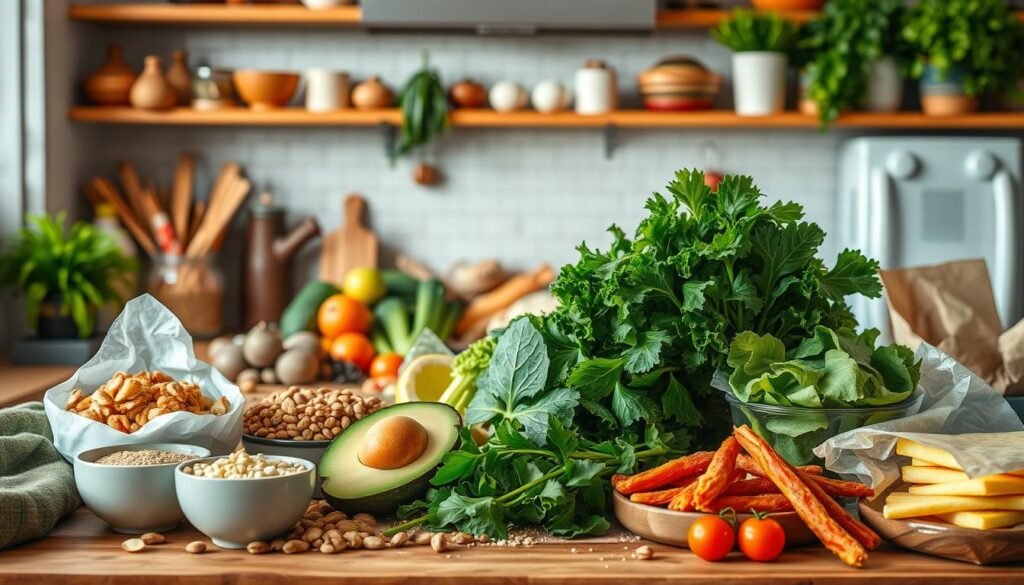
Fish such as salmon and mackerel are great for your heart. They have omega-3 fats, which are good for you. Try to eat up to 8 ounces of fish a week. Also, keep your sodium under 2,300 milligrams a day to help your heart.
Men should only have two alcoholic drinks a day, and women one. Following these diet tips helps keep your heart strong and cuts down on cardiovascular risk. For more tips on controlling cholesterol with your diet, check out great advice from Cleveland Clinic. They stress cooking healthier and choosing your food wisely.
| Cholesterol Type | Function | Health Impact |
|---|---|---|
| LDL (Bad Cholesterol) | Deposits in arteries | Increases cardiovascular risk |
| HDL (Good Cholesterol) | Removes LDL from the bloodstream | Reduces risk of heart disease |
Easy Recipes for High Cholesterol Diets
Eating healthy is simple. There are lots of easy recipes that help manage cholesterol levels. They use wholesome ingredients full of fiber and healthy fats. You’ll keep your heart healthy without giving up tasty food.
Nutritious Recipes for Managing Cholesterol
The Chickpea & Chipotle Tostadas are a great choice. They have only 5mg of cholesterol and 12g of fiber per serving. These tostadas blend flavors well, helping you manage your cholesterol. The African Peanut Stew is another excellent choice. It’s cholesterol-free and full of nutritious ingredients. With 11g of fiber, it’s good for your heart.
Quick and Easy Heart-Healthy Recipes
For those in a hurry, the Asian Noodle Stir-Fry is perfect. It’s low in cholesterol and quick to make, ready in about 30 minutes. It suits busy evenings well. Another fast and tasty option is the Italian Sausage Veggie Skillet. It’s got 251 calories and 6g of fat per serving. It’s both flavorful and satisfying.
| Recipe | Calories | Fat (g) | Cholesterol (mg) | Fiber (g) |
|---|---|---|---|---|
| Chickpea & Chipotle Tostadas | 347 | 9 | 5 | 12 |
| African Peanut Stew | 349 | 9 | 0 | 11 |
| Italian Sausage Veggie Skillet | 251 | 6 | 28 | 6 |
| Asian Noodle Stir-Fry | N/A | N/A | N/A | N/A |
Using these easy recipes can really help manage cholesterol levels. They offer a variety of meals. You get delicious, nutritious recipes that are easy and fun for everyone.
Key Ingredients for Heart-Healthy Dishes
To improve heart health, adding the right ingredients to your meals is key. This is especially important for those looking to lower cholesterol. Include lean proteins, healthy fats, and fiber-rich fruits and veggies in your meals for the best outcomes.
Lean Proteins and Healthy Fats
Lean proteins, like chicken breast and fish rich in omega-3s, help boost good cholesterol. Cooking with healthy fats such as olive oil and avocados benefits your heart. Don’t forget about nuts; they offer both protein and heart-friendly fats. For meal ideas, check out these heart-healthy recipes.
Fruits and Vegetables Rich in Fiber
Beans, leafy greens, and berries are full of fiber and key for a heart-healthy diet. They work to lower bad cholesterol, improve digestion, and boost overall health. Adding a mix of colorful fruits and veggies makes meals attractive and nutrient-rich. These foods make your diet better and support your heart.
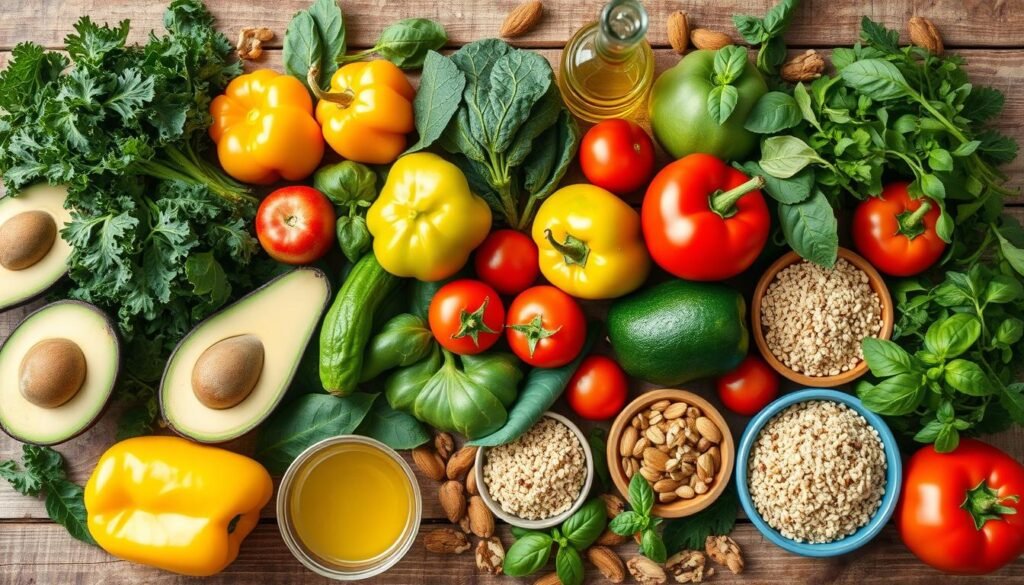
Delicious Low-Cholesterol Meals for Every Meal
Eating well can be both fun and good for your heart. You can enjoy tasty meals all day that are good for your heart. Here are great breakfast ideas, and lunch and dinner options for a low-cholesterol diet.
Breakfast Options
Start your day on a positive note with good breakfast choices. Here are some:
- Fiber-rich smoothies with spinach, banana, and almond milk.
- Oatmeal topped with berries for a sweet and healthy beginning.
- Yogurt parfaits with low-fat yogurt, granola, and peaches.
Lunch and Dinner Ideas
Lunch and dinner that are tasty can help manage your cholesterol. Here’s what you can try:
- Grilled chicken salad with greens and a light dressing.
- Hearty bean-based soups full of lentils, veggies, and spices.
- Vegetable stir-fries with colorful veggies and tofu for protein.
- Vegetarian curry with chickpeas and spices, for a cozy meal.
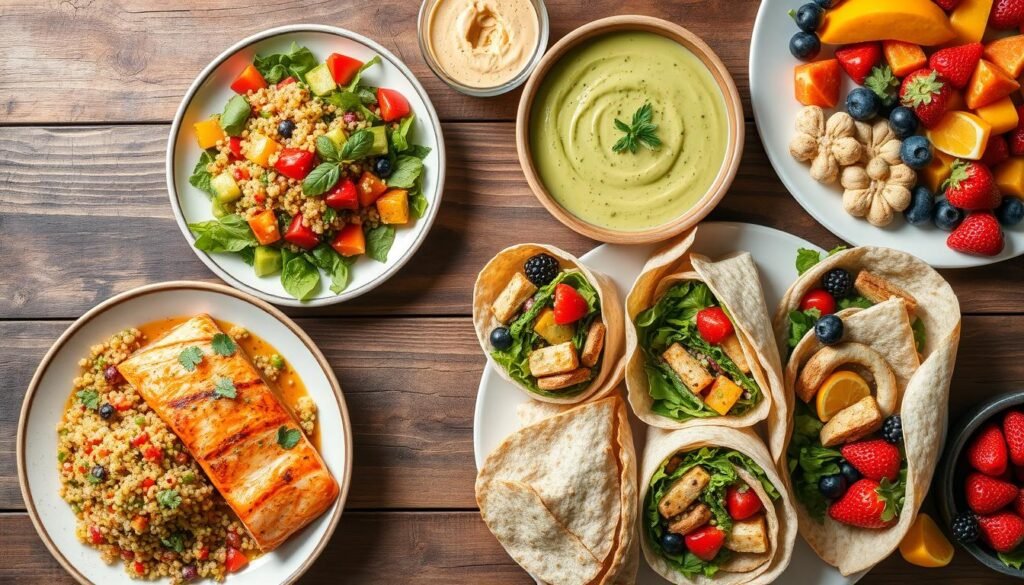
These low-cholesterol meals are not only healthy but also a treat for your taste buds. They emphasize whole grains, legumes, fruits, and lean proteins. These foods nourish your body and help keep your heart healthy.
| Meal | Calories | Fat (g) | Cholesterol (mg) | Fiber (g) | Protein (g) |
|---|---|---|---|---|---|
| Grilled Chicken Salad | Approx. 250 | 10 | 70 | 8 | 26 |
| Fiber-rich Smoothie | Approx. 150 | 3 | 0 | 5 | 2 |
| Hearty Bean-based Soup | Approx. 200 | 5 | 0 | 7 | 10 |
| Vegetable Stir-Fry | Approx. 300 | 8 | 10 | 6 | 12 |
Simple Recipes for Reducing Cholesterol
Making tasty and heart-healthy meals is simpler than you think. Recipes that reduce cholesterol use fresh and wholesome ingredients. These enhance the flavor of low-cholesterol meals without losing taste. Adding herbs, spices, and foods rich in nutrients lets anyone make great dishes that help the heart.
Flavorful Ingredients to Enhance Low-Cholesterol Meals
Adding strong flavors can make normal meals exciting. Here are ingredients that boost taste and heart health:
- Garlic: It lowers cholesterol and brings a strong flavor to many dishes.
- Turmeric: This spice fights inflammation and makes meals look appealing.
- Fresh Herbs: Basil, cilantro, and parsley add flavor without unhealthy fat.
- Whole Grains: Quinoa, brown rice, and oats are packed with nutrients.
- Vegetables: They add color and are packed with fiber, vitamins, and minerals.
To enjoy filling meals while managing cholesterol, check the nutritional facts of some dishes:
| Dish | Calories | Fat (g) | Saturated Fat (g) | Cholesterol (mg) | Sodium (mg) | Carbohydrates (g) | Protein (g) |
|---|---|---|---|---|---|---|---|
| Meatball | 63 | 4 | 1 | 24 | 193 | 2 | 4 |
| Italian Sausage Veggie Skillet | 251 | 6 | 1 | 28 | 417 | 35 | 16 |
| Chickpea & Chipotle Tostadas | 347 | 9 | 1 | 5 | 752 | 59 | 12 |
| Chicken and Asparagus Crepes | 264 | 14 | 7 | 107 | 275 | 15 | 19 |
| Vegetarian Tacos | 413 | 9 | 1 | 9 | 774 | 66 | 17 |
Using these ingredients in recipes boosts low-cholesterol meals. It also encourages cooks to try healthier options. Creativity in cooking means enjoying great meals while taking care of your heart.
Cooking Techniques for Cholesterol-Conscious Cooking
Adopting cholesterol-conscious cooking methods is key for heart health. Healthier cooking practices allow for flavor-packed meals without increasing heart disease risk. Instead of traditional frying, which adds unhealthy fats, other techniques can offer tasty, heart-friendly dishes.
Healthier Alternatives to Fried Foods
For those avoiding fried foods, options like grilling, baking, steaming, and sautéing are great. These methods require less fat, keeping meals delicious and light. Below are top techniques to try:
- Grilling: This way, meats and veggies keep their natural flavors, avoiding extra oil.
- Baking: Perfect for dishes like casseroles or roasted vegetables, it cuts down on fats.
- Steaming: An excellent choice for veggies. It preserves nutrients and keeps calories low.
- Sautéing: Just a bit of healthy oil in non-stick pans gives flavorful outcomes with fewer fats.
Consider trying air frying too. Air fryers make foods crispy with much less oil than traditional frying. These frying alternatives boost texture and taste, helping maintain a healthy diet.
For more tips on managing cholesterol with food, check out this resource. Using varied cooking methods can lead to meals that support heart health with lots of flavors.
Conclusion
Managing cholesterol doesn’t mean you can’t enjoy tasty meals. You can eat well with recipes that have lean meats, whole grains, and lots of fruits and veggies. Add healthy fats like olive oil and fiber from oats and legumes to help your heart.
The simple, hearty recipes we shared show how easy it is to eat nutritious food without losing flavor. Dishes like Blueberry overnight oats and Honey Soy Salmon prove you can have delicious meals that are good for your heart.
Small changes in your diet can make a big difference in your health. Eating foods that are good for you is key to lowering cholesterol. Choosing meals that are both healthy and delicious is the best way to care for your heart long-term.