Did you know that around 95 million adults in the U.S. have high cholesterol? Many don’t know the dangers this poses to their heart health. High cholesterol, particularly with LDL levels over 190 mg/dL, can really up the risk for heart issues. While better eating habits and staying active are key, sometimes medication is a must. Knowing when you need medicine is important for anyone at high risk.
Evaluating risk factors like age, family history, and conditions such as diabetes is critical. Diabetes, for instance, can make heart disease 2 to 4 times more likely. This means some people might need meds to keep their cholesterol in check. This piece will help you understand when drugs are needed and what types are out there for managing cholesterol effectively.
Key Takeaways
- High cholesterol increases the risk of cardiovascular diseases.
- Medication is often recommended if LDL levels are above 190 mg/dL.
- Diabetes can increase cardiovascular disease risk by 2 to 4 times.
- Individuals aged 40 to 75 with high LDL levels might require medication.
- Cholesterol medication may be lifelong for many high-risk individuals.
Understanding Cholesterol and Its Types
Cholesterol is a waxy substance that’s vital for our bodies. It helps build cells and make hormones. We have two main types of cholesterol: high-density lipoprotein (HDL) cholesterol and low-density lipoprotein (LDL) cholesterol. HDL is the “good” cholesterol as it moves cholesterol away from the arteries. This reduces the risk of heart diseases. Meanwhile, LDL is the “bad” cholesterol because it can stick to artery walls. This can cause blockages and serious heart problems.
A lipid panel is a test for checking cholesterol levels. It shares details on both HDL and LDL cholesterol. The test also checks triglycerides, another blood fat type. High triglycerides can lead to heart conditions too. Knowing these levels is key to understanding heart health.
| Cholesterol Type | Description | Impact on Health |
|---|---|---|
| HDL Cholesterol | High-density lipoprotein, considered ‘good’ cholesterol. | Reduces risk of heart disease by carrying cholesterol away from arteries. |
| LDL Cholesterol | Low-density lipoprotein, known as ‘bad’ cholesterol. | Can lead to plaque buildup in arteries, increasing heart disease risk. |
| Triglycerides | Type of fat found in the blood. | High levels are linked with an increased risk of heart issues. |
The Role of Lifestyle Modifications in Cholesterol Management
To manage cholesterol well, changing your lifestyle is key. Adding healthy foods and regular exercise to your life can really help. These changes are good for your heart and can work with any medicines you’re taking for cholesterol.
Dietary Changes for Lowering Cholesterol
Eating better is crucial for your health. The American Heart Association says you should get less than 6% of calories from saturated fat daily. Choose whole foods over processed ones and foods high in sugar. Here are some good eating habits:
- Eat more whole grains, fruits, and veggies for fiber.
- Use healthy fats from foods like avocados and nuts, and eat less saturated fat.
- Have fish like salmon and mackerel, which are high in omega-3s, twice a week.
These changes can lower “bad” LDL cholesterol and boost your health. Sometimes, they can improve cholesterol levels so much that you don’t need medicine right away. The Mayo Clinic has more on this.
Exercise Routines and Their Impact on Cholesterol
Being active is a big part of controlling cholesterol. You should aim for 150 minutes of exercise like brisk walking each week. This can cut cholesterol and blood pressure. You might enjoy:
- Walking or jogging to help your heart.
- Biking for fun and fitness.
- Swimming or going to the gym for overall health.
Regular activity can help you lose 5% to 10% of your weight. This helps lower cholesterol and the risk of heart disease. Exercise also boosts “good” HDL cholesterol for a better health. Plus, it’s great for your whole body, says Easy Heart Boost.
When Is Medication Necessary for High Cholesterol
Medicine for high cholesterol is crucial when LDL cholesterol levels are high or other heart disease risks exist. Lipid-lowering drugs are often recommended by doctors for patients with LDL cholesterol over 190 mg/dL. Those with diabetes or a history of heart issues might need medication too.
When lifestyle changes don’t lower cholesterol, doctors may suggest medication to prevent severe health issues, like heart attacks or strokes. There are many cholesterol treatments, each with a special way of working.
- Statins: Help by slowing down cholesterol making in the liver and helping to get it out of the blood.
- Bile Acid Sequestrants: They grab bile acids made from LDL cholesterol, which lowers it.
- Fibrates: Lower triglycerides and help remove LDL, which also boosts good cholesterol.
- PCSK9 Inhibitors: These injections increase LDL receptor action, which lowers LDL cholesterol in the blood.
Doctors prescribe medicine based on certain levels, like total cholesterol over 200 mg/dL or LDL above 190 mg/dL. It might also depend on age and other health issues. Keeping cholesterol in check is key for heart health, so understanding risk factors is a big part of deciding treatment.
| Type of Medication | Mechanism | Primary Use |
|---|---|---|
| Statins | Slows production in liver | High LDL cholesterol |
| Bile Acid Sequestrants | Removes bile acids | High LDL cholesterol |
| Niacin | Controls lipoprotein levels | Lowers total, LDL, & triglycerides |
| Fibrates | Reduces triglyceride production | High triglycerides |
| PCSK9 Inhibitors | Increases LDL receptor activity | Very high LDL cholesterol |
Knowing when you need medication for high cholesterol shows why personalized treatment is important. Working with a healthcare pro helps make an informed decision about needing lipid-lowering drugs.
Risk Factors Influencing the Need for Medication
Knowing the right factors is key in deciding the need for cholesterol drugs. A full review of heart disease risk can pinpoint personal health issues that might need medicine. Age, gender, cholesterol levels, and family health history all matter.
Assessing Cardiovascular Disease Risk
Doctors look at many things when checking heart disease risk. Older people often have higher cholesterol. Men usually have less HDL cholesterol at every age. High blood pressure, diabetes, and whether you smoke play a big role, too. These checks help doctors decide on the best way to prevent heart disease, including if medicines are needed.
The Impact of Family History on Cholesterol Levels
Family history can greatly change cholesterol numbers. Conditions passed down in families, like FH, make cholesterol high. Around 1 million adults in the U.S. might have FH. If your family has a history of heart disease, you could need medicine even if you live healthily. Knowing these risks helps manage cholesterol well.
Types of Medications for High Cholesterol
Medications play a big role in managing high cholesterol. Knowing the different cholesterol medications helps people make informed decisions with their doctors. There are mainly statins and non-statin drugs, each working differently to manage cholesterol.
Understanding Statin Therapy
Statins are the top choice for treating high cholesterol. They cut down cholesterol in the liver and lower the risk of heart events. Doctors often recommend them to adults with heart disease, high LDL-C levels, and those 40-75 with certain risks.
Many people over 40 rely on statins. They are a key part of keeping cholesterol in check.
Non-Statin Alternatives: What Are They?
If statins don’t work for someone, there are other options. These include:
- Ezetimibe: Stops the intestine from absorbing cholesterol.
- Fibrates: These are good for lowering triglycerides and also help lower LDL a bit.
- Niacin: Lowers triglycerides and LDL cholesterol, but high doses have risks.
- PCSK9 inhibitors: Strong drugs that lower LDL by working with liver proteins, for high-risk patients.
- Bempedoic acid (Nexletol): It blocks cholesterol making in the liver. It works alone or with ezetimibe.
- Omega-3 fatty acids: Can lower triglycerides but need careful use because of possible side effects.
Bile acid sequestrants also help by reducing bile acid absorption. They help manage very high LDL cholesterol levels.
| Medication Type | Mechanism of Action | Primary Use |
|---|---|---|
| Statins | Reduce cholesterol production in the liver | Lowering LDL cholesterol |
| Ezetimibe | Inhibits cholesterol absorption | Lowering LDL cholesterol |
| Fibrates | Lower triglycerides | Managing high triglycerides |
| Niacin | Reduces cholesterol production, raises HDL | Lowers LDL and triglycerides |
| PCSK9 Inhibitors | Bind to liver proteins | Lowering LDL cholesterol significantly |
| Bempedoic Acid | Blocks cholesterol production in the liver | Lowering LDL cholesterol |
Choosing the right medication is key for heart health. Talking with healthcare providers helps find the best plan for each person.
Statins: Mechanisms and Effectiveness
Statins are key in managing cholesterol, known for their effectiveness in lowering it. They work by blocking HMG-CoA reductase, an important liver enzyme. By doing this, they cut down levels of bad cholesterol (LDL-C), greatly reducing heart disease risk.
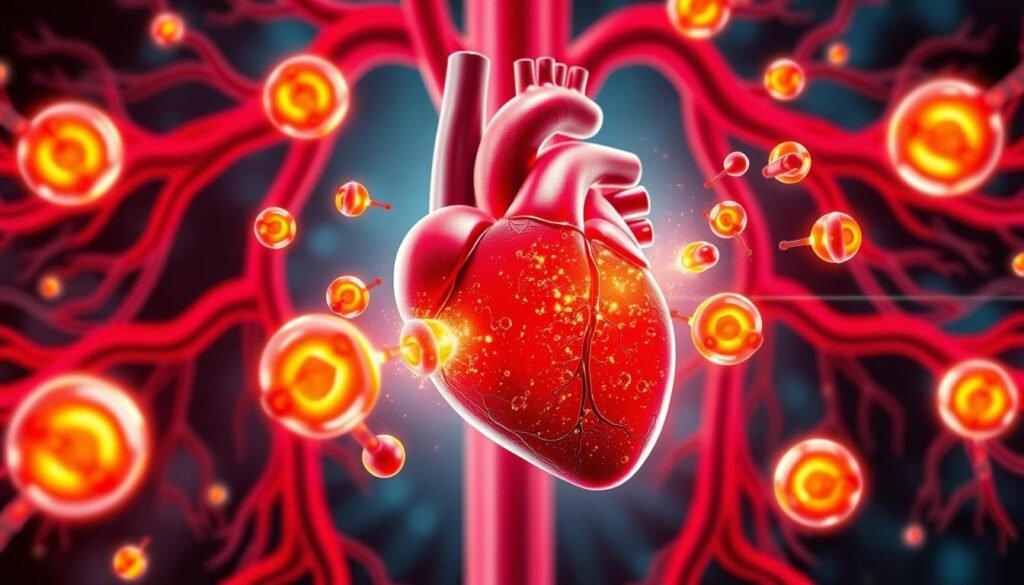
Statins like atorvastatin, rosuvastatin, and simvastatin are FDA-approved. They are vital in preventing coronary artery disease. They can lower LDL-C by up to 60%, showing their strength in controlling cholesterol. Furthermore, statins help protect against heart diseases by stabilizing plaque and improving endothelial function.
Extensive research backs statins’ ability to lower cholesterol. A 2014 study by Johns Hopkins showed long-term statin risks are low versus their cardiovascular benefits. With broad acceptance as preventive medications, statins now benefit patients beyond those with high cholesterol, including those with various cardiovascular risk factors.
To show how statins vary in intensity and their effects, see the table below:
| Statin | Dosage (mg) | Intensity Level |
|---|---|---|
| Rosuvastatin | 20, 40 | High |
| Atorvastatin | 40, 80 | High |
| Simvastatin | 20, 40 | Moderate |
| Pravastatin | 40, 80 | Moderate |
| Lovastatin | 40, 80 | Moderate |
| Fluvastatin | 40, XL 80 | Moderate |
| Pitavastatin | 1 to 4 | Moderate |
Statins manage cholesterol and have potential beyond that. When thinking about statin therapy, it’s important to know some might have mild side effects. However, the benefits of statin treatment usually outweigh the risks. They’re a proactive choice in cutting cardiovascular risk, making them crucial in healthcare today.
When prescribing statins, healthcare professionals now look at various factors. These include blood pressure, glucose, and lifestyle choices, tailoring their approach to each patient’s heart health. For more on statins, check out this detailed resource on statin therapy.
PCSK9 Inhibitors and Their Role in Cholesterol Treatment
PCSK9 inhibitors are a new way to fight high cholesterol. They work by helping the liver remove LDL, the “bad” cholesterol, from your blood. This is great for people with familial hypercholesterolemia or those who can’t lower their LDL enough with statins.
How PCSK9 Inhibitors Work
These drugs stop the PCSK9 protein. This allows the liver to get rid of more LDL cholesterol. Studies show they can cut LDL cholesterol by up to 70%. This is important because a 50% drop in LDL can reduce heart attack risk by almost one-third.
PCSK9 inhibitors are shots given every two to four weeks. The exact timing depends on which drug you are prescribed.
Who Should Consider PCSK9 Inhibitors?
PCSK9 inhibitors are best for those with serious cholesterol problems. This includes people with heart disease, high-risk patients, or those with familial hypercholesterolemia. The FDA has given the green light to alirocumab and evolocumab for these groups.
Some might feel tired, have muscle pain, or swelling at the injection site. There are also small chances of kidney or liver issues. If PCSK9 inhibitors lower your cholesterol effectively, your doctor might suggest staying on them. They play a big part in managing high cholesterol. For more info, check out this link.
Understanding siRNA and Its Applications
Small interfering RNA (siRNA) is a big step forward in molecular medicine. It offers hope for treating many health issues, especially in controlling cholesterol. By targeting and breaking down messenger RNA (mRNA), siRNA cuts down harmful proteins.
Cholesterol drugs using siRNA technology have made headlines for their success. Inclisiran is the first such drug approved by the FDA. It blocks a protein important for cholesterol regulation, helping those who can’t manage their cholesterol traditionally.
Inclisiran’s treatment, which is given just twice a year, is a breakthrough. Improved delivery methods mean targeted and less invasive treatment for cholesterol. This represents a big leap from daily cholesterol-lowering pills.

SiRNA therapies like patisiran and givosiran are being tested for more than just cholesterol. They show siRNA’s power to tackle genetic and metabolic conditions. With ongoing research, we look forward to even broader uses.
Making siRNA work better involves tweaking its structure for more impact. As science advances, siRNA promises targeted treatment for many diseases. It’s set to be a key part of modern medicine’s future.
Assessing Medication Side Effects and Safety
Understanding medication side effects is key when looking at cholesterol treatments. Many cholesterol-lowering drugs are safe for most people. Yet, it’s crucial to watch for any risks. Regular checks and talking with your doctor help prevent problems and ensure safety.
Common Side Effects of Cholesterol Medications
Statins, used to lower cholesterol, sometimes cause side effects. Muscle pain happens in 1-10% of those taking them. A very rare but serious issue is rhabdomyolysis, affecting less than 0.1% of users. Up to 1% might see liver enzyme increases. Some may have stomach problems or drug interactions. Statins could slightly raise the risk of type 2 diabetes, but pitavastatin doesn’t.
Evaluating Long-term Safety Concerns
Statins need ongoing checks for liver health and potential issues over time. Problems like confusion, memory loss, and muscle issues can occur but usually go away if the medication is stopped. Despite these concerns, statins effectively lower bad cholesterol and cut heart attack and stroke risks.
Talking with your doctor about cholesterol treatment is important. Making informed choices about drugs and lifestyle changes can lower risks and improve health. To learn more about cholesterol and testing, click here.
Conclusion
Managing high cholesterol is key to good health and involves both lifestyle changes and medication. Around 1 in 7 Americans have high cholesterol, leading to many deaths each year. It’s crucial for people to check their cholesterol regularly with their doctors. This helps in lowering the risk of heart diseases and improving heart health.
Different medications work for different people when lowering cholesterol. Choices include enhancing diet, exercising more, and reducing stress. Beginning medication usually means taking it for life. This helps keep cholesterol low and prevents heart disease.
It’s important to stick with the treatment and life changes recommended. Sadly, many stop their medication too soon, which puts their health at risk. Doctors should closely work with their patients to ensure they follow through with the treatment. Open discussions about cholesterol can help people take control of their heart health.