Nearly 94 million adults in the United States are fighting high cholesterol. This increases their heart disease and stroke risks. Understanding dangerously high cholesterol levels is urgent. It’s key for keeping your heart healthy. Since high cholesterol often shows no signs, checking it regularly is crucial. This piece sheds light on cholesterol’s roles, its types, and why keeping it healthy matters for your future health.
Key Takeaways
- High cholesterol is defined as a total cholesterol level of 200 mg/dL or higher.
- LDL is known as the “bad” cholesterol, while HDL is the “good” cholesterol.
- Regular cholesterol checks are recommended, particularly for adults over 20.
- Nearly 94 million adults in the U.S. are estimated to have high cholesterol.
- Individuals assigned female at birth require higher HDL levels than their male counterparts.
- Cholesterol levels can increase with age and lifestyle factors like diet and exercise.
- Awareness and management can reduce the risk of heart disease associated with high cholesterol.
Understanding Cholesterol and Its Importance
Cholesterol is key to our health, influencing how our bodies work. Knowing about cholesterol, including its functions and types, is vital. Having the right balance of good and bad cholesterol is crucial for heart health.
What is Cholesterol?
Cholesterol is a waxy substance in all our cells. Our bodies make it, but it also comes from food like meat and dairy. It’s important to know that cholesterol is found both in cells and in our blood, moved around by lipoproteins.
Function of Cholesterol in the Body
Cholesterol has many roles. It helps make hormones, vitamin D, and bile for digesting food. Keeping cholesterol at the right level is important for these processes to work well. Checking your cholesterol regularly is advised to avoid health risks. For more details on this, look at this resource on cholesterol management.
Types of Cholesterol: LDL vs. HDL
There are two main kinds of cholesterol: LDL and HDL. High levels of LDL, the “bad” cholesterol, can clog arteries and raise heart disease risk. HDL, the “good” cholesterol, cleans out excess from the blood. Balancing these two is key to heart health. Find out more about cholesterol levels in this article on cholesterol tests.
| Type of Cholesterol | Description | Impact on Health |
|---|---|---|
| LDL Cholesterol | Low-Density Lipoprotein, often referred to as “bad” cholesterol. | High levels can lead to artery plaque, increasing heart disease risk. |
| HDL Cholesterol | High-Density Lipoprotein, known as “good” cholesterol. | Helps remove cholesterol from the bloodstream, reducing heart disease risk. |
Learning about cholesterol types helps us manage our heart health better. It lowers the risk of conditions linked to high cholesterol.
What Is Considered Dangerously High Cholesterol
It’s essential to understand what high cholesterol means for heart health. Knowing cholesterol limits helps us see if levels are safe or risky. This knowledge can drive us to take better care of our health.
Defining High Cholesterol Levels
High cholesterol has clear definitions. A total cholesterol over 200 mg/dL is borderline high. Above 240 mg/dL is considered high. Sadly, almost half of U.S. adults have high cholesterol, often because of obesity.
Thresholds for Total Cholesterol, LDL, and HDL
It’s crucial to know cholesterol thresholds to judge heart health. Here’s a breakdown:
| Cholesterol Type | Threshold | Status |
|---|---|---|
| Total Cholesterol | Less than 200 mg/dL | Desirable |
| Total Cholesterol | 200 to 239 mg/dL | Borderline High |
| Total Cholesterol | 240 mg/dL and above | High |
| LDL Cholesterol | Less than 100 mg/dL | Optimal |
| LDL Cholesterol | 100 to 129 mg/dL | Near Optimal |
| LDL Cholesterol | 130 to 159 mg/dL | Borderline High |
| LDL Cholesterol | 160 to 189 mg/dL | High |
| LDL Cholesterol | 190 mg/dL and above | Very High |
| HDL Cholesterol | Below 40 mg/dL | Poor |
| HDL Cholesterol | 40 to 59 mg/dL | Acceptable |
| HDL Cholesterol | 60 mg/dL and above | Optimal |
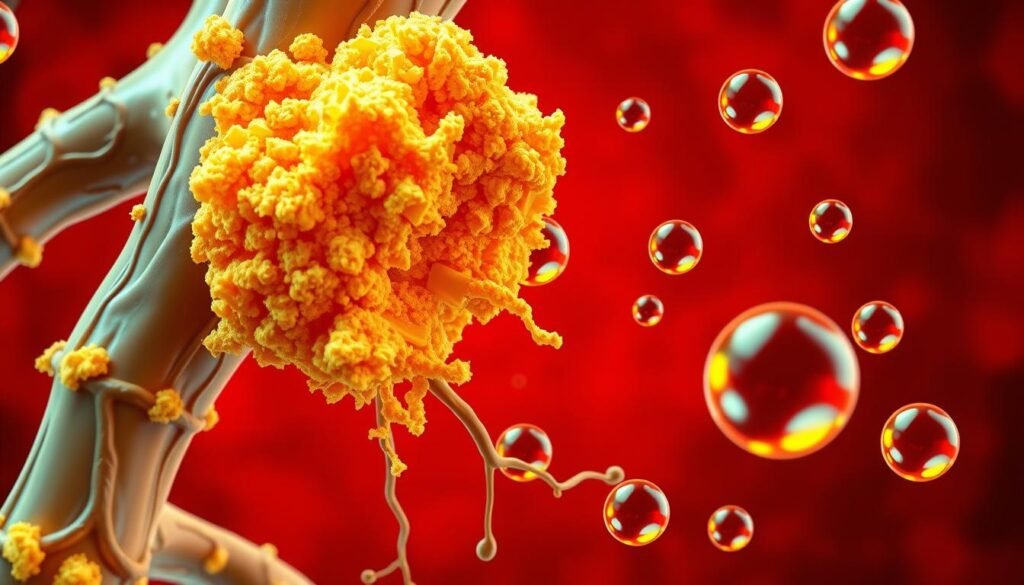
Checking your cholesterol regularly is key to avoiding the risks of high cholesterol. Knowing your levels is the first step in stopping heart disease and stroke. It can lead to smarter life choices and better talks with doctors.
How Cholesterol Levels Are Measured
Checking cholesterol levels is key to understanding heart health. A common test is the lipid profile blood test. It checks various fats in the blood to guide healthy living choices.
The Lipid Profile Explained
The lipid profile looks into important cholesterol areas like:
- Total Cholesterol
- LDL (Low-Density Lipoprotein) Cholesterol
- HDL (High-Density Lipoprotein) Cholesterol
- Triglycerides
People usually fast for 12 hours before this test to ensure accurate results. In the U.S., we measure cholesterol in mg/dL for easy understanding of one’s cholesterol state.
Understanding mg/dL Measurements
Cholesterol and triglycerides have various levels, judged in mg/dL:
| Cholesterol Type | Desirable Level (mg/dL) | Borderline High (mg/dL) | High (mg/dL) |
|---|---|---|---|
| Total Cholesterol | Less than 200 | 200-239 | 240 and above |
| LDL Cholesterol | Optimal: below 100 Near Optimal: 100-129 High: 130 and above |
100-129 | 130 or more |
| HDL Cholesterol | 60 and above (best) | Men: below 40 Women: below 50 |
Low: below 40 (men) or below 50 (women) |
| Triglycerides | Less than 150 | 150-199 | 200 and above |
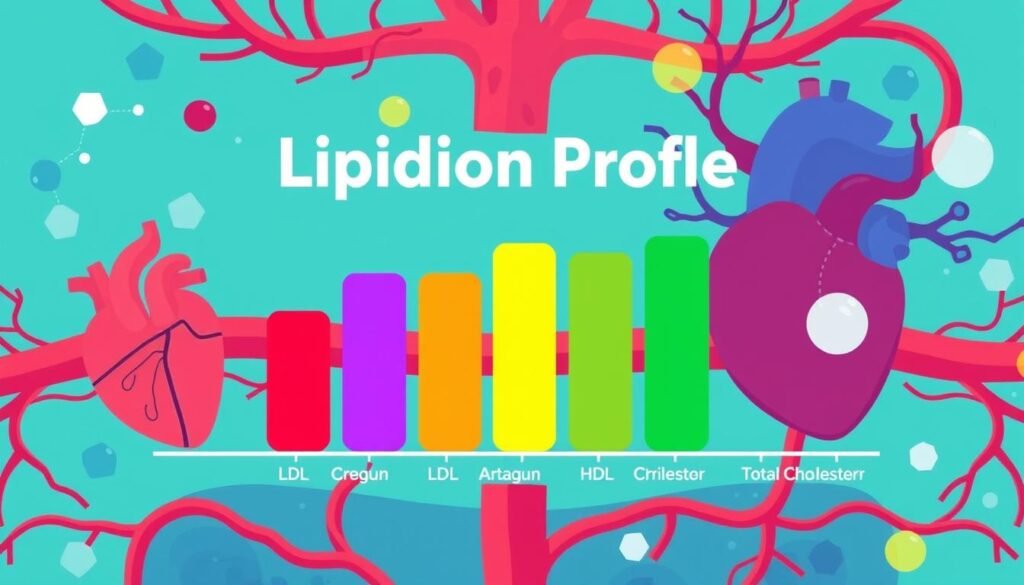
Getting to know these numbers helps people understand their cholesterol. Then, they can work on keeping their cholesterol at healthy levels.
Healthy Cholesterol Ranges Across Different Age Groups
It’s key to keep cholesterol at the right levels for health. Different age groups have varying safe ranges. Following these guidelines helps people stay in a healthy cholesterol zone.
Normal Levels for Adults
Adults, those who are 20 or more years old, should have cholesterol under 200 mg/dL. There are also specific numbers to aim for LDL and HDL cholesterol:
- LDL cholesterol: Less than 100 mg/dL, or below 70 mg/dL for heart disease patients.
- HDL cholesterol: Women should have more than 50 mg/dL. Men need more than 40 mg/dL.
- Triglycerides: Best kept below 149 mg/dL, ideal if under 100 mg/dL.
Cholesterol Levels in Children and Teens
Cholesterol targets for kids and teens are not the same as for adults. The American Heart Association suggests:
- Total cholesterol: Less than 170 mg/dL.
- LDL cholesterol: Keep it under 110 mg/dL.
- HDL cholesterol: Should be over 45 mg/dL.
Watching cholesterol in kids and teens is key for catching health issues early. Doctors recommend checking their cholesterol from ages 9–11 and then at 17–21.

High Cholesterol and Heart Disease Risk
It’s key to understand how cholesterol affects heart disease risk for good health. High cholesterol causes LDL cholesterol to build up. This buildup forms plaques that can block arteries, leading to heart attacks or strokes. It is crucial to get screened regularly for high cholesterol.
The Link Between Cholesterol and Heart Disease
Cholesterol is vital for heart health. Risk for heart disease grows when total cholesterol levels go beyond 200 mg/dL. Many people in the U.S. struggle with high cholesterol. A significant number have cholesterol over 240 mg/dL. Bad dietary choices and not enough exercise are big factors here.
Eating less cholesterol can cut down on heart disease risk. Other risk factors also play a role alongside high cholesterol.
Other Risk Factors Contributing to Heart Problems
Besides high cholesterol, other things increase heart risk. These include:
- Hypertension (high blood pressure)
- Smoking
- Obesity
- Diabetes
- Sedentary lifestyle
Making lifestyle changes can lower your heart disease risk. This includes exercising regularly and eating well. People should get cholesterol screenings often to prevent heart issues.
| Risk Factor | Impact on Heart Disease |
|---|---|
| High Cholesterol | Leads to plaque buildup in arteries |
| Hypertension | Increases strain on the heart and arteries |
| Smoking | Damages blood vessels and decreases oxygen supply |
| Obesity | Contributes to other health issues like diabetes |
| Diabetes | Increases risk of cardiovascular complications |
| Sedentary Lifestyle | Weakens cardiovascular fitness |
Managing Cholesterol Levels Effectively
It’s key to manage cholesterol for a healthy heart. Getting your cholesterol checked regularly is crucial. This helps us understand our risk for diseases linked to cholesterol.
Importance of Regular Cholesterol Screening
Screening cholesterol early helps spot issues, leading to better health. The CDC advises adults to check cholesterol every 4 to 6 years. This is important if you have high risk factors. High cholesterol can cause fatty deposits in arteries, leading to heart disease.
Low HDL, or “good” cholesterol, can increase plaque in arteries. Changes like eating less saturated fat are helpful. Doing aerobic exercises for 150 minutes a week also lowers cholesterol and blood pressure. Smoking can lower HDL, highlighting the need for healthier lifestyle choices.
Being overweight raises “bad” cholesterol (LDL) levels. Losing 5% to 10% of weight can greatly improve cholesterol. Past studies show reducing LDL cuts down heart disease risks.
Positive changes in managing cholesterol show benefits within 6 to 12 months. Eating less saturated fats from red meat and dairy helps lower LDL. Adding soluble fiber, like from oatmeal and beans, lowers cholesterol absorption.
Cholesterol Lowering Diet: What to Include
A cholesterol lowering diet is key for your heart’s health. It helps you manage cholesterol by choosing the right foods. Avoiding bad foods is just as important as eating good ones for your heart.
Foods to Avoid for Healthy Cholesterol
It’s important to watch what you eat to keep cholesterol in check. Here’s what to stay away from:
- Saturated Fats: They should be less than 7% of your daily calories.
- Trans Fats: Avoid them in fast food and baked goods as much as you can.
- Cholesterol-Rich Foods: Eat less than 200 mg per day, especially from animal products.
- Excessive Sugar: Too much sugar can raise your cholesterol, so limit it.
- High-Salt Foods: Too much salt can hurt your heart. Don’t have more than 2,300 milligrams a day.
Heart-Healthy Foods to Embrace
Adding heart-healthy foods to your diet has many benefits. Here are some good choices:
- Healthy Fats: Use extra virgin olive oil and avocados to cut heart disease risk.
- Omega-3 Fatty Acids: Eat fish like salmon or tuna twice a week for better HDL levels.
- Fruits and Vegetables: These lower LDL cholesterol with their antioxidants and fiber.
- Whole Grains: Oats and barley have soluble fiber that fights cholesterol absorption.
- Plant Stanols and Sterols: Eating 2 grams a day can drop LDL cholesterol by up to 15%.
- Whey Protein: Adding whey protein might lower LDL and total cholesterol.
| Type of Food | Impact on Cholesterol | Recommended Intake |
|---|---|---|
| Saturated Fats | Increase LDL cholesterol | Less than 7% of daily calories |
| Omega-3 Fatty Acids | Boost HDL cholesterol | At least 2 servings of fish weekly |
| Soluble Fiber | Reduces cholesterol absorption | 10 to 25 grams daily |
| Plant Sterols | Lowers LDL cholesterol | 2 grams daily |
| Sugars and Salts | Can negatively impact heart health | Limit intake as advised above |
Choosing a smart diet is crucial for heart health. Stay away from bad foods and pick healthy ones instead. This way, you can keep your cholesterol at a good level.
Effective Lifestyle Changes for Lowering Cholesterol
Making key lifestyle changes is crucial in lowering cholesterol. Healthy habits promote heart health and lower disease risk. By being active and managing stress, you can control your cholesterol effectively.
Physical Activity and Weight Management
Staying active is vital for lowering cholesterol. The CDC suggests 150 minutes of exercise per week. This reduces “bad” LDL cholesterol and increases “good” HDL cholesterol.
Walking, cycling, and swimming are great for staying fit. They help you keep a healthy weight. Losing weight also helps improve cholesterol levels, especially for those with metabolic syndrome.
The Role of Stress Management
Chronic stress impacts cholesterol negatively. It raises LDL and lowers HDL cholesterol. Using stress management strategies like mindfulness and yoga helps balance cholesterol levels.
Getting enough sleep, about 7 to 9 hours each night, also helps. Talking to a doctor about lifestyle changes and supplements is a good idea. This supports better cholesterol management.
For more tips on reducing cholesterol through lifestyle, check out resources that focus on nutrition and healthy living. Visit familydoctor.org for more information.
Conclusion
Knowing how dangerous high cholesterol is, is key to staying healthy. In the U.S., around 73.5 million adults have high LDL cholesterol. It’s crucial to manage cholesterol levels well.
Men should get checked as early as 20 and women at 20 to 45. Catching risks early helps a lot.
Healthy cholesterol levels are important. Aim for an LDL between 70 to 130 mg/dL, and an HDL above 60 mg/dL. Also, keep total cholesterol under 200 mg/dL. This, along with eating right, staying active, and managing stress, prevents heart disease.
Even though almost half the people with high cholesterol are getting treatment, we still need more education and support to be healthier.
Making smart choices about food and staying active helps lower cholesterol. Regular check-ups are also critical. By managing cholesterol now, we can have a healthier future.