Did you know about 95 million adults in the U.S. face high cholesterol? This puts them at a higher risk for heart disease. It’s critical to know what foods to avoid with high cholesterol for better heart health. The American Heart Association advises keeping saturated fat under 6% of daily calories. This shows the need to know which foods raise cholesterol.
We’ll look at foods linked to high cholesterol in this guide. Understanding these can help you make better food choices. By avoiding these foods, you can work towards a healthier heart. For more details on harmful foods, look at foods high in cholesterol.
Key Takeaways
- About 95 million U.S. adults struggle with high cholesterol.
- The American Heart Association suggests limiting saturated fat to 6% of daily intake.
- Knowing which foods are high in cholesterol is key to managing it.
- Fruits, veggies, and fiber can reduce bad LDL cholesterol levels.
- Processed meats and fast food often lead to higher cholesterol.
Understanding Cholesterol Levels
Cholesterol is a fatty substance vital for our cells. It has two main types: “bad” cholesterol (LDL) and “good” cholesterol (HDL). The balance between these types affects our overall cholesterol levels.
Many adults have high cholesterol, which can lead to heart disease. Saturated fats, found in many foods, raise LDL cholesterol. Processed foods also increase cholesterol and lack important nutrients like calcium and fiber.
Eating lots of fruits, vegetables, whole grains, and healthy fats helps lower LDL cholesterol. This kind of diet is good for more than just cholesterol. It can also lower blood pressure and boost the immune system.
- Aim for 10 to 25 grams of soluble fiber daily to reduce LDL cholesterol.
- Limit saturated fat to no more than 5% to 6% of daily caloric intake.
- Emphasize foods such as fruits, vegetables, whole grains, and omega-3-rich foods.
It’s important to be mindful of what you eat. Reading food labels helps manage cholesterol effectively. Making smart food choices leads to a healthier life.
Why High Cholesterol is Dangerous
High cholesterol is known as a silent danger because it doesn’t show symptoms. The dangers of high cholesterol are real and can lead to atherosclerosis. This means arteries become hard and narrow. This problem can greatly increase the heart disease risk by causing plaque to build up. Which may result in heart attacks and strokes.
The National Heart, Lung, and Blood Institute recommends cholesterol screenings start between ages 9 and 11. It’s followed by tests every five years. For men between 45 to 65 and women 55 to 65, more frequent checks are necessary, about every 1 to 2 years. And for those over 65, tests should be done annually.
Several factors that we can control contribute to high cholesterol. These include a poor diet, lack of exercise, obesity, smoking, and drinking too much alcohol. Having a BMI of 30 or more greatly increases the risk because of obesity.
When cholesterol levels go up, so do the complications. This affects not just the heart but also overall health. High cholesterol is linked with diseases like coronary artery disease and high blood pressure. It creates a cycle of increasing risk.
To lessen high cholesterol risks, a heart-healthy lifestyle is key. This includes eating foods low in saturated fats and sodium. Staying at a healthy weight, exercising regularly, and managing stress are important. Regular screenings and changing one’s lifestyle are vital to managing cholesterol. This reduces the risk of heart disease.
Cholesterol: The Good and the Bad
Cholesterol is key for hormone production and cell structure. LDL (bad cholesterol) and HDL (good cholesterol) are the two main types. It’s vital to keep an eye on these levels for good health. High bad cholesterol can cause heart disease and stroke.
Eating foods high in saturated and trans fats raises bad cholesterol. These are in animal products and tropical oils. Eating lean meats, seafood, fat-free dairy, whole grains, fruits, and vegetables helps. This diet lowers bad cholesterol.
Eating more fiber-rich foods is also beneficial. Oatmeal and beans help by blocking bad cholesterol from entering the blood. Avocados and nuts, rich in unsaturated fats, lower LDL and boost good cholesterol. Regular exercise increases HDL, with 30 minutes daily recommended.
Keeping a healthy weight is key to controlling cholesterol. Being overweight raises LDL, adding to heart disease risk. Quitting smoking and watching alcohol intake also helps. Men should limit to two drinks a day, women to one.
Working with healthcare providers is important if diet and exercise aren’t enough. Medication might be needed. Eating fats that are less than 25-35% of daily calories and reducing saturated fat helps. Knowing about good and bad cholesterol makes eating choices clearer for health.
What Foods to Avoid with High Cholesterol
It’s important to watch what you eat when managing cholesterol levels. Stay away from certain fats to avoid health risks. Eating lots of saturated fat boosts bad cholesterol. This increases your chance of heart disease. Learning about these ingredients helps you eat better.
Foods High in Saturated Fat
Try to make saturated fats less than 7% of your daily calories. Here are some foods high in this type of fat:
- Fatty cuts of meat (e.g., beef, lamb)
- Full-fat dairy products (e.g., butter, cheese)
- Coconut oil and palm oil
Eat less of these foods and focus more on healthy fats instead. Adding foods like oatmeal to your diet is good. Oatmeal has soluble fiber which reduces cholesterol absorption.
Trans Fat Foods and Their Impact
Trans fats are also bad for cholesterol levels. You often find these fats in:
- Fried foods
- Packaged snacks (e.g., cookies, microwave popcorn)
- Certain margarine brands
Trans fats harm your cholesterol by raising the bad type and lowering the good. It’s key to read nutrition labels to avoid them. Choosing products with no trans fats is essential for heart health. For more advice on diet and cholesterol, see this expert guide on cholesterol.
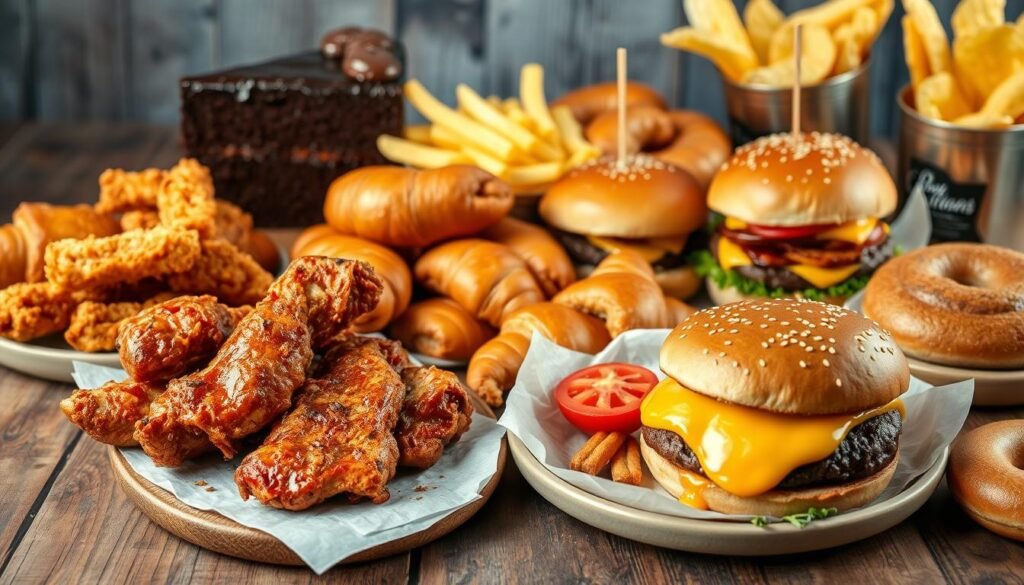
The Importance of a High Cholesterol Diet
A high cholesterol diet is key for heart health. It means eating foods that help control cholesterol. Cutting down on bad fats like saturated and trans fats is important.
These fats raise body cholesterol and increase artery plaque. This boosts heart disease and stroke risks. Eating heart-healthy means choosing whole grains, lean proteins, and lots of fruits and vegetables.
Soluble fiber is vital for managing cholesterol. It’s in oats, beans, and apples and lowers bad cholesterol. While cutting saturated fats is good, some foods like dairy and nuts are still beneficial. Knowing which foods are healthy makes it easier to eat well.
The American Heart Association suggests keeping saturated fats under 6% of daily calories. Even if some of these foods are nutritious, it’s best to eat lots of whole and plant-based foods. They help control cholesterol better.
At the store, focus on whole foods usually found around the edges. This helps avoid processed foods full of bad additives. Having fish with omega-3s twice a week and eating plant stanols and sterols also helps with cholesterol.
To wrap it up, a diet low in high cholesterol and rich in heart-healthy foods boosts heart health. Picking the right foods and eating in moderation keeps cholesterol in check. This leads to better overall health.
Heart-Healthy Eating Tips
Making wise food choices can greatly affect your heart health. By adding foods that lower cholesterol to your diet, you improve heart health. Choosing foods full of nutrients is key for lasting heart wellness.
Incorporating Cholesterol Lowering Foods
It’s vital to eat various foods that fight cholesterol for heart health. Foods like oats, beans, and fruits lower the bad LDL cholesterol. Omega-3 rich foods such as salmon and walnuts are also good for the heart. They offer tasty alternatives to less healthy choices.
Choosing Unsaturated Fats
Choosing unsaturated fats over saturated fats is essential for a heart-healthy diet. Foods like avocados, nuts, and olive oil increase good HDL cholesterol and reduce bad LDL. Switching from animal fats to plant-based fats helps manage cholesterol better.
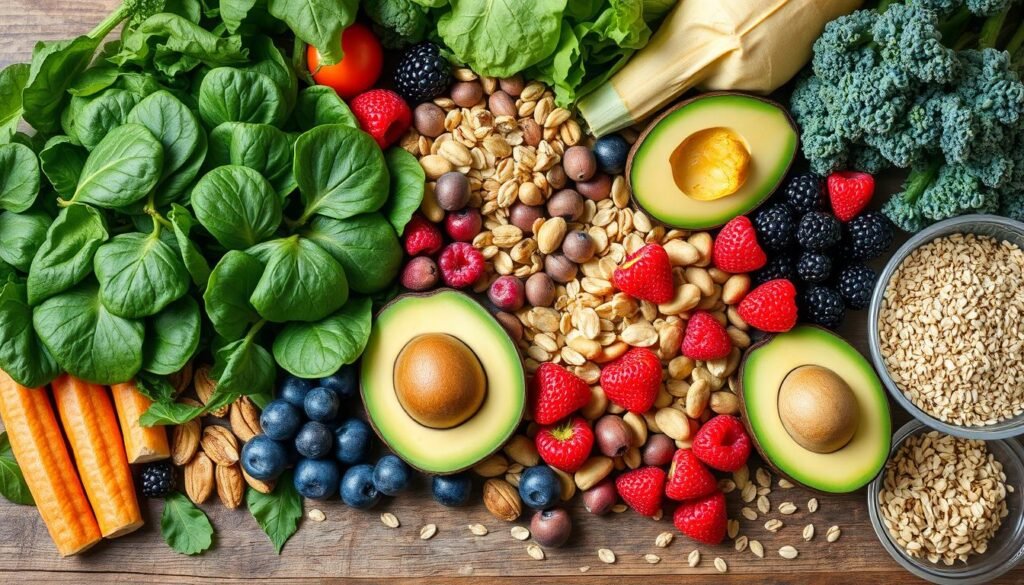
To boost heart health, include a mix of beneficial foods in your meals. For detailed heart-healthy eating tips, check out this guide. It offers valuable advice on what to eat for a stronger heart.
Identifying Foods High in Cholesterol
It’s vital to know which foods up your cholesterol for a healthy heart. Many don’t see how common foods can badly affect cholesterol. Knowing high-cholesterol foods helps make healthier choices for better health.
Meat and Dairy Products
Meat and dairy are top cholesterol sources. Eating ground red meat, with lots of saturated fat, can spike blood cholesterol. A hot dog might have 25% of the sodium and nearly 30% of saturated fat you should have daily.
Full-fat dairy, like cheese and ice cream, is high in saturated fat and sugar. This makes cholesterol worse.
Fast Foods and Processed Snacks
Fast food and processed snacks greatly affect cholesterol. For example, French fries have bad fats hurting heart health. Sugary foods increase blood pressure, triglycerides, and LDL cholesterol.
Processed snacks are full of bad fats, including hidden trans fats. They’re a bad choice for managing cholesterol.
How to Manage Cholesterol Levels
Managing cholesterol means eating right and living well. A mix of good food and exercise can really help your heart. It lowers the risk of heart problems.
Maintaining a Balanced Diet
What you eat is key to control cholesterol. Go for fiber-rich and unsaturated fats foods. Cut down on saturated fats. Good choices include:
- Fruits and vegetables
- Pulses and whole grains
- Nuts and seeds
- Oily fish such as salmon and mackerel
Switch fats from meat and full-fat dairy to unsaturated fats in oils and avocados. This lowers bad cholesterol. Also, eating 10 to 25 grams of soluble fiber daily helps.
Considering plant sterols can block cholesterol absorption. Aim to keep cholesterol under 200 mg daily for the best outcome.
The Role of Exercise and Lifestyle Changes
Exercise is vital for cholesterol health. It sends bad cholesterol to the liver to be removed. Try to do 150 minutes of aerobic activity a week.
Adding lifestyle changes improves heart health further. Quit smoking to lower bad cholesterol and boost good ones. In a year, heart disease risk drops a lot. Drinking in moderation might help good cholesterol—up to one drink a day for women and two for men.
By focusing on diet, exercise, and lifestyle, you can manage cholesterol well. This approach boosts heart health and overall happiness.
Healthy Alternatives: Low Cholesterol Recipes
Switching to low cholesterol recipes can be fun and rewarding. You can enjoy making meals with healthy alternatives that taste great and keep your heart healthy. Try dishes like herb-baked fish, quinoa salads, and fresh fruit smoothies.
The American Heart Association recommends eating fish, poultry, and plant-based proteins. Avoiding red and processed meats is key. Choose lean meats to cut down on saturated fats. Eating fish like salmon, which is high in omega-3s, helps your heart.
Creating meatless meals is another way to lower cholesterol. Use vegetable oils instead of solid fats in cooking. For baking, try using fruit purees instead of oil. Opt for 1% or fat-free milk and low-fat cheeses to keep your heart happy.
- Baked Herb Salmon: Season salmon with fresh herbs and bake for a tasty main dish.
- Quinoa Salad: Mix cooked quinoa with cherry tomatoes, cucumbers, and a light vinaigrette.
- Veggie Stir-Fry: Stir-fry a mix of colorful vegetables in a small amount of vegetable oil.
- Smoothies: Blend spinach, banana, and nonfat yogurt for a refreshing drink.
- Chickpea Stew: Cook chickpeas with diced tomatoes, onion, and spices for a hearty meal.
Choosing healthy alternatives helps manage cholesterol. It also leads to a healthier and more energetic life.
Creating a High Cholesterol Meal Plan
A high cholesterol meal plan is key for those aiming to reduce cholesterol. It’s about choosing heart-healthy recipes and snacks. This ensures meals are balanced across different food groups.
Avoiding foods high in cholesterol is part of making smart, healthy choices all week. No single food dramatically changes cholesterol levels. Adding heart-healthy items to your diet offers long-term benefits. For snacks, consider fruits, plain yogurt, veggie sticks with hummus, and nuts and seeds. These suggestions fit within dietary guidelines that help manage cholesterol.
Adapting the meal plan for personal needs can improve its effectiveness. Think about personal taste, cultural habits, and food restrictions. Swapping in frozen or canned veggies can make eating healthy more affordable.
Portion control is crucial in a high cholesterol meal plan. Pay attention to hunger and make the most of leftovers. Adding extra veggies to dishes is smart. It not only adds nutrients but also promotes heart health. Using olive oil instead of butter or choosing whole grain bread can help lower cholesterol.
Those with prediabetes and high cholesterol should aim for six servings of non-starchy vegetables a day. Opting for fresh, low-glycemic fruits is wise. It’s best to avoid sugary drinks and heavily processed foods due to their heart risks.
| Food Type | Recommended Alternatives | Benefits |
|---|---|---|
| Butter | Olive oil | Lowers saturated fat intake |
| White bread | Whole grain bread | Increases fiber intake |
| Potato chips | Plain nuts | Provides healthy fats |
| Sugary drinks | Water or herbal tea | Reduces calorie intake |
Maintaining regular check-ups and blood tests is important to monitor cholesterol changes. Committing to a balanced diet and dietary advice supports managing cholesterol well.
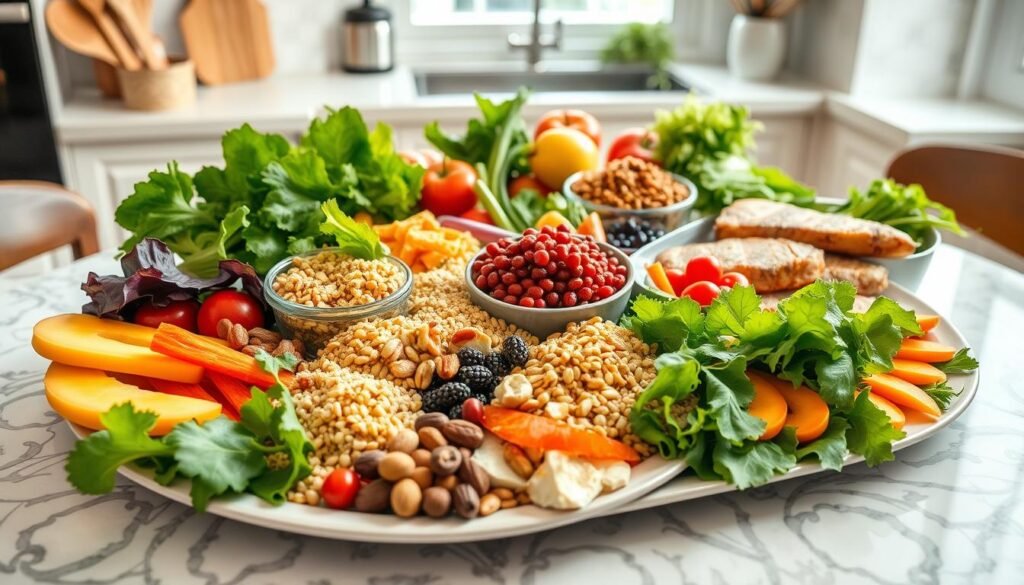
Conclusion
Knowing which foods to avoid if you have high cholesterol is key to managing it well. Foods high in saturated and trans fats can raise your “bad” cholesterol, or LDL. This can cause plaque build-up in your arteries and raise your risk of heart disease and stroke.
Making smart food choices and living a heart-healthy lifestyle are important steps in improving your health. Eating more fruits, vegetables, whole grains, and unsaturated fats helps manage cholesterol. At the same time, try to eat less high-cholesterol and high-fat foods, like red meats and fried items.
Adding regular exercise to your routine also helps, along with keeping a healthy weight and watching your sugar intake. All of these together can boost your heart health.
Choosing a heart-healthy path not only helps with cholesterol but also improves your overall life quality. By changing your diet and lifestyle, you can control cholesterol well. This leads to a healthier future for you.