It’s a shock to learn that 94 million American adults have high cholesterol. This info comes from the Centers for Disease Control and Prevention (CDC). It’s crucial to know which foods increase cholesterol and how they affect heart health. Unhealthy fats in certain foods can lead to serious problems like heart attacks and strokes.
This guide aims to shed light on different cholesterol types and the foods that raise cholesterol levels. We’ll also discuss healthy alternatives that promote a heart-healthy lifestyle. You’ll discover the risks of high-cholesterol foods, such as processed meats and fried goods. Choosing the right foods is a big step in preventing heart diseases. For guidelines on what foods to select and which ones to avoid, check out this link: heart-healthy foods.
Key Takeaways
- 94 million American adults have high cholesterol levels.
- High cholesterol is linked to heart attack and stroke risks.
- Processed meats, like bacon and sausages, are foods to limit.
- Understanding dietary cholesterol can help manage your body’s production.
- Making healthier food choices is vital for controlling cholesterol levels.
Understanding Cholesterol and Its Importance
First, let’s talk about what cholesterol is. It’s a waxy substance important for making hormones and cell membranes. Knowing the types of cholesterol in your body is key to staying healthy.
What is Cholesterol?
Cholesterol plays a key role in our bodies. It helps make hormones, absorbs vitamins, and builds cell membranes. Understanding cholesterol shows us it can be both good and bad for us.
Types of Cholesterol: HDL vs. LDL
Cholesterol comes in two main types: HDL cholesterol, the “good” kind, and LDL cholesterol, known as “bad” cholesterol. HDL takes cholesterol back to the liver to be removed or reused. Meanwhile, LDL transports cholesterol to cells, which can cause build-up in arteries and health issues.
Why Maintaining Healthy Cholesterol Levels Matters
Keeping cholesterol in check is crucial. High cholesterol can lead to heart disease and stroke. Factors like diet, lack of exercise, and genetics can affect cholesterol levels. Regular screenings help catch and manage problems early, especially after age 45.
| Age Group | Frequency of Cholesterol Screening |
|---|---|
| 9 to 11 years | First cholesterol screening recommended |
| 45 to 65 years (men) | Every five years |
| 55 to 65 years (women) | Every five years |
| Over 65 years | Annually |
| With family history of high cholesterol | More frequent screenings advised |
Why is High Cholesterol Dangerous?
High cholesterol is a big health problem. It raises the risk of heart disease and stroke. Knowing this helps us make better health choices and check our cholesterol levels.
The Risk of Heart Disease and Stroke
High cholesterol is linked to heart problems. It can block arteries, leading to heart attacks and strokes. Around 1 million Americans have familial hypercholesterolemia (FH) which increases these risks.
Getting regular check-ups helps catch and prevent problems early.
Understanding Atherosclerosis
Atherosclerosis happens when plaque clogs up arteries. This makes it hard for blood to flow and can cause serious issues like high blood pressure. Some signs include chest pain and fatigue, but often, people don’t know they have it until it’s quite bad.
Those with a family history of high cholesterol need to watch their health closely.
Symptoms Related to High Cholesterol Levels
High cholesterol usually has no obvious signs. But it can lead to conditions that cause shortness of breath, chest pain, or fatigue. This shows why it’s key to stay on top of our health.
Talking to doctors and making diet and lifestyle changes can help, especially if you’re at higher risk for heart problems.
| Condition | Potential Symptoms | Increased Risk Factors |
|---|---|---|
| Atherosclerosis | Chest pain, fatigue, shortness of breath | High cholesterol, family history, smoking |
| Heart Attack | Chest discomfort, sweating, nausea | High LDL levels, age, lack of physical activity |
| Stroke | Sudden weakness, vision issues, confusion | High cholesterol, hypertension, diabetes |
Changing our lifestyle can cut down high cholesterol risks. Doing things like checking health regularly, eating well, and knowing our family’s health history helps manage our health better.
For more on how cholesterol impacts health, check out this informative resource.
What Foods Cause High Cholesterol?
Knowing which foods to eat is key in managing cholesterol. Some foods can push your cholesterol up. This affects your heart health. It’s important to know about cholesterol-raising foods. This knowledge lets people choose their foods wisely.
Common Cholesterol-Raising Foods
There are certain foods that really boost cholesterol levels:
- Red meat: Beef, lamb, and pork have lots of saturated fats, raising cholesterol.
- Processed meats: Items like bacon, pepperoni, and pork sausage have lots of sodium and fat.
- Fried foods: French fries, fried chicken, and onion rings have lots of saturated fats.
- Commercial baked goods: Donuts, cakes, and cookies have unhealthy fats and lots of calories.
- Microwave popcorn: This snack has a lot of fat and should be eaten with care.
- Egg yolks: They have cholesterol, so eat them in moderation. Egg whites are free of cholesterol.
How Dietary Cholesterol Affects Your Body
Eating cholesterol affects people differently. Here’s how it can affect your health:
- Eating a lot of saturated and trans fats can make your LDL cholesterol go up. This raises your heart disease risk.
- Eating foods high in fiber, lean proteins, and healthy fats can help manage cholesterol well.
- Exercising regularly, like doing moderate activities for 2.5 hours a week, supports your heart. It keeps cholesterol in check.
Learning about foods that raise cholesterol helps you make smart choices. Working with doctors can also help manage high cholesterol.
| Food Type | Effect on Cholesterol |
|---|---|
| Red Meat | High in saturated fats, raises cholesterol levels |
| Processed Meats | High in sodium and fat, contributes to cholesterol increase |
| Fried Foods | Loaded with saturated fats and calories, raises cholesterol |
| Commercial Baked Goods | Often high in unhealthy fats, increases cholesterol levels |
| Microwave Popcorn | High in fat content; consumption should be limited |
| Egg Yolks | Contains cholesterol; moderation is key |
Saturated Fats and Their Impact on Cholesterol
Saturated fats have a big role in changing cholesterol levels. They mainly increase the “bad” cholesterol, known as low-density lipoprotein (LDL). Knowing where saturated fats come from helps us choose foods better. This choice can keep our hearts healthy.
Sources of Saturated Fats
Many foods, especially from animals, are rich in saturated fats. For example, you find them in:
- Beef
- Pork
- Poultry with skin
- Full-fat dairy products like cheese and cream
- Coconut oil and palm oil
A tablespoon of butter has about 7 grams of saturated fat. Also, an 8 oz New York steak has around 14 grams. The American Heart Association says we should eat less than 10% of our daily calories from these fats. This means no more than 13 grams a day for someone eating 2,000 calories.
Health Implications of High Saturated Fat Consumption
Eating too much saturated fat raises LDL cholesterol. This increase can make heart disease and stroke more likely. The CDC tells us to eat less food with a lot of these fats. It helps avoid heart problems. Too much of these fats might also raise other heart disease risks.
To eat better, we should pick foods with unsaturated fats. Things like canola oil, olive oil, and fatty fish are good choices. They help keep our cholesterol at a healthy level. Eating lots of fruits, vegetables, and grains also helps. It’s good to eat less red and processed meats to protect our hearts from bad cholesterol.
| Food Item | Saturated Fat (g) per Serving |
|---|---|
| 8 oz New York steak | 14 |
| Cheeseburger | 10 |
| Vanilla shake | 10 |
| 1 tbsp butter | 7 |
Learning about saturated fats and how much we take in is important. We should watch how much of these foods we eat. Choosing healthier options helps our heart health. To learn more about cholesterol, check out the guidelines on fats.
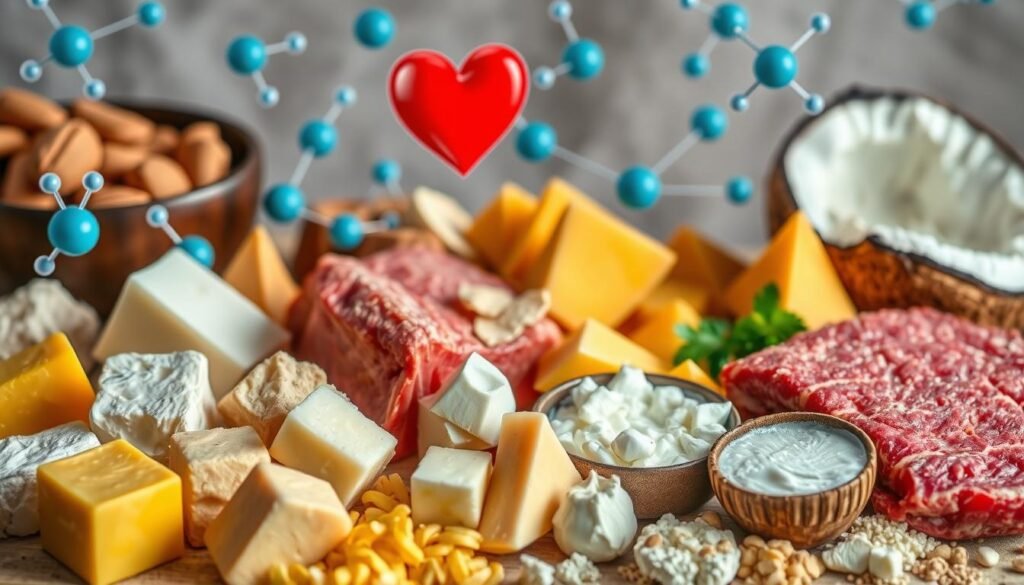
Trans Fats: The Worst Offenders
Knowing about trans fats is crucial for heart health and keeping cholesterol in check. These fats are made by turning liquid oils into solids, a process known as hydrogenation. They raise your bad cholesterol (LDL) and lower the good one (HDL), which raises heart disease risk. It’s important to eat less of them because of these health risks.
What are Trans Fats?
Trans fats pop up in many processed foods and are bad for the heart. Studies link them to higher cholesterol levels. By recognizing them in foods, people can choose healthier options and reduce the risk of heart troubles.
Common Foods Containing Trans Fats
Trans fats sneak into many foods, promising taste and convenience. Common sources include:
- Fried foods like French fries and donuts often use hydrogenated oil.
- Many baked goods, such as pastries and cakes, include margarine or shortening, both of which contain trans fats.
- Processed cheese products and fast food items are also major sources.
- High-fat and high-sugar packaged snacks, like potato chips, are bad for your health.
Eating these foods can badly affect your cholesterol and heart health. Check labels carefully to avoid trans fats. For tips on choosing healthier fats, see this guide.
| Food Item | Trans Fat Content | Cholesterol Content |
|---|---|---|
| French Fries | High | Varies |
| Donuts | High | Cholesterol varies by recipe |
| Margarine | Moderate | N/A |
| Packaged Snacks (e.g., chips) | High | N/A |
| Processed Cheese | Moderate | Varies, average about 15 mg |
Unhealthy Cooking Methods and Their Effects
Cooking methods are key in how healthy a meal is. Unhealthy ways of cooking can raise cholesterol and affect health. Frying is a big example. It’s not great for nutritional value. Processed snacks also pose risks to heart health. Knowing this helps us choose better for our diets.
Fried Foods: A Major Contributor
Fried foods are loved for their crunch and taste. But they’re often full of bad fats. These fats, like trans and saturated fats, hurt cholesterol levels. Eating them a lot can up heart disease risks. Opting for air frying is a healthier choice. It cuts down on bad cholesterol but keeps food tasty.
The Impact of Processed Snacks
Processed snacks also fall into the unhealthy category. They’re full of hidden trans fats and sugars, raising cholesterol risks. These snacks miss out on good nutrients and use unhealthy fats. Cutting down on them can keep cholesterol in check. For tips on choosing healthy cooking fats, go here.

Red Meat and Full-Fat Dairy: The Cholesterol Connection
Red meat and full-fat dairy products can raise cholesterol and saturated fat in our diets. It’s important to know how they affect our health. Moderating how much we eat and choosing alternatives can lower cholesterol.
The Role of Red Meat in Cholesterol Levels
Red meat can increase the cholesterol and saturated fats we consume. The American Heart Association suggests eating less saturated fat. They recommend staying under 6% of your total daily calories from saturated fat.
Also, eating too much processed red meat can up our risk for diabetes and heart issues. Choosing healthier cooking methods, like grilling or baking, cuts down on saturated fats.
Understanding Full-Fat Dairy Products
Full-fat dairy like whole milk and certain cheeses often worry people because of cholesterol. Yet, some studies show they might not be as bad for heart health as thought. Research in France found no big risk to blood pressure or cholesterol from eating more dairy.
Switching to low-fat options, such as 1% milk or low-fat yogurt, can help manage cholesterol. And you don’t have to give up on taste.
Healthier Alternatives to High Cholesterol Foods
Making better food choices is key for heart health. Choose healthy alternatives to foods high in cholesterol. Eating whole grains, fruits, vegetables, and lean meats helps keep your heart in shape.
Step Towards Heart-Health: Substitutes to Consider
Want to lower your cholesterol? Pick foods that are good for your heart. Here are some good swaps:
- Oatmeal: A great source of soluble fiber that can reduce LDL cholesterol.
- Fatty fish: Pick salmon or mackerel for omega-3 fatty acids that help your heart.
- Nuts: Almonds and walnuts offer fats that are good for your cholesterol.
- Avocados: They have monounsaturated fats that lower bad cholesterol.
- Olive oil: Use it in cooking for better cholesterol management. It’s good for your heart.
- Beans and legumes: They’re packed with fiber and protein. They help in lowering cholesterol.
Overview of Foods That Can Lower Cholesterol
Many foods help control cholesterol. Adding these to your meals is smart for heart health:
| Food Item | Key Benefits |
|---|---|
| Oats | Rich in soluble fiber, supports lowering LDL cholesterol. |
| Beans | High in fiber, helps keep cholesterol levels in check. |
| Fatty Fish | Provides omega-3s that lower triglycerides and improve HDL levels. |
| Nuts | Contain healthy fats that support heart health. |
| Olive Oil | Heart-healthy fats that can reduce LDL cholesterol levels. |
| Avocados | Rich in monounsaturated fats and fiber, beneficial for managing cholesterol. |
Eating these heart health substitutes is great for your heart. For more tips, check out cholesterol management resources.
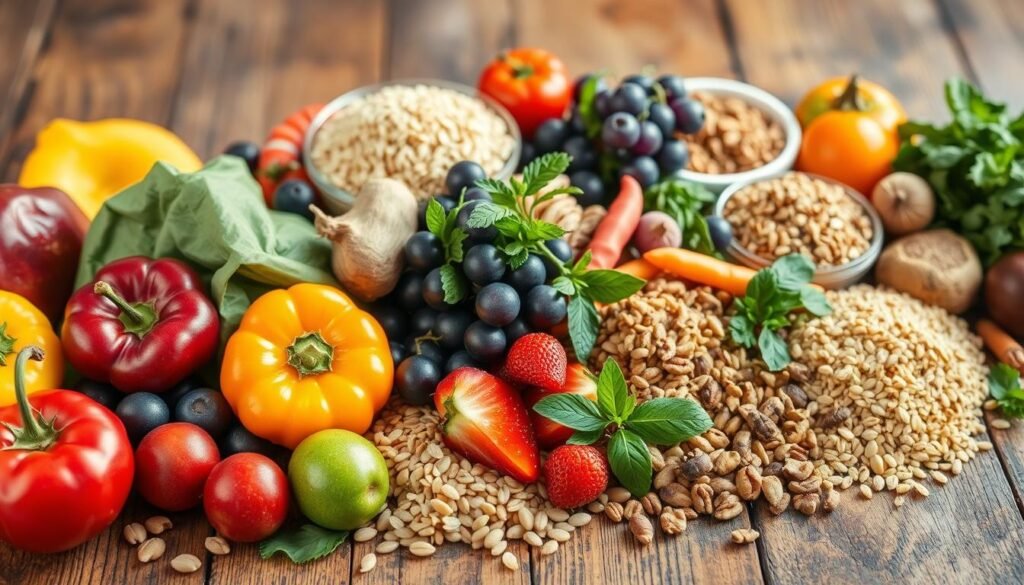
Making Heart-Healthy Grocery Choices
Shopping smart is key to a heart-healthy diet. A good grocery list helps you pick nutritious foods instead of unhealthy ones. It’s important to choose whole, natural foods and avoid items loaded with bad fats for a healthy heart.
Creating a Heart-Healthy Grocery List
To shop for a healthy heart, add foods full of fiber, vitamins, and minerals. These can help lower blood pressure and boost health. Consider adding these to your list:
- Quinoa
- Broccoli
- Kale
- White beans
- Sweet potatoes
- Spinach
- Edamame
- Pumpkin seeds
- Beets
Also, foods with unsaturated fats are great for reducing bad cholesterol. Here are some items to keep in your pantry:
- Nuts
- Seeds
- Olive oil (preferably extra virgin, cold-pressed)
- Avocados
- Fatty fish like salmon, trout, and tuna
Learning to Read Nutrition Labels
Knowing how to read nutrition labels helps make healthier choices. Look closely at these details:
| Nutrient | What to Look For |
|---|---|
| Saturated Fat | Choose items with 0-1g per serving. |
| Trans Fat | Avoid foods with any amount listed. |
| Cholesterol | Opt for products with less than 300mg per day. |
| Sodium | Pick lower-sodium options to support heart health. |
| Fiber | Choose foods with at least 3g of fiber per serving. |
Making heart-healthy grocery choices takes careful planning and smart picking. Focus on fiber-rich foods and healthy fats for better cholesterol management and heart health.
Conclusion
Knowing about summary of high cholesterol foods is key for good health. Eating lots of saturated fats, like red meat and full-fat dairy, raises cholesterol. Knowing what we eat helps us avoid heart disease.
To be healthier, we should exercise more and eat better. Regularly checking cholesterol with blood tests is a good idea. By following the 2020-2025 Dietary Guidelines for Americans, we can keep cholesterol in check.
Being aware and choosing the right foods can control cholesterol well. Staying informed about summary of high cholesterol foods leads to a healthier heart. This reduces our chance of serious health problems later.