Surprisingly, nearly 1 in 3 adults in the U.S. has high cholesterol. This issue can start as early as childhood or adolescence. It’s crucial to know why high cholesterol occurs in women. Their bodies go through unique hormonal changes. These changes are especially big during menopause, affecting cholesterol levels a lot.
Genetic predisposition and lifestyle choices determine cholesterol levels in women. Diet, physical activity, stress, and smoking can increase cholesterol. Knowing about high cholesterol risk factors for women is key. Regular screenings and healthy habits are important. They help keep the heart healthy and lower high cholesterol risks.
Key Takeaways
- High cholesterol affects about 33% of adults, highlighting its prevalence.
- Women face specific risks due to hormonal changes, particularly during menopause.
- Lifestyle factors, including diet and physical activity, significantly influence cholesterol levels.
- Regular cholesterol screenings are crucial for early detection and management.
- Adopting heart-healthy habits helps mitigate the risks of high cholesterol in women.
- Understanding the role of genetics can aid in managing cholesterol levels effectively.
Understanding Cholesterol and Its Types
Cholesterol is a waxy substance that’s vital for building healthy cells. It plays a crucial role in the body. For women, high cholesterol levels can pose health risks. There are two main kinds of cholesterol: low-density lipoprotein (LDL) and high-density lipoprotein (HDL).
LDL is often called bad cholesterol because it can build up in arteries. This increases the risk of heart disease. HDL, known as good cholesterol, helps clear cholesterol from the blood. It’s good for your heart health.
It’s vital to monitor cholesterol to keep your heart well. Blood tests show your total cholesterol and the amounts of LDL and HDL. High total cholesterol is over 200 mg/dL. Women should have an HDL level of at least 50 mg/dL.
It’s best if LDL levels stay below 70 mg/dL for some. HDL levels over 60 mg/dL are heart-protective. Another key component is triglycerides, a blood fat that risks heart attacks and strokes. Knowing the balance of good vs bad cholesterol is key for women’s heart health. Screenings should start between ages 9 and 11, then every five years.
| Cholesterol Type | Common Name | Role in the Body | Ideal Levels (mg/dL) |
|---|---|---|---|
| Low-Density Lipoprotein | Bad Cholesterol | Contributes to plaque buildup in arteries | Below 70 |
| High-Density Lipoprotein | Good Cholesterol | Helps remove excess cholesterol | Above 60 |
| Triglycerides | N/A | Type of fat that can raise heart risk | Below 150 |
The Role of Genetics in Cholesterol Levels
Genetics play a big part in cholesterol, especially for women. Conditions like familial hypercholesterolemia (FH) show how genes impact cholesterol handling. Sadly, over 90% of folks with FH don’t know they have it. This shows a big gap in our understanding of genetics and cholesterol in women.
Familial hypercholesterolemia is more common in some groups, like French Canadians, Ashkenazi Jews, Lebanese, and Afrikaners. If you have family history and high cholesterol, you might be at higher risk. This highlights why genetic tests and checking family health history are vital. HeFH, from one parent, affects 1 in 200 adults. HoFH, from both parents, is rarer.
Starting treatment early is key. Kids with one parent having FH have a 50% chance of getting it. If both parents have it, their kids will have it too. Statins can cut down LDL cholesterol a lot. This shows how well medicine can work for cholesterol problems caused by genes. Plus, lifestyle changes help but might not be enough for bad cases.
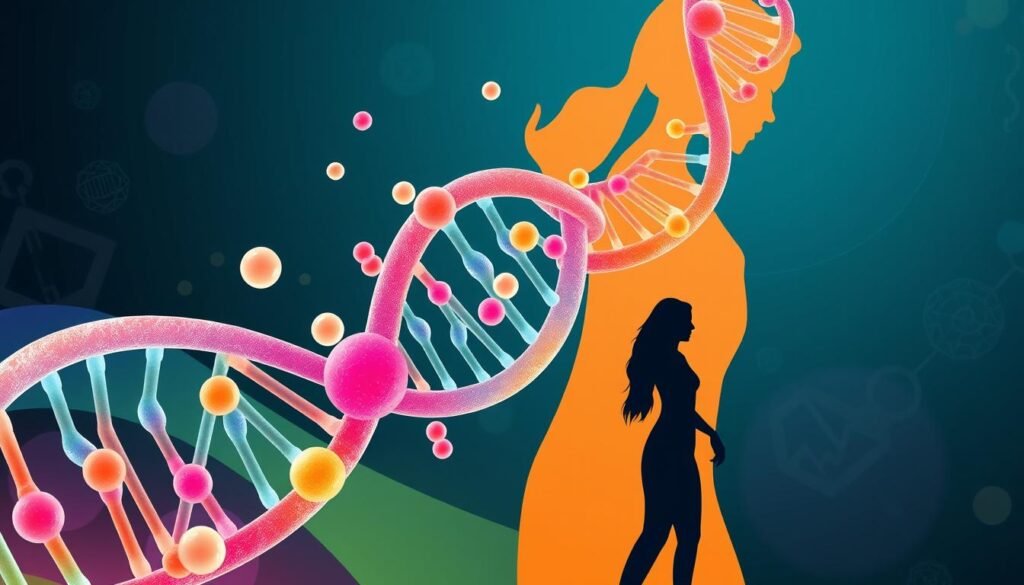
Genes play a role in cholesterol, but knowing your family history is like a warning. Having a family member with high cholesterol means you could be at risk too. Cascade screening helps find family members who may be at risk. About 1.3 million people in the U.S. have FH, but only 10% know it. This shows why early tests and constant check-ups are crucial for those with a family history of high cholesterol.
What Causes High Cholesterol in Women
High cholesterol in women comes from different sources. It includes lifestyle choices and medical issues. Knowing about these helps keep health in check and lowers cholesterol risks.
Lifestyle Factors Contributing to High Cholesterol
Several lifestyle factors impact women’s cholesterol and heart health. Eating foods rich in bad fats raises cholesterol levels. Not moving enough, smoking, and drinking too much alcohol also play a part. A healthy lifestyle with exercise and good food choices is key.
Medical Conditions Affecting Cholesterol
Certain health problems in women are linked to high cholesterol. Diabetes, thyroid issues, and kidney disease make managing cholesterol hard. Menopause also changes cholesterol levels, making them go up. Knowing these health challenges is crucial for managing and preventing cholesterol problems.
| Condition | Effect on Cholesterol Levels |
|---|---|
| Diabetes mellitus | Increases bad LDL cholesterol and triglycerides |
| Hypothyroidism | Raises LDL cholesterol and lowers HDL cholesterol |
| Chronic kidney disease | Can elevate cholesterol due to metabolic changes |
| Menopausal changes | Often results in increased total cholesterol levels |
| Polycystic ovary syndrome (PCOS) | May lead to unfavorable cholesterol changes |
Dietary Cholesterol and Women
The link between dietary cholesterol and women has become a big topic. It’s all about managing cholesterol and keeping the heart healthy. Women need to know how food affects cholesterol levels. This is crucial due to the high cholesterol risks many face in the U.S.
Effects of Saturated and Trans Fats
Saturated and trans fats can raise LDL (“bad”) cholesterol, which is not good. Women should eat less of these fats found in fried snacks and some dairy items. Cutting down on these fats helps manage cholesterol and promotes a healthier heart.
Heart-Healthy Foods to Include
Adding heart-healthy foods to your diet is important for controlling cholesterol. Women should eat more fruits, veggies, and whole grains. These are packed with fiber and nutrients that lower cholesterol.
Foods with healthy fats, like fish, nuts, and avocados, are also great. Knowing how what you eat affects your cholesterol can lead to better food choices. Research continues to show the health benefits of a diet with lots of plant-based foods. For more on this, check out the latest research on dietary cholesterol.

High Cholesterol Risk Factors for Women
Women face unique risks that can push their cholesterol levels up. It’s key to know these risks to prevent and manage them well. A big risk comes from getting older and the changes in hormones, mainly around menopause. At this time, many see a rise in total cholesterol and “bad” LDL levels. Meanwhile, “good” HDL cholesterol may go down. This increases their chances of getting heart diseases.
Age and Hormonal Changes
As women get older, their hormones change and this affects cholesterol. Before menopause, women usually have lower “bad” LDL levels than men. But this advantage goes away after menopause, and cholesterol levels go up. The American Heart Association says around 36% of women have too high cholesterol. Getting checked regularly is key, especially after 55. This is when the risk of high cholesterol goes up because of hormone changes.
Impact of Obesity and Lack of Exercise
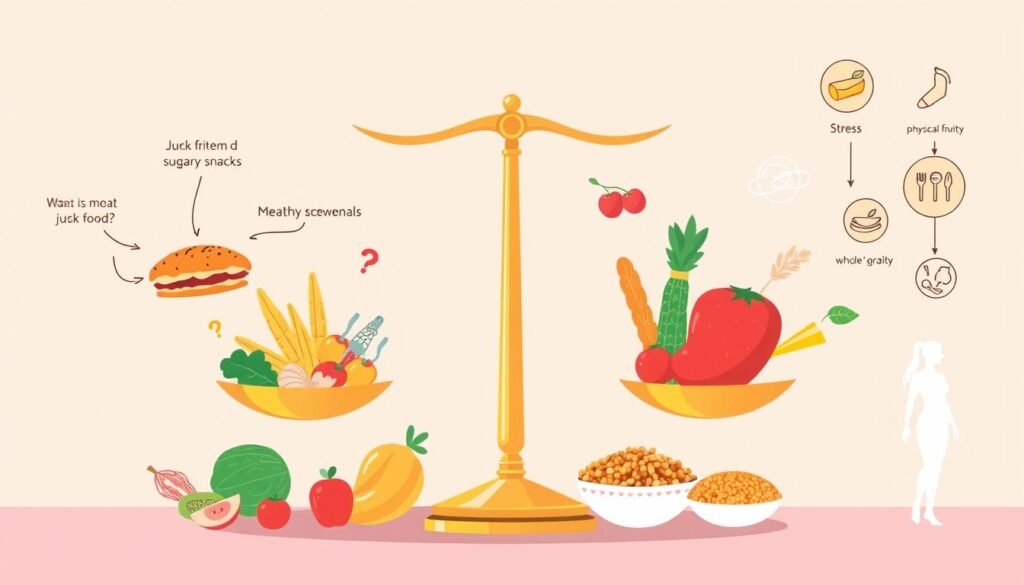
Being overweight has a big effect on cholesterol. It leads to higher “bad” LDL levels and lowers “good” HDL cholesterol. This makes the risk of heart problems higher. Not exercising makes it worse, as it can lead to bad cholesterol changes. Women with family members who have high cholesterol are more at risk. This is especially true if they’re not active and eat a lot of saturated fats. Keeping an active lifestyle and a healthy weight is key to fighting off high cholesterol.
Women’s Heart Health and Cholesterol Management
Maintaining women’s heart health means regular check-ups and managing cholesterol well. Spotting high cholesterol early is key to stopping heart disease. It’s the top killer of women in the U.S. Women should check their cholesterol by age 55, or sooner if they’re at risk. Taking these steps early builds the groundwork for heart health.
Regular Screening Recommendations
Getting cholesterol checked regularly helps women spot heart disease risks early. The American Heart Association says adults should start cholesterol screenings from age 20, every four to six years, if their risk is low. After menopause, women’s risk goes up and they might need checks more often. This is important for staying healthy.
Benefits of a Healthy Lifestyle
Living a healthy life is great for women’s heart health and managing cholesterol. Important parts include:
- Balanced Nutrition: Eating heart-healthy foods is crucial. Women should eat lots of fruits, veggies, whole grains, lean meats, and healthy fats.
- Regular Exercise: Physical activity keeps weight under control and fixes cholesterol levels. Try for 150 minutes of activities like walking or biking each week.
- Avoiding Tobacco: Not smoking lowers heart disease risk and boosts health.
- Stress Management: Activities like yoga or meditation can lessen stress. This is especially important for women’s heart health.
Adding these habits to their lives lowers women’s high cholesterol risks. It makes life better overall. For more tips on handling high cholesterol, check out this resource.
Cholesterol-Lowering Medications for Women
Many women find that just changing their lifestyle isn’t enough to tackle high cholesterol. Healthcare professionals may suggest medicines to help with heart health. These drugs are key for women who can’t lower their cholesterol with food and exercise alone.
Statin drugs, like Atorvastatin (Lipitor), Simvastatin (Zocor), and Rosuvastatin (Crestor), work well to cut down bad cholesterol and fats. They also boost good cholesterol slightly. They’re often used by people with heart problems or high bad cholesterol.
If statins aren’t an option, there are other drugs available. Ezetimibe (Zetia) cuts down on how much cholesterol your body absorbs. PCSK9 inhibitors, such as Alirocumab (Praluent) and Evolocumab (Repatha), work well for very high bad cholesterol. These alternatives offer more ways to manage cholesterol levels effectively.
There are also bile acid sequestrants like Cholestyramine (Prevalite) and Colesevelam (Welchol) that help get rid of cholesterol in the intestines. Fibrates, such as Gemfibrozil (Lopid), focus on lowering triglycerides. Combining these drugs with lifestyle changes can greatly improve cholesterol management.
Some women might notice side effects from these drugs. Yet, with proper monitoring and tweaks, these can be controlled. Working closely with healthcare providers is crucial. The benefits of these cholesterol-lowering drugs often surpass the risks, leading to better heart health.
| Medication Class | Examples | Main Effects |
|---|---|---|
| Statins | Atorvastatin, Simvastatin, Rosuvastatin | Decrease LDL, decrease triglycerides, slightly increase HDL |
| Non-Statin Agents | Ezetimibe, PCSK9 Inhibitors | Decrease LDL, improve cholesterol absorption |
| Bile Acid Sequestrants | Cholestyramine, Colesevelam | Decrease LDL levels, assist in cholesterol elimination |
| Fibrates | Gemfibrozil, Fenofibrate | Decrease triglycerides, modestly decrease LDL, increase HDL |
Prevention Strategies for High Cholesterol in Women
To reduce high cholesterol risk in women, both diet and exercise are crucial. A balance of these can boost health greatly. By adopting such healthy habits, women can keep their cholesterol in check. This improves their overall well-being.
Healthy Eating and Exercise
Choosing the right foods is key in controlling cholesterol. It’s important to eat less saturated fats found in red meat and full-fat dairy. Avoid trans fats in processed foods as they harm cholesterol levels. Women should eat more:
- Omega-3 fatty acids from fish like salmon for heart health.
- High-fiber foods, such as oatmeal and beans, which lower cholesterol absorption.
- Whey protein, which is in dairy and helps reduce bad cholesterol.
Exercise is equally important. Aim for 30 minutes of activity five times a week. Exercise helps increase good cholesterol and maintain a healthy weight. Staying active is crucial for preventing high cholesterol in women.
Quitting Smoking and Reducing Alcohol Consumption
Stopping smoking can quickly improve heart health and lower blood pressure. Women who quit smoking see a positive change in their cholesterol levels. Drinking alcohol in moderation can boost HDL cholesterol. But, the CDC recommends only one drink a day for women. Too much alcohol raises cholesterol and triglyceride levels.
Keeping a healthy weight is vital in managing cholesterol. Extra fat can negatively impact cholesterol, increasing heart disease risk. Working with medical teams is important. They help manage conditions and medications that affect cholesterol. This strategy provides a well-rounded approach to preventing high cholesterol in women.
Conclusion
Understanding why women get high cholesterol is key to prevent and manage heart risks. This condition can lead to heart disease and stroke, which are big reasons why women pass away. Things like genes, how we live, and health issues really affect cholesterol levels. So, knowing about these things helps in keeping cholesterol in check.
For women, menopause can really change cholesterol levels, raising the risk of heart problems. To keep cholesterol levels healthy, it’s good to get regular check-ups, eat well, and stay active. Women should keep their LDL levels below 130 mg/dL. This might mean eating less saturated fat and more unsaturated fats.
Learning about treatments like statins and hormone replacement therapy (HRT) can give women control over their cholesterol. It’s important to start watching cholesterol levels early, by age 20. Knowing all this helps women look after their health better. For deeper insights on managing cholesterol, visit this resource.