Did you know every 39 seconds, someone in the United States has a heart attack? This fact shows how vital it is for people to know their cholesterol levels. High cholesterol can lead to heart disease and often shows no signs. It’s crucial to understand the warning signs and effects of high cholesterol. This knowledge can help you take charge of your health.
The National Heart, Lung, and Blood Institute suggests starting cholesterol checks at age 20. People should get checked every four to six years if they’re healthy. If you’re between 45 to 65, get tested every one to two years. And if you’re over 65, you should get a test every year. It’s important to know the difference between LDL cholesterol (the bad type) and HDL cholesterol (the good type).
We will look into the symptoms, causes, risk factors, and ways to manage high cholesterol. Making simple changes in your life can lower your risk and improve your heart health. It’s key to learn about and take steps against cholesterol and heart disease.
Key Takeaways
- High cholesterol often has no symptoms, making regular screenings vital.
- Understanding LDL and HDL cholesterol is crucial for heart health.
- People over 65 should have cholesterol tests annually to monitor their levels.
- Healthy lifestyle choices, like a balanced diet and exercise, can prevent high cholesterol.
- Being proactive about cholesterol screenings can significantly mitigate heart disease risk.
What is High Cholesterol?
High cholesterol is when you have too much fat in your blood. It’s also called hyperlipidemia. This can cause serious health problems. Cholesterol is important for making cells and hormones. But, having too much can block arteries. This increases heart disease risk, so staying informed is key.
About 1 in 3 adults in the United States have high cholesterol. Even young people under 65 can get coronary artery disease (CAD). More than 1 in 5 deaths from CAD are in this age group. That’s why it’s vital to check your cholesterol levels often.
A test called a lipid panel checks your cholesterol. Experts say we should start checking it when we are young. Often, there are no signs of high cholesterol until it’s caused a lot of harm. That’s why early testing and action are crucial.
Unhealthy lifestyle choices can make your cholesterol high. Not exercising, eating poorly, and smoking are big factors. Diseases like chronic kidney disease can also raise your risk. Knowing this, we should all try to live healthier lives.
| Cholesterol Levels | Category |
|---|---|
| Less than 200 mg/dL | Optimal |
| 200-239 mg/dL | Borderline High |
| 240 mg/dL and above | High |
Understanding Cholesterol Levels
Cholesterol levels are key to knowing your heart health. A lipid panel test checks these levels. It measures total cholesterol, including HDL (good), LDL (bad), and triglycerides. Knowing these can help you see if you’re at risk for heart problems and keep your cholesterol desirable.
For great heart health, total cholesterol should be around 150 mg/dL. LDL needs to be under 100 mg/dL to be safe. HDL, or “good” cholesterol, should be above 40 mg/dL for men and 50 mg/dL for women. Triglycerides are best kept under 150 mg/dL. If total cholesterol tops 200 mg/dL, your risk for heart disease and stroke goes up.
It’s smart for everyone 20 and older to test their cholesterol every four to six years. More often if you’re at high risk. Your lifestyle, age, family history, and conditions like obesity or type 2 diabetes can change your cholesterol levels. Also, men and women often have different HDL levels. High triglycerides can mean lower HDL levels.
Knowing your cholesterol numbers helps you avoid serious health problems. Want to learn more? Check out this resource. Keeping an eye on these numbers is a step towards better heart health.
Types of Cholesterol: HDL vs. LDL
Cholesterol moves in the blood with the help of lipoproteins. There are two main kinds: HDL and LDL cholesterol. HDL is the good cholesterol because it protects us. It takes extra cholesterol from arteries to the liver to get rid of it. People with high HDL have a smaller chance of getting heart disease or stroke.
LDL cholesterol is known as the bad cholesterol. It’s most of the body’s cholesterol and can cause artery blockages when too high. High levels of LDL mean a greater chance of getting heart disease and stroke.
It’s important for health to keep these two balanced. Women should have HDL over 50 mg/dL and men over 40 mg/dL. LDL should be below 130 mg/dL for those with no heart disease history. Getting your cholesterol checked helps you know when to make diet or medicine changes.
Your lifestyle affects your cholesterol levels. Eating a lot of saturated fat from red meat and full-fat dairy can increase LDL and triglycerides. Eating better and adding omega-3 fats can lower triglycerides.
Controlling cholesterol is key to avoiding heart disease. Keeping a balance between HDL and LDL lowers risk and improves heart health. Doctors might suggest changes to your lifestyle or medications like statins to help manage cholesterol.
Symptoms of High Cholesterol
High cholesterol is tricky because you don’t see it coming. It is a silent, serious issue. Often, people don’t catch on until they face bigger health problems like heart disease or stroke. Even though high cholesterol itself doesn’t show clear symptoms, issues it causes can give away signs.
Why High Cholesterol is Often Asymptomatic
Most people don’t know they have high cholesterol because it doesn’t really show symptoms. It’s usually found during regular health checks. As plaque accumulates in arteries, the danger of serious issues like atherosclerosis grows.
Potential Signs of Related Problems
High cholesterol might not have its own symptoms, but it leads to problems that do. Reports of these symptoms are common:
- Chest pain: This is often angina. It means the heart isn’t getting enough oxygen because of poor blood flow.
- Fatigue: Feeling unusually tired could mean your blood isn’t circulating well.
- Nausea: This may come with chest pain or on its own if your heart is in distress.
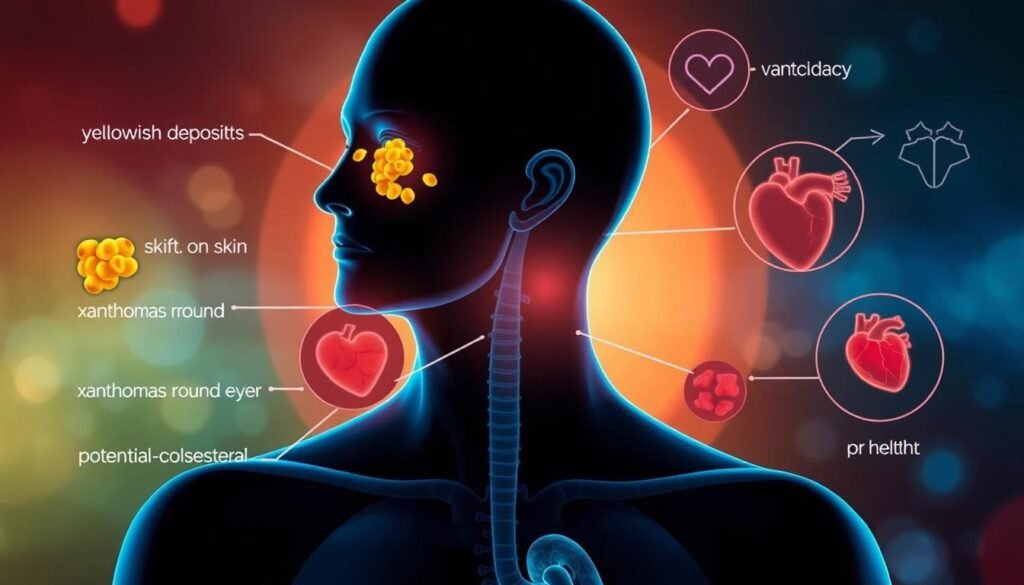
To catch these issues early, people should regularly check their cholesterol levels. Early detection means treating related conditions sooner.
| Condition | Symptoms |
|---|---|
| Angina | Chest pain, discomfort in shoulders, neck, or arms |
| Atherosclerosis | Fatigue, weakness, nausea |
| Heart Disease | Chest pain, shortness of breath, fatigue |
| Stroke | Nausea, sudden confusion, difficulty speaking |
Causes of High Cholesterol
Learning about high cholesterol means knowing two main things. First, our daily habits matter a lot. Second, our family’s health history plays a part. What we choose to do every day can change our cholesterol levels. Genetics can also make us more likely to face these problems.
Lifestyle Factors
Eating the wrong foods is a big reason for high cholesterol. Foods rich in saturated and trans fats raise “bad” cholesterol. Think of fatty meats, whole milk dairy, and snacks from a box. Not moving enough adds to the problem too. The American Heart Association suggests we need 150 minutes of exercise like walking every week.
- Limit saturated fat intake to less than 6% of daily calories.
- Aim for 30 to 60 minutes of physical activity per day.
- Incorporate plant sterol-enriched foods, consuming 2 to 3 grams daily for effective cholesterol management.
- Engage in heart-healthy habits starting from childhood.
Genetic Factors
Our genes also affect cholesterol. There’s a condition called familial hypercholesterolemia. It’s rare, affecting 1 in 250 people, but it makes cholesterol high. Those with it must check their cholesterol levels often. Plus, conditions like diabetes or obesity can push cholesterol up. Our genes influence how well our bodies handle cholesterol.
To manage cholesterol better, we need to look at habits and genes. Working with doctors helps find the best plan for health.
| Factor | Description | Impact on Cholesterol Levels |
|---|---|---|
| Lifestyle Factors | Diet lacking in nutrients and physical inactivity. | Increases LDL and decreases HDL cholesterol. |
| Genetic Factors | Inherited conditions like familial hypercholesterolemia. | Results in consistently high cholesterol levels. |
Risk Factors for High Cholesterol
It’s key to know what increases your risk for high cholesterol. Things like how old you are, if you’re male or female, and different health problems play a big role. Knowing about these can lead you to make better choices for your heart.
Age and Gender
As we get older, our bodies fight harder against cholesterol. This makes the risk of heart issues go up. For guys, cholesterol often goes up starting in their 20s. Ladies usually see a rise after menopause, but they have an advantage before then with lower bad cholesterol levels.
Health Conditions Linked to High Cholesterol
Some health problems make high cholesterol more likely. Diabetes, kidney diseases, and HIV/AIDS can push your cholesterol up. If you were born with familial hypercholesterolemia, you might see high cholesterol early on. Being overweight or having PCOS also ups your cholesterol risk.
| Risk Factor | Impact on Cholesterol |
|---|---|
| Age | Increased levels with age due to metabolic changes |
| Gender | Men generally have higher levels; women see increases post-menopause |
| Health Conditions | Diabetes, kidney disease, and other chronic conditions can elevate cholesterol |
| Genetics | Family history of high cholesterol increases risk significantly |
| Obesity | Linked to higher levels of LDL cholesterol and lower HDL cholesterol |
Complications Associated with High Cholesterol
High cholesterol can lead to major health issues, affecting your overall wellbeing. One major risk is atherosclerosis, where arteries get clogged. This makes arteries narrow and reduces blood flow. Then, it increases the chance of heart disease and heart attacks.
Atherosclerosis and Its Risks
Atherosclerosis takes time to develop. It happens as cholesterol and other things build up inside artery walls. This makes arteries narrow and limits blood flow. If you have high cholesterol, you’re more likely to get heart disease and heart attacks. Checking your cholesterol levels regularly is key. The WebMD website has lots of info on cholesterol and heart health.
Heart Disease and Cardiac Events
Heart disease is a major danger of high cholesterol. High levels can really increase your risk of having a heart attack. Diseases like coronary artery disease happen when heart arteries narrow. It’s important to know your cholesterol and work to keep your heart healthy. This might mean changing your lifestyle and getting medical help.
Strokes and Transient Ischemic Attacks
Strokes happen when the brain’s blood supply gets cut off, often from atherosclerosis linked to high cholesterol. This can also cause transient ischemic attacks (TIAs), which are like stroke warnings. Keeping cholesterol in check can stop these serious events. For tips on living healthier, check the Easy Heart Boost site.
How to Get Your Cholesterol Checked
Getting your cholesterol checked regularly is key for spotting high cholesterol early. It’s big for heart health. The American Heart Association suggests adults 20 or older get a cholesterol test every four to six years. This is if their risk for heart trouble stays low.
A lipid panel blood test checks your total cholesterol and breaks it down. It looks at LDL and HDL cholesterol. After turning 40, a formula can predict your 10-year risk for heart events. It uses your age, gender, family health, and conditions like diabetes or high blood pressure.
Before a cholesterol test, you must fast for 9 to 12 hours. This ensures accurate levels of HDL, LDL, triglycerides, and total cholesterol are measured. If you don’t fast, only total and HDL cholesterol can be analyzed correctly.
People with a higher heart disease risk may need tests more often. Based on guidance, men 45 to 65 and women 55 to 65 should screen every one to two years. Those over 65 should test yearly to stay on top of their health.
Besides cholesterol tests, health experts might suggest additional checks to understand your heart risk better. Sharing test results with all your doctors helps them assess your heart risk accurately.
| Age Group | Screening Frequency | Additional Recommendations |
|---|---|---|
| 20 and older | Every 4 to 6 years | Test for other risk factors if low risk |
| Men 45-65 | Every 1 to 2 years | Monitor family history and lifestyle |
| Women 55-65 | Every 1 to 2 years | Maintain regular health screenings |
| Over 65 | Annually | Regular check-ups for heart health |
Making these practices a habit is vital for heart health over time. Regular tests, like lipid panels, are a big part of health care plans.
For tips on cholesterol testing, visit this resource.
Preventing High Cholesterol: Lifestyle Changes
Making lifestyle changes is key to preventing high cholesterol. These changes include eating better, exercising more, and controlling bad habits. All of this not only helps your cholesterol but also improves your heart’s health.
Dietary Adjustments
To fight high cholesterol, changing what you eat is essential. You should:
- Cut down on saturated fats found in red meat and dairy. This lowers “bad” LDL cholesterol.
- Avoid trans fats in processed foods to keep cholesterol levels in check.
- Eat foods high in omega-3s like salmon and walnuts to boost heart health and lower blood pressure.
- Get more soluble fiber from foods like oatmeal and Brussels sprouts. It helps decrease cholesterol absorption.
- Including whey protein from dairy into your diet can also help reduce LDL cholesterol.
Exercise Recommendations
Staying active is crucial in fighting high cholesterol. Try to:
- Exercise for at least 30 minutes most days. Activities like brisk walking will increase “good” HDL cholesterol.
- Work on losing weight through physical activity to greatly lower high cholesterol.
- Kids and teens should get an hour of physical activity daily to start healthy habits early.
Monitoring Alcohol and Tobacco Use
Watching your alcohol and tobacco use is another way to prevent high cholesterol:
- Drink alcohol in moderation to avoid harming cholesterol levels. Men should have no more than two drinks a day, and women should limit to one.
- Quitting smoking greatly improves HDL cholesterol right away and lowers the risk of heart disease.
| Dietary Changes | Exercise Recommendations | Tobacco & Alcohol Use |
|---|---|---|
| Reduce saturated fats | 30 minutes of exercise most days | Limit alcohol intake |
| Eliminate trans fats | Focus on weight loss through activity | Quit smoking |
| Increase omega-3 fatty acids | Encourage daily activity for children | Monitor health effects of substance use |
| Boost soluble fiber intake | Integrate a variety of exercises | N/A |
Treatment Options for High Cholesterol
Tackling high cholesterol usually starts with diet and exercise changes. If cholesterol stays high, doctors may prescribe medication. A personalized plan can reduce heart disease risk and boost health.
Medications Available
When healthier living isn’t enough, various medicines can help. Statins like atorvastatin (Lipitor) and rosuvastatin (Crestor) are top picks. They lower bad LDL cholesterol, reducing heart attack and stroke chances. Other medicines include:
- Cholesterol absorption inhibitors like ezetimibe (Zetia), cutting down cholesterol from food.
- Bile acid sequestrants like colesevelam (Welchol), which attach to bile acids.
- PCSK9 inhibitors such as alirocumab (Praluent) and evolocumab (Repatha), greatly cutting LDL cholesterol.
- Fibrates like fenofibrate (Tricor) targeting triglycerides.
- Niacin (Niacor and Niaspan), a B vitamin but can cause flushing and affect the liver.
- ACLY inhibitors like bempedoic acid (Nexletol) for familial hypercholesterolemia.
These drugs can quickly drop cholesterol levels, often in a week. Yet, most people need to take them for life to stay healthy and dodge heart risks.
Importance of Regular Monitoring
Keeping an eye on cholesterol is a big deal. It helps make sure treatments work and are tweaked as needed. Regular doctor visits can show:
- Total cholesterol including LDL and HDL
- Changes in triglycerides, for those especially high
- How well medicines are working and if changes are needed
The CDC sets ideal cholesterol numbers for adults. Aim for total cholesterol around 150 mg/dL and LDL near 100 mg/dL. Seeing your doctor regularly helps you stay on track. To learn more about managing cholesterol, check out Mayo Clinic’s guide on treatment options.

| Medication Type | Primary Action | Common Side Effects |
|---|---|---|
| Statins | Lower LDL cholesterol | Muscle pain, digestive issues, increased blood sugar |
| Cholesterol Absorption Inhibitors | Reduce cholesterol absorption from the intestine | Headaches, diarrhea |
| Bile Acid Sequestrants | Bind bile acids to reduce cholesterol levels | Constipation, stomach pain |
| PCSK9 Inhibitors | Lower LDL cholesterol significantly | Injection site reactions, mild itching |
| Fibrates | Lower triglycerides | Leg cramps, abdominal pain |
| Niacin | Lower triglycerides and LDL cholesterol | Flushing, nausea, liver toxicity |
Conclusion
Keeping an eye on cholesterol is key for heart health. High cholesterol doesn’t always show symptoms, making it tough to spot. Knowing the warning signs and getting cholesterol checked regularly is vital.
Having too much LDL cholesterol is dangerous. If total cholesterol goes over 200 mg/dL, the risk of heart problems goes up a lot.
Making lifestyle changes can help control high cholesterol. Eating less saturated and trans fats is important. So is staying active and managing your weight. These changes can lower cholesterol and boost well-being.
Consulting with doctors about cholesterol-lowering medication is also important. This step is necessary when improving your lifestyle isn’t enough. Catching issues early and managing them well can greatly lower the risk of heart disease and strokes. It helps secure a healthier future.