About 12% of U.S. adults over 20 years old have high cholesterol. This condition raises the risk of heart disease, like heart attacks and strokes. Yet, only half of these people are actively managing their cholesterol. This shows a big need for more awareness about high cholesterol and its risks.
Hypercholesterolemia means having too much LDL cholesterol in your blood. Bad eating habits and lifestyle choices often make it worse. Knowing about this condition is key to controlling it. It helps people keep their cholesterol at a healthy level and lowers their chances of health problems.
Key Takeaways
- Hypercholesterolemia affects around 12% of U.S. adults, emphasizing the need for awareness.
- Half of those with high cholesterol do not take medication to manage it.
- Familial hypercholesterolemia is a rare genetic disorder affecting about 1 in 250 people.
- Acquired hypercholesterolemia is often due to unhealthy dietary practices.
- Regular cholesterol screenings are recommended every five years for healthy adults.
- Common first-line treatments include lifestyle modifications and statins.
What is Hypercholesterolemia?
Hypercholesterolemia involves having too much cholesterol in the blood. It’s important for heart health. High cholesterol can lead to heart problems since it’s crucial for many body functions. Too much is harmful, causing issues like heart disease.
Definition and Overview
Hypercholesterolemia means you have high cholesterol. This can cause atherosclerosis. This is when fatty deposits build up in arteries. It raises the risk of heart disease and stroke. Around 34 million U.S. adults have high cholesterol. It’s common.
People over 20 should check their cholesterol regularly. The National Heart, Lung, and Blood Institute says under 200 mg/dL is good. But 240 mg/dL or more is too high. Knowing these numbers helps spot health risks early.
The Role of Cholesterol in the Body
Cholesterol is key for making hormones, digesting fats, and cell function. We need some, but too much is bad. It can cause lipid disorders. Diet, exercise, and lifestyle affect cholesterol levels.
Doing 150 minutes of exercise a week lowers cholesterol. Eating less saturated fat and losing 5-10% of your weight helps too. Avoid smoking and vaping to protect good cholesterol. For more info, check out this detailed resource.
Causes of Hypercholesterolemia
It’s crucial to know why hypercholesterolemia happens. We must understand its causes to manage and prevent it well. These include what we eat, our genes, and how we live. Such factors greatly influence our cholesterol levels and heart health.
Dietary Factors
What we eat has a big impact on our cholesterol. Foods rich in saturated and trans fats, like red meats and processed snacks, can raise it. Sugary foods and refined carbs also boost bad LDL cholesterol. These dietary factors are key in determining our risk for heart problems.
Genetic Factors
Some people inherit high cholesterol issues. Familial hypercholesterolemia is a genetic disorder affecting cholesterol processing. It prevents the body from clearing bad cholesterol properly. Sadly, about 1 in 250 people have it. In some groups, like French Canadians, it’s even more common. This condition can cause very high cholesterol levels.
Other Lifestyle Factors
Our lifestyle choices play a role in cholesterol levels too. Not exercising, being overweight, smoking, and bad diets are contributing factors. For example, skipping workouts can lead to high cholesterol. Staying at a healthy weight is key as obesity makes it worse. Focusing on lifestyle factors along with diet changes can really help.
| Factors | Impact on Cholesterol |
|---|---|
| Dietary Factors | E.g., High saturated fat intake increases LDL cholesterol |
| Genetic Factors | Familial hypercholesterolemia results in significantly high cholesterol levels |
| Lifestyle Factors | Obesity and lack of physical activity contribute to elevated cholesterol |
For more details on how these causes affect cholesterol, you can learn more about hypercholesterolemia. This knowledge helps in identifying risks and making plans to manage them.
Types of Cholesterol: LDL vs HDL
Cholesterol is crucial for our health, moving in forms like LDL and HDL. Knowing how LDL and HDL differ is key for heart health. This knowledge helps manage blood cholesterol wisely.
Understanding LDL Cholesterol
LDL, or “bad” cholesterol, can build up in arteries. This buildup increases heart disease risk. Healthy LDL levels are between 70 to 130 mg/dL.
If over 190 mg/dL, medication might be needed. Keeping LDL low helps prevent heart and artery problems.
The Importance of HDL Cholesterol
HDL cholesterol is the “good” type. It moves cholesterol to the liver to be removed. Aiming for HDL above 60 mg/dL is best for heart protection.
Low HDL is risky: under 40 mg/dL in men and 50 mg/dL in women. Balancing LDL and HDL levels supports heart health.
Symptoms and Complications
Hypercholesterolemia often goes unnoticed. It shows no clear symptoms until serious health issues appear. People might not know they have high cholesterol until they face major health problems. Spotting signs early can lead to quick action and better health.
Recognizing Symptoms of High Cholesterol
High cholesterol itself has no direct symptoms. But, some indirect signs can hint at possible health issues. Look out for:
- Angina or chest pain due to restricted blood flow
- Shortness of breath during physical activity
- Fatigue and weakness, especially after exertion
People with familial hypercholesterolemia might have clearer symptoms, such as:
- Xanthomas, which are fatty deposits under the skin
- Xanthelasmas, yellowish patches around the eyes
- Calf cramping during exercise
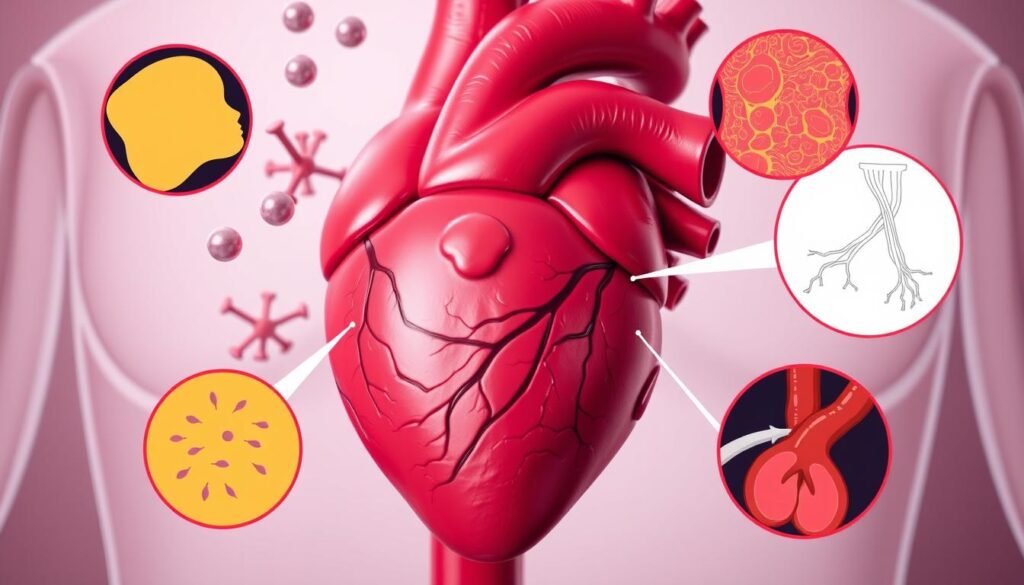
Association with Cardiovascular Disease
Ignoring high cholesterol can cause atherosclerosis. This is where plaque builds up in arteries. It raises the risk of serious heart problems, including:
- Heart attacks, arising from blocked arteries
- Strokes, which occur when blood flow to the brain is obstructed
- Peripheral vascular disease, restricting blood flow to limbs
Maintaining a healthy lifestyle with regular check-ups can lower these risks. This advice is from the National Heart, Lung, and Blood Institute. Even if genetics play a role, knowing the signs of high cholesterol and its impact is key for staying healthy.
Diagnosing Hypercholesterolemia
Diagnosing hypercholesterolemia starts with a cholesterol test. This process spots people at risk for heart diseases. Doctors recommend testing for kids between 9 to 11 years old. This helps catch and manage any problems early on.
Cholesterol Screening Procedures
A cholesterol test checks different fats in the blood. This includes total cholesterol, LDL and HDL cholesterol, and triglycerides. Before the test, you shouldn’t eat or drink for 9 to 12 hours. Knowing what the cholesterol numbers mean is crucial.
Good cholesterol levels are total cholesterol under 200 mg/dL and LDL below 100 mg/dL. HDL should be over 40 mg/dL. These numbers help understand your heart health.
Blood Test Interpretation
Reading cholesterol test results means looking at your health and family history. Some guidelines focus on testing kids and young adults. This is especially true if high cholesterol runs in the family.
However, not all doctors do these tests as they should. This makes it hard to spot hypercholesterolemia early. The U.S. Preventive Services Task Force found that testing all kids under 20 isn’t fully backed by evidence.
Still, correct test interpretation helps doctors prevent or treat heart problems. They can suggest medication or lifestyle changes if needed. More info on cholesterol tests is at the Mayo Clinic website. It’s also important to keep HDL cholesterol healthy for your heart. To learn more about HDL, visit Easy Heart Boost.
Managing High Cholesterol Levels
To manage high cholesterol well, it’s important to make both lifestyle changes and follow dietary recommendations. To get cholesterol levels right, a mix of good habits is key. These habits not only help with cholesterol but also improve your overall health.
Lifestyle Changes for Lowering Cholesterol
Being active is crucial for managing cholesterol levels. Try to get at least 150 minutes of moderate exercise every week. This helps lower the bad LDL cholesterol. Keeping a healthy weight is also important for your heart.
Quitting smoking makes a big difference too. One year after you stop smoking, your heart disease risk drops a lot.
Dietary Recommendations
Eating right is key to lowering cholesterol. A diet with lots of fruits, veggies, whole grains, and healthy fats is beneficial. Eating foods high in omega-3 fatty acids, like fatty fish, helps the heart.
The 2015-2020 Dietary Guidelines for Americans suggest eating less saturated fat and avoiding trans fats. Adding soy foods and whey protein to your diet helps with cholesterol levels.
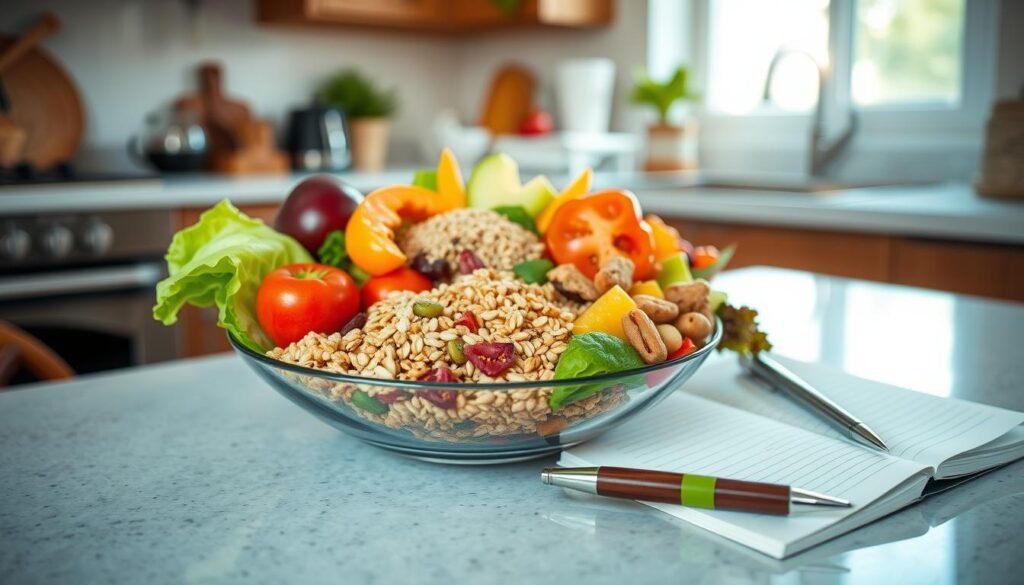
By following these lifestyle changes and dietary recommendations, you can manage cholesterol better. This lowers the risk of heart diseases in the long run.
Medications for Hypercholesterolemia
When lifestyle changes aren’t enough, doctors may suggest medications for hypercholesterolemia. These drugs are key to managing cholesterol levels and lower heart disease risks.
Types of Cholesterol-Lowering Medications
There are many choices for those with high cholesterol. Some key cholesterol-lowering drugs include:
- Statins: Such as Atorvastatin (Lipitor) and Rosuvastatin (Crestor), lower LDL up to 60% and may increase HDL.
- Ezetimibe: Known as Ezetimibe (Zetia), cuts LDL by about 20%.
- Bile Acid Sequestrants: For example, Cholestyramine (Prevalite), lowers LDL by 10-30%.
- PCSK9 Inhibitors: Drugs like Alirocumab (Praluent) and Evolocumab (Repatha) can lower LDL by 50-60%, great for those who can’t take other drugs.
- Fibrates: Medications such as Fenofibrate (Antara) and Gemfibrozil (Lopid) lower triglycerides and mildly reduce LDL.
- Niacin: This B vitamin decreases LDL and triglycerides but must be used carefully, especially in diabetics due to side effects.
- Omega-3 Fatty Acids: Available in prescriptions like Lovaza, they reduce triglyceride levels.
Potential Side Effects
Cholesterol medicines can greatly improve health but might have side effects. It’s crucial to talk to your doctor about these risks. Common side effects include:
- Muscle pain or weakness
- Digestive problems like bloating or diarrhea
- Liver damage, needing regular checks
Medicines such as statins may react with grapefruit, causing more side effects. Always follow your doctor’s advice for using these drugs safely.
| Medication Type | Effect on LDL | Effect on Triglycerides | Effect on HDL |
|---|---|---|---|
| Statins | Lower by up to 60% | Lower significantly | Increase by 5-10% |
| Ezetimibe | Lower by 20% | Slightly | Slightly lower |
| Bile Acid Sequestrants | Lower by 10-30% | Minimal effect | May slightly increase |
| PCSK9 Inhibitors | Lower by 50-60% | Minimal effect | Variable effect |
| Fibrates | Modest decrease | Lower significantly | Increase slightly |
| Niacin | Lower | Lower | Increase significantly |
| Omega-3 Fatty Acids | No effect | Lower | May increase |
Prevention Strategies for Healthy Cholesterol
Maintaining healthy cholesterol levels is essential for good health. Prevention focuses on diet, weight, and exercise. Taking steps early can greatly reduce hypercholesterolemia risks. Healthy cholesterol strategies include a balanced diet and regular exercise.
Healthy Eating Habits
Healthy eating is key to managing cholesterol. Important dietary tips include:
- Limit saturated and trans fats in processed foods and fatty meats.
- Eat lean meats, seafood, whole grains, fruits, and vegetables.
- Increase soluble fiber intake to 10 to 25 grams a day.
- Use plant stanols and sterols at 2 grams daily to block cholesterol.
- Keep daily sodium under 2,300 milligrams for heart health.
- Aim for less than 200 mg of cholesterol each day.
These dietary changes help maintain cholesterol and lower heart disease risks. More information is available at the CDC.
Physical Activity Recommendations
Staying active is crucial against high cholesterol. The American Heart Association suggests:
- Exercising 30 minutes on most days.
- 40 minutes of moderate to vigorous activity three to four times weekly.
Losing 5 to 10 percent of weight can cut cardiovascular risk. Regular exercise reduces cholesterol and boosts heart health. Personalized plans from cardiovascular risk programs can help.

Using these strategies and getting cholesterol checks after 20 boosts long-term health. Keeping up with these habits promotes healthier cholesterol.
Living with Hypercholesterolemia
Living with hypercholesterolemia means managing your health closely. You must work to keep your cholesterol low and your heart risk down. Finding support from doctors, nutritionists, and family can really help when following treatment plans.
Coping with Diagnosis
Being told you have hypercholesterolemia can feel scary. It’s vital to learn about the condition and how to handle it. Here are some tips:
- Educate yourself on hypercholesterolemia and what it could mean for you.
- Work with medical experts to create a treatment that’s right for you.
- Look for support from loved ones or groups who understand what you’re going through.
- Keep up with new studies and ways to manage your cholesterol.
Regular Monitoring and Care
Keeping an eye on your cholesterol is key to managing hypercholesterolemia. Regular doctor visits allow for adjustments to your care routine. This includes:
- Seeing your healthcare provider often for blood tests.
- Watching your cholesterol numbers and knowing what they mean.
- Changing your lifestyle as your healthcare team suggests.
- Taking medications like statins if they’re part of your plan.
By following these steps, you can take control of your health. Early diagnosis and consistent monitoring are crucial. They lead to better health and a happier life.
| Key Practices | Description |
|---|---|
| Education | Learn about your condition and its dangers. |
| Support System | Get help from professionals and loved ones. |
| Regular Check-Ups | Keep a close watch on your cholesterol. |
| Lifestyle Adjustments | Make changes to diet and exercise habits. |
Conclusion
It’s important to understand hypercholesterolemia to manage and prevent high cholesterol. Around 90 to 95% of people with it are not diagnosed. This makes spreading awareness vital. More than 31% of adults in the U.S. have high LDL cholesterol. This doubles their risk of heart disease. By getting screened and treated early, people can keep their cholesterol at healthy levels.
Lifestyle changes are key to managing cholesterol, but medications like statins can also help. These drugs significantly lower LDL cholesterol. For people with familial hypercholesterolemia, it’s crucial to monitor cholesterol regularly. Staying true to treatment plans is also important. There’s a big need for strategies that help patients and improve heart health.
Adopting heart-healthy habits and following doctor’s advice helps lower cholesterol risks. Being informed and careful improves not only cholesterol but also overall health. With the right habits and medical care, people can better their heart health and well-being.