A study with over 36,000 people showed a 50-80% higher risk of heart disease death for those with LDL and non-HDL cholesterol over 160 mg/dL. This shows why it’s vital to watch high non-HDL cholesterol levels. They are key in spotting potential heart problems.
Non-HDL cholesterol includes all but the “good” cholesterol, HDL. Knowing and managing these levels can greatly affect heart health. Diet, exercise, and managing stress play big roles in controlling cholesterol. It’s key to understand non-HDL cholesterol’s effects.
We’ll look at why non-HDL cholesterol levels matter, how to check them, and how to boost heart health. High non-HDL cholesterol raises heart disease risks. It shows why regularly checking and making healthy lifestyle changes are crucial. For more, please visit this resource.
Key Takeaways
- High non-HDL cholesterol levels are a significant predictor of cardiovascular health risks.
- Regular monitoring of cholesterol levels is essential for early detection and management of heart disease.
- Healthy lifestyle changes can help lower non-HDL cholesterol levels effectively.
- Understanding the different types of cholesterol is crucial for comprehensive heart health.
- Discussing cholesterol results with healthcare providers can guide effective treatment plans.
What is Non-HDL Cholesterol?
Non-HDL cholesterol includes all cholesterol types in your blood that are not HDL. These types of cholesterol can be harmful when their levels are too high. It’s a key measure for understanding the risk of heart problems. To find your non-HDL level, subtract your HDL (good cholesterol) from your total cholesterol number. This gives a clear picture of your heart health.
Overview of Cholesterol Types
It’s important to know the different kinds of cholesterol to keep your heart healthy. There are a few main types:
- LDL Cholesterol: This is the “bad” cholesterol. High levels of LDL lead to buildup and blockages in the arteries.
- HDL Cholesterol: HDL is the “good” cholesterol. It helps remove other cholesterol from your blood vessels, reducing heart disease risk.
- Triglycerides: These are another type of fat in your blood. High levels can raise heart disease risk, especially in women.
The ideal non-HDL cholesterol level depends on your age. People 19 and under should aim for less than 120 mg/dL. If you’re 20 or older, it’s best to keep it under 130 mg/dL. Adults, especially men between 45 and 65 and women from 55 to 65, should get cholesterol checks regularly. This helps track the different cholesterol types and overall heart health.
The Importance of Monitoring Cholesterol Levels
Keeping an eye on cholesterol is crucial for heart health. With regular cholesterol testing, you can spot issues early on. This makes it easier to deal with high cholesterol before it becomes a bigger problem. High non-HDL cholesterol levels are a red flag for heart disease, more so than normal LDL levels.
Experts advise starting cholesterol checks at 20 years old. Men and women should get tested every five years. Once you hit 45 to 65, or if you’re a woman aged 55 to 65, test every 1 to 2 years. After 65, get your cholesterol checked every year. This is because high cholesterol is linked to heart disease. Heart disease is the top killer in the U.S.
High triglycerides can also increase heart disease risk, especially in women. Regular tests give a detailed look at your cholesterol over time. This lets your doctor recommend diet changes or medicine if needed. Catching related risks like obesity, diabetes, or high blood pressure early is key. It means you can start making healthier choices sooner.
Understanding HDL and LDL Cholesterol
Learning about HDL and LDL cholesterol is key for good cholesterol health. These types play unique roles in our bodies and affect heart health in big ways. Knowing what they do helps us choose better foods and lifestyles.
The Role of HDL Cholesterol
HDL cholesterol is known as the “good” cholesterol. It picks up excess cholesterol from blood and takes it back to the liver to be removed. This process stops plaque from forming in arteries, reducing heart disease and stroke risk.
An optimal HDL level is 40 mg/dL or more for males and 50 mg/dL or more for females. Reaching these levels boosts cholesterol health.
The Role of LDL Cholesterol
LDL cholesterol, on the other hand, is the “bad” cholesterol. It makes up most of the body’s cholesterol. High levels of it can lead to serious health problems.
Too much LDL causes plaque to build up in arteries, making them narrow. This ups the chances of heart attacks and strokes. Keeping LDL under 100 mg/dL is best for heart health.
How is Non-HDL Cholesterol Calculated?
Non-HDL cholesterol is vital for assessing heart health. The non-HDL calculation involves taking total cholesterol and subtracting HDL cholesterol. This simple formula reveals the cholesterol types that are bad for health.
The cholesterol testing process starts with a lipid panel. It’s a common blood test. It measures different cholesterol types, such as total, HDL, LDL, and triglycerides. Knowing these numbers helps identify heart disease risks.
Doctors have set ideal levels for managing cholesterol. Non-HDL levels should be under 130 mg/dL. Following this, along with lifestyle changes, lowers heart disease chances. Being aware of the calculation and its effects helps with health care.
Why are High Non-HDL Cholesterol Levels Concerning?
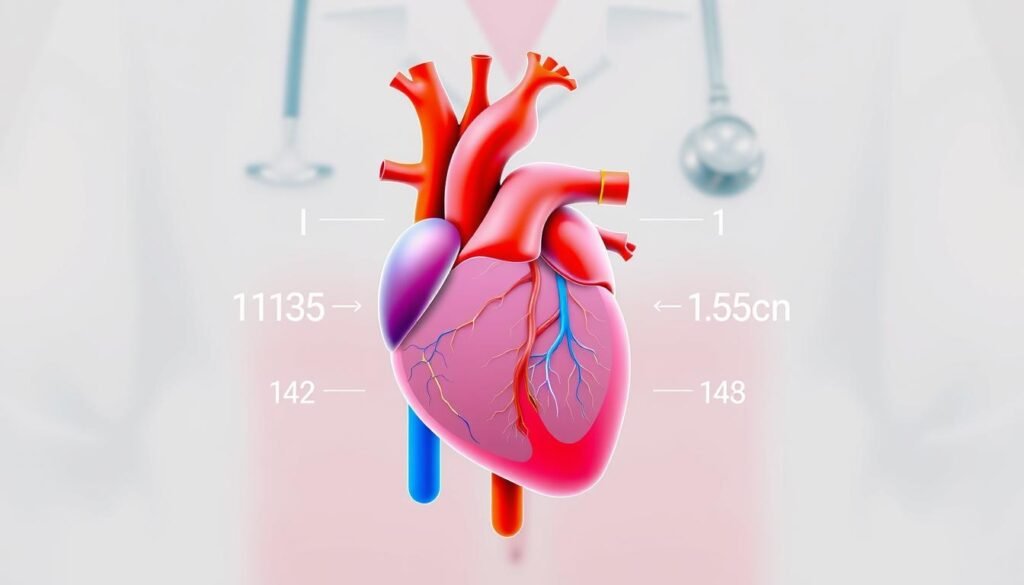
High non-HDL cholesterol levels mean there’s a buildup of bad lipoproteins like LDL and VLDL in our blood. This can lead to serious heart problems, including heart attacks and strokes. Studies have shown that checking non-HDL cholesterol is a better way to understand heart disease risks than just looking at LDL levels.
Being overweight, not exercising enough, and having metabolic issues such as diabetes can increase non-HDL cholesterol. For example, being overweight makes LDL particles smaller and denser, which is worse for your heart. Not moving enough also raises ‘bad’ cholesterol, making heart issues more likely.
Conditions like hypothyroidism and kidney disease can also make non-HDL cholesterol levels go up. Hypothyroidism can cause more LDL in your blood, while kidney disease can make it hard to get rid of VLDL. This is why it’s important to get your blood checked regularly, especially if you have these risk factors.
Knowing about these factors helps in keeping our hearts healthy. Below is a table showing the best levels for different types of cholesterol, highlighting the importance of controlling non-HDL levels.
| Cholesterol Type | Optimal Levels (mg/dL) |
|---|---|
| Total Cholesterol | Less than 200 |
| LDL Cholesterol | Less than 100 (optimal) |
| HDL Cholesterol (Men) | Above 40 |
| HDL Cholesterol (Women) | Above 50 |
| Non-HDL Cholesterol Goal | 30 mg/dL higher than LDL goal |
| Triglycerides | Below 150 |
Dealing with high non-HDL cholesterol concerns can make a big difference to your health over time. If your levels are high, it’s key to keep an eye on them and change your lifestyle to lower your risk of heart disease.
What Do High Non-HDL Cholesterol Levels Indicate?
High non-HDL cholesterol levels are key in checking heart health. They show a bigger chance of heart diseases. This may be due to bad eating habits, not exercising, or genes that affect fats in blood. Knowing about non-HDL cholesterol helps doctors plan how to take care of it.
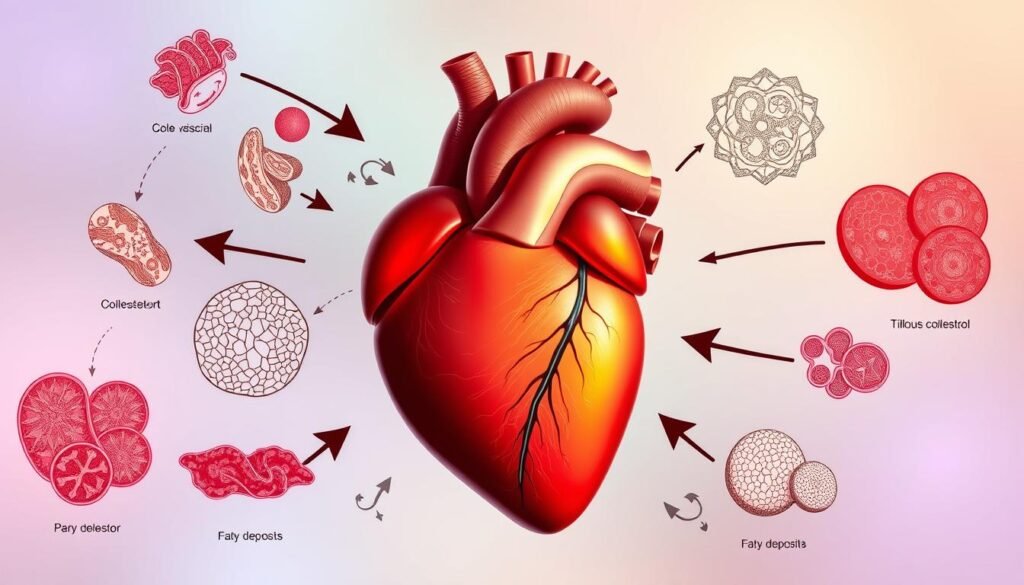
High cholesterol means more than just numbers. It can lead to plaque in blood vessels, raising heart disease and stroke risks. It’s crucial to keep an eye on cholesterol. For heart health, it’s good to have non-HDL cholesterol levels no more than 30 mg/dL over LDL cholesterol goals.
Lifestyle changes are important for managing high non-HDL cholesterol. Eating heart-healthy foods and exercising can change cholesterol levels a lot. People should also get regular checks and talk to doctors about managing cholesterol well. Taking these steps can lower the risks that come with high cholesterol.
Knowing about high non-HDL cholesterol lets people act to improve their health. Being informed about your cholesterol can help manage heart disease risks. This leads to a healthier way of living.
Non-HDL Cholesterol and Cardiovascular Risk
High non-HDL cholesterol levels are key for assessing heart risk. A target under 130 mg/dL is best for most. If it’s higher, the risk of heart disease goes up, so keeping track is vital.
Studies with thousands of participants link high non-HDL cholesterol to heart problems. If levels reach 190 mg/dL or more, the risk for heart events jumps. Looking at cholesterol ratios—total cholesterol divided by HDL—helps understand heart health better.
Getting your cholesterol checked regularly is crucial for heart risk management. Being proactive and knowing your numbers helps in staying on top of heart health. Tracking non-HDL cholesterol not only predicts heart disease but highlights overall health issues. For detailed info on cholesterol tests, check out this resource.
| Non-HDL Cholesterol Level (mmol/L) | Adjusted Hazard Ratio for ASCVD | Adjusted Hazard Ratio for All-Cause Death |
|---|---|---|
| < 1.7 | 1.1 (0.9–1.3) | 1.0 (0.9–1.1) |
| 1.7 – 2.1 | 1.4 (1.1–1.7) | 1.2 (1.1–1.4) |
| 2.2 – 2.6 | 1.8 (1.4–2.4) | 1.4 (1.2–1.7) |
| >= 2.7 | 1.8 (1.4–2.4) | 1.4 (1.2–1.7) |
Recognizing the Signs of Lipoprotein Disorders
Lipoprotein disorders often don’t show clear cholesterol symptoms early on. This makes regular cholesterol checks essential for spotting them early. People with a family history of heart disease should pay extra attention. Blood tests showing abnormal lipid levels can hint at possible disorder.
Signs on the body, like xanthomas, which are cholesterol deposits on the skin, may appear. Spotting these signs of lipoprotein disorders early helps prevent serious health issues later.
Knowing what contributes to dyslipidemia is crucial. Conditions such as diabetes, obesity, and poor lifestyle choices can worsen it. With familial hypercholesterolemia affecting 1 in 500 people, there’s a clear need for increased awareness and testing.
Early detection of subtle signs can help manage the disorder. This can improve health and lessen the risk of severe diseases like atherosclerotic cardiovascular disease (ASCVD).
| Lipoprotein Disorder | Prevalence | Typical Symptoms |
|---|---|---|
| Familial Hypercholesterolemia | 1 in 500 | Often asymptomatic; may have familial history |
| Familial Hypertriglyceridemia | 1 in 500 | May present with skin lesions |
| Familial Combined Hyperlipidemia | 1 in 100 | Elevated cholesterol levels in blood tests |
| Familial Dysbetalipoproteinemia | 1 in 10,000 | Possible xanthomas, elevated lipids |
| Secondary Dyslipidemia Causes | 28% of new patients | Symptoms vary with underlying condition |
Dietary Changes to Manage Non-HDL Cholesterol
Changing your diet can improve heart health and overall wellness. It’s good to eat less saturated and trans fats. These fats raise bad cholesterol levels. The American Heart Association says to get less than 7% of daily calories from saturated fats.
Eating more fiber helps too. Try for 10-25 grams of soluble fiber a day to block cholesterol. Good sources of soluble fiber are:
- Oats
- Beans
- Fruits like apples and oranges
- Vegetables
Eat more unsaturated fats too. Foods like nuts, avocados, and fatty fish are good choices. They have omega-3 fatty acids. These fats lower bad cholesterol and triglycerides.
Keep cholesterol under 200 mg a day to lower levels. Watch how much salt you eat, aiming for less than 2,300 milligrams daily. This helps lower heart disease risks. Drink alcohol in moderation, no more than two drinks a day for men and one for women.
| Dietary Component | Recommendation |
|---|---|
| Saturated Fats | Less than 7% of daily calories |
| Cholesterol | Less than 200 mg per day |
| Fiber Intake | 10-25 grams of soluble fiber daily |
| Sodium Intake | No more than 2,300 mg per day |
| Alcohol Consumption | Max 2 drinks/day (men), 1 drink/day (women) |
Following these dietary tips for non-HDL cholesterol makes a big difference. A balanced diet boosts wellness. It also helps your body fight heart disease.
Lifestyle Modifications to Reduce Cholesterol Levels
Making changes in your lifestyle is key to controlling cholesterol. By adopting effective strategies, you can greatly improve your cholesterol levels. This also leads to better heart health.
Working out and maintaining cholesterol levels are closely linked. Just 30 minutes of activity most days can increase good cholesterol (HDL). At the same time, it reduces bad cholesterol (LDL). Following the American Heart Association’s advice of 150 minutes of moderate exercise weekly is doable for many.
Altering your diet is vital for managing cholesterol. Cutting down on saturated fats is shown to lower LDL cholesterol. The FDA’s removal of trans fats from partially hydrogenated vegetable oils also helps.
Eating foods high in omega-3 fatty acids supports your heart. Salmon and flaxseeds are great sources. Dairy products with whey protein also help by reducing LDL and overall cholesterol.
Keeping a healthy weight is crucial. Small weight losses, from changing your diet and exercising more, benefit your cholesterol. Stopping smoking significantly increases your good cholesterol. This decreases the risk of heart disease in just a year.
Drinking alcohol in moderation might boost your HDL cholesterol levels. Yet, it’s not suggested for non-drinkers. These various lifestyle changes offer a full plan for better heart health.
| Lifestyle Modification | Effect on Cholesterol |
|---|---|
| Regular Exercise | Increases HDL cholesterol, lowers LDL cholesterol |
| Dietary Changes (reducing saturated fats) | Lowers LDL cholesterol levels |
| Omega-3 Fatty Acids | Reduces blood pressure, supports heart health |
| Whey Protein | Lowers LDL cholesterol and total cholesterol |
| Smoking Cessation | Improves HDL cholesterol quickly |
| Weight Management | Can lower cholesterol levels |
Medications for Managing High Non-HDL Cholesterol
For many people, just changing lifestyle isn’t enough to lower high non-HDL cholesterol. That’s when medications become important. Statins are the most common type. They greatly reduce LDL and triglycerides and can also raise HDL cholesterol a bit.
Cholesterol absorption inhibitors, like Ezetimibe, are another option. They reduce LDL, cut down triglycerides some, and help HDL levels go up. For those who need stronger action, PCSK9 inhibitors are there. They’re especially for people with certain genetic issues or who can’t handle usual drugs for lowering cholesterol.
The table below outlines common medications for managing high non-HDL cholesterol along with their benefits:
| Medication Class | Effects on LDL | Effects on HDL | Effects on Triglycerides |
|---|---|---|---|
| Statins | Decreases | Increases slightly | Decreases |
| Cholesterol Absorption Inhibitors (Ezetimibe) | Decreases | Increases slightly | Decreases |
| Fibrates (Fenofibrate, Gemfibrozil) | Modestly decreases | Increases | Decreases |
| Niacin | Decreases | Increases | Decreases |
| Omega-3 Fatty Acids (Lovaza, Omacor) | No significant change | Potential increase | Decreases |
| Combination Medications (Ezetimibe-simvastatin) | Decreases | Increases | Decreases |
Medications for cholesterol can really help, but they work differently for each person. For the best outcome, combine them with eating well and exercising regularly.
Conclusion
It’s key to know about high non-HDL cholesterol for heart health. People with high levels face more risk of heart issues. This includes stroke and heart attacks. High non-HDL can seriously up the risk compared to lower levels. So, it’s crucial to watch and manage it well.
Managing cholesterol well means getting tested often. It also means changing how you live and what you eat. For some, meds are also needed to keep cholesterol in check. Taking steps early helps lower the risk of heart problems. This brings us closer to healthier cholesterol levels.
So, dealing with high non-HDL cholesterol is a must for heart health. Making smart choices helps people manage their health better. This leads to fewer heart diseases. Being informed and dedicated to wellness makes a big difference.