Did you know the food industry spends over $10 billion yearly on snack ads? This massive amount points to the big impact marketing has on what we choose to eat. It also affects our cholesterol levels. So, it’s key to know about food cravings and cholesterol for a healthy life.
Food cravings mean more than just wanting something tasty. For instance, women often crave sweets, while men go for savory stuff. These cravings might tell us about changes in our bodies or missing nutrients. They could also show how stress affects us. Since high cholesterol is linked to heart disease, paying attention to cravings is important.
In this piece, we will explore how cravings and cholesterol are connected. We’ll see how understanding these cravings can help us eat better. For more on how diet affects cholesterol, check out this complete guide.
Key Takeaways
- Food cravings can point to health issues, like cholesterol.
- Women usually want sweet foods, while men prefer savory ones.
- Stress and hormones have a big effect on what foods we crave.
- Having a regular sleep schedule keeps hunger hormones in check.
- Making good food choices helps manage both cravings and cholesterol.
Introduction to Food Cravings
Food cravings are felt by more than 90% of people around the world. They happen when the brain thinks it will get more calories than it actually does. This leads to a strong urge to eat, affected by different body and mind factors.
Why we crave certain foods can vary from person to person. Culture, stress levels, and how much money we have can change what we crave. For example, a study in 2012 found that people dieting wanted unhealthy foods more than those not on a diet. Being told not to eat certain foods can actually make us want them more.
Being really stressed or not sleeping well can make cravings worse. A study with 619 people showed that stress greatly affects what we eat. Not getting enough sleep makes people, especially women, feel hungrier.
Cravings show the complex interplay between our bodies and minds. They can be about needing nutrients or our brain’s effect on our eating habits. Understanding and managing cravings can help us eat better and control our weight.
Understanding Food Cravings and Cholesterol
Food cravings show what your body may lack and can hint at health issues, like cholesterol problems. Identifying these cravings helps us choose foods wisely. By understanding the link between food cravings and cholesterol, we can eat better to stay healthy.
Connection Between Cravings and Cholesterol Levels
Cravings often tell us about our body’s needs. Wanting high-fat foods might mean you need energy or have low cholesterol. But this can lead us to choose processed foods with bad fats. These choices can make cholesterol levels spike, risking our health.
How Diet Influences Cravings
What we eat changes our cravings. Eating healthy foods can lessen the want for sugary or salty snacks. If you’re low on iron, chromium, or magnesium, you might crave sweets. This shows how diet affects cravings and health.
To manage cravings, try dealing with stress better, eating regularly, and choosing a balanced diet. Changing what you eat can improve cravings and help with cholesterol.
Physical Causes of Food Cravings
Figuring out why we crave certain foods is key to controlling them. Our bodies and hormones play a big part in these cravings. They are often due to changes in our hormones or blood sugar levels. Knowing what sets off our cravings helps us eat better and feel better, too.
Hormonal Imbalances: Leptin and Ghrelin
Hormones have a big role in making us want certain foods. Leptin tells our brain when we’re full, and ghrelin makes us feel hungry. Not sleeping enough can make us crave sweet or fatty foods because it messes with these hormones. Women might crave sugar more before their period because of hormone shifts.
Impact of Sleep on Cravings
Sleeping well keeps our hunger hormones in check. If we don’t sleep enough, we might want more sugary or fatty snacks. This happens because sleep loss affects our levels of ghrelin and leptin. Stress and not drinking enough water can also make us crave salty and fatty foods. In the U.S., lots of people eat too much salt because of these reasons. So, good sleep and staying hydrated help us make healthier food choices.
Blood Sugar Levels and Food Choices
Our blood sugar level has a big impact on what foods we want. If we skip meals or eat too many simple carbs, our blood sugar drops. This can make us crave sugary foods. Some people might crave sugar more if they lack certain nutrients, like iron or magnesium. Eating regularly helps keep our blood sugar steady. This stops those unhealthy cravings in their tracks and tackles the root cause.
Mental Triggers for Food Cravings
Understanding what causes food cravings is key to better eating habits. Stress is a big reason we crave unhealthy foods. When we’re stressed, our bodies make more cortisol. This hormone makes us want comfort foods. Studies show that most people have food cravings, especially when stressed.
Stress and Its Role in Cravings
Stress affects our hunger. A study in 2015 linked chronic stress to wanting more food. It also linked stress to gaining weight. To fight cravings, try walking, getting fresh air, or practicing mindfulness. Drinking plenty of water is also important. It can stop you from feeling falsely hungry.
How Mood Affects Food Desires
Our moods change what we want to eat. Depending on how we feel, we may want different foods. Women often want sweet, fatty foods. Men usually like savory snacks. Eating a diet with plenty of protein and fiber can keep moods and cravings steady. For example, Greek yogurt with berries can be a fulfilling, healthy snack.
| Factors | Impact on Cravings | Recommendations |
|---|---|---|
| Stress | Increases cravings for comfort foods | Engage in stress-relief activities, stay hydrated |
| Mood | Influences types of foods craved | Incorporate mood-stabilizing snacks |
| Sleep | Insufficient sleep raises appetite | Aim for at least 7 hours per night |
| Food Exposure | Triggers cravings through visual stimuli | Modify home environment to reduce temptations |
The Science of Sugar Cravings
Sugar cravings are intriguing and link to the brain’s reward system. Eating sugar boosts serotonin and endorphins. These chemicals briefly improve mood. This can lead to a cycle of seeking sweets for happiness.
Why We Crave Sweets
Many factors explain our sweet cravings. For example, low blood sugar can make us want high-carb foods. Stress also influences cravings. It triggers cortisol, pushing us towards sugary snacks. Knowing these triggers can help control sugar urges.
Effects of Sugar on Cholesterol Levels
Eating too much sugar affects cholesterol. Studies link high sugar intake to increased cholesterol levels. This raises heart disease risks. People often ignore the sugar effects on cholesterol for momentary satisfaction. For managing cravings, useful sources like this guide can offer insights.
Understanding Salt and Fat Cravings
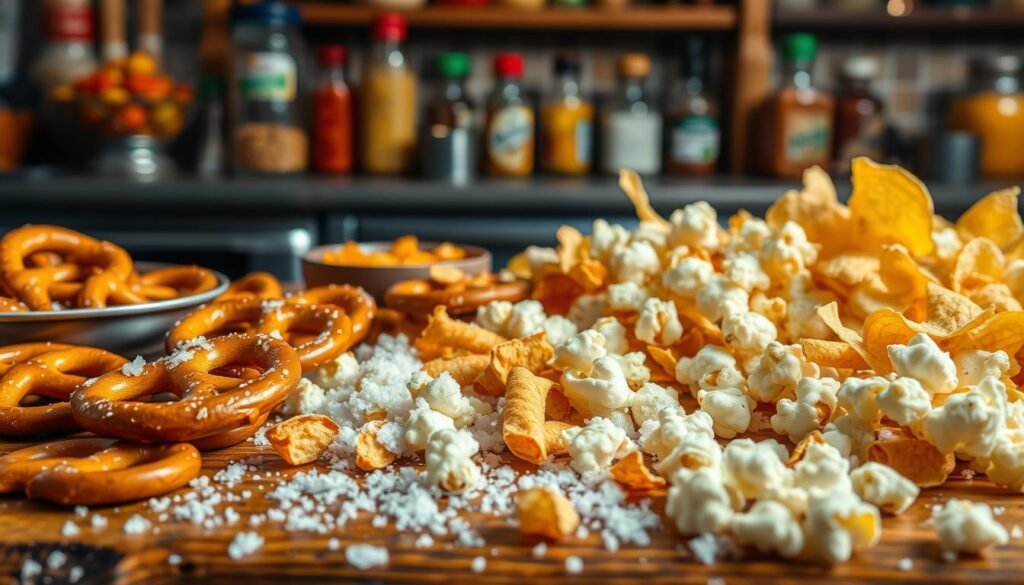
People often crave salt and fat, and these cravings can have many causes. Knowing why can help us make better food choices. Cravings for salt may come from our bodies’ needs or our minds’ desires, while fat cravings are usually about energy and taste.
What Causes Salty Cravings?
It’s not uncommon to crave salty foods at times. Here’s why it might happen:
- Stress: Stress can make us want more food due to increased cortisol.
- Lack of Sleep: Not sleeping well can mess with our hormones, making us crave salty things.
- Hydration: Sometimes, when we’re dehydrated, we might think we want salt.
- Premenstrual Syndrome: Sweet or salty cravings can spike during PMS for women.
- Boredom: Being bored often leads us to grab salty snacks.
In the U.S., people eat a lot of salt each day, way more than recommended. Most of this comes from processed food. By planning meals, we can manage how much salt we eat. This helps us eat healthier.
Impact of High Fat Foods on Cholesterol
Fat cravings also affect what we eat and our health. Eating a lot of fat can change our cholesterol. Here’s what to remember:
- Types of Fats: Processed foods have saturated and trans fats, which can increase bad cholesterol (LDL).
- Healthier Fats: Omega-3 and monounsaturated fats, like those in fish and avocados, are good for the heart.
- Portion Control: Watching how much we eat can help keep our fat intake and cholesterol in check.
By understanding why we crave fats, we can make smarter eating choices. Balancing our diet with healthier fats can lessen bad effects of high fat foods on our cholesterol.
Nutrition for Cholesterol Control
Learning how to eat for your heart’s health is key. Choosing foods good for your cholesterol makes a big difference to your health. It’s important to eat healthy fats, lots of fiber, and foods full of nutrients to keep cholesterol in check.
Cholesterol-Friendly Foods
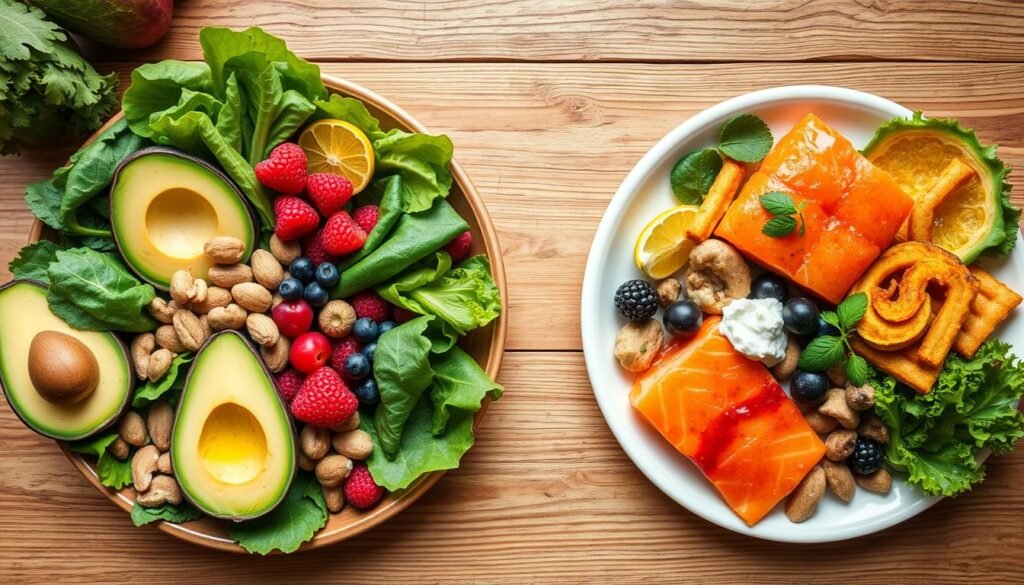
Eating a mix of the right foods can make you healthier. Foods high in fiber are great for lowering bad cholesterol. Here are some great choices:
- Fruits like bananas, apples, oranges, and grapefruits have about 3 grams of fiber each.
- Berries, such as blueberries with 4 grams of fiber per cup, and raspberries with 8 grams per cup.
- Leafy greens, for example, spinach, has 6 grams of fiber per cup.
- Beans are a top source of fiber and a great meat alternative.
- Nuts are full of protein and healthy fats.
Importance of Healthy Fats
Healthy fats are key to beating high cholesterol. Omega-3 fats lower bad cholesterol and triglycerides, important for your diet. Using oils like olive, canola, and soybean oil is good. They replace bad saturated fats found in foods high in cholesterol. Stay away from processed meat, sugary treats, and salty snacks to manage cholesterol levels.
Eating plenty of fruits, veggies, whole grains, and healthy fats is essential. This diet reduces heart disease risk and manages cholesterol. Paying attention to food labels and making smart choices while shopping promotes healthy eating habits.
Managing Food Cravings Effectively
To manage food cravings, being aware and using practical methods is key. Knowing what causes your cravings helps you make better food choices. This keeps you away from bad snacking. Let’s explore some strategies to control these cravings.
Strategies for Controlling Cravings
Daily habits can lower how often and strong food cravings are. Here are crucial tactics:
- Stay Hydrated: Drinking enough water helps lessen cravings for unhealthy snacks. It makes choosing healthy snacks easier.
- Physical Activity: A 45-minute walk each morning can cut cravings and boost activity levels.
- Mindfulness: A journal about what triggers your cravings can lead to smarter food choices.
- Eat Slowly: Focusing on the taste and texture of your food helps you feel full sooner. This stops overeating.
Alternatives to Unhealthy Snacks
Finding better snack options is key in handling food cravings. Here are some smart swaps:
| Unhealthy Snack | Healthy Alternative |
|---|---|
| Chips | Air-popped popcorn (100 calories) |
| Chocolate bars | Dark chocolate in moderation (small pieces) |
| Cookies | Greek yogurt with honey and berries |
| Ice cream | Frozen yogurt or blended frozen bananas |
| Sodas | Flavored sparkling water |
These snacks are better for you, low in calories and rich in protein or fiber. By choosing wisely, you can handle cravings well. Keeping hydrated and eating balanced helps you live healthier.
Developing Healthy Eating Habits
Eating healthily is key for good wellness and controlling cravings. It’s smart to eat regular meals to manage hunger. This stops you from getting too hungry, making bad food choices.
Importance of Regular Meals
Eating on schedule keeps your blood sugar stable. It helps cut down on unwanted snacking. People who eat regularly don’t get big appetite swings. Research shows skipping meals often leads to unhealthy snacking. Eating three well-spaced meals with snacks keeps eating habits strong.
Building a Balanced Diet
A good diet has different types of food, giving you all the nutrients you need. Focus on fruits, veggies, whole grains, and lean protein to improve your diet. Here are some tips for eating well:
| Food Group | Recommendations |
|---|---|
| Fruits and Vegetables | Eat at least five servings a day; mix up the colors for more nutrients. |
| Whole Grains | Choose whole wheat or grains for extra fiber, aiding digestion. |
| Protein Sources | Add eggs, Greek yogurt, and chicken without skin for lasting fullness. |
| Saturated Fats | Keep saturated fats below 13 grams daily for healthier blood pressure. |
| Sodium Intake | Limit sodium to under 2,300 mg a day, about a teaspoon of salt, for heart health. |
Regular eating and a balanced diet make for healthy eating habits, it reduces cravings and helps manage cholesterol. Trying new recipes and cooking at home adds variety, making meals tasty and healthy.
Impact of Diet on Cholesterol Levels
Understanding the impact of diet on cholesterol is key to good health. What we eat greatly influences our cholesterol levels. This can affect our risk of heart disease. Foods have different effects on cholesterol due to their fat and nutrients.
How Different Foods Affect Cholesterol
Some foods have a direct impact on our cholesterol and heart health. Foods rich in saturated fats, like fatty meats and full-fat dairy, raise “bad” LDL cholesterol. But, healthy fats found in avocados, nuts, and olive oil boost “good” HDL cholesterol. Here’s a table showing how some foods can change cholesterol levels:
| Food | Effect on Cholesterol |
|---|---|
| Fatty Meat | Increases LDL cholesterol |
| Full-Fat Dairy | Increases LDL cholesterol |
| Avocado | Increases HDL cholesterol |
| Nuts and Seeds | Increases HDL cholesterol |
| Whole Grains | Helps lower LDL cholesterol |
The Role of Fiber in Diet
Fiber plays a huge role in managing cholesterol. Foods high in fiber, like fruits, veggies, legumes, and grains, lower cholesterol. Especially soluble fiber, which grabs cholesterol in our system and stops it from being absorbed. Adding a mix of fiber-rich foods to our diet keeps our heart healthy and helps manage cholesterol. By understanding how diet affects cholesterol, we can make smarter food choices for a healthier life.
Conclusion
Understanding how food cravings and cholesterol relate is key for better health. We can’t ignore their connection. Many studies suggest that managing food cravings helps us eat better. This, in turn, can improve cholesterol levels and overall health.
By eating mindfully, people can choose foods that are good for them long-term. This approach is crucial for a healthy life.
Cravings are influenced by both body and mind. Knowing this helps us choose healthier food. For example, research shows people eating certain diets crave less junk food. Instead, they want more fruits and veggies. Changing what we crave is possible with the right food choices.
Taking action towards healthy eating is essential for cholesterol management and a better life. Being in tune with our craving signals improves our diet and well-being. It’s about making choices that benefit our health in many ways. This leads to not just weight loss but overall health.