About 1 in 5 Americans worry about seafood safety due to common myths. Even though seafood is nutritious, these myths stop many from enjoying it. Misconceptions often come from old fears and practices.
We will look at the truth behind seafood. This includes its benefits for health and the planet. Knowing the facts helps make better choices, for our health and environment. Let’s debunk these myths so everyone can enjoy seafood’s benefits, like omega-3 fats and vital nutrients.
Key Takeaways
- 1 in 5 Americans worry about seafood safety due to common misconceptions.
- Many seafood myths have historical roots that are no longer relevant.
- Seafood is a source of essential nutrients, including omega-3 fatty acids.
- Understanding seafood facts can help promote informed dietary choices.
- Addressing misconceptions can lead to healthier eating habits and responsible consumption.
Introduction to Seafood Myths
Seafood is loved for its tasty flavors and health perks. But, some myths still make people question its safety and nutrients. Outdated ideas stop them from eating this healthy food.
It’s important to know the truths about seafood. This knowledge helps shoppers make smart choices when buying seafood. Clearing up these false beliefs reveals seafood’s real benefits.
In the past 20 years, new laws have aimed to better manage fisheries. They show we’re learning more about how our oceans work. But, we still need to fix the wrong ideas people have.
Seafood offers valuable nutrients, including omega-3 fatty acids, which play a critical role in promoting heart health and brain function.
Many myths come from not understanding fish farms and wild fish. Research says there’s no big difference in safety or nutrients between them. Knowing this lets people enjoy all the good things about seafood.
Understanding the Benefits of Seafood
Seafood is packed with benefits, mainly because it’s full of nutrients. It’s an excellent source of omega-3 fatty acids, which our bodies can’t make enough of. By eating seafood, we get these crucial nutrients directly, boosting our health significantly.
Nutritious Source of Omega-3 Fatty Acids
Omega-3 fatty acids in seafood are linked to many health advantages. The American Heart Association suggests eating fish twice a week for a healthy heart. These acids help decrease inflammation, lower fats in the blood, and improve blood pressure. This can lead to lower heart disease risk. In places like Alaska, the seafood is often free from dangerous toxins, making it a safe option.
Role in Heart Health
Eating fish regularly is great for heart health, research shows. Adding seafood to your diet can reduce the risk of heart attacks and strokes. It’s truly a superfood. Highlighting these facts helps people understand why fish is key to a balanced diet. The FDA is working to make this information more visible at seafood counters. This means better access to seafood’s important nutrients for everyone.
Clarifying misconceptions about seafood
Learning about seafood is essential because of the many myths around it. Clearing up these myths helps people make better choices. They can then enjoy seafood’s health benefits more.
Historical practices and changing guidelines have caused some confusion. But understanding the truth about seafood can greatly better our health and nutrition.
Why Myths Persist
Seafood truths are often hidden behind old myths. People tend to believe old stories more than current research. This stops them from enjoying seafood.
Hearsay makes it tough to show the benefits and safety of modern seafood farming. The benefits of responsible fishing also go unnoticed.
Common Misunderstandings
There are several myths that stop people from understanding seafood’s nutritional value.
- Some think farmed fish don’t match up to wild fish. But farmed seafood can be just as rich in omega-3s and more sustainable.
- Others believe seafood is always high in cholesterol. However, both farmed and wild salmon have healthy protein and cholesterol levels.
- Many assume fish farming is bad for our planet. The truth is, responsible fish farming has little effect on nature.
| Misconception | Fact |
|---|---|
| Farmed fish are less nutritious than wild fish | Both offer similar nutrition, with farmed fish sometimes higher in omega-3s. |
| Seafood is always high in cholesterol | Seafood supports heart health and can be low in unhealthy cholesterol. |
| Aquaculture damages natural habitats | When done responsibly, it hardly impacts the environment. |
| Farmed salmon lacks safety for sushi | Farmed fish can be perfectly safe for sushi, if properly managed. |
It’s crucial to address these myths for a better understanding of seafood. When people know the facts, they make healthier choices. This supports the growth of sustainable seafood practices.
Myth: Only Order Oysters During Months with the Letter ‘R’
Many believe oysters should only be eaten in “R” months due to an old seafood industry myth. This idea came from before we had fridges. Back then, it was safer to eat shellfish from September to April, when the water was cooler. This old way of thinking still affects how we see eating oysters today.
The Origin of the ‘R’ Month Rule
The ‘R’ month rule was meant to keep people safe from illness in warm months. Before we had good ways to keep food cold, eating oysters in summer was risky. But now, this rule is becoming less important.
Modern Practices and Safety
Today, oysters are farmed in cold water and kept cold, making them safe to eat any time. This means we can enjoy oysters all year round, getting rid of old fears. Plus, there are lots of yummy oyster dishes to try, from Oysters Rockefeller to oyster po’boys.
Thanks to new methods, seafood fans can try many dishes without old worries. Oysters are great to have in your meal mix, no matter the time of year.
Myth: Fresh is Always Better than Frozen Seafood
Many people think fresh seafood is always the best choice. They might not know how freezing keeps seafood nutritious and good for our planet. It’s key to see the benefits of frozen seafood for our health and the Earth.
Frozen Seafood Quality
Frozen seafood can be just as nutritious and tasty as fresh. Technologies like flash-freezing help keep the fish, such as salmon, in great shape. This means frozen fish can be as healthy as fresh fish. Research shows that mercury levels in all types of salmon are very low. So, eating frozen salmon is safe.
Sustainability and Budget Benefits
Frozen seafood helps us eat more sustainably. Fresh seafood can go bad quickly, leading to waste. Frozen seafood lasts longer. This means you can buy more at once and reduce waste. Also, farm-raised salmon is usually cheaper than wild salmon. This makes frozen or canned salmon a good choice for your wallet. For more on salmon myths, check out this source.
| Type of Salmon | Omega-3 to Omega-6 Ratio | Mercury Levels (parts per million) | Common Preparation |
|---|---|---|---|
| Wild Salmon | Higher | 0.01 – 0.02 | Baked, Grilled |
| Farmed Salmon | Lower | 0.01 – 0.02 | Pan-Seared, Broiled |
| Canned Salmon | Similar to wild | 0.01 – 0.02 | Salads, Spreads |
The idea that fresh seafood is always best is simply not true. Knowing the benefits of frozen seafood can make us healthier. It also helps us support better use of our planet’s resources.
Accessible Sustainable Seafood Choices
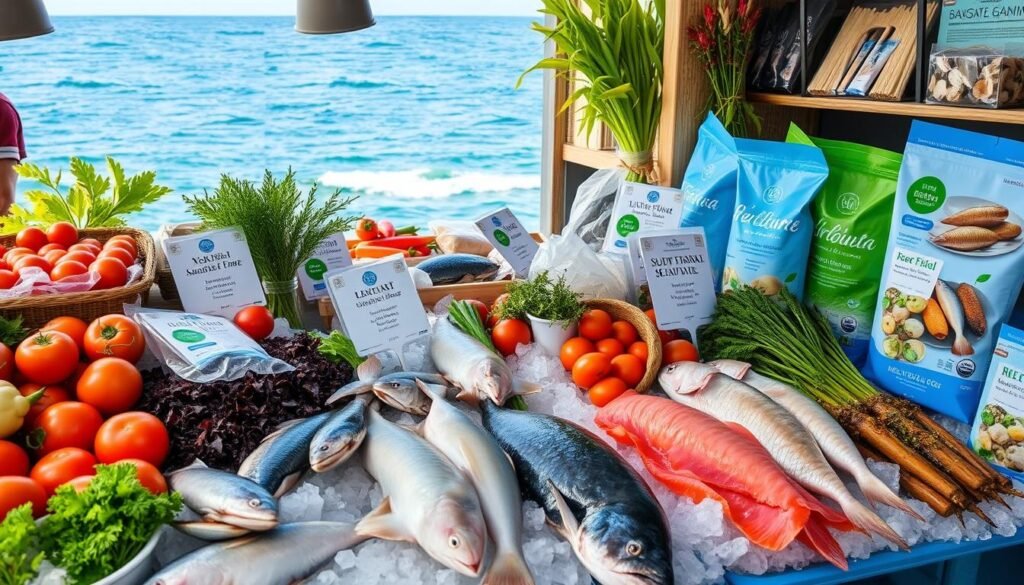
Shopping for seafood can be straightforward and rewarding, especially when equipped with the right knowledge and tools. Sustainable seafood choices are easily accessible through a variety of shopping guides and apps. These are designed to inform consumers about fish populations’ health and the practices behind seafood sourcing.
Using Guides and Apps for Sustainable Shopping
Many guides offer insights into different fish species’ sustainability practices. Now, consumers can use mobile apps that provide updates and rankings of seafood based on environmental impact. These tools help individuals make informed choices, allowing them to select seafood that is both healthy and ethical.
The Importance of Asking Questions at the Seafood Counter
Engaging with employees at the seafood counter is beneficial. By asking questions about the seafood’s origin and sustainability practices, consumers can gain valuable information. They can inquire about certifications like the Marine Stewardship Council (MSC). This shows a trustworthy standard of sustainability. By following these seafood purchasing tips, customers can support healthier oceans while enjoying delicious meals.
| Seafood Type | Sustainability Status | Typical Source |
|---|---|---|
| Salmon | Varies (Wild is better than farmed) | Wild-caught or farm-raised |
| Tuna | Overfished (Look for pole-and-line caught) | Various oceans |
| Cod | Overfished (Seek certified sources) | North Atlantic |
| Shrimp | Varies (Sustainably farmed options available) | Farms or wild |
| Halibut | Best from certified fisheries | North Pacific |
Myth: Seafood Contributes to High Cholesterol
Many people think eating seafood, especially shrimp, raises cholesterol. This myth leads them to avoid shrimp and other healthy seafood. Knowing the true cholesterol content can help us make better food choices.
Understanding Cholesterol Content in Seafood
Looking at shrimp nutrition, we find 100 grams of shrimp has 189 milligrams of cholesterol. This is within the healthy daily limit of 100–300 milligrams. Unlike red meats, shrimp is a lean protein, having less than 0.3 grams of fat per 100 grams, and it’s mainly good fats.
Health Benefits of Shrimp and Other Seafood
Eating shrimp as part of a balanced diet is beneficial. Studies show it can improve HDL, or “good” cholesterol. It may also reduce LDL cholesterol, which is not good for us. Shrimp, rich in omega-3 fatty acids, supports heart health and can help manage cholesterol levels.
Check out this link for more info on including shrimp in a healthy diet.
Myth: All Seafood Contains Dangerous Mercury Levels
Mercury in seafood often causes worry, hiding its health benefits. Not all fish have high mercury levels. Only certain types do. Knowing which fish to eat and how much can help people make smart choices.
Identifying High Mercury Fish
Mercury varies in different fish. High mercury fish like pilot whale, shark, tilefish, king mackerel, and swordfish should be avoided. Meanwhile, salmon and shrimp are safer because they have more selenium. Selenium protects against mercury harm.
Guidelines for Safe Seafood Consumption
The EPA and FDA advise pregnant women to eat no more than 12 ounces (340 g) of fish weekly. This limits mercury but still allows benefits. Studies show eating fish can help children’s development and IQ.
| Fish Type | Mercury Content Level | Selenium Content | Consumption Recommendation |
|---|---|---|---|
| Salmon | Low | High | Safe |
| Shrimp | Low | High | Safe |
| Swordfish | High | Low | Avoid |
| King Mackerel | High | Low | Avoid |
| Tilefish | High | Low | Avoid |
By following safe seafood eating guidelines, people can still enjoy seafood’s health perks. Knowledge about which fish types are safe leads to better choices, keeping seafood safe for everyone.
Farmed vs. Wild-Caught Seafood: The Truth
People often wonder about the best seafood choices. The differences between wild-caught and farmed seafood are important. Fish farming, known as aquaculture, now makes almost half of all seafood we eat. Although there are sustainability worries, farmed seafood has benefits that help wild fish.
The Sustainability Debate
Farmed seafood helps keep biodiversity and fish numbers up. Good farming practices reduce harm to the environment. They focus on what the fish eat and how to keep the water clean. For instance, a lot of shrimp in the U.S. comes from farms. This is shifting how we think about getting seafood. Farmed methods help wild fish and support local jobs too.
When Farmed Seafood is Beneficial
Not all farmed seafood is the same. But, the right methods can produce healthy choices. Most times, farmed fish are as nutritious as wild ones. This includes their protein and other nutrients. Farmed salmon, for example, might be fattier. This makes it taste different. Choosing farmed over wild fish can also protect the environment.
| Type of Seafood | Nutritional Profile | Sustainability Impact |
|---|---|---|
| Wild-Caught Salmon | Lower fat, higher calories | Higher pressure on wild stocks |
| Farmed Salmon | Similar protein, higher fat | Can complement wild fisheries |
| Farmed Shrimp | Rich in nutrients, versatile | Significant source of imports, varied practices |
| Bivalve (Oysters, Clams) | High in protein, low in calories | Lower greenhouse gas emissions |
Choosing farmed seafood can make our food sources more sustainable. It provides nutritious choices and supports the planet. When picking seafood, think about how it’s farmed and its effects on the earth. This way, we help our oceans for the years ahead.
Myth: You Shouldn’t Order Seafood on Mondays
Many people think you shouldn’t order seafood on Monday. This idea comes from old ways of handling fish. Back then, fish markets got their deliveries later in the week. This made people believe that seafood wasn’t fresh on Mondays.
But things have changed a lot since then. We now know more about how fish freshness works. Modern ways of getting and checking seafood quality have improved greatly.
Origins of the Monday Myth
This myth started when how fresh seafood was depended a lot on delivery times. Before, fish came in mainly mid-week or later. People thought this made Monday’s seafood old. But, those days are gone.
Thanks to better transport and logistics, fresh seafood is available any day. We no longer have to worry about the Monday issue.
Current Insights into Seafood Freshness
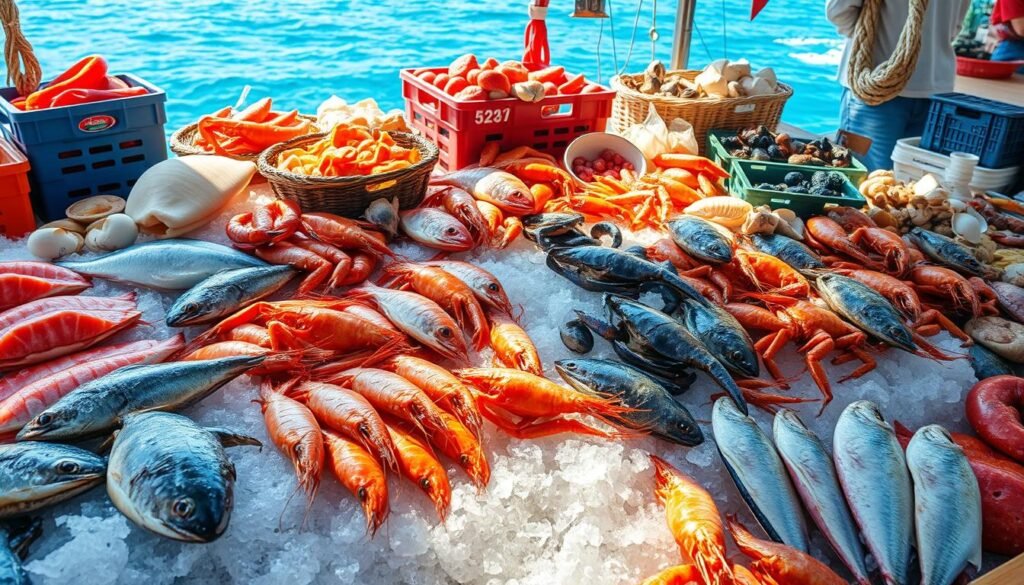
Now, checking seafood quality is a strict process. We look at moisture, smell, and how the seafood looks. These factors help make sure seafood is fresh any day, including Mondays.
Feel free to order seafood on Monday without worry. Our methods ensure it’s always fresh. For more details on seafood quality, check out this source. It highlights how important modern sourcing is for seafood.
| Factors Affecting Seafood Freshness | Indicators of Quality |
|---|---|
| Moisture Content | High moisture indicates freshness |
| Smell | Fresh seafood has a mild ocean scent |
| Posture | Whole fish should appear firm and upright |
| Clear Eyes | Eyes should be bright and clear, not cloudy |
| Source Knowledge | Understanding the origins enhances trust |
Conclusion
Understanding seafood nutrition is key for good diet choices. Knowing the truth helps people see how seafood is good for them. We should replace old views with the benefits of seafood for better health.
Eating healthy seafood is also about picking things that don’t harm the environment. For example, farm-raised mussels and oysters are great. They’re not only healthy but also help our planet and local communities.
Looking for more information on making good seafood choices? There are experts who can help. Their advice opens up a world of tastes and benefits from seafood. To learn more about picking the right seafood, check out this informative guide on choosing fish.