Eating just one cup of cruciferous vegetables every day can cut down chronic disease risk by up to 30%. These superfoods, from the mustard family, include favorites like broccoli, kale, cauliflower, and Brussels sprouts. They are not only full of nutrients but also have compounds that help with liver detox, cancer prevention, and reducing chronic pain.
Cruciferous vegetables are loaded with important vitamins and minerals, vital for our health. Adding them to your daily diet is a tasty way to boost your health. As we go through this article, you’ll learn how changing what you eat can have a big impact on your well-being. For more information, make sure to read this must-read article.
Key Takeaways
- Cruciferous vegetables are linked to a 30% reduction in chronic disease risk.
- They are rich in essential nutrients, including vitamins C, K, and A.
- Daily incorporation of these vegetables can enhance liver detox and support immune function.
- Cooking methods can influence the health benefits derived from cruciferous veggies, particularly in reducing goitrogenic activity.
- Diverse dietary practices, including the consumption of cruciferous vegetables, are essential for optimal health.
Understanding Cruciferous Vegetables
Cruciferous vegetables are key to a healthy diet and are part of the Brassicaceae family. Some common examples are broccoli, cauliflower, Brussels sprouts, kale, and both types of cabbage. These vegetables are full of nutrients and taste great, offering many health benefits.
What makes cruciferous vegetables special is their high glucosinolate levels. When cut or chewed, they release sulforaphane, which may fight cancer. Learning about these vegetables helps us understand their nutritional value and how to use them.
Not only are these veggies low in calories, but they’re also packed with essential nutrients. Just 100 grams provide a wealth of vitamins and minerals, supporting overall health. Here’s how some popular cruciferous vegetables stack up nutrition-wise:
| Vegetable | Calories | Fiber (g) | Vitamin C (mg) | Vitamin K (µg) | Calcium (mg) | Beta-carotene (µg) | Glucosinolates (mg) |
|---|---|---|---|---|---|---|---|
| Broccoli | 39 | 2.4 | 91.3 | 102 | 46 | 93 | 1,297 |
| Cauliflower | 25 | 2 | 48.2 | 15.5 | 22 | 0 | 1,178 |
| Brussels Sprouts | 43 | 3.8 | 85 | 177 | 42 | 450 | 1,013 |
| Kale | 35 | 4.1 | 93.4 | 390 | 254 | 2,870 | 1,206 |
| Chinese (napa) cabbage | 13 | 1 | 45 | 45.5 | 105 | 2,680 | 297 |
| Cabbage | 25 | 2.5 | 36.6 | 76 | 40 | 42 | 1,069 |
Eating cruciferous vegetables can improve heart health, boost the immune system, and even help with weight loss. They make you feel full, which is a plus. Both adults and teens should aim for at least 2.5 cups of veggies per day. Adding these vegetables can really help in achieving your health goals.
Why Cruciferous Vegetables Are Good for You
Cruciferous vegetables are packed with nutrition, making them great for your health. They’re full of vitamins and minerals that help you feel good. Eating these vegetables supports your everyday health and helps prevent diseases.
Rich in Nutrients
Cruciferous vegetables, like broccoli, cauliflower, and Brussels sprouts, are nutrition powerhouses. They’re rich in vitamins C, E, and K and minerals such as calcium and potassium. They’re low in calories but high in fiber, which helps with digestion and keeps you feeling full.
This makes them ideal for anyone looking to maintain or lose weight. They fill you up without adding extra calories.
High in Antioxidants
These vegetables are also loaded with antioxidants. Antioxidants fight oxidative stress in your body. They protect your cells from damage that can cause diseases like cancer and heart problems.
Studies show that eating these vegetables can reduce the risk of these diseases. Including a variety of them in your diet gives you a mix of antioxidants, boosting your health and lifespan.
The Benefits of Cruciferous Vegetables
Eating cruciferous vegetables daily has many health perks. Veggies like broccoli and kale boost well-being. They’re especially good for cleaning out the liver.
Support Liver Detoxification
Cruciferous vegetables play a key role in liver health. They turn on enzymes that flush out bad substances. This helps get rid of toxins and keeps the metabolism strong. Eating these veggies often keeps the liver in good shape. For tips on how to prepare them, check out cooking tips and recipes.
Prevent Cancer
These veggies can also fight cancer. They’re packed with glucosinolates. The body changes these into cancer-fighting compounds like sulforaphane. Studies show eating lots of plants, especially cruciferous types, lowers the risk of cancer. This includes colorectal and breast cancer.
Reduce Chronic Pain
They can also lessen chronic pain. Their anti-inflammatory benefits help with pain relief. This is good news for those with arthritis. Adding these nutrient-rich veggies to your diet improves health.
| Benefit | Description |
|---|---|
| Liver Detoxification | Activates liver enzymes to neutralize toxins. |
| Cancer Prevention | Contains compounds that reduce the risk of cancer. |
| Chronic Pain Reduction | Offers anti-inflammatory benefits, aiding pain management. |
Cruciferous Vegetables and Cancer Prevention
Cruciferous vegetables are key to fighting cancer due to their special nutrients. They have many foods that battle oxidative stress and boost health. Studies have shown these veggies help prevent various cancers.
How They Fight Oxidative Stress
These vegetables are loaded with antioxidants that shield our bodies from harm. Oxidative stress can harm DNA and raise the risk of cancer. Sulforaphane and indoles in these veggies help stop cancer in vital organs.
Experiments with rats and mice show these compounds slow cancer in the bladder, breast, and more. This shows why it’s crucial to eat these veggies regularly.
Key Compounds for Cancer Prevention
Sulforaphane in broccoli is linked to decreasing the risk of prostate and other cancers. Another helpful compound is Indole-3-carbinol, which prevents abnormal cell growth. This evidence comes from studying cervical health.
Even though not all human studies agree, many show eating more of these veggies might lower cancer risk. This suggests a possible link between them and lower cancer rates in some cases.
| Cancer Type | Compound | Findings |
|---|---|---|
| Prostate Cancer | Sulforaphane | Potential reduction in risk with higher vegetable intake |
| Breast Cancer | Indole-3-carbinol | Mixed results; some studies show lower risk |
| Colorectal Cancer | Glucosinolates | No significant association found, except in women |
| Lung Cancer | Isothiocyanates | Varied results; some lower risk in women consuming large amounts |
Top Cruciferous Vegetables to Add to Your Diet
Adding top cruciferous vegetables to your daily meals boosts your nutrient intake. They offer various health benefits. Here are three cruciferous vegetables that should be part of your diet.
Broccoli
Broccoli is a top choice because of its high nutrition. It’s full of vitamins C and K and has lots of fiber. Broccoli has sulforaphane, a compound that helps prevent cancer. You can enjoy broccoli steamed, roasted, or in smoothies for a healthy addition.
Brussels Sprouts
Brussels sprouts, like tiny cabbages, have glucosinolates that help detox the body. They’re loaded with vitamins C and K, fighting inflammation and boosting health. Roasting them or sautéing with olive oil makes them sweet and keeps their nutrients.
Kale
Kale is a superfood packed with vitamins A, C, and K. It has calcium, potassium, and antioxidants that support digestion and may guard against diseases. Kale is great in salads, smoothies, or sautéed dishes, making it easy to add to meals.
| Vegetable | Nutritional Benefits | Preparation Tips |
|---|---|---|
| Broccoli | High in sulforaphane, vitamins C and K, fiber | Steam, roast, or blend into smoothies |
| Brussels Sprouts | Rich in glucosinolates, vitamins C and K | Roast or sauté with olive oil |
| Kale | High in vitamins A, C, K, calcium, potassium | Use in salads, smoothies, or sautéed dishes |
How to Incorporate Cruciferous Vegetables into Your Meals
Adding cruciferous vegetables to daily meals is a tasty way to boost health. Creative cooking methods make it simple to get the most nutrition from these foods. This part will show some fun cooking ways and tasty recipes that highlight cruciferous vegetables.
Creative Cooking Methods
Trying different ways of cooking can make cruciferous vegetables taste better and keep their nutrients. Here are some good techniques to use:
- Roasting: Brings out the natural sweetness and adds a crispy texture. Toss veggies like Brussels sprouts or broccoli with olive oil and seasonings, then bake them.
- Steaming: Helps keep the nutrients, making kale or cauliflower tender without losing vitamins.
- Stir-frying: Fast and flexible, stir-frying lets you mix different veggies with proteins like chicken or tofu for a full meal.
Delicious Recipe Ideas
Trying new cruciferous vegetable recipes is fun and rewarding. Here are some ideas that easily fit into any diet:
- Kale Salad with Chickpeas: Mix fresh kale with chickpeas, cherry tomatoes, and a lemon-tahini dressing for a refreshing meal.
- Cauliflower Rice Stir-Fry: Make a rice alternative from grated cauliflower. Add your favorite veggies and protein for a speedy dinner.
- Roasted Brussels Sprouts with Balsamic Glaze: Oven-roast Brussels sprouts and top with balsamic glaze for a tasty side dish.
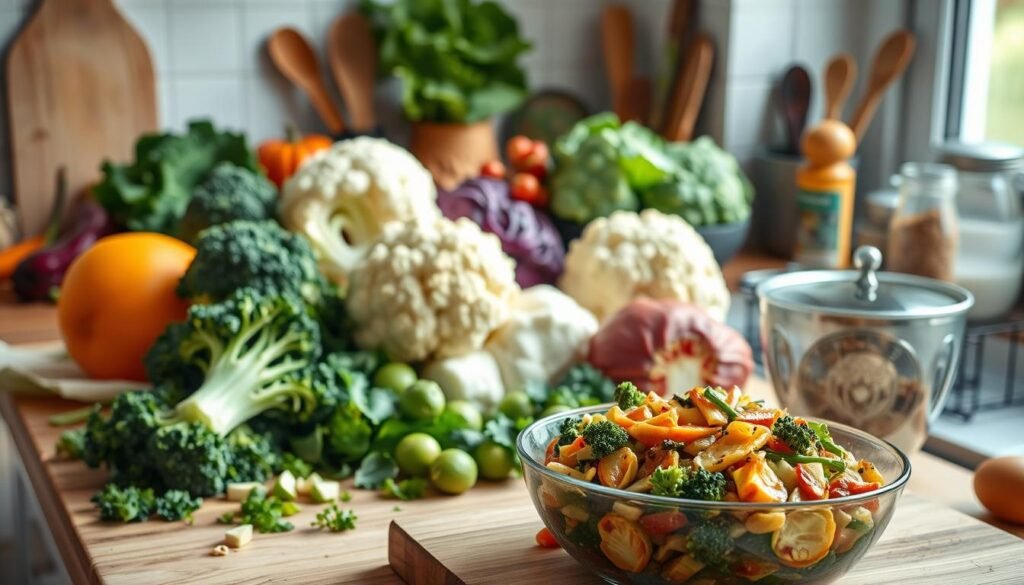
These cooking methods and recipes make it easy to learn about adding cruciferous vegetables to daily meals. Their versatility means there’s a dish for every taste. By mixing flavors and textures, everyone can enjoy the health benefits of these rich foods.
Cruciferous Vegetables for Health: Tips and Tricks
Adding cruciferous vegetables to your diet can boost your health. People often discuss whether to eat them raw or cooked. It’s key to know how cooking changes their nutrition to get the most benefits.
Raw vs. Cooked
Raw veggies like arugula and radishes keep the most nutrients. Cooking changes some benefits, but light steaming preserves compounds like sulforaphane. Chopping them before cooking and resting increases their cancer-fighting abilities. Trying different cooking methods helps find the best way to enjoy these veggies.
Supplementary Foods to Enhance Nutritional Value
Mixing these vegetables with other foods can up their health value. For example, mustard powder makes cooked broccoli healthier and tastier. Below are tips for better cooking and boosting their nutrition:
- Add healthy fats like olive oil or avocado to salads with raw greens to soak up more nutrients.
- Smoothies are great for mixing a variety of greens and veggies, making the good stuff easier for your body to use.
- Eating these veggies with protein-rich foods makes meals more balanced, filling, and healthy.
| Cooking Method | Nutrient Preservation | Recommended Pairing |
|---|---|---|
| Raw | High | High-fat dressing |
| Light Steaming | Moderate | Mustard powder |
| Stir-frying | Moderate | Lean protein |
| Roasting | Low | Herbs and spices |
Trying these cooking tips and adding cruciferous veggies to meals can boost your health. They bring more nutrition and flavors to your diet. Eating these vegetables is a step toward living healthier.
Tracking Your Health with a Lifestyle App
Keeping an eye on what you eat is key to hitting health targets. A lifestyle app makes tracking food easy, especially for veggies like broccoli and Brussels sprouts. The MyLife365.Me app lets you log meals to spot eating patterns and make smarter nutritional choices.
Benefits of Keeping a Food Diary
Using a food diary has lots of perks. It helps you learn how foods impact your health. Through mindful eating, it fosters a positive connection with food. By jotting down your meals, you’ll see how well you’re adding nutrient-packed veggies like kale and cabbage to your diet.
Setting Health Goals
Apps that track health goals can change your wellness habits for the better. They motivate you to eat veggies every day and stay hydrated and active. Encouraging regular workouts is crucial for a healthy liver and better blood flow. Such habits lead to noticeable health gains over time.
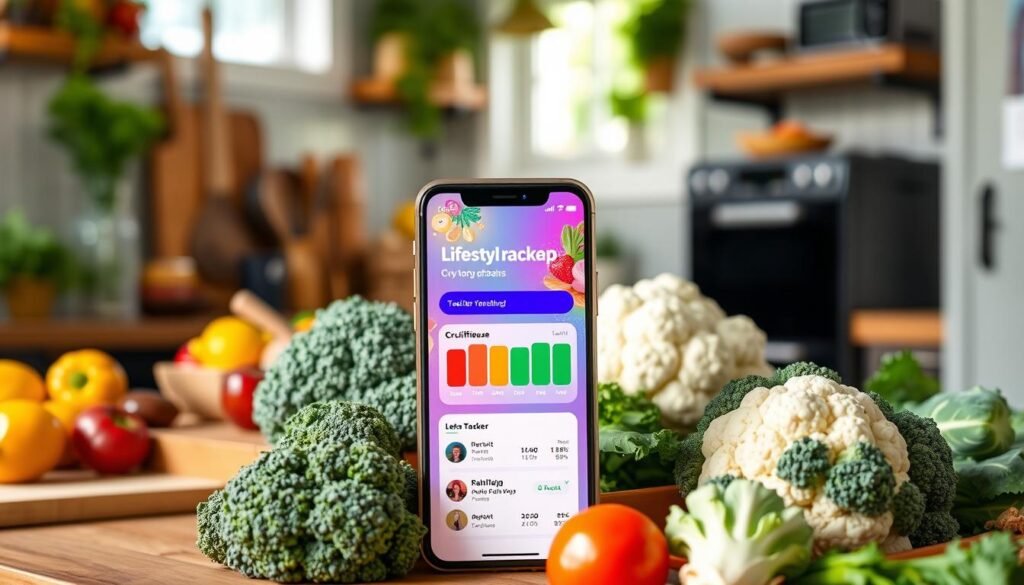
Building Long-Term Habits for Optimal Health
Creating lasting habits is key for those looking to improve health by eating more cruciferous vegetables. Making small changes over time helps develop habits that improve nutrition and wellness.
Consistent Incorporation of Vegetables in Diet
Eating a variety of vegetables daily is vital for good health. Aim for 30 different plant foods weekly to boost diet diversity. This not only improves nutrient intake but also helps stick to healthy choices. Small, repetitive steps lead to strong eating habits, better than diet restrictions. These habits help maintain a diet rich in key nutrients.
Combining with Other Healthy Lifestyle Choices
Adding proper sleep, exercise, and drinking water enhances the benefits of eating cruciferous vegetables. Adults should get 7 to 9 hours of sleep, says the National Sleep Foundation. Lack of sleep can increase health risks. Exercise, along with a vegetable-rich diet, prevents chronic diseases and boosts well-being. Small changes in lifestyle can greatly improve your health.
| Healthy Lifestyle Choices | Benefits |
|---|---|
| Consuming Cruciferous Vegetables | Rich in glucosinolates, reduces chronic disease risk |
| Getting Adequate Sleep | Enhances immunity, reduces cardiovascular risks |
| Regular Physical Activity | Improves overall health and well-being |
| Hydration | Supports metabolism and digestion |
Popular Cruciferous Vegetable Recipes
Adding cruciferous vegetable recipes to your meals boosts health. They also bring new tastes and textures to your plate. Enjoy refreshing salads or hearty dishes, making eating these veggies a fun experience.
Salads and Smoothies
Cruciferous vegetable salads and smoothies are quick and nutritious. Try a kale salad with walnuts and cranberries for crunch. Or blend a spinach, arugula, and banana smoothie for a nutrient-rich drink. These easy recipes fit well into busy schedules.
- Kale and Quinoa Salad: Mix chopped kale, quinoa, cherry tomatoes, and lemon vinaigrette.
- Broccoli and Apple Smoothie: Blend broccoli, green apple, yogurt, and honey for a sweet touch.
- Brussels Sprouts Caesar Salad: Combine shredded Brussels sprouts with parmesan, croutons, and Caesar dressing.
Main Dishes and Side Options
Meals and sides with cruciferous vegetables are healthy and tasty. A broccoli stir-fry or cauliflower rice as a grain substitute makes your meal more nutritious. These dishes are good for the heart and bones, making meals both enjoyable and healthy.
- Stuffed Bell Peppers: Stuff peppers with brown rice, ground turkey, and chopped cauliflower.
- Garlic-Roasted Brussels Sprouts: Coat Brussels sprouts in olive oil and garlic. Roast until crispy.
- Broccoli Cheddar Frittata: Combine eggs with broccoli and cheddar. Bake until done.
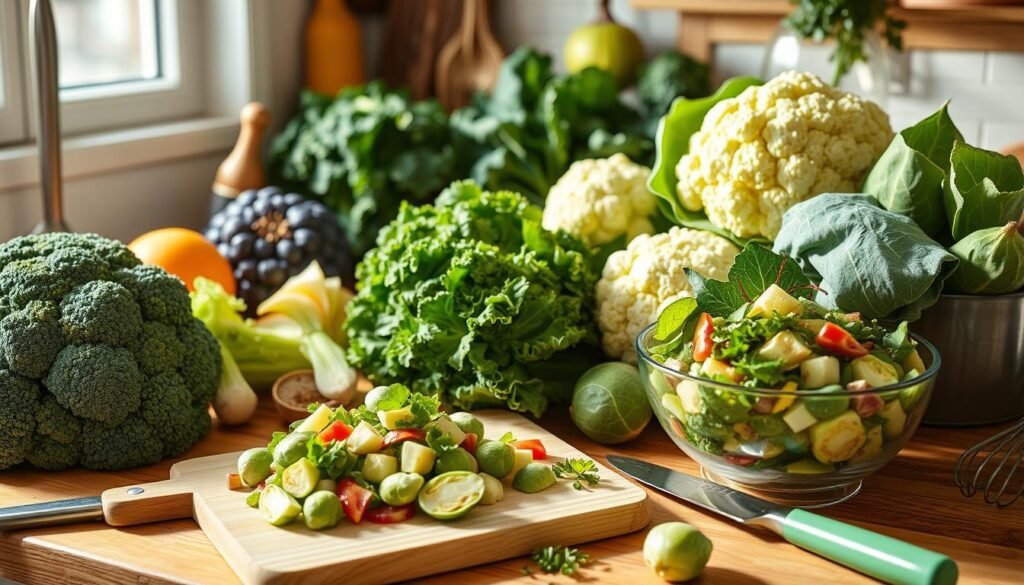
| Recipe | Main Ingredients | Health Benefits |
|---|---|---|
| Kale and Quinoa Salad | Kale, quinoa, walnuts, cranberries | Full of antioxidants, supports heart health |
| Broccoli and Apple Smoothie | Broccoli, green apple, yogurt | Loaded with vitamins, aids gut health |
| Garlic-Roasted Brussels Sprouts | Brussels sprouts, olive oil, garlic | Reduces cholesterol, high in fiber |
Conclusion
Adding cruciferous vegetables to your diet brings many health benefits. They do more than just feed your body. Research shows they lower markers tied to inflammation.
This means they can help keep you well. They also cut down the risk of cancers like prostate and bladder cancer. This shows how important they are in stopping diseases.
Cruciferous vegetables are proven to be good for you by research. Eating more of them can boost your heart health and make you live longer. It can also make you less likely to get sick. Finding fun ways to eat these veggies can make healthy living tasty.
By embracing cruciferous vegetables, you can see big health improvements. Just changing what you eat a bit and choosing these foods can make a big difference. Their nutrition can greatly help you in the long run. Check out this study for more on fruits, veggies, and living longer. Also, learn about flaxseed and heart health here in this article.