Did you know nearly 94 million adults in the US have high cholesterol? This shows how big the issue is, often made worse by eating sugary snacks. Diet affects 20% to 30% of our blood’s cholesterol. So, choosing the right foods is key for managing cholesterol levels. This article explores how sugary foods affect cholesterol and the importance of healthy eating for overall health.
Knowing how sugary snacks impact cholesterol is crucial. By understanding this, people can make better food choices. This leads to improved heart health.
Key Takeaways
- High cholesterol affects around 94 million adults in the U.S., increasing the risk of heart disease.
- Diet influences 20% to 30% of blood cholesterol levels, making food choices critical.
- Limiting saturated fat to 5-6% of daily caloric intake is advisable for better cholesterol management.
- Cooking at home and avoiding trans fats can significantly improve cholesterol levels.
- Soluble fiber intake between 10 to 25 grams daily can help lower LDL cholesterol.
- Opt for healthier snacks like nuts, fruits, and Greek yogurt to manage cholesterol effectively.
Understanding Cholesterol: What You Need to Know
Cholesterol is important for our bodies. It helps make cell membranes, hormones, and vitamin D. Our bodies make it naturally. But we also get it from food. It’s key to keep cholesterol levels in check to stay heart-healthy.
Types of Cholesterol: LDL and HDL
There are two main kinds of cholesterol in our blood: LDL and HDL. LDL is the “bad” kind. It can stick to arteries and block them. This increases heart disease risk. On the other hand, HDL is the “good” kind. It cleans up LDL from our blood. Having a balance between LDL and HDL lowers health risks.
The Role of Cholesterol in the Body
Cholesterol does more than just affect our hearts. It’s needed for making hormones and keeping cells intact. Though we need it, too much LDL is bad. It can cause health problems. That’s why checking cholesterol levels is advised.
Making changes to what we eat helps control cholesterol. Eating more fiber and less saturated fat is beneficial. For more tips on managing cholesterol, check out this resource.
| Cholesterol Type | Common Function | Health Impact |
|---|---|---|
| LDL (Low-Density Lipoprotein) | Transports cholesterol to cells | High levels can lead to plaque buildup in arteries |
| HDL (High-Density Lipoprotein) | Removes cholesterol from bloodstream | High levels are associated with a lower risk of heart disease |
The Link Between Sugary Snacks and High Cholesterol
Knowing how sugary snacks impact cholesterol is key to staying healthy. Most American diets have a lot of added sugars. These can harm cholesterol and heart health.
How Sugary Foods Affect Cholesterol Levels
Eating too much sugar can harm cholesterol levels. Studies show people eating more added sugars have lower “good” HDL cholesterol. HDL helps remove “bad” LDL cholesterol, which can lead to heart problems.
Research Correlating Sugar Consumption and Cholesterol Health
Research links high sugar intake to worse cholesterol health. Americans eat about 22 teaspoons of added sugars daily. This is much more than what is recommended. The American Heart Association suggests women have no more than 6 teaspoons, and men 9 teaspoons of added sugars daily. Not following this can increase triglycerides, raising heart disease risk.
Exercise can lower the bad effects of a sugary diet. But a high-sugar lifestyle can still harm cholesterol levels. It’s crucial to recognize sugar on food labels, such as corn syrup or honey. Choosing wisely can improve your cholesterol and heart health.
Impacts of Sugary Snacks on Cholesterol Levels
Eating sugary snacks can majorly affect cholesterol levels. Added sugars in these snacks are linked to bad changes in LDL and HDL cholesterol. Knowing about these effects is key to maintain good health and avoid high cholesterol.
Effects of Added Sugars on LDL and HDL
Studies show eating too much added sugar can lower “good” HDL cholesterol and increase “bad” LDL cholesterol. As you eat more sugar, your LDL goes up and HDL drops. The American Heart Association suggests adult women should have no more than 25 grams of added sugar a day, and men 36 grams.
Yet, many people have three to six times that amount. This can lead to unhealthy cholesterol levels and increase the risk of heart problems like coronary artery disease and stroke.
Triglycerides: The Hidden Danger
High levels of triglycerides are another risk from too much sugar. Drinking a lot of sugary drinks is linked to bad cholesterol numbers and high triglycerides. Having high triglycerides can cause atherosclerosis, making arteries hard and raising the risk of heart disease. So, it’s important to limit sugary foods and drinks to keep your heart healthy.
| Cholesterol Type | Recommended Levels | High Sugar Intake Effects |
|---|---|---|
| LDL (Bad Cholesterol) | Less than 100 mg/dL | Increases with high added sugar intake |
| HDL (Good Cholesterol) | Greater than 60 mg/dL | Decreases with high added sugar intake |
| Triglycerides | Less than 150 mg/dL | Increases with high added sugar and sugary beverage consumption |
Sugary Snacks and High Cholesterol: What You Need to Know
Many people love eating sugary snacks. These sugary treats can really affect your health, especially your cholesterol levels. It’s important to know which snacks are bad for you. Understanding why empty calories are harmful is key for a healthy heart.
Common Sugary Snacks Contributing to Health Risks
Candy, cakes, cookies, and sugary drinks are what many choose to eat. These choices can lead to bad eating habits. They can make you gain weight and mess up your cholesterol levels. For example, sugary drinks add a lot of calories but don’t give you nutrients.
Understanding Empty Calories in Sugar
Calories from added sugars are called empty calories because they don’t have nutrients. Eating these often can make your triglycerides and LDL cholesterol go up. Research shows eating too much sugar can cause metabolic and heart problems. It’s better to eat snacks that are good for you and keep your diet balanced.
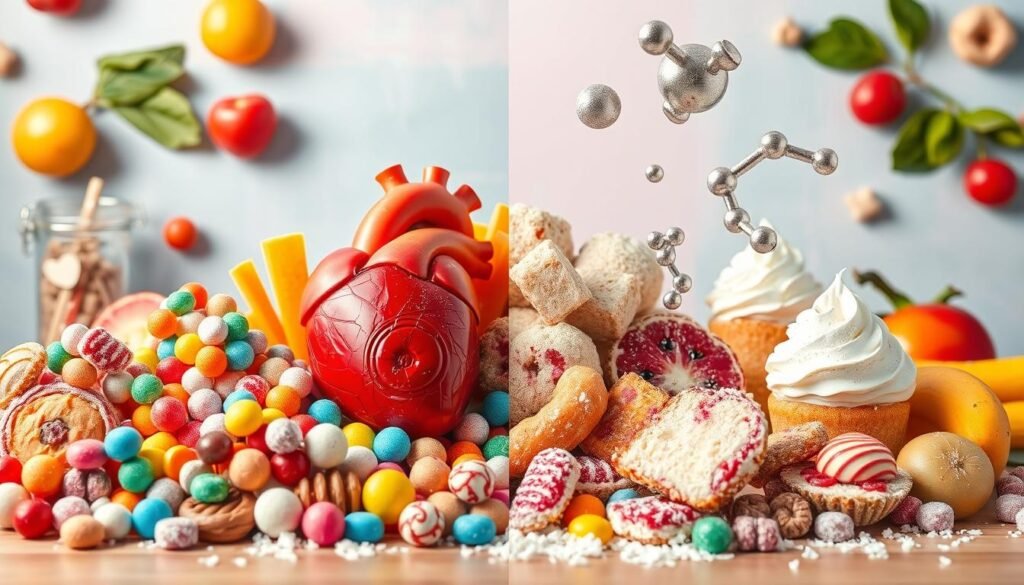
Choosing the right snacks and knowing the effects of too much sugar help keep your cholesterol healthy. You can look at resources for advice on eating better. For heart health tips, check out Mayo Clinic.
Identifying Unhealthy Snacks That Impact Cholesterol
Learning what snacks are bad for cholesterol is key. Many snacks in stores have lots of added sugars. These can raise your cholesterol, so knowing what to avoid helps.
Common Culprits in the Snack Aisle
Some snacks are bad for your heart. Here’s what to watch out for:
- Potato chips loaded with trans fats
- Cookies and pastries filled with hidden sugars
- Sugary cereals that provide little nutritional value
- Soda and sweetened beverages full of artificial ingredients
- Granola bars that often masquerade as healthy but contain excess sugars
How to Read Food Labels for Hidden Sugars
Knowing how to read labels is crucial. Ingredients can hide sugars. Here’s how to spot them:
- Look for various names of sugars such as sucrose, glucose, and corn syrup.
- Check the serving size; portions may be smaller than expected, skewing sugar content.
- Assess the overall calorie count; snacks high in calories often include unhealthy fats and sugars.
- Examine the ingredients list; ingredients are listed in order of quantity, with the first items present in the highest amounts.
- Remember that even products labeled as “low-fat” can contain significant hidden sugars to enhance flavor.
Staying alert while shopping is important. It helps you choose better snacks and avoid the bad ones that affect cholesterol.
| Snack Type | Potential Risks | Healthier Alternatives |
|---|---|---|
| Chips | High in trans fats, can raise LDL cholesterol | Air-popped popcorn with light seasoning |
| Cookies | Loaded with sugars and unhealthy fats | Oatmeal cookies made with whole grains |
| Granola Bars | Often high in added sugars | Homemade nut and seed bars |
| Soda | High sugar content contributing to insulin resistance | Sparkling water with fresh fruit |
Cholesterol Management and Dietary Changes
Managing cholesterol includes smart changes in diet. You can lower cholesterol by eating less sugar and more heart-healthy foods. This approach boosts overall wellbeing.
Strategies to Reduce Sugar Intake
Limiting sugary foods and drinks is key for cholesterol control. Here are some tips:
- Choose fresh fruit over sugary desserts for a sweet fix.
- Drink water or unsweetened beverages instead of soda and sweet drinks.
- Read food labels to spot hidden sugars in processed foods.
- Prepare meals at home to cut down on sugar.
Making these dietary changes is big for cholesterol. For detailed advice on foods to avoid, check out this guide.
Incorporating Heart-Healthy Foods into Your Diet
Eating heart-healthy foods is essential for cholesterol. Focus on these foods for daily meals:
- Fruits: Apples, citrus, and berries have soluble fiber that helps manage cholesterol.
- Beans: Black, pinto, and kidney beans are great for protein and fiber.
- Fatty Fish: Salmon, tuna, and sardines are packed with omega-3s, reducing bad cholesterol.
- Nuts and Seeds: Walnuts, flaxseeds, and chia seeds have healthy fats for cholesterol balance.
- Vegetables: Spinach and broccoli, among others, boost overall health.
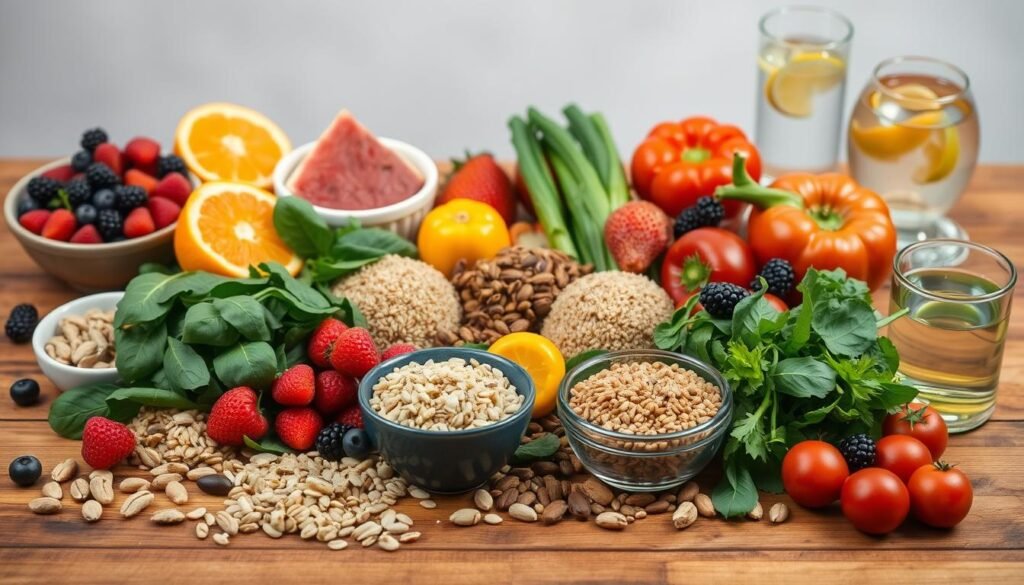
Adding these foods to your diet helps manage cholesterol and metabolic health. Switching to whole, nutrient-rich foods lowers sugar and cholesterol levels.
Exercise and Its Role in Cholesterol Management
Being active is key to managing cholesterol and keeping your heart healthy. Regular exercise lowers bad LDL cholesterol and raises good HDL cholesterol. This reduces the risk of heart diseases. It also helps with triglycerides, which are common fats in the blood.
How Physical Activity Affects Cholesterol Levels
Working out has many benefits for cholesterol. Activities like running, biking, and swimming boost HDL and lower LDL cholesterol. The American Heart Association says we need 150 minutes of moderate exercise every week. Doing this can greatly improve cholesterol levels and lower heart disease risk.
Types of Exercises Beneficial for Heart Health
For better heart health, try different exercises. Some good choices are:
- Aerobic exercises: Running, cycling, swimming, and brisk walking are great for heart fitness and cholesterol.
- Strength training: Weight lifting or using resistance bands can increase muscle, speed up metabolism, and help with cholesterol.
- Flexibility routines: Doing yoga and stretching can improve your fitness and help lower cholesterol.
These exercises help with weight loss, better metabolism, and cholesterol. Mixing exercise with a diet high in fiber is very effective.
Consulting with Healthcare Providers
Meeting regularly with healthcare providers is key for good cholesterol management. It’s important to get a yearly cholesterol check. This is especially true for anyone over 20, as it helps to keep an eye on health risks.
When to Have Your Cholesterol Checked
It’s advised for adults to check their cholesterol every 4 to 6 years. Doing so helps catch problems early on. If you’re at higher risk due to family history or poor eating habits, more frequent checks are crucial.
Discussing Your Dietary Habits with Your Doctor
Talking about what you eat with your doctor is important. It helps get advice tailored to boost heart health. This discussion includes your intake of sugars, fats, and your general diet. Making choices with your doctor’s help can guide big improvements in managing cholesterol.
| Age Group | Recommended Frequency for Cholesterol Check |
|---|---|
| Under 20 | As recommended by a healthcare provider based on individual health |
| 20-39 | Every 4 to 6 years |
| 40 and older | Every 1 to 2 years |
| With Risk Factors | As advised by a healthcare provider |
By focusing on these conversations and regular checks, you can manage your health better. Understanding how your diet affects cholesterol is crucial for a healthier lifestyle.
Long-Term Health Consequences of High Cholesterol
Understanding high cholesterol is key to good health. It’s a big risk for heart disease. Heart disease can cause many serious problems.
Cardiovascular Disease Risks
High cholesterol makes it more likely to get heart disease. This means heart attacks and strokes can happen. These are top reasons people die in the US.
About 70% of people with type 2 diabetes also have bad cholesterol levels. When LDL cholesterol is high and HDL cholesterol is low, it’s risky. This mix causes inflammation and damages arteries.
The Importance of Regular Health Monitoring
Checking your health regularly helps catch high cholesterol early. You should keep your total cholesterol under 200 mg/dL to stay healthy. But, 93 million American adults have higher levels than this.
People who are overweight or not active need to be careful. If changing your habits doesn’t work, medicines might help control your cholesterol. For more information, visit the importance of monitoring cholesterol levels.
Conclusion
We’ve seen how sugary snacks can lead to high cholesterol. Eating too much sugar can cause weight gain. It can also upset the body’s metabolism, which is bad for the heart. Noncommunicable diseases cause almost 74% of deaths worldwide. So, choosing what to eat carefully is crucial for staying healthy.
Eating heart-friendly foods and eating less sugar can greatly improve cholesterol levels. Being active is also important. It fights off insulin resistance and keeps cholesterol in check. Health guidelines suggest limiting added sugars to 10% of your total calories. But aiming for 5% is even better for your health.
It’s also key to regularly talk to doctors about cholesterol. Information from trusted studies, like this comprehensive review, shows how diet affects cholesterol and heart health. Knowing this helps people make smarter food choices. In turn, this leads to a longer, heart-healthier life with fewer risks of heart disease.