Did you know that eating as little as 3.5 grams of beta-glucan from oats every day can lower ‘bad’ LDL cholesterol by about 4.2 percent? This fact shows how simple diet choices can greatly affect cholesterol levels without needing statins. Since heart disease is a top cause of death in the U.S., finding natural cholesterol-lowering methods is key.
Many folks don’t understand that dropping cholesterol isn’t just about drugs. By choosing heart-smart foods, getting regular exercise, and changing your lifestyle, you can manage cholesterol naturally. Luckily, there are easy diet tweaks, workout plans, and whole-body approaches that can boost heart health.
For those looking to learn more, natural strategies for reversing high cholesterol provide a guide to living better without just using drugs.
Key Takeaways
- Natural methods can significantly lower LDL cholesterol levels.
- Dietary changes are central to cholesterol management.
- Regular exercise plays a vital role in overall heart health.
- Consultation with healthcare providers is crucial before making dietary changes.
- Foods high in soluble fiber, like oats, can reduce cholesterol naturally.
- Natural supplements may also provide benefits alongside lifestyle changes.
Understanding Cholesterol and Its Impact on Health
Cholesterol is a waxy substance important for our bodies. It comes in two main types: LDL and HDL. LDL is often called “bad” cholesterol, while HDL is known as “good” cholesterol. Having the right balance of these is key for a healthy heart. Too much LDL cholesterol raises the risk of heart attacks and strokes. It could also lead to needing surgery for heart problems.
Over the past 50 years, research has shown that lower LDL cholesterol means fewer heart problems. People with very high cholesterol might need to change their diet and exercise more. Sometimes, they may also need medicine if these changes don’t help enough.
Knowing how to manage cholesterol is important. The American Heart Association says certain diets can really help lower LDL. For example, the Ornish-style diet not only reduces cholesterol but also helps lose weight.
Some supplements can help lower cholesterol or ease medicine side effects. But, things like fish oil are not as recommended for heart benefits anymore. The main goal is to keep cholesterol levels in check. This helps keep the heart healthy and supports overall well-being.
| Cholesterol Type | Impact on Health | Recommended Levels |
|---|---|---|
| LDL (Low-Density Lipoprotein) | Increased risk of heart disease and stroke | Less than 100 mg/dL |
| HDL (High-Density Lipoprotein) | Protects against heart disease | Greater than 60 mg/dL |
| Total Cholesterol | Overall risk assessment for heart health | Less than 200 mg/dL |
The Role of Statins in Cholesterol Management
Statins play a vital role in controlling cholesterol levels. They mainly lower the “bad” LDL cholesterol. These drugs block a substance needed to make cholesterol.
For people with heart disease or high cholesterol, statins can greatly lower heart issues risk.
Experts recommend statins for adults with LDL over 190 mg/dL, especially those at greater heart disease risk. The U.S. Preventive Services Task Force advises low to moderate statins for 40 to 75-year-olds with a 10% heart event risk within ten years. The American Heart Association identifies four key groups who may need statins. This includes people with diabetes, high cholesterol, hypertension, and smokers.
Statins are mostly safe, but some may have headaches and mild muscle pains. Serious side effects are rare. Even those with diabetes can reduce heart attack risk with statins, despite slight blood sugar level rises. It’s crucial to see statin treatment as a long-term plan. Talk about any side effects with your healthcare provider.
Besides meds, lifestyle changes are key to managing cholesterol effectively. This approach offers the best heart protection. Those considering statins should know their treatment options and health impact. For more info on statins, check out this detailed guide on statins and heart health.
Reversing High Cholesterol Without Statins
Many people want to lower their cholesterol without using statins. They look for natural alternatives. These options can be beneficial and lack the side effects found with some medications. By focusing on what you eat, how much you move, and certain supplements, you can improve your health and cholesterol.
Overview of Natural Alternatives
Changing your lifestyle is a good way to manage high cholesterol without statins. Eating more soluble fiber from oats, apples, and beans is helpful. It lowers cholesterol that your body absorbs. Adding omega-3 fatty acids from fish and walnuts is great too. They help your heart by managing blood pressure and boosting good cholesterol (HDL).
Exercising regularly is key to maintaining good cholesterol levels. Experts suggest at least 150 minutes of aerobic exercise every week for the best results. Drinking enough water also seems to help keep HDL levels up. This shows how important hydration is for your cholesterol.
- Increase soluble fiber intake
- Incorporate omega-3 fatty acids into the diet
- Engage in regular physical activity
- Stay hydrated to support good cholesterol levels
Importance of Consultation with Healthcare Providers
Even though natural options are promising, talking to healthcare providers is key. They can make plans that fit your unique health needs. Plus, they evaluate your risks based on things like age, race, and current health. This helps manage your cholesterol better.
It’s important to know that lifestyle changes might not be enough for everyone. If cholesterol stays high, your doctor might suggest more treatments. This could include medications along with natural methods. Keeping track of your cholesterol regularly is important to see if your plan is working.
| Natural Alternatives | Benefits | Recommendations |
|---|---|---|
| Soluble Fiber | Reduces cholesterol absorption | 28 grams per day |
| Omega-3 Fatty Acids | Supports HDL cholesterol | 2 times a week (fatty fish) |
| Regular Exercise | Increases HDL cholesterol | 150 minutes moderate activity weekly |
| Hydration | Promotes better cholesterol levels | Drink sufficient water daily |
Dietary Changes for Lowering Cholesterol
Making changes to what you eat can really help manage cholesterol. Adding certain foods to your meals is a natural way to lower cholesterol.
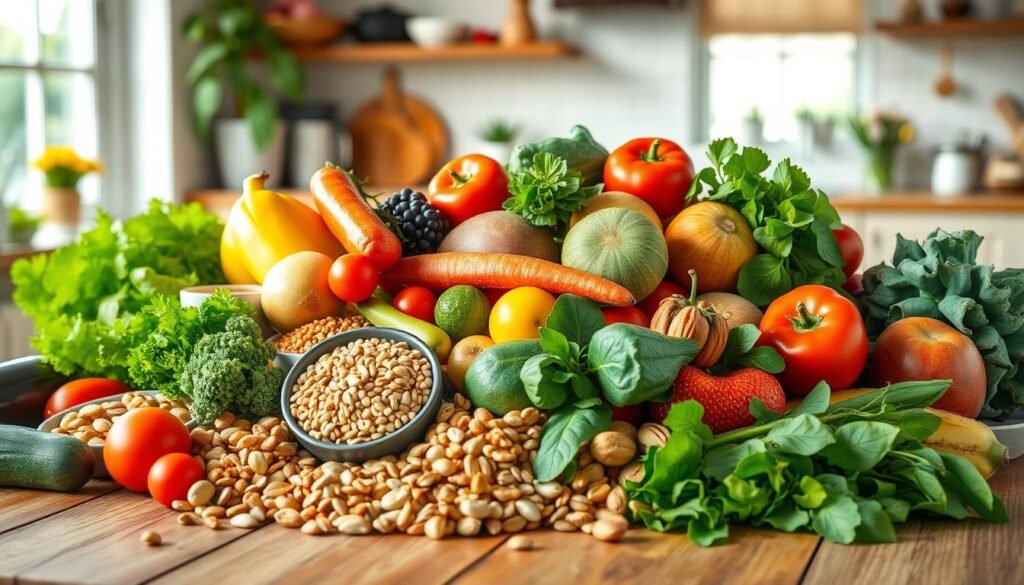
Foods Rich in Soluble Fiber
Eating foods high in soluble fiber helps lower bad cholesterol. You can find it in:
- Oats
- Beans and legumes
- Citrus fruits
- Apples and pears
- Barley
You should have 10 to 25 grams of soluble fiber each day. These foods need to be eaten often for the best results. Fiber stops cholesterol from being absorbed, making it key for a lower-cholesterol diet.
Incorporating Omega-3 Fatty Acids Into Your Diet
Omega-3 fatty acids are great for your heart. They don’t lower cholesterol directly, but you should still eat omega-3 rich foods weekly. Good sources are:
- Fatty fish such as salmon, tuna, and mackerel
- Walnuts
- Flaxseeds and chia seeds
- Fortified foods
Eating omega-3s can help reduce bad cholesterol and improve heart health. Adding these foods to your diet can make your heart stronger.
Effective Strategies for Lowering Cholesterol
To lower cholesterol, mix regular exercise with good weight control. Studies show that staying active increases good cholesterol (HDL) and decreases bad cholesterol (LDL). Try to exercise for 150 minutes each week as the American Heart Association suggests. This, along with key changes in your lifestyle, can make your heart healthier.
Regular Physical Activity and Its Benefits
Aiming for at least 30 minutes of exercise like walking, biking, or swimming on most days is beneficial. These activities not only lower cholesterol levels but also strengthen your heart. Adding weight training twice a week can make these benefits even greater. Below is a table showing different exercises and how they affect cholesterol:
| Type of Exercise | Duration (min/week) | Impact on Cholesterol |
|---|---|---|
| Brisk Walking | 150 | Increases HDL |
| Cycling | 150 | Lowers LDL |
| Swimming | 150 | Improves triglycerides |
| Strength Training | 60 | Boosts HDL |
The Impact of Weight Management on Cholesterol Levels
Managing your weight is key to lowering cholesterol. Losing just 10 pounds might cut your LDL cholesterol by 8%. This shows how important it is to eat mindfully and stay active. By working with healthcare providers, you can make a plan that includes a variety of foods and healthy choices. Cutting back on drinking and stopping smoking can also improve cholesterol levels quickly, sometimes in 30 days. Check out these tips for lifestyle changes for high cholesterol to keep your heart in good shape.
Cholesterol-Lowering Foods to Include
Eating cholesterol-lowering foods is a top way to reduce cholesterol. Some foods have proven they can help improve heart health by cutting down bad cholesterol.
Plant Sterols and Stanols
Many plants contain natural substances called plant sterols and stanols. These are also in foods like some margarines and yogurt drinks. Eating foods with at least 2 grams of these substances each day can lower LDL cholesterol by more than 10%. Adding foods rich in plant sterols makes managing cholesterol easier.
Impact of Nuts on Cholesterol Levels
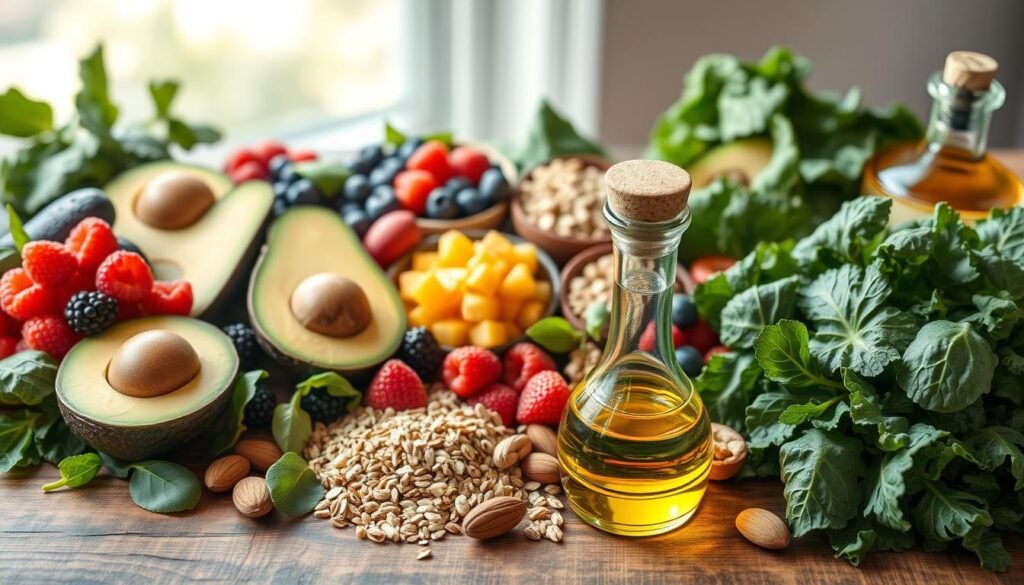
Nuts such as almonds, walnuts, and pistachios are filled with healthy fats and fiber. These help lower cholesterol. Studies show that eating nuts daily can greatly reduce heart disease risk. Nuts are also packed with omega-3 fatty acids, which boost heart health.
Beneficial Effects of Oats and Barley
Oats and barley are great for soluble fiber, especially beta-glucan. This fiber significantly lowers cholesterol absorption. Eating these grains regularly boosts heart health. Starting your day with oatmeal or adding barley to soups offers tasty, cholesterol-lowering meals.
Natural Supplements to Consider
Many people look for natural ways to lower high cholesterol. They might check out different supplements known for helping. These can lower cholesterol levels and are used with traditional meds. It’s important to know how they work and their side effects.
Potential Benefits of Red Yeast Rice Extract
Red yeast rice extract has monacolin K, similar to statins, and it lowers LDL cholesterol. Studies show it might work well. But, taking too much could cause muscle, kidney, and liver damage. The U.S. has rules on monacolin K levels in supplements.
Whey Protein as a Cholesterol-Lowering Agent
Whey protein can help cut down total cholesterol levels. It boosts the body’s protein making and might change lipid metabolism. Yet, it can cause a fishy aftertaste or stomach issues. Adding whey protein to a healthy diet is good, but check with a doctor first.
The Role of Garlic in Cholesterol Management
Garlic is looked at for cholesterol because it might lower it a bit, though results aren’t sure. You might get bad breath or stomach problems from it. Talk to a doctor before trying garlic, especially if you take other meds.
| Supplement | Potential Benefit | Possible Side Effects | Interaction Risks |
|---|---|---|---|
| Red Yeast Rice Extract | Lowers LDL cholesterol | Muscle damage, liver issues | May interact with other cholesterol medications |
| Whey Protein | Reduces total cholesterol | Fishy aftertaste, gastrointestinal discomfort | Interactions with certain medications possible |
| Garlic | Slightly lowers cholesterol | Bad breath, body odor | May interact with blood thinners |
Lifestyle Changes for High Cholesterol
Making changes in your life can really help your heart health. Quit smoking and drink less. Doing these things improves your cholesterol and lowers heart disease risk.
Quitting Smoking and Its Immediate Benefits
Smoking lowers good cholesterol. But when you quit, your HDL cholesterol goes up quickly. Within a year, your heart disease risk drops too. Quitting not only boosts cholesterol but also enhances overall health.
Moderating Alcohol Intake
Drinking less can help your cholesterol. Studies show moderate drinking raises good cholesterol. That’s one drink a day for women, two for men. But, if you don’t drink already, think twice. It’s all about balance to improve heart health.
Alternative Treatments for High Cholesterol
Looking into alternative treatments for high cholesterol opens up different paths. People can use herbal remedies and supplements as part of their plan for heart health. It’s important to understand these options and their benefits.
Herbal Remedies and Their Effectiveness
Herbal remedies are becoming popular for cholesterol management. Here are some commonly discussed options:
- Guggulipid: This is taken from guggul resin and might lower LDL cholesterol. However, the research results are mixed.
- Policosanol: Coming from sugarcane or beeswax, it may reduce LDL cholesterol. But, there’s not enough consistent evidence to prove it works well.
- Flaxseed: With lots of omega-3 fatty acids and soluble fiber, it helps reduce cholesterol as part of a healthy diet.
Herbal remedies can be helpful, but their success may vary. Talking with a healthcare provider before starting is key for safety and results.
Understanding the Role of Niacin in Cholesterol Control
Niacin, or vitamin B-3, plays a part in controlling cholesterol. It boosts HDL (“good” cholesterol) while reducing LDL (“bad” cholesterol). But, taking it in high doses can cause health issues.
Consider these points:
| Effect | Potential Risks | Recommended Usage |
|---|---|---|
| Increases HDL | High doses can damage the liver | Consult a healthcare provider for appropriate dosage |
| Lowers LDL | Possible digestive issues | Monitor liver function when taking high doses |
| Supports heart health | Flushing and skin irritation | Consider alternatives if side effects are severe |
Adding niacin to a treatment plan has benefits, but it’s important to use it wisely. Regular doctor visits and tests are crucial for safe cholesterol management.
Holistic Approach to Cholesterol Control
A holistic approach to cholesterol control links mental and physical health. Stress management is key for healthy cholesterol levels. Long-term stress can upset your cholesterol balance, impacting both LDL and HDL levels. By managing stress well, you can boost your overall health and help your heart.
Stress Management Techniques
Managing stress helps control cholesterol. Effective methods include:
- Mindfulness meditation
- Deep breathing exercises
- Yoga
- Regular physical activity
Adding these habits to your daily life helps you relax. It also lessens stress’s bad effects on cholesterol. For more on how stress and cholesterol are linked, check out this resource.
Integrating Mind-Body Practices Like Yoga and Meditation
Yoga and meditation are great for stress relief and cholesterol management. Studies show they boost both physical and emotional health. Low-impact activities like these can improve your cholesterol numbers.
Using these stress-busting and mind-body methods every day can be powerful. It leads to a healthier way of living that boosts your mental and physical health. This helps keep your cholesterol in check.
Monitoring and Managing Cholesterol Levels Naturally
Keeping an eye on cholesterol is key to staying healthy. It helps you know the link between cholesterol and health. This way, you can choose what to eat and how to live better. By testing regularly, you can see how you’re doing and change things if needed.
Regular Cholesterol Testing and Tracking Progress
Testing your cholesterol helps you watch it over time. It’s best to start at age 20 to catch issues early. You can use home kits or get checked by a doctor. These tests show your cholesterol numbers, giving you a clear picture of heart health. By keeping track, you can work on keeping your cholesterol in check. To dive deeper into why testing is vital, visit this resource.
The Importance of Ongoing Support and Guidance
Getting help from health pros is key to manage cholesterol well. They can motivate you and help stick to a good diet and exercise. Learning about managing cholesterol, like what foods are best, is important. Talking regularly with experts can pump you up and help make a plan that’s just for you. Having a support team makes it easier to keep up with your goals. Working together is great for keeping your cholesterol healthy.
Conclusion
Lowering high cholesterol without drugs is key for many aiming to keep a healthy heart. This article showed many natural methods to reduce cholesterol without medicines. By changing diet, adding exercise, taking supplements, and changing lifestyle, people can see big heart health benefits.
To manage cholesterol well, we need a full plan. Eating more fiber, omega-3s, and plant sterols helps heart health a lot. Stories shared here show big cholesterol drops from lifestyle changes alone. These stories prove that avoiding drugs for cholesterol is possible with the right effort.
It’s important to keep an eye on cholesterol levels with regular checks. Everyone should work with their doctors to make a plan that fits them best. Choosing natural ways for a healthier cholesterol level also leads to a healthier life and heart in the long run.