Did you know nearly 38% of American adults have high cholesterol? This fact shows how important managing cholesterol is. It’s especially true for those on the carnivore diet. This diet is low in carbs but could affect heart health, especially in women.
Knowing how this diet impacts cholesterol is key. Those following it need to take steps to keep their heart healthy. We’ll look into what high cholesterol means for carnivore diet followers. We’ll talk about the effects, risks, and what can be done about it.
Key Takeaways
- 38% of American adults face high cholesterol issues.
- The carnivore diet typically consists of 61% fat and minimal carbohydrates.
- Regular monitoring of cholesterol levels is crucial for maintaining heart health.
- Women may experience unique risks related to cholesterol on a carnivore diet.
- Choosing high-quality fats can mitigate potential health risks.
- Long-term adherence to a high-protein diet may require careful management.
- Consulting healthcare professionals is advised before embarking on restrictive diets.
Understanding High Cholesterol
High cholesterol means you have too much fat in your blood. It’s bad for your heart health. Knowing about different types of cholesterol is key to keeping your heart healthy.
What is High Cholesterol?
High cholesterol happens when you have too much “bad” cholesterol, or LDL. This can cause plaque to build up in your arteries. It leads to serious heart problems, like disease and stroke. “Good” cholesterol, or HDL, helps protect your heart. It takes cholesterol back to the liver to get rid of it. It’s important to have the right balance of LDL and HDL for good health.
The Importance of LDL and HDL Levels
Keeping an eye on LDL and HDL levels is crucial, especially for post-menopausal women. They are at higher risk of cholesterol issues due to hormone changes. Getting regular checks can spot high cholesterol early on. Eating well and exercising can boost HDL and lower LDL. This keeps your heart healthy. To learn more about how lifestyle changes affect cholesterol, check out the importance of lifestyle changes.
| Cholesterol Type | Role in the Body | Ideal Levels (mg/dL) |
|---|---|---|
| LDL Cholesterol | Increases risk of heart disease and stroke. | 70-120 |
| HDL Cholesterol | Helps reduce the risk of heart disease by clearing cholesterol. | 40-60 |
| Total Cholesterol | Overall measure of cholesterol types in the blood. | 150-200 |
| Triglycerides | Another type of fat in the blood, high levels can increase heart disease risk. | 150 or less |
High Cholesterol Risks on a Carnivore Diet
The carnivore diet focuses mainly on animal products and raises concerns about high cholesterol. This affects women’s health significantly. Because it leaves out key food groups, it could lead to unhealthy cholesterol levels. High LDL cholesterol from eating mostly meat worries experts about heart health, especially for women going through menopause.
Impact on Women’s Health
Women face a greater risk with cholesterol due to hormonal changes, especially during menopause. A carnivore diet, rich in saturated fats and low in fiber, can push LDL levels up and drop HDL cholesterol. This imbalance increases the risk of heart issues. It’s important for women on this diet to keep a close watch on their cholesterol.
Connection to Heart Disease
Heart disease is a top killer of women in the U.S. There’s a clear link between high cholesterol and heart disease. Women on a carnivore diet might raise their LDL cholesterol, which ups the risk. Studies agree that controlling cholesterol is key for a healthy heart. Regular doctor visits can catch any risky changes early, helping to protect heart health.
| Health Concern | Effect on Women’s Health | Connection to Heart Disease |
|---|---|---|
| Cholesterol Levels | Increased LDL can worsen health | Higher risk of cardiovascular issues |
| Hormonal Changes | Menopause impacts cholesterol balance | Affects heart disease risk significantly |
| Diet Composition | Exclusion of fiber-rich foods leads to risks | Higher fat intake correlates with heart diseases |
It’s vital to understand these risks for women’s health and to prevent heart disease on a carnivore diet. Keeping an eye on cholesterol levels is key for maintaining good health.
The Carnivore Diet Explained
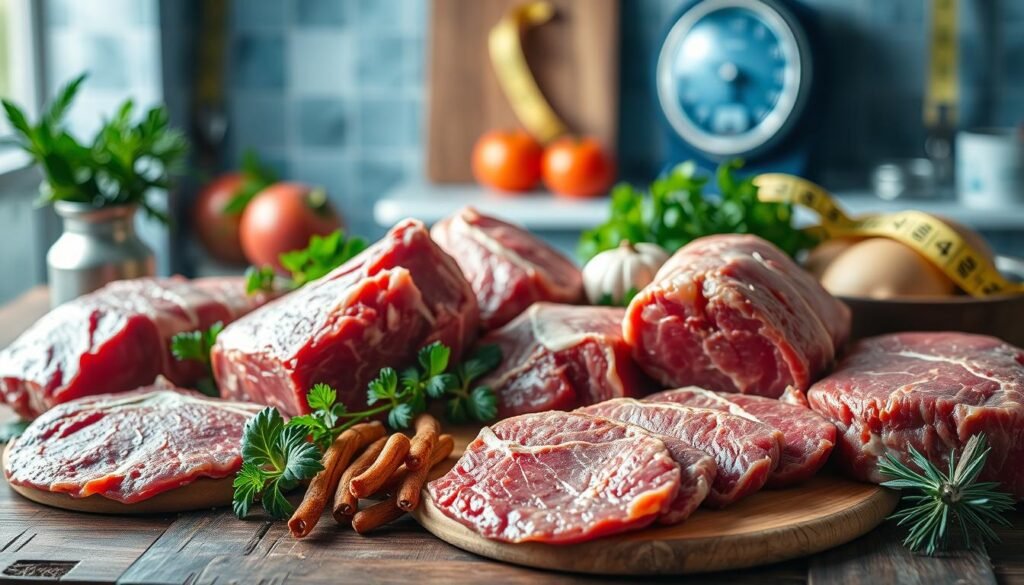
The carnivore diet focuses only on animal products. It does not include plant-based foods. This means you eat meats, fish, eggs, and some dairy. Knowing the foods included in the carnivore diet is key for those thinking about this choice. It changes what nutrients you get.
What Foods are Included?
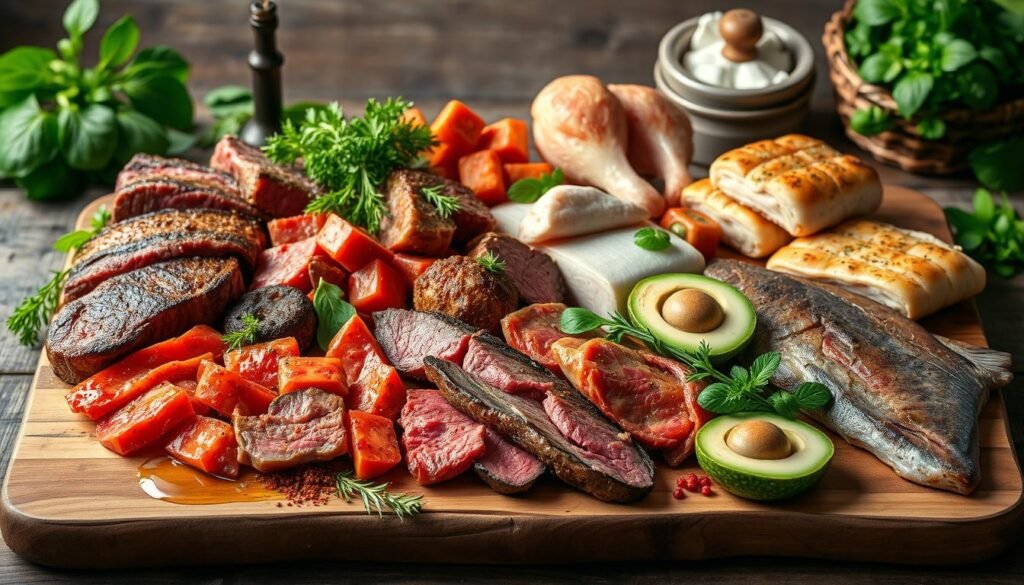
The main foods in this diet are different kinds of meat, such as:
- Beef (steaks, ground beef, organs)
- Pork (pork chops, bacon)
- Lamb
- Poultry (chicken, turkey)
- Fish (salmon, sardines, mackerel)
- Eggs
- Dairy (cheese, butter, if tolerated)
People follow this diet for benefits like better focus and weight control. Starting this diet means big changes, especially because it has no carbs.
Nutritional Breakdown of the Diet
The nutritional breakdown of the diet shows it’s rich in protein and fat. About 70-80% of calories come from fats and 20-30% from protein. Carbs are almost gone. This balance might lead to ketosis, which helps with losing weight but could be risky.
One issue is the lack of fiber, which might cause digestive problems. There’s also a risk of not getting enough vitamins and minerals, like vitamin C and folate. To learn more about how the carnivore diet affects cholesterol, check this source.
How the Carnivore Diet Affects Cholesterol Levels
The carnivore diet focuses on animal foods and very few plants. This diet has both pros and cons for cholesterol levels. When we look at the impact on cholesterol levels, it shows a tricky link between what we eat and heart health.
The Good: Potential Benefits for HDL
This diet might raise HDL, the “good” cholesterol. Studies link low-carb diets, like this one, to higher HDL. This is good for your heart. Plus, eating a lot of protein can help you lose weight. Losing weight often means less LDL cholesterol, which is bad. So, more HDL can mean a lower chance of heart disease and stroke.
The Not-So-Good: Risks for LDL
But, the diet could increase LDL, the “bad” cholesterol. Eating lots of saturated fats from animal products can push up LDL. This can cause plaque in arteries and up the risk of heart disease. Some research shows folks might see a 10% increase in LDL on such diets. It’s key to keep an eye on carnivore diet cholesterol levels. You should also think about the long haul. Try to eat lean meats and fish with omega-3s to improve cholesterol.
| Cholesterol Type | Impact of Carnivore Diet |
|---|---|
| HDL (Good) | Possible rise from eating fewer carbs and weight loss |
| LDL (Bad) | Could go up with more saturated fats |
| Overall Cholesterol | Varies person to person, needs watching |
Considering the carnivore diet means knowing these cholesterol effects. Always talk to health pros to handle cholesterol right.
Managing Cholesterol Levels on a Carnivore Diet
Following a carnivore diet brings challenges, especially with cholesterol. It’s key to monitor cholesterol to see the effects on LDL and HDL levels. Getting your lipids checked every 3-6 months can show if you need to change your diet.
Monitoring Cholesterol Regularly
It’s vital to keep an eye on cholesterol for those on an all-meat diet. The high saturated fat in this diet can raise cholesterol at first. Knowing your cholesterol levels helps make needed diet changes. Partnering with a doctor can help manage cholesterol well.
Choosing Healthy Fats
Choosing the right fats is crucial for managing cholesterol on this diet. Eating fatty fish like salmon or lean meats helps. These foods lower bad fat intake and support the heart. Adding omega-3s to your diet is also good for balancing cholesterol and overall health. Being smart about your fat sources is essential for managing cholesterol levels on a carnivore diet.
| Fat Source | Type | Benefits |
|---|---|---|
| Salmon | Omega-3 Fatty Acid | Improves HDL levels |
| Chicken Breast | Lean Protein | Low saturated fat |
| Grass-Fed Beef | Saturated Fat | Contains CLA (Conjugated Linoleic Acid) |
| Egg Yolks | Cholesterol Source | Nutrients support heart health |
Being active helps a lot with monitoring cholesterol levels and choosing good fats. Simple fitness steps can improve cholesterol. This support helps people stay healthy on a carnivore diet.
Real-World Insights: Women on the Carnivore Diet
The carnivore diet has impacted women differently, showing both good and not-so-good results. By looking into real-life stories, we learn a lot about its effects on cholesterol. The impact on women’s cholesterol levels varies a lot. Some see great health benefits, while others encounter issues, especially with their LDL cholesterol.
Success Stories of Improved Health
Many women have found success with the carnivore diet, losing weight and bettering their health. By cutting out carbs and eating only animal products, they’ve seen:
- Big weight loss, with many losing 5-10% of their body weight, leading to improved cholesterol levels.
- A rise in HDL cholesterol levels, sometimes by as much as 10-15%, which is good for heart health.
- Better overall health, feeling more energetic, and living a healthier life.
These experiences show the carnivore diet can have positive effects when it’s suited to personal health needs.
Cautionary Tales of Rising LDL Levels
However, not all stories are positive. Some women have seen their LDL cholesterol levels go up after starting the carnivore diet. They report:
- Higher LDL levels due to eating a lot of saturated fats from animal foods.
- Worries about the effects of eating more saturated fats and cholesterol, without any fiber-rich foods.
- Some health issues, especially in women with heart conditions or those who are postmenopausal. This is because falling estrogen levels can make LDL levels rise.
Different people will have different experiences. It’s very important to keep an eye on cholesterol levels and talk to health professionals. This helps manage any risks when switching to the carnivore diet.
| Outcome | Positive Experiences | Cautionary Experiences |
|---|---|---|
| Weight Loss | 5-10% reduction in body weight | Maintained weight with rising LDL levels |
| HDL Levels | Increase of 10-15% | No change or decrease observed |
| Health Improvement | Greater energy and well-being | Health complications in some cases |
3-Day Meal Plan for High Cholesterol on a Carnivore Diet
Creating a meal plan for high cholesterol involves lean meats and healthy fats. This plan focuses on options full of nutrients. It helps manage cholesterol with tasty foods that offer variety in taste and texture.
Day 1: Balancing Fat and Protein
- Breakfast: Scrambled eggs cooked in duck fat, served with a side of grilled salmon.
- Lunch: Bison burger topped with melted cheddar cheese and a side of chicken liver pâté.
- Dinner: Grilled ribeye steak, seasoned with herbs, complemented by a salad of mixed greens dressed in olive oil (keep it minimal).
Day 2: Incorporating Healthy Oils
- Breakfast: Omelette made with free-range eggs and diced smoked salmon, drizzled with fish oil.
- Lunch: Pan-seared chicken breast with a garnish of fresh herbs and a small amount of avocado oil.
- Dinner: Baked herring with lemon, served alongside a generous portion of bone broth.
Day 3: Lean Proteins and Snacks
- Breakfast: Boiled eggs with a side of crispy bacon (organic if available).
- Lunch: Grilled chicken thighs, seasoned lightly and served with a tiny drizzle of sesame oil.
- Dinner: Freshly caught fish fillet, cooked to perfection, paired with sautéed shrimp as a snack between meals.
This plan focuses on lean proteins, essential fats, and omega-3s. It avoids high-fat dairy and processed meats that heighten cholesterol. Adjusting this diet and having regular health checks help in controlling high cholesterol. This allows for enjoyable and health-conscious eating.
Practical Tips for Women Considering the Carnivore Diet
Women thinking about the carnivore diet should know a few things for a good start. It’s important to drink a lot of water to keep the kidneys working right and stay healthy. Taking extra vitamins can help avoid missing out on important nutrients that other foods offer.
Stay Hydrated and Supplement Smartly
Drinking water is key for energy and a healthy stomach on a carnivore diet. Make sure to drink water all day. Women should also think about adding vitamins and specific nutrients to their diet. These tips can help make sure you get the nutrition you need, even when eating just meat.
Consulting Healthcare Providers
Talking to healthcare pros before starting the carnivore diet is smart. They can suggest the best eating plan for your health, especially if you have heart or cholesterol issues. Their guidance can spot possible diet risks and adjust things to make the diet safer and healthier for you.
High Cholesterol on Carnivore Diet: What to Expect
Starting a carnivore diet might change your cholesterol levels. Watching these changes helps us understand what to expect. Some see their “bad” LDL cholesterol go up. HDL cholesterol, or “good” cholesterol, can change too. We will look at what usually happens and things to look out for.
Common Changes in Cholesterol Levels
Eating a lot of saturated fat on the carnivore diet may make your cholesterol go up at first. This can make you worry about your heart health. Here’s what often happens:
- LDL levels can go up, which might increase heart disease risk.
- HDL cholesterol might go up or down, affecting heart health.
- Triglyceride levels could fall, which is usually good.
People react differently to this diet. Some might see their cholesterol go up by 15-30 mg/dL in 3-12 months, especially if their HDL goes up. While studies are ongoing, these ups and downs are key to understanding what’s happening.
Signs to Watch For
Knowing the signs of high cholesterol is important on the carnivore diet. Watch out for these signs:
- Fatigue: Feeling tired all the time can be a sign of cholesterol problems.
- Digestive Disturbances: Issues like constipation might indicate dietary issues.
- Chest pain or discomfort: This could mean heart problems, needing quick medical help.
- Increased cravings for sugar or carbs: You might not be eating in a balanced way.
It’s vital to get regular health checks while on this diet. This helps manage any risks. Tracking these changes guides future dietary decisions.
| Cholesterol Type | Normal Range (mg/dL) | Potential Impact |
|---|---|---|
| Total Cholesterol | 150-200 | High levels can increase heart disease risk. |
| LDL (low-density lipoprotein) | 70-120 | Considered “bad” cholesterol; higher levels can lead to heart problems. |
| HDL (high-density lipoprotein) | 40-60 | Seen as “good” cholesterol; it can lower the risk of heart disease. |
| Triglycerides | 150 or less | High levels can up heart disease risk. |
Potential Nutritional Deficiencies on the Carnivore Diet
The carnivore diet can offer some benefits, like weight loss and better digestion. But, it has its downsides. Mainly, it might make you lose out on essential vitamins and minerals. These nutrients are usually found in fruits, veggies, and grains, which this diet cuts out. If you’re thinking of trying this high-fat, low-carb diet, knowing about possible nutrient gaps is key.
Essential Vitamins and Minerals
Going all in on meat might make you miss important vitamins and minerals. The ones often missing include:
- Vitamin A: Mainly found in animal products, though liver is a good source.
- Vitamin C: Key for immune health, mainly from fruits and veggies.
- Vitamin D: Needed for strong bones, from sunshine and fortified foods.
- Vitamin E: An antioxidant, found in nuts and seeds.
- Potassium: Helps keep blood pressure healthy, from leafy greens and fruits.
- Magnesium: Helps with many body processes, from whole grains and nuts.
Not getting these nutrients can be a concern for anyone on a strict meat-only diet.
Impact of Fiber Deficiency
One big issue with this diet is not getting enough fiber. Fiber is essential for a healthy digestive system. It helps you have regular bowel movements and supports a good gut microbiome. It also helps manage cholesterol and prevent heart disease. Without it, you might face problems like:
- Gastrointestinal issues: This can include constipation or irregular poops.
- Increased cholesterol levels: Fiber helps control cholesterol in your gut.
- Lack of satisfaction: Fiber-rich foods help you feel full longer.
As the carnivore diet gets more popular, it’s vital to know about these nutritional gaps. The lack of fiber, vitamins, and minerals needs a close look to stay healthy.
| Nutrient | Common Sources | Potential Concerns on Carnivore Diet |
|---|---|---|
| Vitamin A | Liver, dairy, fish | May not meet requirements without organ meats |
| Vitamin C | Citrus fruits, bell peppers | Deficiency could affect immune function |
| Vitamin D | Sunlight, fatty fish | Potential shortfall unless fortified foods are used |
| Vitamin E | Nuts, seeds, green vegetables | Low intake might affect antioxidant levels |
| Potassium | Fruits, vegetables | Risk of low levels affecting heart health |
| Magnesium | Leafy greens, nuts, seeds | May lead to muscle cramps and fatigue |
Research on the Carnivore Diet and Cholesterol Levels
The carnivore diet is getting a lot of focus. It’s prompting studies on how it affects cholesterol. People are curious about its health pros and cons, especially concerning the heart. A review of studies shows mixed results on managing cholesterol with this diet.
Findings from Recent Studies
Most studies haven’t been rigorous, but they’ve looked at health claims. The diet cuts out plant foods, which could miss out on fiber and vitamins. Some studies show LDL cholesterol might rise at first because of the fats. Yet, there might be changes for the better in cholesterol later. Still, these findings aren’t clear-cut, so it’s wise to be careful.
Expert Opinions on the Diet
Experts think we need more research on this diet’s long-term effects. Some people say they’ve lost weight and improved their cholesterol. But, there are cases of very high cholesterol in some who follow this diet. Many health pros suggest eating a variety of foods for the best health.
| Aspect | Research Insights |
|---|---|
| Cholesterol Levels | Initial rise in LDL; potential long-term reductions in LDL with increased HDL. |
| Nutritional Deficiencies | Low in fiber; lacks essential plant compounds. |
| Health Risks | High-fat intake may lead to severe hypercholesterolemia and other complications. |
| Expert Consensus | Further research needed; a balanced diet is often preferred. |
Conclusion
Dealing with high cholesterol on a meat-only diet is complex. The diet’s focus on animal products can make LDL cholesterol go up. LDL is the “bad” cholesterol, linked to more heart disease and stroke risk. But, there’s hope. Choosing lean meats and eating omega-3 rich fish can boost your HDL, or “good” cholesterol.
Everyone reacts differently to the carnivore diet. For some, cutting out carbs improves cholesterol. Yet, others may see their LDL levels rise. It’s crucial to check your cholesterol often and talk to doctors. Getting professional guidance can make your diet suit your health needs better.
In short, smart choices in diet, exercise, and lifestyle are key to managing cholesterol on this diet. With the right care, people can handle high cholesterol and enjoy the benefits of eating only meat.