About 1 out of 100 people have mixed hyperlipidemia. It’s a condition with high levels of LDL cholesterol and triglycerides. This increases the risk of heart disease and other heart issues. Sadly, the symptoms can be hard to catch. Some people don’t see signs for years. Knowing what to look for is key. It helps in diagnosing and treating this condition early.
Key Takeaways
- Mixed hyperlipidemia affects about 1% of the population.
- High levels of both LDL cholesterol and triglycerides increase heart disease risk.
- LDL levels above 100 mg/dL and triglycerides above 150 mg/dL are concerning.
- A low HDL cholesterol level (below 40 mg/dL) also poses risks.
- Kidney disease and obesity are associated with mixed hyperlipidemia.
- Early detection and lifestyle changes can help manage mixed hyperlipidemia.
Understanding Mixed Hyperlipidemia
Mixed hyperlipidemia is also called familial combined hyperlipidemia. It’s a common inherited problem where lipid levels in the blood are too high. This includes too much LDL cholesterol, the “bad” kind, raising the risk of heart disease. It affects about 1% of people in Western countries, making it the most common lipid disorder.
Knowing the genetic reasons for mixed hyperlipidemia is key. If one parent has it, their child has a 50% chance of getting it too. If both parents have it, the risk for their kids is even higher. This could lead to heart issues at a young age. People with this condition may start having abnormal lipid levels in their teens, which could last a lifetime.
Doctors say adults should check their lipid levels every 4–6 years, starting at age 20. If tests show high cholesterol or triglycerides, lifestyle changes might be suggested first. This could mean eating more whole grains, fruits, and veggies. Also, quitting smoking, staying at a healthy weight, and exercising regularly are important.
If lifestyle changes don’t work, doctors might give medicines like statins or ezetimibe. These drugs help control lipid levels. By following treatment and making these lifestyle tweaks, people with mixed hyperlipidemia can lower their heart disease risk. This improves their life’s health and quality.
Signs and Symptoms of Mixed Hyperlipidemia
It’s important to know the signs of mixed hyperlipidemia early. Many people do not show symptoms for a long time. But as it gets worse, they might start to show signs. These could be clues to problems with cholesterol and arteries.
Common Symptoms
Chest pain is a common symptom. It happens due to less blood reaching the heart, known as angina. People may also feel leg cramps during exercise. This can mean there’s not enough blood flow, often because of atherosclerosis. Atherosclerosis is when cholesterol builds up in the arteries, making it hard for blood to move.
When Symptoms Develop
Symptoms often start in adulthood. Typically, people in their 20s and 30s don’t notice health problems at first. But as arteries get blocked, they might face heart attacks or strokes. This is why regular check-ups and lipid screenings are key. The American Heart Association recommends adults to check their cholesterol every 4 to 6 years, starting at 20. Catching issues early can stop them from getting worse.
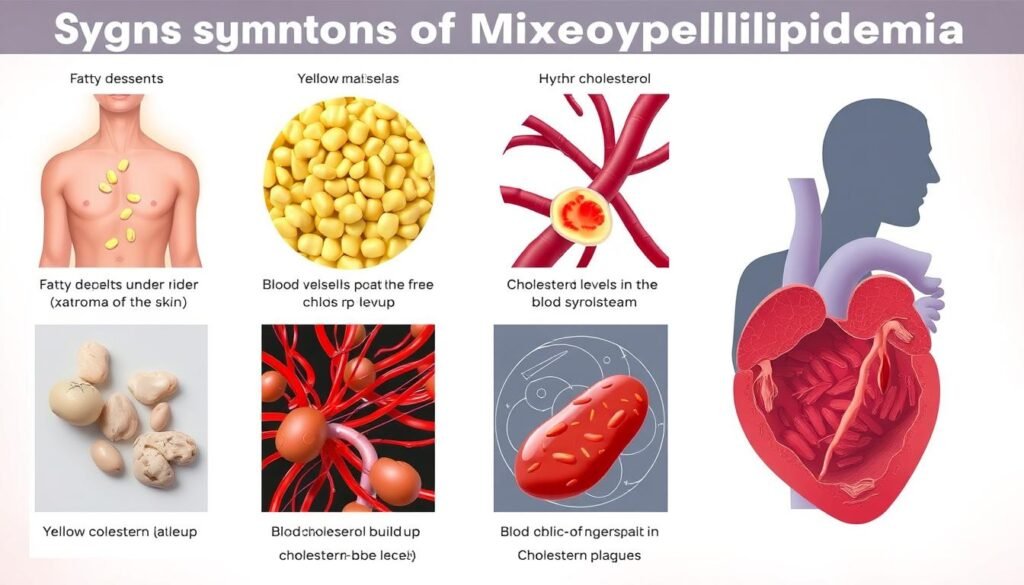
Checking cholesterol is crucial because high cholesterol impacts 93 million U.S. adults. Not paying attention to important signs can lead to big health problems. It highlights why it’s vital to keep an eye on cholesterol levels.
For tips on keeping cholesterol in check, visit this link.
What Causes Mixed Hyperlipidemia?
Mixed hyperlipidemia involves different lipid types, which increases cardiovascular risks. It’s mostly caused by genetics. This genetic factor greatly affects cholesterol and triglyceride levels.
Environment adds to the genetic risk. Eating foods high in saturated fats and cholesterol makes it worse. Not moving much and being overweight also add to the problem. This shows how important lifestyle is in managing it.
Familial Combined Hyperlipidemia (FCH) shows genetic impact with cases between 0.5% to 4%. Those with family hyperlipidemia history have higher risks. Lifestyle choices also play a big role in lipid levels and health.
To improve life for those affected, good management is key. Changes like more exercise, healthier food, and keeping a healthy weight help. Medicines like statins and fibrates are also important.

Mixed Hyperlipidemia Symptoms: Risk Factors
Mixed hyperlipidemia is a complex condition influenced by many factors. One main factor is genetics and family history. Some people have a genetic makeup that affects how they handle fats in the body. This can make certain groups more likely to get this condition. It’s especially true if they have family members with hyperlipidemia or heart disease.
Genetic Background and Family History
Some ethnic groups like the Afrikaner and Ashkenazi Jews have a higher risk. They often carry genes that increase their chances of getting mixed hyperlipidemia. This shows why knowing your family history is vital. If you’re at risk, keeping an eye on your cholesterol and heart health is important.
Associated Conditions
Mixed hyperlipidemia doesn’t come alone. It often tags along with obesity, type 2 diabetes, and metabolic syndrome. These conditions can make heart problems more likely. Being obese is particularly risky. If your BMI is over 30, your chances of high cholesterol shoot up. Handling these linked conditions is key to better health.
| Condition | Impact on Mixed Hyperlipidemia |
|---|---|
| Obesity | Increases risk of high cholesterol; contributes to other metabolic disorders. |
| Type 2 Diabetes | Exacerbates lipid abnormalities; linked with cardiovascular risk. |
| Metabolic Syndrome | Comprises a cluster of conditions increasing heart disease risk; often overlaps with hyperlipidemia. |
The Importance of Cholesterol Levels
Knowing how LDL and HDL cholesterol balance affects our health is key. These fats in our blood must be managed well to avoid heart disease. They travel through our body in particles called lipoproteins. It’s important to understand this for good health.
What are LDL and HDL Cholesterol?
LDL cholesterol is often called “bad” because it takes cholesterol to cells. Too much LDL leads to artery plaque, raising heart disease risk. On the other hand, HDL cholesterol is “good” as it takes LDL out of your blood, helping protect the heart. Keeping a good balance between LDL and HDL is crucial for heart health.
Understanding Triglycerides
Triglycerides are fats used to store extra calories in the blood. High levels, especially with high LDL, can cause artery hardening. This can lead to heart attacks or strokes. That’s why it’s critical to regularly check all types of blood fat levels for your health.
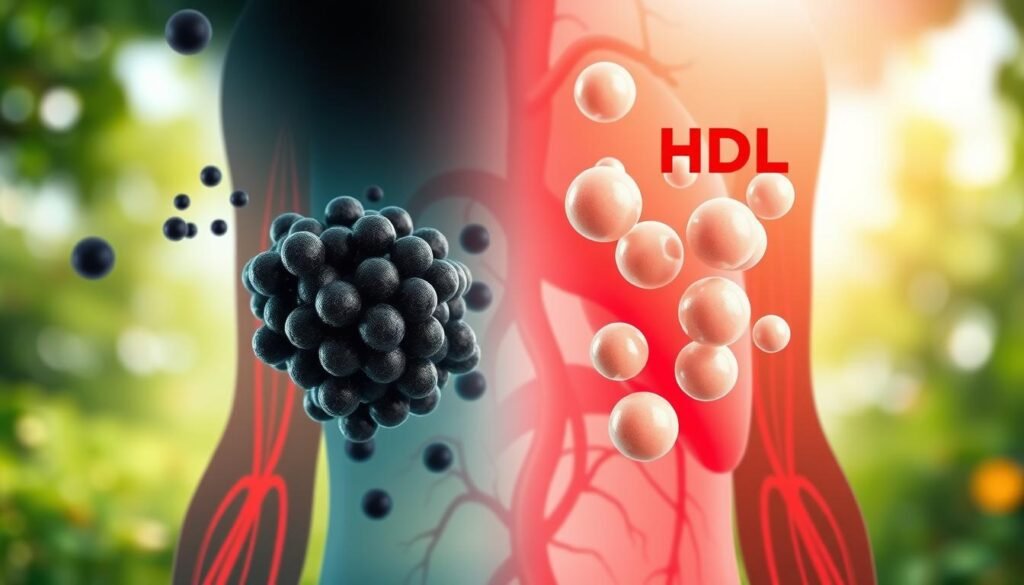
| Cholesterol Type | Role | Risk Factors |
|---|---|---|
| LDL Cholesterol | Transports cholesterol to cells | High levels lead to plaque buildup |
| HDL Cholesterol | Removes LDL cholesterol from bloodstream | Low levels increase plaque risk |
| Triglycerides | Stores unused calories | High levels can lead to atherosclerosis |
Complications and Associated Health Risks
Mixed hyperlipidemia raises serious health risk levels. People with this condition often experience more heart disease issues. These are due to cholesterol plaques building up in arteries. This can lead to heart problems, like coronary artery disease, which might cause angina or heart attacks.
Heart Disease Risks
Understanding heart disease risks linked to mixed hyperlipidemia is key. If cholesterol levels climb, health risks go up significantly. Experts advise regular cholesterol checks, since hyperlipidemia often shows no symptoms early on. Following the American Heart Association advice, adults should get tested every 4 to 6 years if they’re at low risk. It is crucial to keep cholesterol levels—total cholesterol under 200 mg/dL, LDL under 100 mg/dL, and HDL over 40 mg/dL for men and 50 mg/dL for women—in check to lower risks.
Potential Complications: Stroke and Heart Attack
Mixed hyperlipidemia can lead to severe issues like strokes and heart attacks. They might show early signs like confusion, chest pain, severe headaches, or loss of balance. Recognizing symptoms of heart attacks quickly can save lives. It’s critical to get medical help fast when these signs appear. Being aware of stroke risks linked to hyperlipidemia is crucial for prevention. It shows how vital a healthy lifestyle and regular check-ups are in managing cholesterol and reducing health risks.
Diagnosing Mixed Hyperlipidemia
Doctors start by taking a lipid panel to measure cholesterol and triglycerides. It’s key for blood tests. Patients must not eat for 12 hours before to get accurate results. This test checks for high LDL-C and triglycerides, which are harmful to health.
A look into family health history helps understand if hyperlipidemia is inherited. It’s crucial for those under 40 to get screened early. Doing so helps catch problems before they lead to heart disease.
The need to keep an eye on cholesterol is vital. Adults should get tested every five years. People with a family history of heart problems may need tests more often. You can find more info here.
Knowing what the lipid panel shows is important for identifying risk. Acting on these results can help manage hyperlipidemia. This approach improves heart health significantly.
Managing and Treating Mixed Hyperlipidemia
There are two main ways to handle mixed hyperlipidemia: changing your lifestyle and taking medicine. Both are key in reducing harmful lipid levels and cutting down health risks. People often start with adjusting their lifestyle for better heart health.
Lifestyle Changes
Eating heart-healthy food is a must for managing mixed hyperlipidemia. Including lots of fruits, veggies, and whole grains helps lower bad fats in your blood. Key lifestyle changes you should make are:
- Following a heart-healthy diet.
- Engaging in regular physical activity.
- Quitting smoking to lower heart disease risk.
- Maintaining a healthy weight through proper diet and exercise.
These adjustments can lower your risk of heart disease and improve your heart health. Losing weight by eating fewer calories can also help manage lipid levels better.
Medications
If lifestyle changes aren’t enough, doctors might suggest medicine to control your lipids. Statins are often prescribed to reduce bad cholesterol and protect your heart. Other options include:
- Fibrates for lowering triglyceride levels.
- Omega-3 fatty acid supplements.
- Bile-acid-binding resins to help lower cholesterol absorption.
- Cholesterol absorption inhibitors.
- Injectable drugs for those needing more aggressive treatment.
It’s crucial to have regular lab tests to see how the treatment is working and check for side effects. A plan that includes both lifestyle changes and medications can effectively manage mixed hyperlipidemia.
| Medication Type | Target Lipid Level | Benefits |
|---|---|---|
| Statins | Lower LDL | Reduces risk of heart attacks and strokes |
| Fibrates | Lower triglycerides | Effective for elevated triglyceride levels |
| Omega-3 Supplements | Lower triglycerides | Promotes heart health |
| Bile-Acid-Binding Resins | Lower cholesterol absorption | Helps reduce LDL cholesterol |
| Cholesterol Absorption Inhibitors | Lower LDL | Effective in combination with statins |
| Injectable Drugs | Lower LDL | For more aggressive treatment needs |
Conclusion
To keep healthy in the long term, it’s key to manage mixed hyperlipidemia well. This can prevent serious issues like heart disease and stroke. While we can’t change our genes, managing our lipid levels can really boost our health.
Adding healthy habits is vital. Eat well, stay active, and don’t smoke. Sometimes, medicine is needed too. Getting regular blood tests makes sure your plan is working.
Knowing your risk factors, like family history, helps you stop problems early. By taking care of your lipid levels, you do your part in fighting heart disease. This doesn’t just help you, but everyone around you too.