Did you know 93 million American adults have cholesterol above 200 mg/dL? This fact shows the link between obesity and cholesterol issues. It’s crucial for heart health. Obesity is a growing problem worldwide. It affects cholesterol levels. High “bad cholesterol,” or LDL, raises heart disease risk. To fight obesity and cholesterol problems, live healthily. Manage your weight and stay active. This will lead to a healthier life.
Key Takeaways
- Less than 6% of daily calories should come from saturated fat.
- Engaging in at least 150 minutes of moderate-intensity aerobic exercise weekly is beneficial.
- A weight loss of 5% to 10% can improve cholesterol numbers significantly.
- Lifestyle changes are essential to lower cholesterol and reduce heart disease risk.
- Cardiovascular disease remains the leading cause of death in the U.S.
Understanding Obesity and Cholesterol Imbalance
Obesity affects over 78 million adults in the U.S., posing a big public health challenge. It’s identified by having too much body fat—20% over what’s ideal. This issue is closely linked to abnormal cholesterol levels. People with obesity often face high LDL (“bad”) cholesterol and low HDL (“good”) cholesterol. These issues can harm heart health.
The liver is key in making cholesterol, which cells and hormones need. But too much cholesterol, especially with obesity, can lead to heart problems like atherosclerosis. Folks with obesity usually have high LDL and triglyceride levels but low HDL. This raises their risk for heart disease, heart attacks, and strokes.
It’s important to focus on lifestyle choices to manage obesity and cholesterol problems. Eating a lot of saturated fats and not moving enough can make things worse. Losing just 5 to 10% of your weight can really help improve your cholesterol and triglyceride levels. This benefits your heart. Misunderstandings about cholesterol also affect how well these issues are managed. Learn the truths here.
Watching cholesterol levels is key, as high cholesterol doesn’t always cause symptoms. Early screening can spot risks early. To lower cholesterol, it’s crucial to move more and eat less. Understanding how obesity and cholesterol issues connect is vital. It shows why making informed lifestyle changes is essential for better health.
A full approach is needed to tackle obesity and cholesterol issues. This means eating better, exercising, and sometimes taking medicine or considering surgery if your BMI is over 35. Knowing about these health issues gives people the power to improve their health and well-being.
Learning about effective treatments can really help. Changing how you live and treat these conditions is key for long-lasting success. This helps lower cholesterol and manage obesity better.
The Link Between Obesity and High Cholesterol Levels
It’s vital to grasp how obesity connects to high cholesterol for health management. Excess weight changes body composition and boosts cholesterol production. People with obesity often have more low-density lipoprotein (LDL) cholesterol, bad for the heart. This can lead to more health issues.
How Excess Weight Affects Cholesterol Production
Gaining weight makes your liver pump out more LDL cholesterol. Adding 10 pounds could mean making 10 milligrams more cholesterol each day. This shows how body weight impacts cholesterol, leading to worse levels. The global rise in obesity matches up with more people having cholesterol problems.
The Role of Insulin Resistance
Insulin resistance adds complexity to obesity and cholesterol’s connection. It makes obesity worse by increasing fatty acids in the liver. This affects how cholesterol is handled, making it tough to lower cholesterol levels. Many obese people are insulin resistant, complicating their cholesterol and metabolic health management.
| Impact of Obesity on Cholesterol | Effect on LDL Levels | Effect on HDL Levels |
|---|---|---|
| Excess Weight Gain | Increases LDL production | Decreases HDL |
| Insulin Resistance | Exacerbates LDL metabolism | Reduces HDL functionality |
| 10 Pounds of Excess Weight | +10 mg increase in daily LDL | N/A |
Understanding obesity’s link with cholesterol and insulin resistance helps tackle health better. It encourages strategies to reduce cholesterol.
Health Risks Associated with Obesity
Obesity is more than a matter of appearance. It brings real health risks. A body mass index (BMI) of 30.0 or higher signals obesity. This condition raises the likelihood of various health problems, especially heart disease.
Understanding these dangers is crucial. It helps us prevent obesity and encourage healthier living.
Cardiovascular Disease Risks
Heart disease is a major worry for overweight individuals. High bad cholesterol (LDL) and low good cholesterol (HDL) increase the risk of heart issues. Also, people with waist sizes over 35 inches for women and 40 inches for men are at risk.
This excess fat, especially around the midsection, harms heart health. It shows why we need to act against obesity now. Preventing obesity is crucial.
Other Related Health Conditions
Obesity doesn’t just affect the heart. It’s linked to high blood pressure, diabetes, sleep problems, and some cancers. Those struggling with obesity often have high blood sugar, high blood pressure, and don’t move much.
Losing a little weight can make a big difference. Shedding 5% to 10% of your weight improves health. It highlights the need to tackle obesity from all angles.
Obesity and Cholesterol Imbalance: Causes and Symptoms
It’s essential to understand what causes obesity and cholesterol problems. Lifestyle choices, genes, and emotions all play a part. Recognizing these reasons helps people tackle health issues and get better.
Contributing Factors to Obesity
Many things lead to obesity. Let’s look at the key factors:
- Poor dietary choices, often characterized by high-calorie, low-nutrient foods.
- Lack of physical activity that can stem from sedentary lifestyles.
- Genetic predispositions affecting metabolism and fat storage.
- Emotional factors, such as stress and depression, leading to overeating.
Understanding the causes of obesity is key for helping and obesity and cholesterol management.
Identifying Cholesterol Imbalance Symptoms
Sometimes, cholesterol issues don’t show symptoms right away, but they’re still harmful. Here are some signs:
- Fatigue, which may be linked to inadequate blood circulation.
- Chest pain, potentially signaling blockages in arteries.
- High blood pressure, commonly associated with high cholesterol.
Finding out these symptoms of cholesterol imbalance is the first step to getting help. This way, people can improve their cholesterol levels and handle obesity better.
| Factor | Impact on Health |
|---|---|
| Poor Diet | Increases body weight and cholesterol levels. |
| Lack of Exercise | Promotes weight gain and hinders cholesterol regulation. |
| Emotional Stress | Leads to unhealthy eating habits and hormonal fluctuations. |
| Genetic Factors | Affects cholesterol metabolism and regulation abilities. |
Effective Weight Management Strategies
Managing your weight well is key for good health. This is especially true when dealing with obesity or high cholesterol. By making meaningful lifestyle changes, you can see lasting benefits. A healthy diet and regular exercise are the basics for reaching your health goals.
Importance of Lifestyle Changes
For effective weight control, it’s essential to change your lifestyle towards better health. Adding at least 30 minutes of exercise daily and eating healthy foods are big steps. Activities such as walking fast or biking help you lose weight and keep your heart healthy by lowering cholesterol. Eating foods like lean meats, vegetables, and whole grains is crucial. A food journal is a great tool for keeping track of what you eat and staying on course.
Setting Realistic Weight Loss Goals
Setting achievable goals is crucial for weight management success. It’s best to aim for a weight loss of 1 to 2 pounds each week. This pace encourages consistency. First, assess your body weight and BMI to tailor a plan that fits your life. Remember, lasting change works better than quick fixes. Even small adjustments in your diet or increasing your workouts can have a big impact over time.
Healthy Diet Tips for Lowering Cholesterol
Diet is key in controlling cholesterol. It’s vital to follow healthy diet tips. Adding heart-healthy foods makes a big difference to your health. Know what foods to pick, understand portion control, and plan your meals for better cholesterol management.
Identifying Heart-Healthy Foods
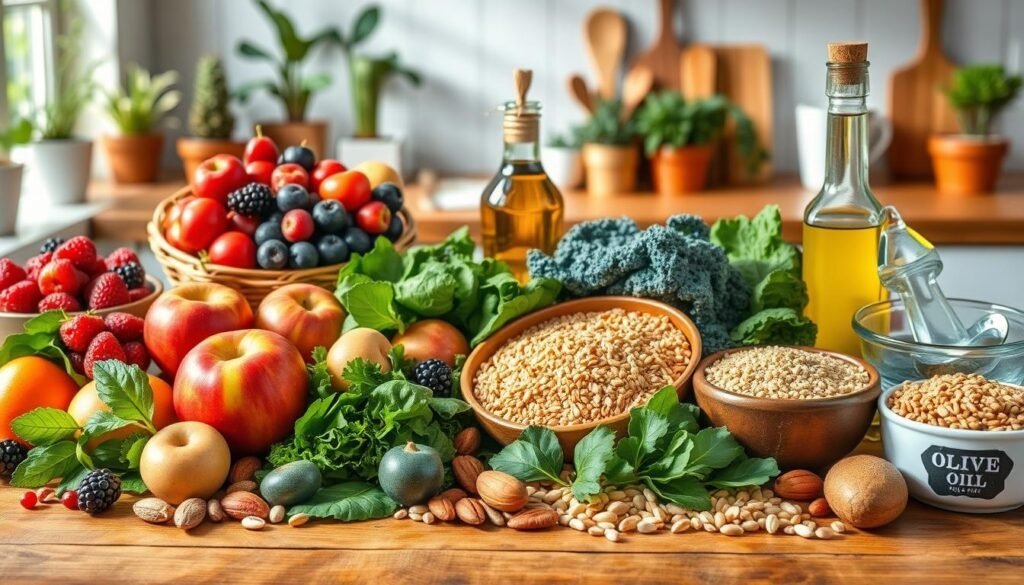
Choosing the right foods is important to lower cholesterol. Consider these heart-healthy choices:
- Omega-3 fatty acids: Found in salmon, mackerel, and walnuts, they help reduce blood pressure and lower triglyceride levels.
- Soluble fiber: Foods like oatmeal, apples, and legumes prevent cholesterol absorption in your bloodstream.
- Plant stanols and sterols: Found in whole grains, nuts, and oils like olive oil, they block cholesterol absorption.
- Lean proteins: Opt for chicken, fish, and beans over red meat to cut saturated fat intake.
- Low-fat dairy products: They offer calcium and protein without the saturated fats of full-fat versions.
Understanding Portion Sizes and Meal Planning
Good meal planning helps manage cholesterol. Watching portion sizes helps keep your diet balanced. Follow these portion guidelines:
| Food Group | Recommended Serving Size | Examples |
|---|---|---|
| Grains | 1 cup cooked | Brown rice, quinoa |
| Fruits | 1 medium or 1 cup chopped | Apples, berries |
| Vegetables | 1 cup raw or ½ cup cooked | Spinach, carrots |
| Proteins | 3-4 ounces | Chicken breast, fish |
| Fats | 1-2 tablespoons | Olive oil, avocado |
Adopt these healthy diet tips and focus on meal planning and portion sizes. This will help lower your cholesterol and keep your heart healthy.
Physical Activity for Weight Loss and Cholesterol Management
Regular physical activity is key for losing weight and managing cholesterol. The American Heart Association suggests doing moderate-intensity aerobic exercise for at least 150 minutes weekly. These activities help lower cholesterol, reduce blood pressure, and boost health overall.
Recommended Exercise Types
There are many ways to stay fit and healthy. Some helpful activities include:
- Brisk walking: This easy exercise is great for all fitness levels. It helps burn calories and keeps the heart healthy.
- Cycling: Cycling regularly can lower your cholesterol. It’s a fun way to get exercise.
- Swimming: Swimming works the whole body. It’s good for the heart and easy on the joints.
- Resistance training: Strength exercises could improve cholesterol. Scientists are still studying how it affects LDL cholesterol.
- Dance, yoga, and Pilates: These improve both body and mind.
Running, even a little, may cut the risk of heart problems. It’s a good addition to your exercise plan.
Creating an Effective Routine
When making an exercise plan, think about what you like and your lifestyle. Try to exercise at an intensity that gets your heart rate to 50%-85% of its max. This will help burn calories and improve your heart health. Mixing exercise with healthy eating and stress control is important.
Exercising regularly is crucial for reducing cholesterol, especially if you have diabetes or high blood pressure. A support network and clear goals can help you succeed in losing weight and controlling cholesterol.
Cholesterol Screening and Management Guidelines
Getting your cholesterol checked is key to spotting if you’re at risk for heart diseases. It’s important because following the right guidelines can improve everyone’s health. Experts say adults should start getting screened at certain ages or if they have certain risk factors.
Why Regular Screening is Important
Men 35 and older and women 45 and up with a higher risk for heart disease need regular cholesterol checks. This is something the U.S. Preventive Services Task Force strongly backs. Even younger adults, men between 20-35 and women from 20-45, should check their cholesterol if they have heart disease risk factors. Screening is how we find and tackle unhealthy cholesterol levels before they cause bigger issues.
Interpreting Cholesterol Test Results
Knowing what your cholesterol numbers mean helps you make smart health choices. Tests usually check your total cholesterol, LDL (the bad kind), HDL (the good kind), and triglycerides. Ideal numbers can vary. For example, it’s best if LDL is under 100 mg/dL unless you have heart disease. If your total cholesterol is over 200 mg/dL, your risk for heart disease goes up.
When talking about your cholesterol results, doctors look at your overall heart disease risk too. Things like your age, gender, family health history, and how you live affect this risk. Keeping up with cholesterol screenings is a major part of staying ahead of heart problems.

Cholesterol Lowering Strategies Beyond Diet and Exercise
There are many ways to lower cholesterol that don’t just involve diet and exercise. Sometimes, when changing your lifestyle isn’t enough, you need to look at other options. Medications and natural supplements can both help in reducing cholesterol levels in different ways.
When to Consider Medication
When lifestyle changes don’t lower high cholesterol, medicine may be needed. Statins are often the go-to because they’re good at lowering LDL cholesterol. They can greatly lessen the risk of heart problems. Doctors usually suggest trying medicine if lifestyle tweaks haven’t worked well enough by a certain time.
Exploring Natural Supplements and Alternatives
Some people prefer natural supplements to help lower their cholesterol. These can be a great addition to standard methods. Here are some good natural options:
- Omega-3 fatty acids in fish oil can help lower triglycerides and improve heart health.
- Soluble fiber, found in oats and beans, lowers cholesterol absorption in the body.
- Plant sterols can reduce LDL cholesterol by 8-10% if you take 2 grams a day.
- Red yeast rice has something called monacolin K, which can lower LDL cholesterol by 15-25%.
- Psyllium husk, with a dose of 10 grams daily, lowers LDL cholesterol after three weeks.
Talking to healthcare experts is key when picking the best way to manage cholesterol. It’s important to find the right mix of medication, natural supplements, and lifestyle changes. This will help you achieve the best health and well-being overall.
| Supplement | Targeted Cholesterol Type | Potential Reduction | Common Source |
|---|---|---|---|
| Omega-3 Fatty Acids | Triglycerides | Varies | Fish Oil |
| Soluble Fiber | LDL Cholesterol | Varies | Oats, Beans |
| Plant Sterols | LDL Cholesterol | 8-10% | Fortified Foods |
| Red Yeast Rice | LDL Cholesterol | 15-25% | Fermented Rice |
| Psyllium Husk | LDL Cholesterol | 13 mg/dL | Herbal Supplement |
Obesity Prevention: Building Healthy Habits
Creating healthy habits early is key to avoiding obesity, especially in kids. Parents and caregivers are crucial in this. They should encourage choosing healthy foods and being active. A positive atmosphere at home, school, and in the community supports these healthy choices. This, in turn, improves health.
The Importance of Early Intervention
Tackling obesity early sets up kids for a healthy life. Talking to them about good eating and active living makes them more aware. Research shows early help, like nurse visits at home, can make kids less likely to be overweight. Making learning and exercise fun helps kids want to move more. This matches the World Health Organization’s advice of 60 minutes of activity a day.
Encouraging a Supportive Environment
Support from around us helps fight obesity. For instance, schools can offer healthy meals and cut back on junk food. Families working together make a big difference. Studies say that working as a team and watching less TV can help kids lose weight. Government policies that make it easier to get healthy food and exercise are important. For more info, check out this research. It explains how our surroundings can influence our health choices.
Conclusion
Managing obesity and cholesterol is key to better heart health. The growth of obesity, mainly in North America and Europe, brings big risks. These include heart disease, high blood pressure, and type-2 diabetes. It’s important to understand how extra weight and bad cholesterol are linked.
Making healthy choices is crucial. Eating well and staying active can lower these health risks. Research shows losing a bit of weight and following diets like the Mediterranean can boost good cholesterol. This makes your heart healthier and prevents heart problems.
To handle obesity and cholesterol well, we need a complete plan. This plan should include getting cholesterol checked often and being active. Together, these steps form a strong foundation for lifelong health and a better future.