Did you know half of all adults in the U.S. have high cholesterol or blood pressure? These aren’t just numbers; they’re big warnings. They can lead to heart disease, heart attacks, and strokes. Controlling them is key to heart health and a better life.
By knowing the risks and making changes, you can greatly improve your health. This reduces future health problems.
Mix diet, exercise, and check-ups to manage these issues. Staying ahead of your health is vital. Early action makes a real difference. For more, check out this resource.
Key Takeaways
- High cholesterol and high blood pressure are critical risk factors for cardiovascular diseases.
- Lifestyle changes such as diet and exercise can greatly improve heart health.
- Regular health screenings can help detect these conditions early on.
- Quitting smoking can lead to significant improvements in cholesterol levels.
- A modest weight loss of 5% to 10% can improve cholesterol and blood pressure.
Understanding the Importance of Heart Health
Heart health is key to our overall well-being. High cholesterol and high blood pressure affect our hearts badly, leading to big health issues. About 38% of U.S. adults have high cholesterol and over 43% have high blood pressure. These numbers show why we must pay attention and act early.
It’s vital to keep cholesterol in check to lower heart disease risk. “Bad” cholesterol, or LDL, clogs arteries. “Good” cholesterol, HDL, helps remove bad cholesterol. It’s important to keep these in balance. Eating healthy and avoiding certain fats can really help.
High blood pressure is a big heart health risk. It can cause heart attacks and strokes. If not managed, it might lead to heart failure or kidney issues. Regular check-ups are key to catching and managing these risks early. Find out more about blood pressure, cholesterol, and heart health here.
What Causes High Cholesterol and High Blood Pressure?
Understanding what leads to high cholesterol and hypertension is key for heart health. Several factors are behind these conditions. Lifestyle choices are significant in influencing cholesterol and blood pressure.
Eating habits have a big impact on cholesterol. High saturated and trans fats increase “bad” cholesterol levels. Not eating enough fruits, vegetables, and whole grains harms health. Too much sugar also harms cholesterol and blood pressure.
Not moving enough and being overweight are part of the problem. Staying inactive can cause weight gain, raising the risk for these health issues. Being obese, with a BMI over 30, increases danger for both conditions.
Genetics also matter. If heart disease runs in the family, your risk goes up. Diabetes, chronic kidney illness, and HIV/AIDS can raise cholesterol. All these factors together heighten the chance of heart problems like atherosclerosis, leading to heart attacks and strokes.
Knowing these causes helps in preventing and managing them. By changing what we can control and understanding our genetic risks, we can keep our hearts healthier.
The Connection Between High Cholesterol and High Blood Pressure
It’s important to know how high cholesterol and high blood pressure are linked. Studies show that over 60% of people with high blood pressure also have high cholesterol. This combination increases the cardiovascular risk by causing damage to arteries over time.
High cholesterol, especially the type called low-density lipoprotein (LDL), worsens health issues like heart disease and strokes. People with metabolic syndrome are at higher risk. This syndrome groups conditions that up the chance of heart disease, including high cholesterol and blood pressure.
Lipoprotein(a), a specific subtype, doesn’t by itself up cardiovascular event risks in those without high blood pressure. But, it significantly raises risk in those with high blood pressure. This shows why monitoring both cholesterol and blood pressure is vital.
Making proactive lifestyle changes helps manage these conditions. A healthy diet and regular physical activity are key. Experts recommend at least 150 minutes of aerobic exercise each week. This can greatly improve your health and reduce the risk of heart problems.
For more advice on handling these issues, there are resources available. They help you understand high cholesterol’s effects within the context of high blood pressure and heart health. Check out this comprehensive guide for more info.
Key Risk Factors for Cardiovascular Disease
Cardiovascular disease is a big health problem. About 47% of Americans have major risk factors like high blood pressure, high cholesterol, or smoking habits. High blood pressure is especially tricky. It doesn’t show symptoms but harms the heart, kidneys, and brain.
High cholesterol is also dangerous. It makes LDL (bad) cholesterol levels rise, which clogs arteries and limits blood flow. HDL (good) cholesterol, however, helps protect the heart. People with diabetes are at greater risk. They are more likely to die from heart disease than those without it.
Obesity is another key risk. It’s linked to having more bad cholesterol and triglycerides but less good cholesterol. This imbalance can lead to high blood pressure and diabetes. These in turn make each other worse. Changes in lifestyle are crucial for dealing with these risks. Eating lots of saturated and trans fats, not moving much, drinking too much alcohol, and smoking can all increase heart disease risk.
Genetics play a role in heart disease risk too. Some factors, like age, gender, and family history, can’t be changed. But you can lower your risk by stopping smoking, eating better, and getting more exercise.
| Risk Factor | Description | Modifiable |
|---|---|---|
| High Blood Pressure | Affects heart, kidneys, and brain; often asymptomatic. | Yes |
| High Cholesterol | Leads to plaque buildup in arteries; increases heart disease risk. | Yes |
| Diabetes | Increases risk of death from heart disease. | Yes |
| Obesity | Linked to unhealthy cholesterol levels and high blood pressure. | Yes |
| Smoking | Contributes significantly to heart disease risk. | Yes |
| Genetic Factors | Includes age, gender, and family history. | No |
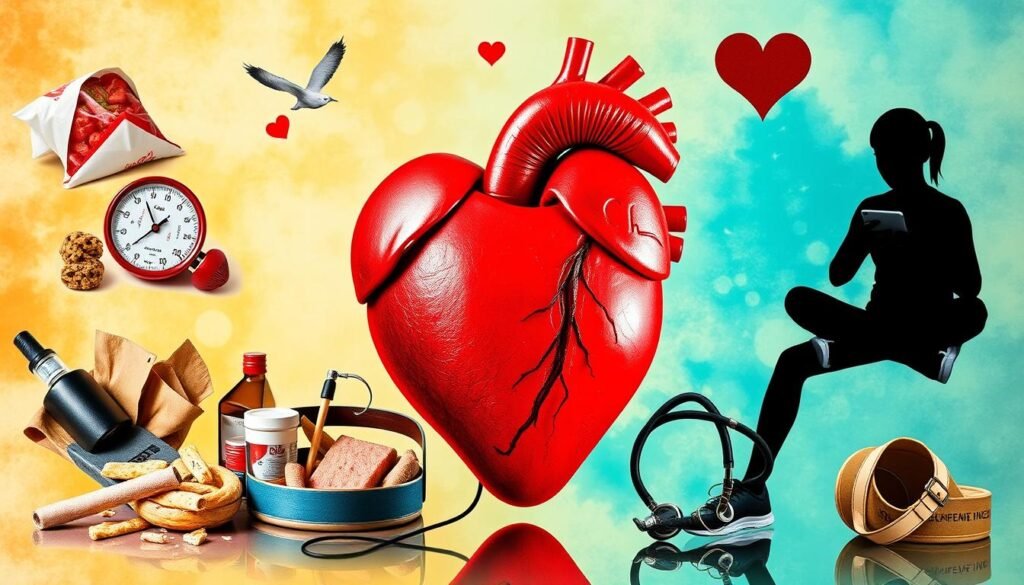
Lifestyle Changes to Manage Cholesterol and Blood Pressure
Making effective lifestyle changes can greatly improve cholesterol and blood pressure control. Including a heart-healthy diet, more physical activity, and managing weight can significantly benefit overall health. These adjustments lead to better health metrics and reduce cardiovascular disease risks.
Adopting a Heart-Healthy Diet
A heart-healthy diet focuses on whole foods. Aim for daily calories where up to 35% come from fats, with less than 7% from saturated fats. It’s crucial to keep cholesterol intake below 200 mg per day for those managing cholesterol levels. Adding 10 to 25 grams of soluble fiber each day can lower cholesterol absorption. Including 2 grams of plant stanols and sterols also helps.
Choosing the right foods is key. Enjoy fish rich in omega-3 acids at least two times a week. It’s also important to limit sodium; staying under 2,300 milligrams a day can lower heart disease risk. The DASH diet, for example, recommends six to eight servings of grains, four to five servings of veggies, and four to five servings of fruits daily for heart health.
Increasing Physical Activity
Staying active is crucial for keeping a healthy weight and boosting heart health. Aim for 150 minutes of moderate exercise weekly to lower cholesterol and blood pressure. Regular activities like walking, biking, or swimming bring big benefits if done consistently.
Maintaining a Healthy Weight
Managing your weight directly affects cholesterol and blood pressure. Just losing a small amount of weight can make a big difference. Many find that a balanced diet and frequent exercise help maintain a healthy weight, leading to improved heart health.
| Strategy | Recommended Action |
|---|---|
| Heart-Healthy Diet | Consume lean proteins, whole grains, fruits, and vegetables. |
| Sodium Management | Limit to 2,300 mg or less per day. |
| Saturated Fat Intake | Keep under 7% of total daily calories. |
| Regular Exercise | Aim for at least 150 minutes of moderate-intensity activity weekly. |
| Weight Management | Target a reduction of at least 5-10% of total body weight. |
Diet Modifications for Optimal Heart Health
Choosing the right foods is key to better heart health and managing cholesterol. Selecting what to eat can greatly affect your cholesterol levels, blood pressure, and heart well-being. Learning what foods to eat and avoid is crucial for healthier living.
Foods to Include
Adding heart-friendly foods brings many benefits. Include these to lower cholesterol:
- Cold-water fish like salmon, mackerel, and herring give you omega-3 fatty acids.
- High-fiber foods help reduce cholesterol. Choose cereals with 5 grams of fiber or more and add legumes such as beans and lentils.
- Monounsaturated fats in avocados, nuts, and olive oil are good for the heart.
- Low-fat or fat-free dairy products offer calcium without too much saturated fat.
Foods to Avoid
Some foods can harm heart health. Here are items to limit or skip:
- Saturated fats in red meat and full-fat dairy should be less than 10% of your daily calories. Aim for less than 6%, says the American Heart Association.
- Trans fats in processed snacks and baked goods are bad. Try to avoid them.
- High-sodium foods in processed meals are not good. Keep your sodium under 1,500 mg a day.
- Added sugars in soft drinks and sweets should be kept to a minimum. They can raise your weight and cholesterol.
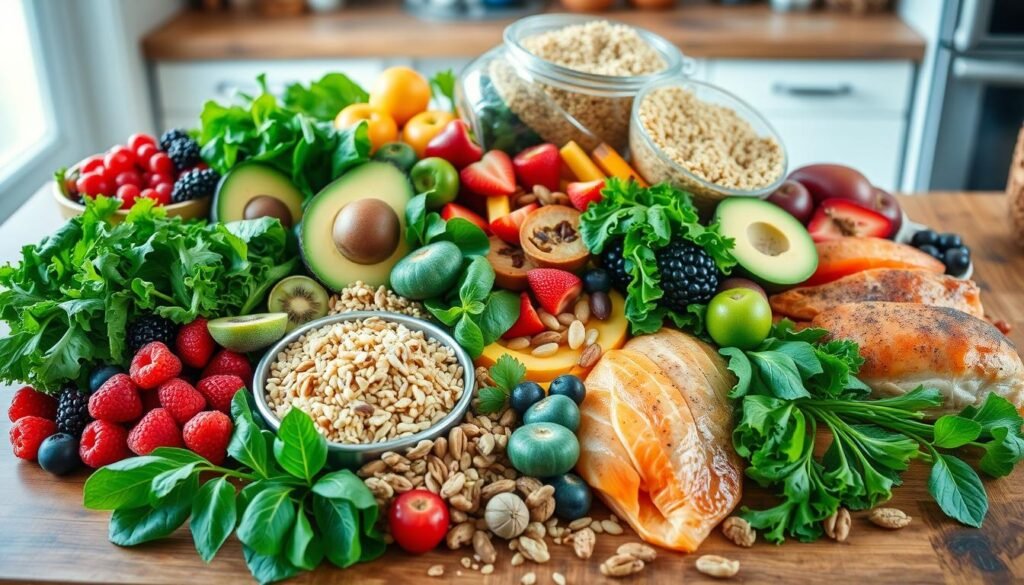
Knowing these dietary strategies helps manage cholesterol and improve heart health. Choosing a balanced diet full of wholesome foods and avoiding bad ones is key to healthy living.
| Food Type | Include | Avoid |
|---|---|---|
| Proteins | Fish, legumes, lean poultry | Red meat, processed meat |
| Fats | Olive oil, avocados, nuts | Saturated fats, trans fats |
| Sodium | Fresh ingredients, herbs | Canned goods, fast food |
| Sugars | Natural sweeteners | Soft drinks, sugary snacks |
| Fiber | Whole grains, fruits, veggies | Refined grains |
Importance of Regular Health Screenings
Regular health screenings are vital. They reveal high cholesterol and blood pressure early on. This way, people can improve their heart health sooner. Knowing when to get tested and what the results mean can change your life.
When to Get Tested
Healthy adults should check their cholesterol every four to six years, starting at 20. This is what the American College of Cardiology suggests. It’s key to watch your LDL levels, as they can raise your risk of heart attacks and strokes.
Kids need a cholesterol check between 9 and 11. Teens should do it between 17 and 21. If you’re at risk for heart issues, you might need tests more often. Screenings also look at blood pressure and weight for a full health picture. Regular check-ups are crucial for staying healthy.
Understanding Your Numbers
Health screenings give you important numbers about your health. You will learn about total cholesterol, LDL, HDL, and triglycerides. It’s important to know these for your health’s sake. Blood pressure should be under 120/80 mmHg, generally.
Knowing your blood sugar is also important. If it goes over 200 after eating, you may need more tests. Understanding these numbers lets you make smart health choices. Make sure to get regular health checks and know your numbers. For more info, check out health screenings recommendations.
Medication Management for High Cholesterol and Blood Pressure
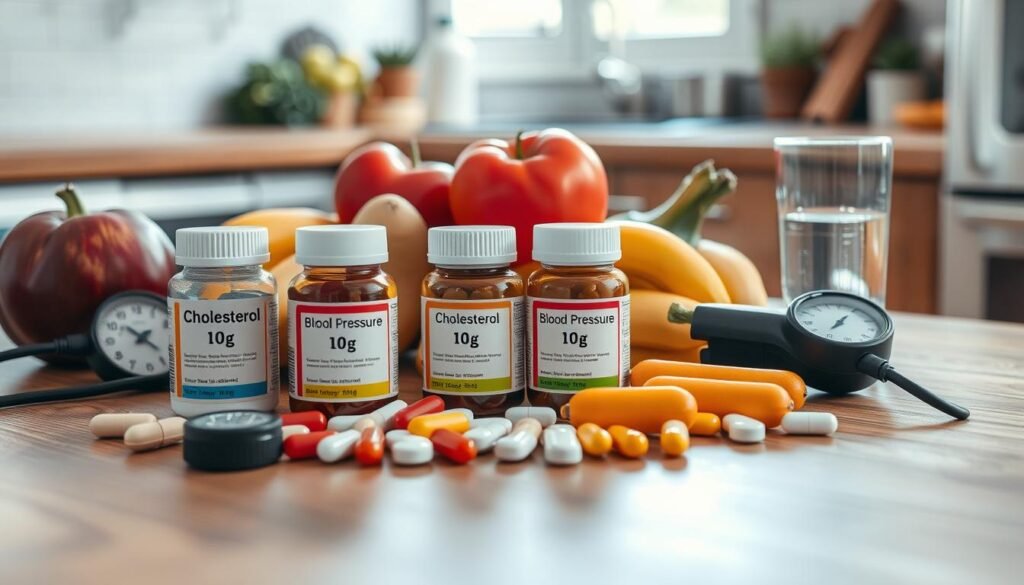
Sometimes, changes in lifestyle aren’t enough to manage high cholesterol and blood pressure. This is where medications come into play. There are several types that can help. Knowing what’s available and following the doctor’s advice can make a big difference in your health.
Common Medications Prescribed
Cholesterol medications typically include:
- Statins: These drugs effectively lower LDL cholesterol and triglycerides while slightly increasing HDL cholesterol. Statins, such as atorvastatin and simvastatin, are commonly prescribed but can lead to side effects like muscle pain and increased blood sugar levels.
- Cholesterol absorption inhibitors: Ezetimibe is a notable example that decreases LDL cholesterol. Possible side effects include stomach pain and diarrhea. These medications are best avoided during pregnancy.
- PCSK9 inhibitors: Such as alirocumab and evolocumab, these drugs lower LDL levels significantly for those with genetically high LDL or intolerance to other cholesterol medicines. Side effects may include injection site reactions.
- Bile acid sequestrants: These can help reduce LDL cholesterol with mild increases in HDL cholesterol but may cause gastrointestinal issues like bloating or heartburn.
- Fibrates: Fenofibrate and gemfibrozil decrease triglycerides, slightly lowering LDL and increasing HDL cholesterol. Nausea and muscle pain are possible side effects.
- Niacin: Known for its ability to lower both LDL and triglycerides while raising HDL cholesterol, it may cause flushing and stomach upset.
- Omega-3 fatty acids: Brands like Lovaza and Vascepa can reduce triglycerides but may lead to belching and an increased bleeding risk.
Adherence to Medication Plans
Sticking to your medication plan is key to treating high cholesterol and blood pressure. But this can be hard due to side effects or a complex schedule. Here are ways to stay on track:
- Establishing a daily schedule for taking medications.
- Utilizing pillboxes or reminders to track doses.
- Discussing any side effects with healthcare providers for possible adjustments.
- Understanding the importance of these medications in preventing serious cardiovascular events.
Managing your medications is a big step towards better heart health. It shows how important it is to work with your doctor and stay informed.
Preventive Measures to Lower Risk
It’s important to add preventive steps to your daily life. This reduces the risks that come with high cholesterol and blood pressure. Choices in lifestyle can lead to a healthier heart and better overall well-being. Quitting smoking and drinking alcohol in moderation greatly benefit your heart.
Smoking Cessation
Stopping smoking is a big step towards better heart health. Smoking can raise your cholesterol and increase heart disease risk. When you quit, your cholesterol improves and your heart disease risk drops. So, finding help through support programs is key in beating nicotine addiction and boosting heart health.
Moderation with Alcohol Consumption
Keeping alcohol intake low is good for your heart. Drinking too much raises blood pressure and triglyceride levels, upping heart disease risk. The American Heart Association suggests drinking in moderation. This balance helps keep your heart healthy while still letting you enjoy social events.
Choosing a lifestyle with no smoking and limited alcohol is crucial for those with high cholesterol. Following heart health guidelines can lower risks and enhance life quality. Even small lifestyle changes can make a big difference over time.
Conclusion
It’s vital to manage high cholesterol and blood pressure for a healthy heart. Adopting a diet good for your heart and staying active greatly helps control blood pressure. Also, picking the right medication is key when lifestyle changes aren’t enough.
Young adults with high LDL and blood pressure face more heart risks. Starting healthy habits early can improve life later. People can lower their risk of heart diseases by making smart health choices.
Talking to healthcare experts is crucial. They offer advice that matches your health needs, helping you stick with heart-healthy actions. By focusing on these steps, we can live healthier and avoid the dangers of high cholesterol and blood pressure.