Have you ever thought about how your food choices affect your cholesterol? Choosing the right foods is key for a healthy heart. It helps reduce the risk of heart disease. In this section, we’ll explore how diet affects cholesterol levels. We’ll look at foods that are good for your heart. Get ready to learn how to improve your health through what you eat.
Key Takeaways
- Understanding the impact of diet on cholesterol levels is crucial for heart health.
- Incorporating heart-healthy foods can reduce the risk of cardiovascular diseases.
- Dietary choices play a significant role in managing cholesterol effectively.
- Knowledge of fats, fibers, and proteins helps in making informed food selections.
- Exploring food options will empower individuals on their health journey.
Understanding Cholesterol Levels
Cholesterol is key to our health, playing many important roles. Knowing about cholesterol levels helps us stay healthy and avoid disease.
What is Cholesterol?
Cholesterol is a waxy substance in our cells. It’s needed to make hormones, Vitamin D, and help with digestion. Our bodies make cholesterol, but we also get it from food. It’s important to keep cholesterol levels in check to lower the risk of heart disease.
Types of Cholesterol: HDL vs. LDL
Cholesterol comes in two types: HDL and LDL. HDL, the “good” cholesterol, helps remove other cholesterol from the blood. This protects the heart. LDL is the “bad” cholesterol that can build up in arteries and cause heart problems. Keeping a balance of these is key for heart health.
Why Cholesterol Matters for Health
Cholesterol is vital for our health. Too much LDL can cause heart attacks and strokes. Regular checks help manage cholesterol levels. Learning about diet and lifestyle impacts on cholesterol promotes better choices. For tips on lowering cholesterol with diet, visit dietary guidance provided by health specialists.
Managing Cholesterol Through Diet
Understanding how to manage cholesterol is key for good health. Hypolipidemic nutrition aims to lower blood lipid levels through diet. It’s vital for anyone worried about their cholesterol levels. By changing what you eat, you can really impact your lipid profiles.
Overview of Hypolipidemic Nutrition
The basis of hypolipidemic nutrition is to cut down on saturated fats and eat more fiber. This change helps manage cholesterol and reduces heart disease risk. Eating nutrient-rich whole foods keeps lipid levels healthy.
The Role of Diet in Lipid Profile Management
Diet choices are crucial in managing lipid profiles. Foods high in omega-3 fatty acids, fiber, and antioxidants aid in fighting high cholesterol and boosting heart health. Eating fruits, vegetables, and whole grains is key. Avoid bad fats. Following personalized nutrition plans improves lipid profiles, enhancing health.
Heart-Healthy Foods to Include
Choosing the right foods is key to controlling cholesterol. Adding various heart-healthy foods can boost your wellness and heart health. Consider these important groups for a diet that’s good for your cholesterol.
Fruits and Vegetables: Nature’s Fiber Boosters
Fruits and veggies are packed with Dietary Fiber and antioxidants. They help lower bad cholesterol and are good for your heart. Great choices include:
- Apples
- Bananas
- Carrots
- Spinach
- Berries
Whole Grains for Dietary Fiber
Don’t forget whole grains for a heart-healthy diet. They’re full of soluble fiber that lowers cholesterol. Good options are:
- Oats
- Barley
- Brown rice
- Quinoa
- Whole grain bread
The Benefits of Plant-Based Proteins
Adding Plant-Based Proteins reduces saturated fat from animal products. Foods like legumes, nuts, and seeds are nutritious and help with cholesterol. Try these:
- Chickpeas
- Lentils
- Almonds
- Walnuts
- Chia seeds
| Food Category | Examples | Benefits |
|---|---|---|
| Fruits and Vegetables | Apples, Carrots, Spinach | Rich in antioxidants and dietary fiber |
| Whole Grains | Oats, Barley, Quinoa | High in soluble fiber; lowers cholesterol |
| Plant-Based Proteins | Chickpeas, Lentils, Almonds | Replace saturated fats; full of nutrients |
Using these heart-healthy foods makes a balanced plan for managing cholesterol. They offer a wide variety of tastes and textures to enjoy.
Unsaturated Fats: A Healthier Choice
Switching to unsaturated fats can greatly improve your heart health. These fats are a better option than saturated fats. They help reduce cholesterol, which is crucial for good health.
Sources of Unsaturated Fats
Finding foods high in unsaturated fats is key for a healthier diet. Some top sources are:
- Olive oil
- Avocados
- Nuts and seeds
- Fatty fish, such as salmon and mackerel
- Canola oil
How Unsaturated Fats Help Lower Cholesterol
Adding unsaturated fats to your diet can improve cholesterol levels. These fats help by:
- Reducing LDL (low-density lipoprotein) cholesterol
- Increasing HDL (high-density lipoprotein) cholesterol
- Improving the overall lipid profile
Eating foods with unsaturated fats regularly helps reduce cholesterol. This is good for those looking to live healthier.
| Fat Type | Sources | Effects on Cholesterol |
|---|---|---|
| Unsaturated Fats | Olive oil, Avocados, Nuts | Lower LDL, Raise HDL |
| Saturated Fats | Butter, Red meat, Cheese | Raise LDL |
Having a balanced amount of these fats can make a big difference. It’s a smart choice for controlling cholesterol.
Foods to Avoid for Healthy Cholesterol Levels
To keep your cholesterol levels healthy, you must know which foods to avoid. Your diet greatly affects your HDL and LDL cholesterol, influencing heart disease risk. It’s key to understand the effects of saturated and trans fats, and how processed foods may harm your heart.
Saturated Fats: What to Watch Out For
Saturated fats come mainly from animal-based products like red meat and full-fat dairy. These fats raise your cholesterol, so it’s important to limit them. Foods such as butter, cheese, and cream are high in these fats. Choose lean meats and low-fat dairy instead to keep your cholesterol low.
Trans Fats and Their Effects on Health
Trans fats are bad for your heart health. You’ll find them in many processed foods, bakery items, and some margarines. They raise your bad LDL cholesterol and lower the good HDL kind. To stay healthy, learn to identify trans fats on food labels and avoid them.
Processed Foods: Hidden Dangers
Processed foods can sneak lots of unhealthy fats into your diet. They’re also high in added sugars and sodium, which are not heart-friendly. Avoiding processed items like frozen dinners, snack cakes, and fast food is crucial for heart health. For better advice on foods to avoid, always check with trusted sources.
| Type of Fat | Common Sources | Health Impact |
|---|---|---|
| Saturated Fats | Red meat, full-fat dairy products | Raises LDL cholesterol |
| Trans Fats | Processed foods, margarine | Increases LDL, decreases HDL |
| Processed Foods | Frozen dinners, snacks, fast food | High in fats, sugars, and sodium |
Incorporating Low-Cholesterol Recipes
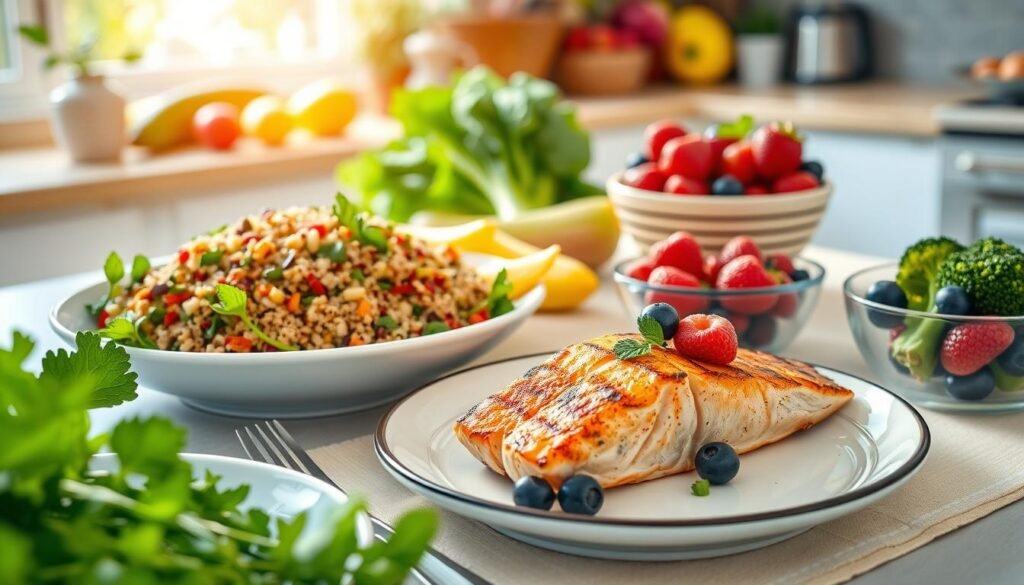
Making meals that are good for your heart can be fun and tasty. Adding low-cholesterol recipes to your daily meals is a great way to keep a healthy diet. And you can still enjoy delicious flavors.
Easy Breakfast Ideas
Breakfast is an important meal that helps start your day right. You can try options like:
- Oatmeal topped with fresh berries and a sprinkle of cinnamon.
- Smoothies made with spinach, banana, and almond milk.
- Whole-grain toast with avocado and sliced tomatoes.
These breakfast ideas are full of important nutrients. They also help you have a heart-healthy day.
Lunch and Dinner Options
It’s important to have variety in your lunch and dinner. Here are a few balanced ideas:
- Quinoa salad with chickpeas, cucumbers, and a lemon vinaigrette.
- Stir-fried vegetables with tofu served on a bed of brown rice.
- Grilled vegetable wraps with hummus spread.
These meals are nutritious and fit well with low-cholesterol eating plans.
Snacks to Satisfy without Compromising Health
Healthy snacks can help control hunger and boost well-being. Try these:
- Fresh fruit with a handful of nuts.
- Vegetable sticks with a dip made from Greek yogurt.
- Whole-grain crackers with guacamole.
Not only are these snacks delicious, but they also keep your energy up without bad fats. For more tips on eating well for cholesterol, check out this resource.
The Importance of Dietary Fiber
Dietary fiber is key for staying healthy, especially with cholesterol levels. It helps us make better food choices. Adding foods rich in fiber to daily diets improves cholesterol and health.
How Dietary Fiber Affects Cholesterol
Studies show that soluble fiber lowers the “bad” LDL cholesterol. This fiber is in oats, beans, and apples. It combines with bile acids in our guts, removing them. This makes the liver use cholesterol to create new bile acids, lowering cholesterol in our blood.
Sources of Soluble vs. Insoluble Fiber
Knowing the difference between soluble and insoluble fiber is vital. Soluble fiber, which reduces cholesterol levels, comes from:
- Oats
- Legumes (like beans and lentils)
- Fruits (such as oranges and apples)
- Barley
Insoluble fiber, important for digestion, is found in:
- Whole grains (like brown rice and whole wheat)
- Vegetables (such as carrots and celery)
- Nuts and seeds
Eating different high-fiber foods benefits heart and digestion. This highlights fiber’s role in a diet to lower cholesterol.
Cholesterol-Lowering Supplements
Supplements can help manage cholesterol alongside a healthy diet. It’s key to know which ones can improve heart health. There are several options to consider for better cholesterol control.
Types of Supplements Available
Many supplements are there to help with cholesterol. You might know some of these:
- Omega-3 Fatty Acids – These are in fish oil and can lower triglycerides.
- Psyllium – A fiber that helps lower bad cholesterol through better elimination.
- Plant Sterols – Compounds that look like cholesterol but block its absorption.
- Red Yeast Rice – Contains a natural substance that can reduce cholesterol.
Consulting with Healthcare Professionals
Talking to Healthcare Professionals before starting supplements is important. They ensure it’s safe and won’t mix badly with other meds. Professional advice can make supplements work better.
| Supplement | Effects on Cholesterol | Possible Side Effects |
|---|---|---|
| Omega-3 Fatty Acids | Lowers triglycerides | Digestive issues |
| Psyllium | Reduces LDL cholesterol | Gas, bloating |
| Plant Sterols | Blocks cholesterol absorption | May cause digestive discomfort |
| Red Yeast Rice | Lowers total cholesterol | Muscle pain, liver issues |
Exercise and Diet: A Balanced Approach
Regular physical activity and a nutritious diet make a Balanced Approach to cholesterol management. Exercise greatly boosts heart health and overall well-being. Moderate activities like brisk walking boost good cholesterol and lower the bad kind.
Importance of Physical Activity
Exercise is key for healthy cholesterol and preventing heart disease. It aids in weight control, improves blood flow, and strengthens the heart. Active folks have lower cholesterol, better blood pressure, and healthier hearts.
Combining Diet with Exercise for Better Results
Exercise and diet together lead to major health gains. Daily workouts with a diet full of fruits, veggies, grains, and good fats are best. For great cholesterol management, here’s what to consider:
| Component | Exercise Benefits | Dietary Contributions |
|---|---|---|
| Weight Management | Burns calories and reduces body fat | Provides necessary nutrients and fiber |
| Heart Health | Strengthens the heart and improves circulation | Lowers LDL and raises HDL levels |
| Mood Enhancement | Releases endorphins, reducing stress | Improves mental health through balanced nutrients |
To better cholesterol, you need knowledge, dedication, and the right mix of exercise and diet. For a comprehensive guide, check this resource.
Monitoring Your Cholesterol Levels
It’s vital to keep an eye on cholesterol levels for heart health. Getting regular tests shows your lipid profile. This helps make informed choices about your diet and health.
Knowing when to test and how to read the results is key to staying healthy.
When to Get Your Cholesterol Tested
Experts say adults should start testing their cholesterol at 20. They should do it every 4 to 6 years if things look normal. But, those with risks like diabetes or a family history of heart disease might need tests more often.
Things like age, how you live, and current health problems can change how often you need to check your cholesterol.
Understanding Your Lipid Profile
Your lipid profile shows different important numbers: total cholesterol, LDL, HDL, and triglycerides. Knowing these helps you understand your heart health.
| Lipid Component | Desirable Level | Implications |
|---|---|---|
| Total Cholesterol | Less than 200 mg/dL | Desirable for cardiovascular health |
| LDL | Less than 100 mg/dL | Lower levels are better for heart protection |
| HDL | 60 mg/dL and above | Higher levels are protective |
| Triglycerides | Less than 150 mg/dL | Optimal for reducing heart disease risk |
Making sense of these numbers helps you talk to doctors better. This lets you manage your heart health by making smart choices.
Community Support and Resources
Connecting with people helps greatly in managing cholesterol through diet. Community support is key for motivation and accountability. It allows individuals to share experiences and tips.
Many local groups and online platforms offer support groups. Here, you can talk about your dietary choices and the challenges you face.
Joining Support Groups
Support groups offer a friendly place for improving your health. You can share how you’ve overcome dietary hurdles. These groups often focus on keeping the heart healthy and lowering cholesterol.
Being part of these groups helps you learn more about what to eat. It shows the value of a balanced diet too.
Online Resources for Dietary Guidance
There are lots of online places with info on living a heart-healthy life. For instance, the Cleveland Clinic has a wealth of knowledge on managing cholesterol. They have guidance, recipes, and tips for heart-healthy eating.
Using trustworthy online resources helps people make good food choices. It keeps them focused on their health goals.
Conclusion
Eating right is key to controlling cholesterol and keeping your heart healthy. Adding lots of fruits, veggies, and whole grains to your diet helps a lot. It’s also important to choose unsaturated fats over the bad kinds like saturated and trans fats.
Checking your cholesterol levels regularly is a must. It lets you know how you’re doing and if you need to change anything. Being active also helps in reaching your cholesterol goals, making you feel better overall.
By making smart food choices and staying active, you can greatly improve your life quality. Taking control of your cholesterol levels is a journey worth taking. It leads to a healthier lifestyle, packed with tasty foods that are good for you.