Did you know about 26% of US adults have high triglycerides? Their levels are above 150 mg/dL. This fact shows how vital managing triglycerides and cholesterol is for our heart health. High levels can greatly raise the risk of heart disease and stroke.
To fight this risk, it’s crucial to know how to control cholesterol well. This article offers useful tips for a healthier lifestyle if you’re dealing with high cholesterol. You’ll learn about diet changes and exercise that can help lower your lipid levels and boost your health.
Key Takeaways
- Maintaining triglyceride levels below 150 mg/dL is crucial for promoting heart health.
- Regular exercise of at least 30 minutes can help lower triglyceride levels effectively.
- Incorporating omega-3 fatty acids from foods, such as fatty fish, is beneficial for cholesterol control.
- Reducing saturated fat intake to less than 30% of total calories can improve lipid profiles.
- Weight management plays a key role in achieving and maintaining healthy cholesterol levels.
Understanding High Triglycerides and Cholesterol
High triglycerides and cholesterol are key to managing blood fats. Both are crucial for how our bodies work. Triglycerides are our main energy source, and cholesterol builds cell structures. But, when too high, they can cause serious health issues and raise the risk of heart disease.
What They Are and Why They Matter
Triglycerides and cholesterol are fats in our blood. Normal triglyceride levels are under 150 milligrams per deciliter (mg/dL). Levels of 150 to 199 mg/dL are borderline high. From 200 to 499 mg/dL is considered high. Over 500 mg/dL is very high. Keeping an eye on these levels is vital for heart health.
High cholesterol forms plaque in arteries, leading to atherosclerosis. This condition makes arteries narrow and hard, causing heart attacks or strokes.
Associated Health Risks
High triglycerides and cholesterol are linked to serious health concerns. They’re connected with metabolic syndrome, which includes high blood pressure and cholesterol problems. This increases heart disease risks.
A 2018 study found that high cholesterol early in life links to more heart issues later. Monitoring and managing these levels through lifestyle or medication helps reduce heart disease risks.
Dietary Changes to Lower Cholesterol
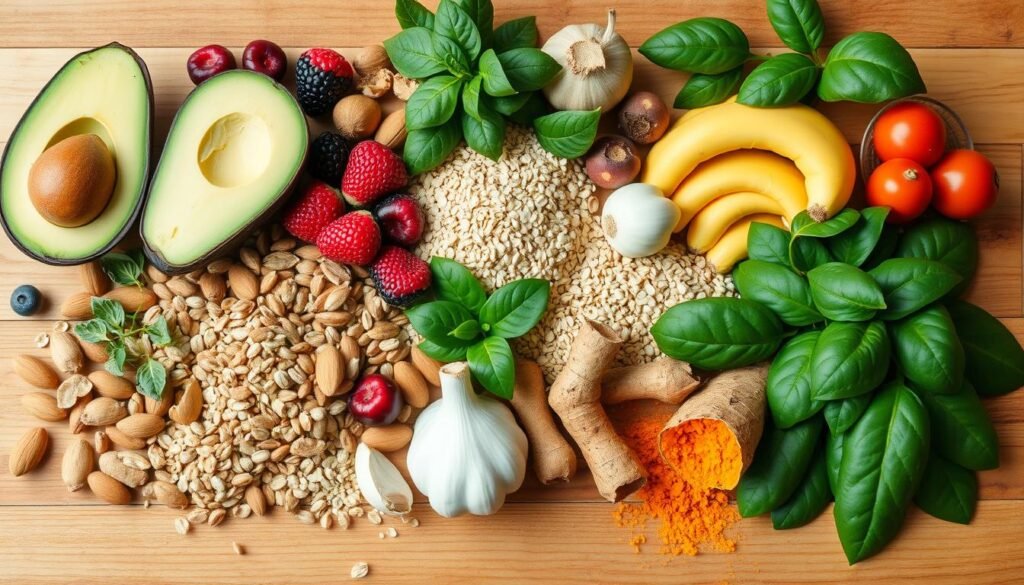
A heart-healthy diet is key to managing cholesterol effectively. It improves overall health and reduces cholesterol. Learning which foods to cut and which to eat more of is vital. Also, omega-3 fatty acids are important for the heart.
Foods to Reduce: Saturated and Trans Fats
Reducing foods high in saturated and trans fats is crucial. Saturated fats come from red meats and full-fat dairy. They should be less than 7% of your daily calories. The U.S. FDA banned oils high in trans fats in 2018. Also, eating less than 2,300 milligrams of sodium a day is good for your heart.
Heart-Healthy Foods to Include
Adding heart-healthy foods lowers cholesterol. Aim for 10 to 25 grams of soluble fiber daily from oats and beans. Eat fatty fish like salmon twice a week for omega-3 fatty acids. These are key for lowering bad fats and improving heart health.
Importance of Omega-3 Fatty Acids
Omega-3 fatty acids are crucial. They’re in fatty fish and reduce inflammation and bad cholesterol. Eating 8 ounces of fish weekly is advised to fight heart disease. Including these fats in your diet supports heart well-being. For more diet tips, check Mayo Clinic’s suggestions.
Effective Strategies for Reducing Triglycerides Naturally
Making smart food choices and changing your lifestyle can really lower your triglycerides. Using some important steps can help improve your heart health too.
Cutting Back on Sugary Foods
Eating less sugar is key because too much can make your triglycerides go up. Foods like soda, cookies, and candy are big sources of simple sugars. Cut down on these to better your levels. For women, no more than 6 teaspoons of added sugar a day is best. For men, it’s 9 teaspoons.
Choosing Whole Grains Over Refined Carbs
Choosing whole grains helps because they have more fiber and are better for you. Foods like steel-cut oats, quinoa, and brown rice are good examples. They not only help lower triglycerides but are healthier than white bread and similar foods. Making this switch is a smart choice for your health.
| Triglyceride Level Classification | mg/dL Range |
|---|---|
| Normal | Less than 150 |
| Borderline High | 150 – 199 |
| High | 200 – 499 |
| Very High | 500 and above |
By taking up these practices, you don’t just lower your triglycerides. You also live healthier. If your levels are over 500 mg/dL, see a doctor for the best diet plan. Click here if you need help with what foods to avoid for high cholesterol.
Exercise and Its Role in Lipid Levels Management
Regular physical activity is key to managing lipid levels. Doing varied workouts can improve cholesterol and boost heart health. Start slowly, then increase intensity for best results over time.
Recommended Physical Activities
A variety of exercises can help manage cholesterol and triglycerides. The American Heart Association suggests 150 minutes of moderate exercise each week, like:
- Brisk walking
- Cycling
- Swimming
- Jogging
- Strength training
Combining aerobic and resistance training is effective in raising HDL (good cholesterol) and reducing triglycerides. With specific aims, crafting a comprehensive fitness plan can boost motivation and keep you on track.
Setting Realistic Exercise Goals
Setting achievable exercise goals is vital for motivation and success. Begin with short sessions, then gradually extend them. Aim to achieve goals like:
- Walking for 20 minutes three times a week
- Eventually walking for 30 minutes
- Adding strength exercises twice a week
It’s crucial to monitor your progress, as exercises will get easier. Hitting your exercise targets can lower triglycerides by 30% to 40%. This shows how effective regular fitness can be for your health.
Weight Loss: A Key to Cholesterol Control
Keeping a healthy weight is vital for managing cholesterol. Extra body weight raises LDL cholesterol and triglycerides. This raises the chance of heart disease. There are easy, effective tips for weight control. These tips help your health and happiness.
Simple Tips for Weight Management
- Opt for water instead of sugary beverages to reduce calorie intake.
- Snack on low-calorie options, such as air-popped popcorn or fresh fruits, to curb hunger without adding excess weight.
- Incorporate regular exercise into daily routines. Engaging in at least 150 minutes of moderate-intensity aerobic exercise each week helps lower cholesterol levels.
- Monitor body weight regularly to track progress. Aiming for a weight loss of 5% to 10% can significantly improve cholesterol numbers.
- Choose heart-healthy foods rich in fiber and unsaturated fats, which aid in managing high levels of LDL cholesterol.
How to Maintain a Healthy Weight
Healthy weight management means making long-term lifestyle changes. Eating a diet low in saturated and trans fats is key. The American Heart Association suggests keeping saturated fat below 6% of daily calories. Activities like walking, biking, or swimming help lose weight and boost heart health.
Following these tips and making healthy choices can help maintain a healthy weight. This improves cholesterol levels and lowers health risks.
Natural Remedies for High Cholesterol
Looking into natural ways to tackle high cholesterol is smart. There are many supplements and herbs that might help. They can improve heart health alongside good lifestyle choices.
Supplements That May Help
Omega-3 fatty acids are great for the heart. Eating fatty fish once or twice a week could lower heart attack risks. Red yeast rice, with monacolin K, is also known to cut cholesterol levels. It works like some medicines.
- Flaxseed: Studies show it may reduce LDL cholesterol for those with high levels.
- Plant Sterols and Stanols: These substances, found in certain foods, can cut LDL cholesterol by over 10% if eaten in the right amounts.
- Garlic: Some research says garlic might decrease cholesterol and blood pressure, though findings vary.
Herbal Options for Lipid Improvement
There are also herbal remedies. Green tea extract may lower LDL cholesterol. Hawthorn and astragalus could be good for heart health, but there’s still lots to learn. Using these herbs can help along with eating right.
- Berberine: This herb may lower LDL cholesterol and triglycerides.
- Niacin: It’s good for boosting HDL cholesterol and cutting triglycerides. However, it can cause flushing.
| Supplement/Herb | Benefit | Potential Side Effects |
|---|---|---|
| Omega-3 Fatty Acids | Reduces risk of heart disease | Fishy aftertaste, nausea |
| Red Yeast Rice | Lowers cholesterol like statins | Possible muscle and liver damage |
| Flaxseed | Lowers LDL cholesterol | Gas, bloating, diarrhea |
| Garlic | Potentially lowers cholesterol | Bad breath, body odor |
| Green Tea Extract | Lowers LDL cholesterol | Nausea, gas, diarrhea |
The Importance of Quitting Smoking for Heart Health
Smoking is bad for your heart. Stopping it cuts your risk for heart problems. When people stop smoking, their heart health gets better quickly. This includes higher HDL cholesterol and better blood flow. Benefits like these can start just weeks after quitting. That leads to improved breathing and a lower chance of heart disease or stroke.
Quick Benefits of Stopping Smoking
Stopping smoking brings big health wins. Here are key gains:
- Reduced risk of heart attack and stroke.
- Improvement in circulation within weeks.
- Positive changes in cholesterol levels, especially an increase in HDL.
- Decreased risk of developing coronary artery disease.
- Lowered cholesterol levels overall, contributing to better heart health.
The Surgeon General’s report has big news on quitting smoking. Quitting can drastically better your health. In fact, smoking is behind over 443,000 deaths each year in the U.S.. That shows just how critical it is to get help stopping.
Resources for Support in Quitting
Quitting can seem tough, but there’s a lot of help out there. Support includes:
- Support groups for shared experiences and encouragement.
- Hotlines offering immediate assistance and advice.
- Smoking cessation programs providing structured plans and guidance.
- Access to healthcare professionals who can offer personalized strategies.
Adding healthy activities can really boost your quitting success. To learn more about smoking and cholesterol, check out this informative article.
| Benefit | Timeframe |
|---|---|
| Improved HDL levels | Weeks |
| Reduced heart attack risk | Months |
| Lowered stroke risk | Similar to non-smokers |
| Better circulation | Weeks |
| Decreased respiratory issues | Months |
How Moderation in Alcohol Consumption Affects Triglycerides
It’s key to understand how drinking alcohol and triglycerides connect. Moderate drinking might help some, but too much is bad. High triglycerides can lead to heart attacks, disease, strokes, and pancreatitis. So, drinking in moderation is vital for heart health.
Understanding Alcohol’s Impact
Drinking beer and liquor can push up your triglyceride levels. Too much alcohol can also hike up cholesterol and harm the pancreas. This might cause pancreatitis and diabetes. High triglycerides come from too many calories, obesity, and alcohol. Alcohol makes the body create very low-density lipoprotein (VLDL). VLDL carries triglycerides and can cause plaque in the arteries.
Recommended Alcohol Guidelines
To keep triglycerides in check, it’s important to follow drinking guidelines. The CDC says women should limit to one drink a day and men to two. People with a hard time moderating need support and resources. The American Heart Association does not recommend alcohol for heart health. Instead, focus on less drinking, more exercise, and a healthy weight.

The Impact of Stress on Cholesterol Levels
Chronic stress affects our health in many ways, including our cholesterol. High stress has been linked to increased bad LDL cholesterol and lower good HDL cholesterol. For those dealing with job stress or emotional issues, it’s vital to manage stress and cholesterol carefully.
Ways to Manage Stress Effectively
Managing stress properly can lower its effect on cholesterol. Here are some strategies:
- Time Management: Planning your tasks can help you feel less overwhelmed.
- Physical Activity: Regular workouts, like a 30-minute walk each day, reduce stress and are good for your heart.
- Hobbies: Taking up activities you enjoy can interrupt the stress cycle.
Mindfulness and Relaxation Techniques
Adding mindfulness to your routine helps with stress. Meditation, deep breathing, and yoga not only ease stress but also improve your health. Lowering stress hormones like cortisol can help keep cholesterol in check.
Knowing how stress and health are linked helps us control cholesterol better. By making these methods part of everyday life, we can better withstand stress. This leads to healthier cholesterol levels.
Regular Health Screenings for Monitoring Lipid Levels
Getting regular health checks is key to keeping a healthy heart. By checking cholesterol and triglycerides, people can know their heart health. Knowing what’s in your lipid profile helps make smart health choices. This profile shows your total cholesterol, LDL, HDL, and triglycerides, giving you a full picture of your heart risk.
Understanding Lipid Profiles
To properly watch cholesterol, healthcare professionals look at several key numbers:
- Total Cholesterol: Less than 200 mg/dL is good.
- LDL Cholesterol: Under 100 mg/dL is best if you’re heart-disease free; under 70 mg/dL is recommended for those with heart problems.
- HDL Cholesterol: Men need above 40 mg/dL and women need above 50 mg/dL to be healthy.
- Triglycerides: Less than 150 mg/dL is normal.
Screening should start between ages 9 and 11 and happen every five years. The National Heart, Lung, and Blood Institute says men 45 to 65 and women 55 to 65 need checks every 1 to 2 years. People over 65 should have yearly tests. For more details, check the CDC’s guidelines on cholesterol testing.
When to Consult a Healthcare Professional
Talking to a healthcare provider is important to manage lipid profiles well. Men over 35 and women over 45 with a higher heart disease risk should get regular screenings. Younger people at high risk should also get checked. Family history, diabetes, and lifestyle choices can impact your heart health.
Talking with a doctor about cholesterol can help you live healthier. Getting advice early helps manage your cholesterol levels. This can lead to a healthier life ahead.

Making Lifestyle Choices That Support Heart Health
Starting a heart-healthy life is about making the right environment and family focus. Families can boost health by focusing on wellness together. By choosing healthier lifestyles, people can better their heart health significantly.
Building a Supportive Environment
Having a supportive space is key to a heart-healthy life. It means having fresh fruits and veggies around, places to exercise, and habits that are good for the heart. Families can plan fun activities like walking or cycling. Planning meals together also helps eat well and keep healthy habits.
Engaging Family and Friends in Healthy Habits
Getting family and friends involved helps everyone stay motivated. Doing things together like cooking healthy or joining fitness classes helps. It creates a support net that makes it easier to live healthier. Talking about health goals can also make the bond and commitment stronger.
Conclusion
It’s vital to manage high triglycerides and cholesterol for better heart health. Many lifestyle changes can help a lot. For example, eating better is key. Cut down on bad fats and eat more heart-friendly foods.
Getting active is another important step. Exercise lowers triglycerides and cuts heart disease risk. So, moving more is good for your heart.
Stopping smoking and handling stress well are also crucial. They can lead to lower health costs and fewer heart problems. High triglycerides mean a 35% higher risk of serious heart issues. This shows how important it is to take action early.
Improving heart health is a journey that requires dedication. Healthcare professionals can guide you. By making smart choices and sticking with them, improving your heart health is possible. This can lower your risk of heart attacks and strokes and lead to a healthier future.