A 100-gram serving of shrimp has about 189 milligrams of cholesterol. This is high compared to other foods. People watching their cholesterol have often worried about this. Yet, it’s important to see the bigger picture of shrimp’s cholesterol and heart health. Adults should keep their daily cholesterol under 300 milligrams. While shrimp might seem a problem for some diets, research hints it could be good in a balanced, heart-healthy diet.
Dietary cholesterol doesn’t affect everyone’s blood cholesterol the same way. Knowing this helps people decide wisely about eating shrimp. Learning about shrimp and cholesterol clears up confusion. It shows how shrimp fits into a healthy diet.
Key Takeaways
- 100 grams of shrimp contains approximately 189 milligrams of cholesterol.
- Moderate shrimp consumption can support heart health by raising HDL cholesterol levels.
- Shrimp is low in saturated fat, with less than 0.3 grams per 100 grams.
- Shrimp provides essential nutrients, including protein and omega-3 fatty acids.
- Daily cholesterol recommendations suggest limiting intake to 300 milligrams for general health.
- Dietary patterns that include shrimp may lead to a net positive effect on cholesterol levels.
Understanding Cholesterol and Its Types
Cholesterol is a waxy substance found in our cells. It makes hormones, vitamin D, and bile acids. Low-density lipoprotein (LDL), or “bad” cholesterol, can block arteries and harm heart health. High-density lipoprotein (HDL), the “good” cholesterol, helps move cholesterol to the liver to be removed.
Maintaining a balance between LDL and HDL is key. This balance is especially important when considering what we eat. Now, guidelines about eating cholesterol have changed. They suggest food’s cholesterol does not impact our health as we once thought. Eating cholesterol can actually improve cholesterol balance by increasing HDL more than LDL.
Knowing this, we see the value of foods like shrimp in our diet. Shrimp is low in the bad fats often found in high-cholesterol foods. It can be part of eating for a healthy heart.
Is Shrimp High in Cholesterol?
Shrimp is a well-loved seafood for its taste and how it fits into many recipes. It’s essential to look at its cholesterol when adding shrimp to meals. Even though shrimp has a lot of cholesterol, research says it may not drastically affect blood cholesterol levels.
Cholesterol Content in Shrimp
A single serving of shrimp, which is about 3.5 ounces, has around 220 mg of cholesterol. This amount is quite high, especially against daily limits set between 100 mg to 300 mg. However, it’s crucial to know that our bodies also produce cholesterol. The cholesterol from shrimp doesn’t heavily influence our overall levels.
Comparing Shrimp to Other Seafood
Compared to other sea foods, shrimp has more cholesterol. For example, a serving of lobster has about 92 mg, and clams have 67 mg. Yet, adding shrimp to your weekly meals might not increase harmful cholesterol. It could even help raise good cholesterol levels.
| Seafood Type | Cholesterol Content (mg per 3.5 ounces) |
|---|---|
| Shrimp | 220 |
| Lobster | 92 |
| Clams | 67 |
| Oysters | 100 |
| Mussels | 57 |
When choosing healthy seafood, think about how you cook it and your overall diet. Preparing shrimp by grilling or baking is better for your heart. This keeps your diet in good balance.
The Nutritional Profile of Shrimp
Shrimp is a yummy choice in the seafood world. It is full of important nutrients. Shrimp nutrition facts show it’s a great pick for healthy, low-calorie eating.
It’s packed with protein but low in calories. This makes shrimp fit into many diets well.
Essential Nutrients Found in Shrimp
A small 3-ounce serving of shrimp is very nourishing. In this serving, you’ll find:
- Calories: 84
- Protein: 20.4g
- Cholesterol: 161mg
- Iron: 0.4mg
- Phosphorus: 201mg
- Potassium: 220mg
- Zinc: 1.4mg
- Magnesium: 33.2mg
- Sodium: 94mg
Shrimp is full of iodine, important for the thyroid. It also has omega-3 fatty acids, good for the heart.
Because of these nutrients, many healthy eaters prefer shrimp.
Caloric and Fat Content
Shrimp has little fat. Shrimp fat content shows it has less than 1 gram of fat per serving. This makes it a good protein source for balanced eating.
Shrimp hardly has any saturated fat. This fits with advice for a heart-healthy diet.
| Nutrient | Amount per 3-ounce serving |
|---|---|
| Calories | 84 |
| Protein | 20.4g |
| Cholesterol | 161mg |
| Iron | 0.4mg |
| Phosphorus | 201mg |
| Potassium | 220mg |
| Zinc | 1.4mg |
| Magnesium | 33.2mg |
| Sodium | 94mg |
Shrimp brings great nutrition and taste to any meal. It’s perfect for those who care about good food and health.
Impact of Shrimp Consumption on Cholesterol Levels
The link between eating shrimp and cholesterol levels has sparked a lot of research. Studies show that shrimp has a complex effect on LDL and HDL cholesterol. This could mean health perks for those who eat it. Knowing this helps us choose what to eat wisely.
Effects of Shrimp on LDL and HDL Cholesterol
Studies have found that shrimp affects cholesterol. Eating shrimp can raise LDL cholesterol by about 7% and HDL cholesterol by 12%. This change might reduce the risk of heart disease. Fried shrimp lowers bad fats, while grilled or boiled shrimp are better for keeping good omega-3 fats.
Grilled and boiled shrimp cut down cholesterol best. They also keep the omega-3 fats that are good for you.
Recent Research Findings
Latest research shows how cooking shrimp affects our health. Boiling and grilling help rats on a high-cholesterol diet. They didn’t lose weight, had better sugar and insulin levels, less liver fat, and lower cholesterol. Frying shrimp, however, didn’t offer these health protections. This shows the importance of how we cook our shrimp. These discoveries shed light on shrimp’s role in heart and cholesterol health.
Heart-Healthy Diets and Shrimp
Shrimp is great for heart-healthy diets because it’s low in fat but high in nutrients. It’s a good lean protein source and is packed with important nutrients. Eating shrimp helps promote healthy eating habits which support the heart.
Incorporating Shrimp into a Heart-Healthy Diet
When adding shrimp to your diet, go for healthy ways to cook it. Here are tips to keep shrimp healthy in your meals:
- Favor baking, grilling, or boiling shrimp rather than frying.
- Use herbs and spices for seasoning, minimizing the use of salt and high-fat sauces.
- Pair shrimp with a variety of whole grains and fresh vegetables to create balanced, nutrient-rich meals.
Cooking Methods for Healthier Shrimp Dishes
Knowing how to cook shrimp right helps keep it heart-healthy. Here’s how different methods compare:
| Cooking Method | Fat Content (grams) | Calories |
|---|---|---|
| Steamed Shrimp (150g) | 1.7 | 150 |
| Baked Shrimp | 1.5 | 145 |
| Grilled Shrimp | 1.6 | 148 |
| Fried Shrimp | 10 | 300 |
Using these healthy cooking tips means you can enjoy shrimp and keep your heart happy. Shrimp can be a tasty and heart-healthy choice if you cook it thoughtfully.
Managing Dietary Cholesterol Intake
Learning to manage dietary cholesterol is key for heart health. The guidelines from 2015–2020 suggest most people should stay under 300 mg a day. Those with heart disease risk should aim for less than 200 mg. This advice reminds us to think about our entire diet’s quality, not just cholesterol.
Recommended Daily Cholesterol Limits
Foods like high-fat meats, eggs, and dairy impact cholesterol limits. Just one large egg has about 200 mg of cholesterol. But healthy folks can have one egg daily. Older adults in good health might even have two. Studies show shrimp, despite its cholesterol, doesn’t harm cholesterol levels in the blood.
Balancing Cholesterol in Your Diet with Other Foods
To handle cholesterol right, mix high-cholesterol items with healthier choices. Adding fruits, veggies, and whole grains helps keep your diet and cholesterol balanced. Tips for dietary balance include:
- Choose foods low in saturated fat.
- Add fiber-rich foods to lessen cholesterol absorption.
- Go for healthy cooking like grilling or steaming shrimp over frying.
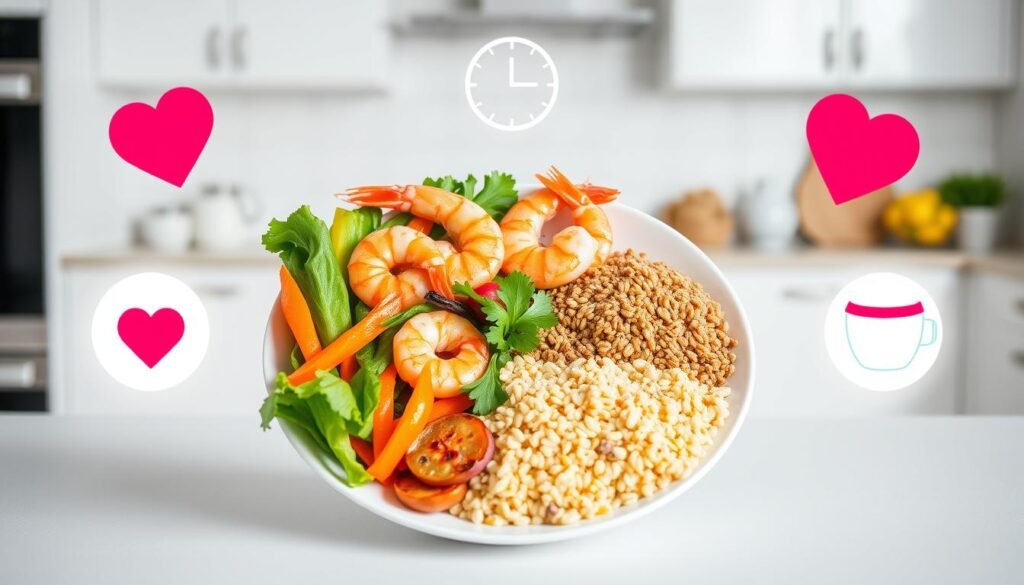
Keeping your diet in balance while watching cholesterol is crucial for your heart. Our growing knowledge on dietary cholesterol guides our health decisions and the advice we follow.
Microbiology and Safety Concerns
It’s crucial to keep shrimp safe for everyone to eat. Knowing about shrimp’s microbiology helps us see health risks from harmful stuff like contaminants. Shrimp can carry things like drugs, chemicals, and superbugs. That’s why we must get shrimp from good places and eat it wisely.
Potential Pollutants in Shrimp
Many shrimp farms in some places might not be clean. Studies show that shrimp from abroad can have antibiotics, like oxytetracycline and enrofloxacin. There’s even been superbug MRSA in shrimp from several countries. This is scary because these superbugs can make lots of people in the U.S. very sick every year.
Safe Storage and Cooking Practices
Storing shrimp right can stop food poisoning. Keep shrimp cold to stop germs and keep it fresh. Cooking shrimp until it’s 145°F kills harmful germs. Recent research shows that special nanoparticles with oils can make shrimp last longer and keep it safer.
| Study Findings | Details |
|---|---|
| Antibiotics Detected | 11 out of 205 shrimp samples tested positive for antibiotics. |
| MRSA Presence | MRSA found in 6 samples of farmed shrimp from Vietnam, Bangladesh, Ecuador, and a wild sample from the U.S. |
| Shelf Life Enhancement | Alginate nanoparticles combined with essential oils improved shrimp preservation significantly. |
| Recommended Cooking Temperature | Cook shrimp to an internal temperature of 145°F. |
Alternatives to Shrimp for Low-Cholesterol Protein Sources
Looking to cut down on cholesterol? There are plenty of choices besides shrimp. Adding a mix of protein sources is good for your heart. These options make meals tasty and keep your heart in better shape.
Other Heart-Healthy Seafood Options
Try clams, mussels, and scallops as healthy swaps for shrimp. They’re lower in cholesterol and fat. Plus, they bring great flavor, important nutrients, and omega-3 fatty acids to your dishes.
Fatty fish like mackerel, salmon, and trout are also top picks. They’re known to lower triglycerides and boost heart health. Eating them regularly is a good idea.
Plant-Based Protein Sources
Adding plant proteins to your diet can also lower cholesterol. Legumes, nuts, and tofu are great choices. They don’t have the saturated fats that animal products do.
Eating a handful of walnuts can reduce heart attack risks. Include avocados twice a week to better HDL cholesterol levels. Plus, foods with plant sterols or stanols cut LDL cholesterol by 5% to 15%.
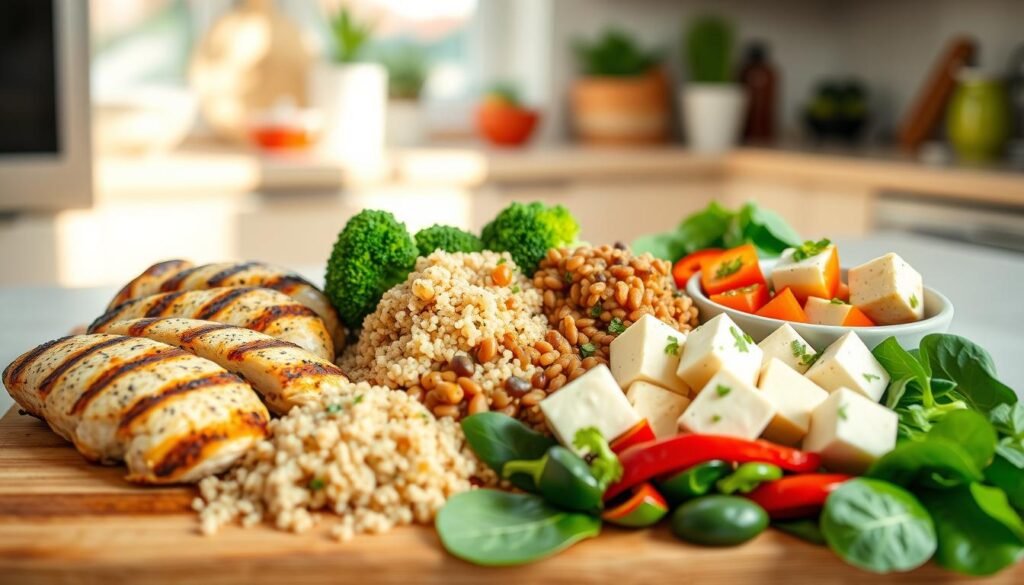
These alternatives are not only good for your heart but also make meals more interesting and nutritious. For more tips on eating well, check out info on high-cholesterol foods here.
Common Allergies and Shrimp Consumption
Many people have serious health issues from shrimp and other shellfish allergies. It’s key to know the signs if you think you’re allergic. Symptoms can show up in many ways, so staying informed and ready is important.
Recognizing Shrimp Allergy Symptoms
Those allergic to shrimp may see different symptoms, from mild to harsh. Common signs of a shrimp allergy include:
- Hives and skin rashes
- Swelling of the face, lips, or throat
- Difficulty breathing or wheezing
- Stomach pain, nausea, or vomiting
- Anaphylaxis, a severe and life-threatening reaction
Being alert to these signs is crucial as they can appear quickly after contact. Knowing them can push you to get medical help fast, saving lives.
Precautions for Those with Shellfish Allergies
If you’re allergic to shellfish, staying away from shrimp is a must. To cut down the risk of a bad reaction, follow these allergy safety tips:
- Avoid all shrimp and products with shrimp.
- Read food labels closely for hidden shrimp contents.
- Tell restaurants and food servers about your allergy.
- Always have an epinephrine auto-injector for unexpected exposure.
To keep shrimp eating safe, it’s key to take these actions. Being proactive lets you enjoy meals safely. And it keeps you alert to your allergy triggers.
Sustainability in Shrimp Farming
The need for shrimp is growing. This calls for sustainable farming. By doing so, we tackle environmental issues and make sure our seafood is safe. We use processes like enzymatic hydrolysis to make the most out of shrimp waste. This way, we boost nutrition for fish and people alike.
Benefits of Sustainable Shrimp Farming Practices
Going sustainable has many rewards. It lessens our environmental impact by cutting down on harmful chemicals. These chemicals can harm local ecosystems. Sustainable practices keep our habitats healthy and full of life. They also mean better seafood for us to enjoy.
How to Choose Sustainably Sourced Shrimp
When picking out shrimp, look for the Marine Stewardship Council (MSC) label. It means the shrimp is eco-friendly. Always ask where your shrimp comes from at stores or restaurants. Being knowledgeable helps us make choices that are good for our oceans. For more info on choosing sustainable seafood, check out this link.

Cholesterol in Seafood: A Broader Perspective
Looking into cholesterol in seafood, especially shrimp, shows us much about nutrition. Shrimp has more cholesterol than some other seafood but less saturated fat than fatty meats. It’s vital to see how seafood, with its omega-3 fats, helps our health.
Comparing Shrimp to Other Common Seafood
Shrimp has about 166 mg of cholesterol per 3-ounce serving, which is like prawns but less than many fatty fish. Tilapia and cod have much less cholesterol, for comparison. Shrimp is also packed with benefits, offering 295 mg of omega-3 fatty acids and 18 grams of protein for just 85 calories. This makes shrimp a good choice for heart-healthy eating.
Understanding Seafood’s Role in a Balanced Diet
Eating different kinds of seafood is good for the heart. It’s important to eat less saturated fat and more polyunsaturated fats from seafood. Eating seafood often lowers heart disease risks. Adding more veggies to a seafood diet enhances its nutritional value. For tips on a balanced diet to manage cholesterol, check this guideline.
| Seafood Type | Cholesterol (mg/3 oz) | Omega-3 Fatty Acids (mg/3 oz) | Protein (g) | Calories |
|---|---|---|---|---|
| Shrimp | 166 | 295 | 18 | 85 |
| Prawns | 166 | 295 | 18 | 85 |
| Tilapia | 61 | 400 | 21 | 96 |
| Salmon | 63 | 2260 | 22 | 206 |
A balanced diet including seafood helps with cholesterol and boosts overall health. Experts recommend focusing on omega-3 rich sources and healthy eating habits for lifelong wellness. For more advice on choosing foods that control cholesterol, visit this helpful link.
Conclusion
Shrimp are a great choice for a heart-healthy diet if eaten in moderation. They are full of omega-3 fatty acids, protein, and vital vitamins. This helps you keep a balanced diet. But, it’s important to keep an eye on cholesterol levels, especially for those with certain health conditions.
Eating shrimp 2-3 times a week is what experts suggest. It’s good to mix it with different nutrient-rich foods to get the most from seafood. Choosing healthier cooking methods like grilling or steaming makes shrimp even better. It keeps its nutritional value and tastes great.
Balance is key in making healthy eating choices, especially with shrimp. Knowing how it affects your diet is important for your wellness. Adding shrimp to a diet with other healthy foods makes for a tasty, sensible way to eat.