Nearly 94 million adults in the United States have high cholesterol. This increases their risk for heart disease and stroke. Understanding cholesterol levels is key for heart health. When a test shows a total cholesterol level of 250 mg/dL, it’s seen as high. This level sparks crucial questions about health impact and steps to take for improvement.
It’s important to monitor cholesterol with a cholesterol test. Regular checks are vital for spotting risk factors of heart disease. In this article, we explore what a cholesterol level of 250 means for your heart health. We’ll also discuss how to manage and keep cholesterol levels healthy.
Key Takeaways
- A cholesterol level of 250 mg/dL is considered high.
- Regular cholesterol testing can help track health trends and risks.
- Understanding LDL and HDL ratios is key in evaluating cholesterol test results.
- Lifestyle changes play a vital role in managing high cholesterol levels.
- Nearly 94 million adults are affected by high cholesterol in the U.S.
- High cholesterol often leads to an increased risk of heart disease and stroke.
Understanding Cholesterol and Its Importance
Cholesterol is a waxy substance in our cells. It’s key for making hormones, cell membranes, and vitamin D. Our bodies make it, but we also get it from food. Knowing about cholesterol is crucial for our health.
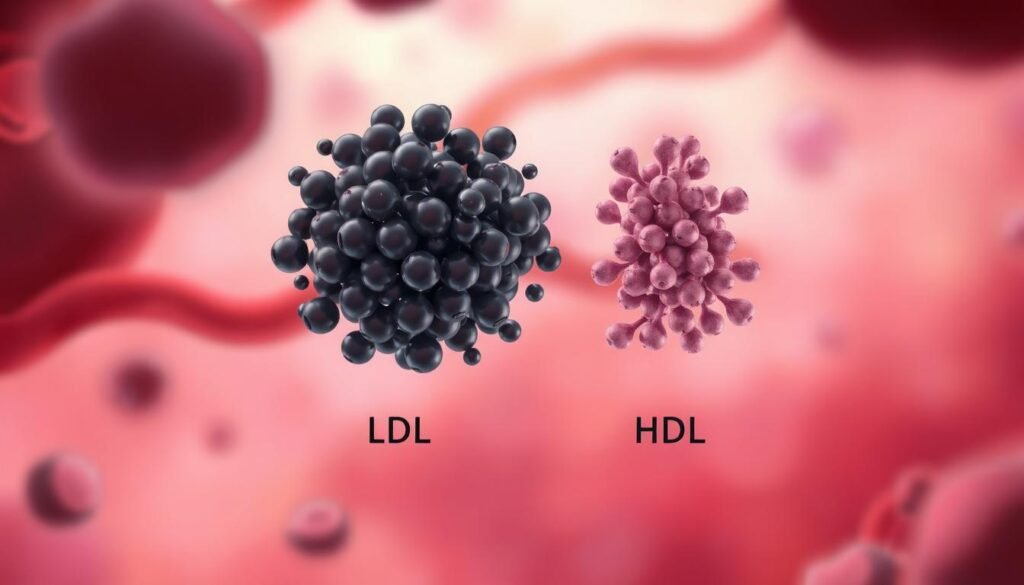
“Bad” cholesterol, or LDL, can block arteries and raise heart disease risk. “Good” cholesterol, or HDL, helps clear cholesterol from blood, lowering risk. Understanding cholesterol’s role helps manage its benefits and risks.
Keeping an eye on cholesterol levels is vital for health. You should know your total cholesterol, LDL, HDL, and triglycerides. A total cholesterol under 200 mg/dL is good. But over 240 mg/dL is high. This knowledge helps us stay informed about heart health and when to act.
| Cholesterol Level Category | Total Cholesterol (mg/dL) | LDL (mg/dL) | HDL (mg/dL) | Triglycerides (mg/dL) |
|---|---|---|---|---|
| Desirable | Below 200 | Below 100 | 60 and above | Below 150 |
| Borderline High | 200 – 239 | 100 – 129 | Not specified | 200 – 499 |
| High | 240 and above | 130 and above | Below 40 (men), Below 50 (women) | 500 and above |
To sum up, understanding cholesterol is key for heart well-being. Combining knowledge of cholesterol functions with tests can help manage it better. This leads to improved health.
What Are Healthy Cholesterol Levels?
Keeping your cholesterol levels in check is key to good health, as these numbers greatly impact heart health. An optimal total cholesterol level for adults is between 125 mg/dL and 200 mg/dL. If cholesterol levels hit 250 mg/dL, they’re considered high. This elevates heart disease risk significantly.
Per cholesterol guidelines, good LDL (low-density lipoprotein) levels should be under 100 mg/dL. If it’s higher, there’s a bigger risk for heart trouble. HDL (high-density lipoprotein) levels are crucial too. Ideal numbers are at least 40 mg/dL for men and 50 mg/dL for women. Regular checks are important from age 20, every five years. For men 45-65 and women 55-65, checking should happen more often.
Watching your cholesterol levels can lower the risk of serious problems like heart attacks and strokes. By understanding and following cholesterol guidelines, you can actively take care of your heart health.
| Cholesterol Type | Optimal Level | Borderline Level | High Level |
|---|---|---|---|
| Total Cholesterol | Less than 200 mg/dL | 200-239 mg/dL | 240 mg/dL and above |
| LDL Cholesterol | Less than 100 mg/dL | 100-129 mg/dL | 130 mg/dL and above |
| HDL Cholesterol | 60 mg/dL or higher | 40 mg/dL for males; 50 mg/dL for females | Below optimal |
Is My Cholesterol 250 High?
Having a cholesterol level of 250 mg/dL means it’s higher than the safe 200 mg/dL limit. This high level, or hyperlipidemia, raises the risk for heart problems. Factors like diet, weight, activity, and genes affect cholesterol.
What Does a Cholesterol Level of 250 mg/dL Mean?
A cholesterol level of 250 mg/dL is a health warning. Ideal levels are below 200 mg/dL. Levels between 200-239 mg/dL are borderline, and 240 mg/dL and above are high. This increases health risks. Different cholesterol types matter:
| Cholesterol Type | Optimal Level | Borderline High Level | High Level |
|---|---|---|---|
| LDL (Bad) | Less than 100 mg/dL | 100-129 mg/dL | 130 mg/dL and above |
| HDL (Good) | 60 mg/dL or above | 40-59 mg/dL | Less than 40 mg/dL |
| Triglycerides | Less than 150 mg/dL | N/A | N/A |
The Implications of High Cholesterol
Knowing about high cholesterol helps manage your health. It can cause heart attack, stroke, and artery plaque. Seeing a doctor regularly is key.
They suggest ways to control cholesterol, like diet changes and lifestyle shifts. Eating 2g of plant sterols and more omega-3s may lower bad cholesterol.
Types of Cholesterol: LDL vs HDL
It’s crucial to know the different types of cholesterol for heart health. “Bad” cholesterol, or LDL, builds up plaque in your arteries. This can lead to more heart disease risks. On the other hand, HDL, the “good” cholesterol, helps remove excess cholesterol. This lowers your chance of heart problems.
LDL and HDL cholesterol are key to managing your body’s cholesterol. Your total cholesterol comes from these two types. Knowing your levels is very important. Ideal triglyceride levels should be under 150 mg/dL. Levels above this may need medical care. Age, gender, and lifestyle can affect your cholesterol levels.
Maintaining a balance between LDL and HDL is critical. Regular exercise and eating right can help. This means more fruits, veggies, and whole grains. It’s also a good idea to get your cholesterol checked regularly. This is especially true as you get older.
| Cholesterol Type | Explanation | Impact on Health |
|---|---|---|
| LDL (Low-Density Lipoprotein) | Causes plaque buildup in arteries | Increases heart disease risk |
| HDL (High-Density Lipoprotein) | Helps remove cholesterol from arteries | Decreases heart disease risk |
| Triglycerides | Type of fat found in the blood | Should be |
Why Regular Cholesterol Testing is Essential
Understanding lipid profile importance is crucial for heart health. Regular tests track cholesterol levels for early problem detection. In the US, nearly 86 million adults have cholesterol over 200 mg/dL. Since high cholesterol is over 240 mg/dL, it’s key to monitor it often.
Many with high cholesterol show no symptoms. This makes regular cholesterol testing very important.
Bad diet, obesity, not being active, and smoking can raise cholesterol. This increases heart disease risk. Also, genetics can lead to high cholesterol and LDL levels.
The CDC suggests adults get checked every 4 to 6 years. If you’re at higher risk due to age, health, or lifestyle, you may need checks more often. Men 45 to 65 and women 55 to 65 should get checked every 1 to 2 years. After 65, yearly tests are recommended.
| Age Group | Testing Frequency |
|---|---|
| Adults 20 and older | Every 4-6 years |
| Men 45-65 | Every 1-2 years |
| Women 55-65 | Every 1-2 years |
| Adults over 65 | Annually |
| Children (with family history) | Starting at age 2 |
Being proactive with cholesterol tests is essential for heart health. For more about reading test results, visit this resource. Making lifestyle and dietary changes can greatly lower risks and boost heart health.
Risks Associated with High Cholesterol Levels
High cholesterol is a big health risk. It can lead to heart disease and stroke. It’s important to understand this, especially if your cholesterol levels are high. Keeping an eye on your health is key.
Heart Disease and Stroke Risks
If your cholesterol is above 200 mg/dL, your risk for heart disease goes up. Cholesterol can clog arteries, leading to heart attacks and strokes. With over 86 million U.S. adults in this boat, it’s a common problem.
High cholesterol makes stroke risks go up too. It’s critical to manage your cholesterol levels carefully.
Other Health Complications
But heart issues aren’t the only concern. High cholesterol can cause gallstones and affect your brain. A condition called atherosclerosis can lead to kidney disease and problems with your legs.
These issues show why keeping an eye on your cholesterol is necessary. Adopting a healthy lifestyle is crucial if your cholesterol is 250 mg/dL or more.
| Cholesterol Level Category | Total Cholesterol (mg/dL) | LDL Cholesterol (mg/dL) |
|---|---|---|
| Optimal | Below 200 | Below 100 |
| Near Optimal | 200-239 | 100-129 |
| High | 240 and above | 160-189 |
| Very High | Not applicable | 190 and above |
Understanding cholesterol levels is key to avoid major health issues. Regular doctor visits and healthy choices can cut down risks. This encourages a healthier life ahead.
How to Manage High Cholesterol
Effectively managing high cholesterol needs a plan that covers lifestyle and diet changes. By choosing wisely, you can boost your heart health and cut cholesterol levels gradually.
Lifestyle Changes for Better Cholesterol Levels
Healthy lifestyle adjustments are key to controlling high cholesterol. Here are some top tips:
- Engaging in regular physical activity, aiming for at least 150 minutes of moderate exercise each week.
- Maintaining a healthy weight to support overall heart health.
- Quitting smoking, which can help raise HDL (the good cholesterol) levels.
- Managing stress effectively, as chronic stress may negatively impact cholesterol levels.
Cholesterol-Lowering Diet Recommendations
Eating right is vital for improving heart health. Focus on foods that lower cholesterol. Here are some diet tips:
- Incorporating plenty of fruits and vegetables into daily meals for added fiber and nutrients.
- Choosing whole grains instead of refined grains to support heart health.
- Opting for lean proteins such as fish, poultry, and legumes, while minimizing saturated and trans fats.
- Including sources of omega-3 fatty acids, found in fish, nuts, and seeds, to positively influence cholesterol levels.
Considering diets like the Mediterranean or DASH diet helps maintain healthy cholesterol levels. With these changes in lifestyle and diet, managing high cholesterol and reducing heart disease risk becomes easier.
Role of Exercise in Lowering Cholesterol
Being active matters a lot when it comes to cholesterol levels. Doing exercise for cholesterol helps in two big ways. It lowers the bad LDL cholesterol and increases the good HDL cholesterol. These changes are great for your heart and your health overall.
Many exercises can help improve your health. Aerobic activities like walking, jogging, and swimming are awesome for your heart. Adding strength training makes these benefits even better. The CDC recommends getting at least 150 minutes of moderate aerobic exercise or 75 minutes of intense exercise each week. Plus, do strength training twice a week.

Studies show that exercising regularly can start to improve your cholesterol in about six weeks. Results can vary based on things like age, how fit you are, and what you eat. But regular exercise is key to dealing with high cholesterol.
To wrap it up, being active is crucial for managing cholesterol and staying healthy. Find activities you love to make this a lifelong habit. If you want to know more about lowering cholesterol with lifestyle changes, check out this resource.
Cholesterol Medications: When Are They Necessary?
Managing high cholesterol often needs more than diet and exercise changes. Sometimes, doctors suggest medication when lifestyle adjustments don’t lower cholesterol enough. Statins are widely used to reduce LDL, the “bad” cholesterol. A total cholesterol level over 200 highlights the need for treatment.
Doctors might also suggest other treatments based on your health. For example, if your LDL is above 190 mg/dL, you might need medication right away. It’s best to try improving your diet and exercising more before taking medication. These changes can have a big impact on your cholesterol.
If you have diabetes or a history of heart issues, talk to your doctor about the best medication for you. Common cholesterol medication options include:
| Medication Type | Mechanism | Examples |
|---|---|---|
| Statins | Reduces cholesterol production in the liver | Atorvastatin, Rosuvastatin |
| Bile Acid Sequestrants | Prevents cholesterol absorption in the intestines | Colesevelam, Colestipol |
| PCSK9 Inhibitors | Increases liver’s ability to remove cholesterol from the blood | Alirocumab, Evolocumab |
| Ezetimibe | Blocks cholesterol absorption in the intestines | Ezetimibe |
| Fibrates | Reduces triglyceride levels and increases HDL | Gemfibrozil, Fenofibrate |
| Niacin | Lowers LDL and triglyceride levels | Prescription Niacin, OTC Niacin |
Deciding to start cholesterol medication depends on many things. These include your cholesterol levels, heart disease risk, and medical history. Regular talks with your doctor help pick the best treatment for your heart. For more on handling high cholesterol, visit Healthline.
Conclusion
A cholesterol level of 250 mg/dL is high. This shows how important it is to take action in controlling cholesterol. Knowing your cholesterol numbers is the first step to better health.
High cholesterol can lead to serious health issues like heart disease and stroke. It’s crucial to have regular check-ups and get your cholesterol checked as doctors recommend.
To lower high cholesterol, making changes to your lifestyle is key. Eating a diet good for your heart is one step. This means eating more fruits, vegetables, and whole grains. These foods are low in saturated fat and high in fiber.
Some people might need extra help. Talking to a doctor about medicine to lower cholesterol can be a good idea. This can help reach a healthy cholesterol level.
Keeping an eye on cholesterol levels and taking action is essential for a healthy heart. Making changes in your diet, exercising, or using medication helps a lot. Each step towards managing cholesterol is a step towards a healthier future, keeping serious health issues away.