About 1 in 3 U.S. adults have high cholesterol. This fact points to a major health issue that affects our well-being. High cholesterol means too much fat in the blood. This can cause big health problems if not taken care of. Knowing the risks of high cholesterol is important. Diet, lack of exercise, and genes can all play a part.
Many people don’t know they have high cholesterol because it has no symptoms. This is why knowing your risk and getting tested is key. For tips on keeping your cholesterol in check, read this helpful guide.
Key Takeaways
- High cholesterol affects around 71 million Americans, marking it a key health concern.
- Diet, obesity, and not being active enough are big reasons for high cholesterol.
- If you’re over 65, it’s recommended to get your cholesterol checked every year.
- High cholesterol can cause diseases like heart attacks and strokes.
- Finding out you have high cholesterol early is important, as it can start in childhood.
Understanding High Cholesterol
High cholesterol is a key topic when we talk about heart health. It’s a waxy substance in our blood that helps build healthy cells. However, too much cholesterol can be harmful, increasing heart disease risk. It’s important to understand cholesterol and its different types to keep a healthy balance.
What is cholesterol?
Cholesterol is needed to make hormones, vitamin D, and substances for digesting food. It moves around in our blood, attached to proteins. Our bodies need some cholesterol, but too much can be bad. This is why it’s important to check cholesterol levels regularly.
Types of cholesterol: Good vs. Bad
There are two types of cholesterol: LDL and HDL. LDL is called “bad” cholesterol because it can clog arteries, raising heart disease risk. HDL is “good” cholesterol since it helps remove other cholesterol from your body. A healthy balance between them is vital for heart health.
| Type of Cholesterol | Common Name | Role in the Body |
|---|---|---|
| LDL | Bad Cholesterol | Contributes to plaque buildup in arteries |
| HDL | Good Cholesterol | Helps remove cholesterol from the bloodstream |
Knowing your cholesterol levels and how to balance them can greatly improve your heart health. This reduces the risk associated with high cholesterol. It’s critical for leading a healthier life.
Why High Cholesterol is Dangerous
High cholesterol is a major threat to health, especially for the heart. Knowing how it affects the body highlights the dangers of high levels. It shows why it’s important to keep it under control.
Impact on cardiovascular health
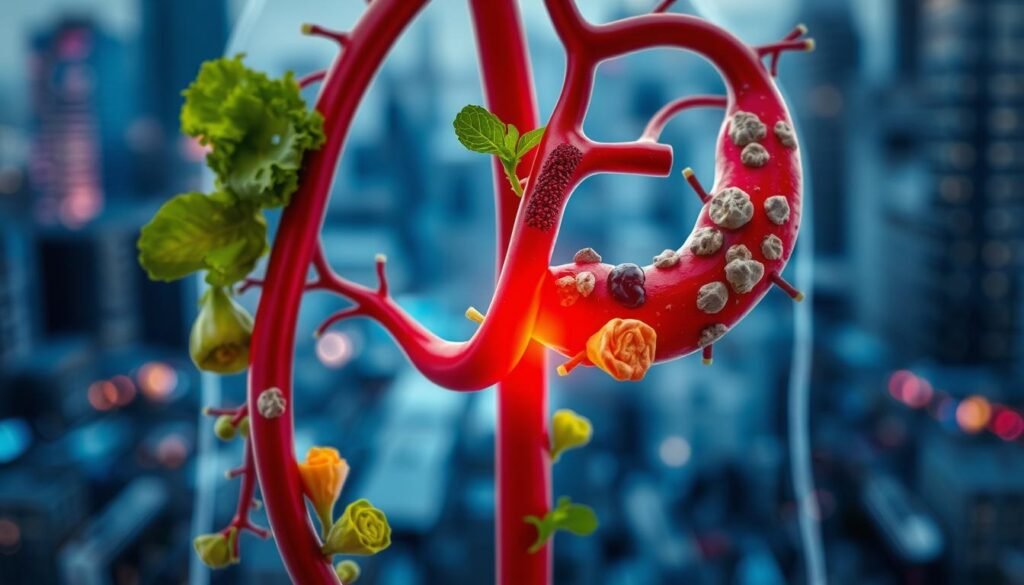
High cholesterol and heart health are closely linked due to a condition called atherosclerosis. LDL cholesterol can cause fatty buildup in arteries. This makes them less flexible and narrows them down.
This buildup slows down blood flow and makes the heart work harder. It can lead to heart attacks and strokes.
Fatty deposits and arterial plaque
High cholesterol levels can cause arterial plaque. This plaque blocks blood flow over time. It leads to serious health issues like coronary artery disease and other heart problems.
| Cholesterol Type | Impact on Cardiovascular Health |
|---|---|
| LDL (Low-Density Lipoprotein) | Raises risk of atherosclerosis and heart disease |
| HDL (High-Density Lipoprotein) | Helps remove cholesterol from arteries, reducing risk |
| Total Cholesterol | Combination of LDL and HDL levels, crucial for assessment |
| Triglycerides | High levels associated with increased cardiovascular risk |
Health Risks Associated with High Cholesterol
High cholesterol is a big health risk. It can hurt your heart and blood vessels. Knowing these risks helps in preventing and managing them. High cholesterol is linked to heart disease, stroke, and peripheral artery disease. These are serious conditions.
Coronary artery disease (CAD)
Coronary artery disease is a top cause of heart problems in the U.S. It happens when bad cholesterol, LDL, builds up plaque in arteries. This narrows the arteries and limits blood flow. The risk of heart attacks goes up. So, it’s important to watch and manage this condition carefully.
Stroke and transient ischemic attacks
A stroke can happen when arteries narrowed by cholesterol block blood to the brain. This can also lead to transient ischemic attacks. Low good cholesterol, HDL, makes things worse. This is especially true if bad cholesterol and triglycerides are high. Knowing the signs is key for quick action.
Peripheral artery disease (PAD)
Peripheral artery disease affects blood flow to your limbs. It usually starts from plaque buildup related to cholesterol. At first, PAD might not show signs but can cause cramps or pain when moving. It’s riskier for people with type 2 diabetes or a family history of high cholesterol. Keeping cholesterol in check is crucial for lowering PAD risk.
| Health Condition | Associated Risks |
|---|---|
| Coronary Artery Disease (CAD) | Increased heart attack risk due to narrowed arteries |
| Stroke | Risk elevated by obstructed blood flow to the brain |
| Peripheral Artery Disease (PAD) | Restricted blood flow to limbs, potential for severe complications |
It’s vital to know the health risks high cholesterol brings. Preventive steps and healthier habits can reduce these risks a lot. This keeps your heart and blood vessels healthy for a better future.
Is High Cholesterol Dangerous? The Facts
High cholesterol is a big health concern. It’s often unseen, as many don’t show symptoms. They live with unseen danger. It’s crucial to get a blood test called a lipid panel. This helps find and manage high cholesterol. If not noticed, high cholesterol could lead to bad health issues like heart disease and stroke.
Silent risk: How high cholesterol goes undetected
High cholesterol often stays hidden. Most people don’t know they have it until something serious happens. This hidden danger means cholesterol’s risks are often ignored. But, adults should get their cholesterol checked every five years. Finding it early is key to avoiding big health problems.
Not dealing with high cholesterol can lead to big health issues. People with a certain genetic condition are more likely to get heart disease or have strokes. Knowing these risks is important for taking care of your health.

Also, people with type 2 diabetes may have changing cholesterol levels. This can decrease HDL (good) cholesterol and increase LDL (bad) cholesterol. These changes make fighting health risks tougher.
Being aware and making lifestyle changes are essential to lower cholesterol. Healthier eating, exercising, and not smoking can greatly help. These actions can fight the hidden dangers of high cholesterol.
| Cholesterol Levels | Recommended Ranges | Health Implications |
|---|---|---|
| Total Cholesterol | About 150 mg/dL | Optimal range reduces risk of heart disease. |
| LDL (“bad”) Cholesterol | About 100 mg/dL | High levels increase risk of blockages in arteries. |
| HDL (“good”) Cholesterol | At least 40 mg/dL in men and 50 mg/dL in women | Higher levels help reduce heart risk. |
| Triglycerides | Less than 150 mg/dL | High levels may lead to heart disease. |
Understanding high cholesterol’s hidden danger can help you protect your health. By knowing and taking action, many can avoid its serious health effects.
Identifying the Causes of High Cholesterol
Many factors lead to high cholesterol, making it key to know the causes of high cholesterol. These include lifestyle habits and genes. Knowing these can help people manage their cholesterol better.
Lifestyle factors affecting cholesterol levels
Lifestyle choices are big in influencing cholesterol. Eating lots of saturated and trans fats can spike cholesterol levels. Other key lifestyle factors are:
- Inadequate physical activity, which correlates with higher LDL levels
- Smoking, known to lower HDL (“good”) cholesterol
- Excessive alcohol consumption, which can have detrimental effects on lipid profiles
- High-stress levels, which may indirectly affect cholesterol through unhealthy coping mechanisms
- Obesity, elevating cholesterol through increased fat tissue
To lower these risks, adopting heart-healthy habits is crucial. For more details, visit this resource.
Genetic predisposition to high cholesterol
Genes also play a vital part in cholesterol levels. Familial hypercholesterolemia is a condition causing very high cholesterol. It results in total cholesterol over 240 mg/dL and LDL above 190 mg/dL. Those with high cholesterol in their family may process LDL differently, making it hard to manage.
It’s important to understand your genetic risks to tailor your cholesterol plan. Sometimes, lifestyle changes aren’t enough when genetics step in.
| Factor | Impact on Cholesterol |
|---|---|
| Unhealthy diet | Increases total cholesterol and LDL |
| Lack of physical activity | Raises LDL levels |
| Smoking | Decreases HDL levels |
| Alcohol consumption | Negatively affects cholesterol profiles |
| Genetic predisposition | Increases cholesterol regardless of lifestyle |
Symptoms of High Cholesterol: What to Watch For
High cholesterol often doesn’t show obvious signs. Many people don’t know they have high cholesterol until they get a blood test. It’s very important to check cholesterol levels often. High cholesterol can cause serious problems like heart attacks or strokes.
A total blood cholesterol level above 200 mg/dL is considered high. To keep your heart healthy, LDL cholesterol should be under 100 mg/dL. HDL cholesterol should be 40 mg/dL or more. Triglyceride levels should stay below 150 mg/dL. Not managing these levels can raise the risk of getting high cholesterol and other health issues.
- High cholesterol can lead to heart disease and strokes over time.
- Adults over 20 should check their cholesterol every 4 to 6 years, says the American Heart Association.
Symptoms of high cholesterol might show up as soft, yellowish bumps on the skin, known as xanthomas. Men with high cholesterol might also experience impotence. This is because their arteries are affected. Signs like cramping and tiredness could point to Peripheral Arterial Disease (PAD). These might get worse if ignored. So, if you notice anything unusual, you should see a doctor right away.
How to Manage Elevated Cholesterol Levels
Effective management of cholesterol includes choosing a healthy diet, exercising more, and sometimes medication. A lifestyle focused on heart health can make a big difference in your cholesterol levels and heart health.
Healthy dietary choices
To reduce cholesterol, eating less saturated and trans fats is key. Include these in your diet:
- Fruits and vegetables
- Whole grains
- Legumes and nuts
- Lean proteins, like fish and chicken
Eating less cholesterol and more foods with omega-3 fatty acids also helps. Omega-3’s, found in foods like salmon, are good for managing cholesterol. For more on what to eat, visit this resource.
Importance of regular exercise
Regular exercise is crucial for better cholesterol. Aim for 150 minutes of moderate exercise each week. Choose activities like brisk walking, cycling, or swimming. They boost good cholesterol and lower the bad kind. Even small changes, like using stairs, can help in the long run.
Medications and medical interventions
If lifestyle changes aren’t enough, your doctor might suggest cholesterol-lowering medication. Statins, for example, stop the liver from making too much cholesterol. Other options like ezetimibe (Zetia) and fibrates are sometimes used too. It’s important to work closely with your doctor. Together, you can manage any side effects like muscle pain or high blood sugar.
When to Get Your Cholesterol Checked
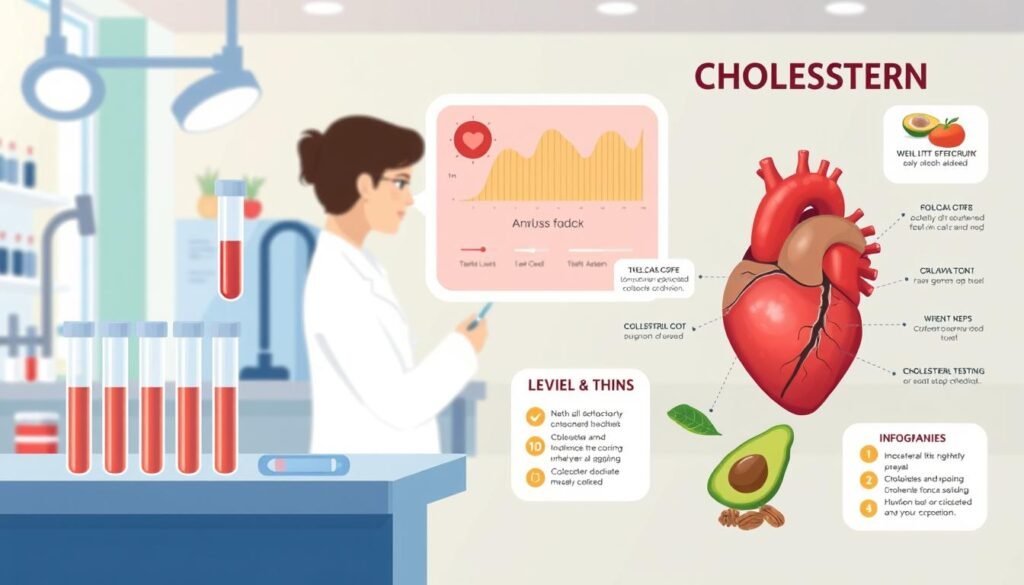
Knowing when to check your cholesterol is key to spotting health issues early. Following cholesterol test guidelines can greatly benefit your health journey.
Recommended screening ages
Kids and teens should get their cholesterol checked starting at age nine. At 45, adults should begin regular cholesterol screenings. Men between 45 and 65 and women from 55 to 65 should have a check every one to two years. After 65, testing should be done every year. Those at higher risk, like people with diabetes or a family history of heart disease, may need tests more often.
Frequency of cholesterol tests
Most adults in good health need cholesterol tests every four to six years. If you’re being treated for high cholesterol, you’ll need tests more often to see how well it’s working. Kids with obesity or diabetes might also need more checks to keep their cholesterol at a safe level.
Preventing High Cholesterol in the First Place
To prevent high cholesterol, start by changing your lifestyle. Adding good habits every day can help lower cholesterol. This also boosts heart health.
Lifestyle modifications for prevention
Many changes can help avoid high cholesterol. Important ones include:
- Regular physical activity: Working out often keeps the heart strong and helps control weight.
- Balanced diet: Eating lots of fruits, veggies, grains, and lean meats keeps cholesterol in check.
- Weight management: Staying at a healthy weight is key. Losing just 5 to 10% of your weight can greatly cut heart disease risk for overweight people.
- Quit smoking: Stopping smoking betters cholesterol levels and heart wellness.
- Limit alcohol: Drinking less alcohol is good for cholesterol and health overall.
Understanding cholesterol’s link to weight management
Keeping a healthy weight is crucial for avoiding high cholesterol. Too much body weight often leads to high LDL, the bad cholesterol. By staying at a healthy weight, you can lower LDL cholesterol well. Positive results are seen from 6 to 12 months. It shows how staying committed to a healthy lifestyle is vital for long-lasting success.
Conclusion
The talk on high cholesterol’s danger is key, as its health risks get clearer. Over 28.5 million in the US have cholesterol levels above 240 mg/dL. This puts them in danger of heart disease and stroke. Checking cholesterol regularly and making lifestyle changes are crucial.
In certain areas, over half the adults have too high cholesterol levels. It’s crucial for people to know their risk factors. Getting checked regularly, starting at age 20, offers deep insights into one’s heart health. For those with LDL above 160 mg/dL, the danger is even higher.
With new research and guidelines, high-risk individuals should seek professional advice. Combining medications, like statins, with lifestyle changes is effective. For deeper understanding on managing cholesterol, click here.