A recent study shows a link between drinking more than four cups of coffee daily and a higher chance of increased low-density lipoprotein (LDL) cholesterol. This finding is important for many people who love their daily coffee. It makes us question the coffee and cholesterol connection. Coffee is a favorite drink worldwide.
Yet, if you’re dealing with high cholesterol, you might worry about its effects. As new studies come out, they try to make clear if coffee is bad for our cholesterol and health. Since coffee is made in many ways and everyone enjoys it differently, we need to understand these details. While having coffee in moderation seems mostly safe, those concerned about the impact of coffee on high cholesterol need to stay up to date. They should know how it might change their heart health. This involves looking into how we brew coffee and our own caffeine sensitivity.
For a deeper dive into coffee’s health effects, see this useful guide from the Mayo Clinic here.
Key Takeaways
- A 2023 study links higher coffee consumption with increased LDL cholesterol levels.
- Brewing methods play a significant role in how coffee affects cholesterol.
- Moderate coffee intake, defined as fewer than four cups a day, has minimal cholesterol impact.
- Cafestol and kahweol compounds in coffee can raise LDL cholesterol levels.
- Some individuals may experience sensitivity to caffeine, leading to adverse effects.
Understanding Cholesterol and Its Importance
Cholesterol is a fat-like substance that our bodies need. It helps make hormones, keeps cell membranes strong, and aids in digestion. Most of our cholesterol is made by our body. Yet, the food we eat also adds to its level. Knowing how vital cholesterol is to our health is important.
There are two main kinds of cholesterol: low-density lipoprotein (LDL) and high-density lipoprotein (HDL). LDL is often called “bad cholesterol” as it can lead to health problems. These include heart disease because it causes plaque to build up in arteries. This increases the risk of heart attacks and strokes. Knowing about these types helps people take care of their health better.
Latest research shows how crucial cholesterol management is for our health. It’s important to check your cholesterol levels regularly. This helps avoid serious health issues. By keeping healthy cholesterol levels and knowing what affects them, we can lower the risks of having high cholesterol.
What Are LDL and HDL Cholesterol?
It’s really important to know the different kinds of cholesterol to keep your heart healthy. Cholesterol moves in our bloodstream on lipoproteins. There are two main kinds: LDL (low-density lipoprotein) and HDL (high-density lipoprotein). The balance between them affects our cardiovascular health a lot.
LDL is called “bad” cholesterol for a reason. High levels of it can cause plaque to build up in your arteries. This increases the risk of heart disease. On the flip side, HDL is known as “good” cholesterol. It helps by taking extra cholesterol out of your bloodstream, which helps prevent heart problems.
Doctors say people over 45 (men) and over 55 (women) should have LDL cholesterol below 100. Younger folks should aim for under 130. For HDL, men need at least 40 and women need 50 or more. Keeping a healthy balance between LDL and HDL is key for staying healthy.
Knowing about LDL and HDL cholesterol helps you look after your heart better. Getting regular check-ups to monitor these levels can guide you to make healthier choices and changes in your life.
Effects of Coffee on Cholesterol Levels
Coffee drinking and its impact on cholesterol have been widely studied. This is because coffee contains natural compounds. Cafestol and kahweol, found in coffee, mainly affect cholesterol levels. Drinking unfiltered coffee can increase LDL, the ‘bad’ cholesterol. This shows how important the way coffee is brewed can be for your cholesterol.
One key study found that men who drink espresso might have higher cholesterol than those who drink filtered coffee. Dutch research showed that the way coffee is brewed really matters for cholesterol. Filtered coffee, made by hot water passing through coffee in a paper filter, is healthier. It lowers cafestol levels, which is good for watching cholesterol.
The European Society of Cardiology says 3-4 cups of coffee a day are okay. It might even help your heart. A study from Sweden in 2019 found that 2-3 cups of filtered coffee each day could cut the risk of type 2 diabetes by 60% compared to those drinking less. But, drinking more than four cups can increase heart disease risks.
Instant coffee might be better for those worried about cholesterol as it has fewer harmful compounds. Besides diterpenes, other compounds in coffee like acrylamide can affect cholesterol and fats in the body. Coffee’s effect on cholesterol depends on many things, including what you eat and your health.
Is Coffee Bad for High Cholesterol? The Evidence
Research shows a tricky link between coffee and cholesterol. In the USA and Europe, people drink about 5.1 kg of coffee each year. It’s a big part of what many of us do daily. Studies don’t always agree on how coffee affects our cholesterol, especially with different ways of making it.
Boiled or unfiltered coffee has substances called diterpenes. These can raise the bad cholesterol, LDL, a lot. On the other hand, filtered coffee is better for us. It has phenolic acids that help lower bad cholesterol.
Many studies link coffee to cholesterol levels. A 2007 study found that drinking a lot of coffee might lead to heart disease. Yet, drinking filtered coffee in moderation might lower heart disease risks. People drinking 1 to 4 cups of filtered coffee daily had the lowest heart disease death rates.
Even though caffeine might bump up blood pressure briefly, a little coffee could actually help. Drinking 1 to 3 cups a day might make you less likely to get high blood pressure. Green coffee has been shown to lower blood pressure, which is good news for cholesterol care.

Talking about coffee and cholesterol with healthcare providers is smart. Its effects change from person to person. So, getting advice that fits you is key.
The Diterpenes: Cafestol and Kahweol
Cafestol and kahweol are natural oils in coffee that affect cholesterol. Found mainly in unfiltered coffee, they can raise bad cholesterol. Meanwhile, they slightly lower good cholesterol. This is crucial information for those watching their cholesterol.
Cafestol increases the activity of a certain protein by 18%. It also ups another protein’s action by 21%. This shows how coffee oils are connected to cholesterol management. Also, cafestol and kahweol together can lower another protein’s activity by 11%.
A cup of unfiltered coffee has 3 to 6 mg of these oils. About 70% of them are absorbed in the gut. Very little, less than 1%, ends up in urine. This means they significantly impact cholesterol.
Cafestol can raise triglycerides in the blood by 86%. Kahweol alone doesn’t do much for lipid levels. But it works well with cafestol. For example, 10 mg of cafestol daily can increase cholesterol slightly in four weeks.
These coffee oils do more than just change cholesterol. Cafestol affects blood fats more than kahweol does. Yet, kahweol fights inflammation. Knowing about these oils helps people make smarter coffee choices, keeping cholesterol in check.
Brewing Methods and Their Impact on Cholesterol
The way you brew coffee strongly affects cholesterol levels. Different brewing methods change the amounts of certain substances. These substances can raise or lower cholesterol. Filtered coffee tends to be better for your health in this respect.
Filtered vs. Unfiltered Coffee
Filtered coffee can be better for your cholesterol. It uses paper filters to remove harmful substances. Substances like cafestol and kahweol, which raise cholesterol, are left behind in the filter. Studies show that people who drink unfiltered coffee have higher cholesterol than those who choose filtered coffee. For example, drinking five cups of French press coffee daily can increase LDL cholesterol by 6-8% in four weeks. Knowing this can help you make better choices for your cholesterol health.
Espresso and Its Effects on Cholesterol
Espresso affects heart health differently. It’s made by pushing hot water through fine coffee without a filter. This process leaves more diterpenes in the coffee compared to filtered coffee. Drinking 3–5 espressos a day slightly ups your total cholesterol. However, espressos are small, so the effect is less noticeable. Still, drinking lots of espressos can bump up your cholesterol but not as much as unfiltered coffee does.
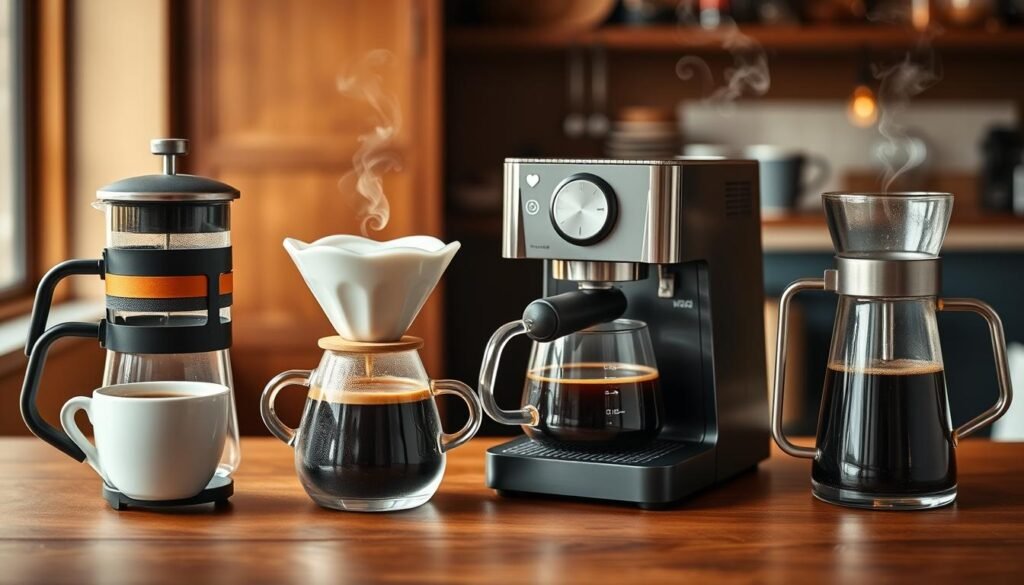
| Brewing Method | LDL Cholesterol Impact | Typical Serving Size | Filtered Coffee Benefits |
|---|---|---|---|
| Filtered Coffee | Lower risk of increase | 8 oz cup | Reduced diterpenes |
| Unfiltered Coffee (e.g., French Press) | Increased by 6-8% with 5 cups daily | 8 oz cup | Higher diterpenes |
| Espresso | Minimal increase (0.09 mmol/L for women, 0.16 mmol/L for men) | 1 oz shot | Higher caffeine content |
Choosing a brewing method improves your coffee experience and affects your heart health. For more tips on diet and cholesterol, visit this guide.
Risks of Drinking Coffee with High Cholesterol
It’s important to know the risks of coffee when you have high cholesterol. Coffee additives cholesterol risks can make things worse. Being aware helps you choose wisely about your coffee habits.
How Additives Increase Cholesterol Risks
Cream, sugar, and syrups add calories and saturated fats in coffee. They can raise bad cholesterol, known as LDL. If you’re watching your cholesterol, be careful with these. Just one fancy coffee can add 300 to 500 calories. This can hurt your diet a lot.
Caffeine Sensitivity and Its Impact
People react differently to caffeine. It can change your heart rate and blood pressure. These effects of caffeine can be tough, especially with some medicines. Knowing how caffeine affects you helps manage cholesterol and health.
| Additive Type | Potential Impact on Cholesterol |
|---|---|
| Cream | High in saturated fats, may raise LDL levels |
| Flavored Syrups | Adds sugar and calories, contributing to high cholesterol |
| Sugar | Increases overall calorie intake, leading to weight gain which can affect cholesterol |
| Bulletproof Coffee | Contains butter and coconut oil, leading to significant LDL hikes |
Benefits of Quitting Coffee for High Cholesterol
Quitting coffee can be really good for those worried about cholesterol. Studies show that skipping unfiltered coffee helps a lot. People who didn’t drink coffee had cholesterol levels like those who drank filtered coffee. So, cutting down on coffee, especially the unfiltered kind, could be a smart move for your health.
After 12 weeks, people drinking boiled coffee saw a 10% jump in cholesterol. This shows how some coffees can be bad for your heart. Drinking filtered coffee didn’t change cholesterol levels. This tells us that the way you make your coffee matters for your health.
Stopping coffee can also help you sleep better and feel less anxious. This is great for people who get jittery from caffeine. Cutting out coffee can make a big difference in how you feel.

If you’re worried about your heart health, think about changing your lifestyle. Trying a Mediterranean diet could lower your cholesterol. Talk to a doctor to see if quitting coffee is right for you. For more info on how coffee affects your health, click here.
| Coffee Consumption Group | Serum Cholesterol Change |
|---|---|
| Boiled Coffee Group | +10% |
| Filtered Coffee Group | No significant change |
| No Coffee Group | No significant change |
Alternatives to Coffee for Those Concerned About Cholesterol
For those watching their cholesterol, finding coffee substitutes is wise. There are many tasty, health-friendly choices. Here are some beverages to enjoy instead of coffee.
- Green Tea: This drink is known for reducing LDL cholesterol with its catechins and antioxidants.
- Soy Milk: High in protein, it can lower LDL cholesterol while boosting HDL levels. The FDA suggests eating 25g of soy protein daily for heart health.
- Pomegranate Juice: Full of antioxidants, it has almost three times the antioxidant power of green tea and red wine, helping to lower LDL cholesterol.
- Beetroot Juice: Research indicates it can greatly improve HDL cholesterol levels.
- Berry Smoothies: Blueberries, rich in anthocyanins, make a tasty drink that lowers LDL cholesterol and fights inflammation.
- Cocoa Products: These drinks, loaded with flavanols, can lower both LDL and total cholesterol.
- Herbal Teas: Drinks like rooibos and chai tea offer flavor with little or no caffeine, avoiding cholesterol spikes.
- Lemon Water: A vitamin C-rich refreshment, this is a great hydration choice.
There’s a broad selection of coffee substitutes for managing cholesterol. Adding these drinks to your daily routine supports heart health and ensures pleasure.
| Beverage | Key Benefits | Cholesterol Impact |
|---|---|---|
| Green Tea | Antioxidants, LDL reduction | Lowers LDL cholesterol levels |
| Soy Milk | Protein source, FDA recommendation | Reduces LDL, increases HDL |
| Pomegranate Juice | High in antioxidants | Reduces LDL levels |
| Beetroot Juice | Boosts HDL levels | Significantly increases HDL |
| Berry Smoothies | Rich in fiber, antioxidants | Reduces LDL cholesterol levels |
| Cocoa Products | Flavanols, heart health benefits | Lowers LDL and total cholesterol |
| Rooibos Tea | Caffeine-free, antioxidant-rich | Potentially improves lipid profiles |
| Lemon Water | Refreshing, vitamin C source | No direct cholesterol impact |
Conclusion
The link between drinking coffee and cholesterol levels is complex. It depends on the coffee type, how it’s made, and what else you eat. Some studies show coffee might increase LDL cholesterol, mainly if it’s unfiltered. Yet, it could also have good effects, like protection, if you don’t have too much.
Choosing filtered coffee may be better for you. It removes substances that could raise LDL cholesterol. But, this also means losing some good compounds. If you worry about cholesterol, think carefully about how you make your coffee. And maybe talk to a doctor or health expert.
Drinking coffee in moderation shouldn’t harm your cholesterol too much. A few cups a day could still be okay for a healthy diet. Reading research, such as this study, helps you understand how coffee affects cholesterol. This way, you can enjoy your coffee and take care of your health.