Did you know that over 95 million American adults have high LDL cholesterol? This condition heightens the risk of heart disease. It’s vital to lower this cholesterol for better heart health. Luckily, natural methods can help. This guide will show you how to reduce LDL cholesterol. It covers lifestyle changes, diet adjustments, and more. You don’t have to rely only on medicine to manage your cholesterol levels.
It’s important to test your cholesterol regularly. This helps you understand your heart health. Knowing your levels lets you make smart choices about food and activities. Foods high in soluble fiber and omega-3 fats are very helpful. So is regular exercise. Even losing a little weight can make a big difference for your cholesterol.
Embrace these natural methods for a healthier heart. Looking for more on when to get checked? Visit cholesterol testing guidelines for info.
Key Takeaways
- Managing LDL cholesterol is crucial for heart health and can be improved through natural methods.
- Understanding cholesterol testing helps in tailoring lifestyle changes for better results.
- Engaging in regular physical activity can lead to weight loss and improved cholesterol levels.
- Incorporating sources of soluble fiber into the diet is beneficial for cholesterol management.
- Healthy lifestyle changes may require monitoring and consistent effort alongside dietary adjustments.
- Quitting smoking can significantly reduce the risk of heart disease in just one year.
- Moderate alcohol consumption may have heart benefits, but it shouldn’t be encouraged for non-drinkers.
Understanding LDL Cholesterol and Its Risks
LDL cholesterol is known as “bad” cholesterol, leading to significant LDL cholesterol risks. It causes plaque to build up in arteries. This ups the chances for severe issues like cardiovascular disease, heart attacks, and strokes. Adults should aim for an LDL level under 100 mg/dL. Those with a history of artery issues need to keep it below 70 mg/dL.
Many factors like diet, weight, activity, and genes affect LDL levels. Some racial and ethnic groups have higher levels. For example, African Americans generally have higher levels than White Americans. It’s vital for men aged 45 to 65 and women 55 to 65 to get their cholesterol checked every 1 to 2 years.
Keeping LDL at a safe level is key for heart health. High levels make complications more likely. Healthy eating and exercise can help control LDL. Aim for 10 to 25 grams of soluble fiber daily. Adding 30 minutes of aerobic exercise most days boosts heart health and lowers LDL.
Understanding the link between LDL cholesterol and wellness helps guide lifestyle choices. Sometimes, if lifestyle changes aren’t enough, medicines like statins may be needed.
How to Lower LDL Cholesterol
Keeping your cholesterol in check is key to a healthy heart. Reducing LDL, the “bad” cholesterol, can prevent heart disease. It’s crucial to know your cholesterol numbers, especially since 75% of people who’ve had a heart attack or stroke had high cholesterol. Yet, 47% of them didn’t even know their LDL levels. Getting regular check-ups and tweaking your lifestyle can greatly help manage your cholesterol.
Importance of Managing Cholesterol Levels
Keeping an eye on cholesterol is vital for your heart’s health. LDL cholesterol clogs arteries if it’s too high. This raises the risk of heart attacks and strokes. But HDL cholesterol, the “good” kind, hauls LDL back to the liver where it’s broken down. Knowing how to balance LDL and HDL is crucial.
Overview of LDL vs. HDL Cholesterol
Both LDL and HDL affect your heart. High LDL increases the risk of heart problems, while HDL protects against them. Being active can reduce LDL and up HDL levels. Changes in diet and regular exercise can make a big difference in 6 to 12 months.
Eating heart-healthy foods helps lower LDL cholesterol. A good sleep and stress management routine boosts these efforts. Taking these steps leads to a healthier heart.
Heart-Healthy Foods to Include in Your Diet
Eating heart-healthy foods is key for lowering cholesterol. These foods boost overall health and target bad (LDL) cholesterol. Focusing on healthy fats, soluble fiber, and plant sterols helps manage cholesterol well.
Sources of Healthy Fats
Healthy fats are important for your diet. They can take the place of saturated fats, cutting the risk of high LDL cholesterol. Try to include these in your meals:
- Avocados: Two servings a week might reduce heart disease risk.
- Nuts: Studies show nuts can decrease LDL cholesterol and triglycerides.
- Oily fish: Salmon, trout, and herring are packed with omega-3s; try to eat 8 ounces weekly.
- Liquid vegetable oils: Choose canola, olive, and sunflower oils over butter.
- Low-fat dairy: Use low-fat or fat-free milk instead of whole milk in your recipes.
Benefits of Soluble Fiber
Soluble fiber is crucial for lowering cholesterol. It reduces cholesterol absorption into your blood. Foods to add to your diet include:
- Oats: A great choice for breakfast, full of soluble fiber.
- Beans: Eating 1 cup of beans a day can significantly cut LDL levels.
- Fruits: Berries can boost good (HDL) while reducing bad cholesterol.
- Whole grains: Three servings a day can lower heart disease risk by 19%.
Incorporating Plant Sterols into Your Meals
Plant sterols stop cholesterol from being absorbed by your body. Adding just 2 grams of plant sterols daily can lower LDL cholesterol by 5% to 15%. Here’s how you can include them:
- Fortified margarines: Easy to find and use for cooking.
- Fortified orange juice: A simple way to get more plant sterols.
- Snack bars: Look for bars enriched with plant sterols for an easy snack.
Reducing Saturated and Trans Fats
Making better food choices helps lower bad cholesterol. It’s key to eat less saturated fats and avoid trans fats. The American Heart Association advises keeping saturated fat under 6% of your total daily calories to better your cholesterol levels.
Identifying Saturated Fats in Foods
Saturated fats are in many foods. Knowing which foods have them helps us choose wisely. Foods high in saturated fats, like the ones below, should be eaten less:
- Red meats, such as beef, lamb, and pork
- Full-fat dairy products, including cheese, butter, and cream
- Coconut oil and palm oil
- Processed snacks and baked goods
For healthier eating, try eating more lean meats or plant-based foods instead of foods high in saturated fats.
The Impact of Trans Fats on Cholesterol Levels
Trans fats are bad for cholesterol. They not only increase bad LDL cholesterol but also lower good HDL cholesterol, raising heart disease risk. The FDA has required trans fats to be listed on food labels since 2006. This helps people avoid them to lower LDL cholesterol.
Many eateries have stopped using trans fats. Always check the nutrition facts for trans fat, listed under “Total Fat” if it’s in there.
Avoiding foods with saturated and trans fats is key for better health. It also helps lower LDL cholesterol more efficiently.
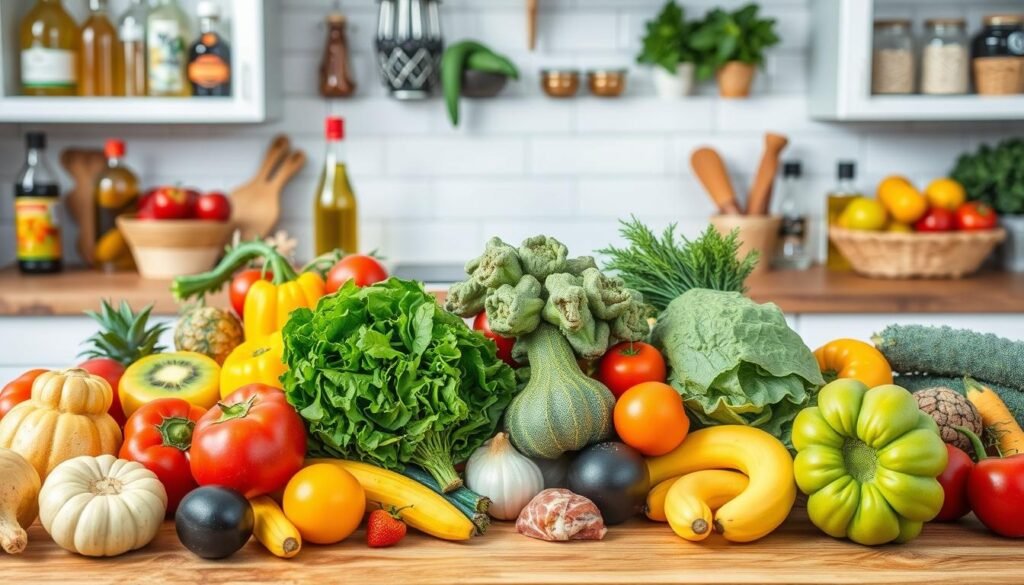
The Role of Omega-3 Fatty Acids
Omega-3 fatty acids are key for keeping the heart healthy. They have many benefits for the heart. These fats help lower cholesterol and reduce inflammation. They also cut down triglyceride levels in our blood.
Benefits of Omega-3 Fatty Acids for Heart Health
The American Heart Association praises omega-3 fatty acids, especially for those at risk of heart disease. These fats boost good cholesterol levels and help with cholesterol breakdown. This is essential for heart health.
Omega-3 fatty acids also help in removing cholesterol from the body. They make the good cholesterol work better as antioxidants. This action stops bad cholesterol from getting oxidized. Thus, it reduces stress on the heart. Eating foods high in omega-3s lowers the chance of developing heart disease.
Foods Rich in Omega-3 to Consider
Adding foods rich in omega-3 to your diet brings great benefits. Here are some top sources:
- Fatty fish like salmon, mackerel, and sardines
- Flaxseeds and flaxseed oil
- Walnuts
- Chia seeds
- Hemp seeds
Eating these foods helps your heart stay strong and manages cholesterol well. For example, fatty fish reduces heart disease risks. Knowing about omega-3 fatty acids makes you choose better foods for health.
Incorporating More Fiber into Your Diet
Adding more dietary fiber helps lower bad cholesterol levels. There are two kinds of fiber: soluble and insoluble. Soluble fiber is key for managing cholesterol because it forms a gel that catches fats, stopping them from being absorbed. By eating different foods rich in fiber, you can meet daily fiber goals and boost your health.
Sources of Soluble and Insoluble Fiber
Great sources of soluble fiber include:
- Oats
- Beans
- Apples
- Avocados
- Flaxseeds
You can find insoluble fiber in:
- Whole grains
- Nuts
- Vegetables
Both fiber types are good for your gut, but soluble fiber is especially good for lowering cholesterol.
Daily Fiber Recommendations
The National Academy of Medicine gives these fiber recommendations:
| Age Group | Fiber Recommendation (grams/day) |
|---|---|
| Women (ages 19-50) | 25 |
| Men (ages 19-50) | 38 |
| Women (ages 51+) | 21 |
| Men (ages 51+) | 30 |
Most people in the U.S. don’t eat enough fiber. Eating more whole grains, fruits, and beans can help reach fiber goals. If you’re boosting your fiber, do it slowly to avoid stomach upset.
Exercise for Cholesterol Management
Getting regular exercise is vital for controlling cholesterol levels. It boosts heart health and improves cholesterol profiles. To get the most benefit, try different physical activities.
Types of Exercise to Consider
Mixing aerobic and resistance exercises each week helps manage cholesterol best. Here are some good exercise choices:
- Aerobic Exercise: Walking, running, cycling, and swimming can increase good HDL and lower bad LDL cholesterol.
- Resistance Training: Strength training boosts overall cholesterol and increases HDL levels.
- Swimming: Regular swimming helps lower cholesterol and triglycerides, benefiting those with high blood pressure or type 2 diabetes.
Recommended Weekly Activity Levels
The American Heart Association suggests at least 150 minutes of moderate aerobic exercise weekly. This helps lower cholesterol and support heart health. Follow these activity guidelines for managing cholesterol:
| Activity Type | Weekly Duration | Health Benefits |
|---|---|---|
| Aerobic Exercise | 150-300 minutes | Lowers LDL; raises HDL; boosts heart health |
| Resistance Training | 2-3 sessions/week | Improves cholesterol levels and metabolism |
| Swimming | 2-3 sessions/week | Reduces total cholesterol and triglycerides |
Using different exercises together brings bigger health gains. Monitoring your heart rate during workouts makes exercising more effective. Aim to exercise 30 to 45 minutes per session, focusing on regularity for better cholesterol management.
Weight Management Strategies
Managing your weight well is key to lowering cholesterol. Losing even a small amount of weight can make a big difference in your LDL cholesterol. Simple changes in your daily life can help your heart health and reduce cholesterol. Choose better foods and stay active for good health.
Connecting Weight Loss to Cholesterol Reduction
Losing weight does more than change how you look. It’s good for your cholesterol, too. Dropping 5% to 10% of your body weight can lower LDL cholesterol. This decreases heart disease risk. Behaviors related to diet and exercise really matter for your cholesterol and heart.
Simple Lifestyle Changes for Weight Control
Even small changes can have a big impact on controlling your weight. Here are some tips:
- Include foods like oats, beans, and veggies in your diet to help lower cholesterol.
- Choose healthy fats like olive oil over saturated fats like butter.
- Skip sugary drinks for water or herbal teas.
- Try to get at least 150 minutes of exercise each week.
- Take the stairs to increase your daily activity.
These changes help with weight management and boost your cholesterol levels. This leads to a healthier heart.

Quitting Smoking and Its Benefits
Quitting smoking is very beneficial for your health. It helps manage cholesterol levels and improves heart health. Right after you quit, your heart rate and blood pressure start to stabilize. In just a year, your cholesterol can get better, with high-density lipoprotein (HDL) cholesterol going up.
How Smoking Affects Cholesterol and Heart Health
Smoking makes your cholesterol worse, raising bad low-density lipoprotein (LDL) cholesterol and lowering good HDL levels. Smokers are at higher risk of having dangerous cholesterol levels. This can lead to heart disease. But the good news is, after you stop smoking, your HDL levels can get back to normal in about a year.
Tips for Successfully Quitting Smoking
Quitting smoking takes planning and support. Here are some tips to help:
- Set a quit date to prepare yourself mentally.
- Get support from family, friends, or support groups.
- Think about using stop-smoking aids like nicotine patches or medicines.
- Make healthy lifestyle changes, like exercising and eating right to help your heart and cholesterol.
About 36.2% of smokers quit successfully within a year using these methods. Quitting can raise your HDL cholesterol by 2.4 mg/dL. This shows how quitting smoking is key to better cholesterol and heart health. For more on the benefits of quitting, check out the health improvements of stopping smoking.
Moderate Alcohol Consumption
Moderate alcohol drinking can affect the heart and cholesterol in good and bad ways. Small amounts may raise HDL (good) cholesterol, aiding heart health. But, too much alcohol can harm by increasing LDL (bad) cholesterol and blood pressure.
Understanding the Link Between Alcohol and Cholesterol
Research shows moderate drinking might reduce heart disease, stroke, and death risks. Those who drink lightly or moderately often face lower heart disease risks than heavy drinkers and those who don’t drink at all.
Yet, drinking a lot is dangerous for health worldwide. Binging on alcohol leads to higher cholesterol and triglyceride levels. It also causes waist growth and higher blood pressure, which threaten the heart.
Guidelines for Moderate Alcohol Intake
Experts say women should stick to one drink a day and men to two. This helps gain heart benefits without harm. They find the best heart help comes from 0.5–1 drink a day for women, and 1–2 for men.
The table below shows guidelines on drinking and its effects on heart health:
| Alcohol Consumption Level | Recommended Drink Limits | Potential Benefits/Risks |
|---|---|---|
| Low to Moderate | 1 drink/day (women), 2 drinks/day (men) | May increase HDL cholesterol |
| Heavy | More than 2 drinks/day for women, more than 3 drinks/day for men | Higher risk of LDL cholesterol increase, elevated blood pressure |
| Binge Drinking | More than 6 units in a single occasion | Significant health risks, increased chance of death from various causes |
In closing, drinking moderately can be good for the heart by helping with cholesterol. But drinking too much does the opposite. It’s important to watch how much alcohol you drink for your heart’s sake.
Exploring Cholesterol-Lowering Supplements
Many people try to lower their cholesterol with supplements. It’s important to be careful and get advice from doctors. This ensures you choose the best method for managing cholesterol.
Natural Supplements to Consider
There are various natural remedies aimed at lowering cholesterol. Here are some noteworthy ones:
- Berberine may help decrease bad cholesterol and fats in the blood.
- Fish oil is known for reducing fats called triglycerides.
- Flaxseed, especially ground, can reduce bad cholesterol levels.
- Garlic might lower cholesterol slightly, but results vary.
- Green tea and its extracts could lower bad cholesterol.
- Niacin helps reduce bad cholesterol and fats while possibly raising good cholesterol.
- Plant sterols and stanols help lower bad cholesterol, beneficial for those at risk.
- Red yeast rice contains a compound like cholesterol medication, which may have similar side effects.
- Fiber supplements like psyllium help reduce overall and bad cholesterol levels.
- Whey protein, as a single ingredient, may help lower bad and total cholesterol.
Consulting with Healthcare Professionals
Talking to a doctor before starting supplements is key. They provide advice based on your health and medication. This is important since some supplements work best with medicine for a full cholesterol management plan.
| Supplement | Potential Benefits | Notes |
|---|---|---|
| Berberine | Reduces LDL cholesterol and triglycerides | Needs more study |
| Fish Oil | Lowers triglycerides | Popular for heart health |
| Flaxseed | Reduces LDL cholesterol | More effective when ground |
| Garlic | Slight cholesterol decrease | Study results vary |
| Green Tea | Could reduce LDL cholesterol | Has healthy antioxidants |
| Niacin | Reduces LDL and triglycerides | Side effects need monitoring |
Conclusion
Keeping cholesterol in check is key for a healthy heart and avoiding heart diseases. Eating right, staying active, and making good choices daily can make a big difference. Foods like whole grains, good fats, and lots of fiber can lower “bad” cholesterol naturally, without medicines.
Small changes in how we live can have big health benefits. A person in a study improved their diet and quickly saw their cholesterol drop. This shows that changing our habits can really help. It’s important to note, though, that not just lifestyle, but genetics and other conditions can affect cholesterol.
Putting heart health first is critical. It reduces the risk of high cholesterol and boosts our overall health. People have the power to improve their health through consulting doctors, choosing natural approaches, or making lasting lifestyle changes. It’s all about taking steps towards a healthier heart now.