Did you know that the average American has much more cholesterol than needed? This excess raises the risk of heart disease and other health issues. It’s important to know how to lower high cholesterol. Not just for those affected, but for anyone wanting a healthy heart. Experts suggest that natural methods, like eating better, exercising, and changing your lifestyle, can greatly help manage cholesterol and improve heart health.
This article will show you practical ways to improve your diet and daily habits. You’ll learn about heart-friendly foods and the importance of staying active. These tips aim to help you better manage your cholesterol levels. By making these changes, you can take charge of your heart health with natural solutions.
For detailed advice on lowering cholesterol, check out the Mayo Clinic’s tips on natural methods to lower high cholesterol.
Key Takeaways
- Understanding cholesterol’s role in health is essential for prevention.
- Dietary changes can significantly improve cholesterol levels.
- Regular exercise is critical in the management of cholesterol.
- Lifestyle adjustments, such as quitting smoking, support heart health.
- Moderation in alcohol consumption can influence cholesterol levels positively.
Understanding Cholesterol and Its Impact on Health
Cholesterol is a waxy substance in our blood, important for making hormones and vitamin D. Our bodies need it, but too much can cause heart disease and stroke. About 75% of our cholesterol is made by the liver. The rest comes from the food we eat. That’s why it’s key to know about both sources to manage cholesterol levels right.
Most dietary cholesterol comes from animal products. But it’s actually saturated and trans fats that raise LDL (bad) cholesterol more. We should only get 5% to 6% of our daily calories from saturated fat. Eating less of these fats helps keep our cholesterol in check.
The Mediterranean Diet is great for heart health. It helps manage LDL and boost HDL (good) cholesterol. It includes fruits, veggies, whole grains, and healthy fats. Eating 10 to 25 grams of soluble fiber daily also helps. It binds to bile and helps remove cholesterol from the body.
Avoid fast and processed foods to keep LDL cholesterol down. They often have trans fats. Try cooking with healthier oils, eat more fish, and swap butter with alternatives. Snacking on nuts, fresh fruits, and Greek yogurt is also smart. These snacks don’t raise bad cholesterol levels.
Even with a good diet, some people’s cholesterol might still be high. This could need medical help, especially with genetic conditions like familial hypercholesterolemia. Treating it might need specific therapies like lipoprotein apheresis. Living a healthy lifestyle, getting regular check-ups, and working with doctors can lower heart disease risk. It helps keep a good cholesterol balance too.
| Cholesterol Type | Description | Impact on Health |
|---|---|---|
| LDL Cholesterol | Low-Density Lipoprotein | High levels can lead to buildup in arteries, increasing risk of heart disease |
| HDL Cholesterol | High-Density Lipoprotein | Helps remove cholesterol from the bloodstream, reducing heart disease risk |
The Difference Between HDL and LDL Cholesterol
Cholesterol is vital for our health, but there are two main kinds. “Good” cholesterol is called HDL, and “bad” cholesterol is known as LDL. It’s important to know the difference to manage your cholesterol well.
HDL cholesterol helps move cholesterol away from your arteries to the liver, where it’s removed from your body. This lowers the risk of heart problems. Men should have HDL levels over 40 mg/dL, and women should have levels over 50 mg/dL. On the other hand, LDL cholesterol carries cholesterol to your body’s tissues. Too much LDL can cause harmful plaque to build up in your arteries.
To keep your heart healthy, your LDL cholesterol should be under 100 mg/dL. Balancing HDL and LDL cholesterol is crucial. Doctors look at the ratio of total cholesterol to HDL cholesterol to gauge heart disease risk. A good ratio is 3.5:1, but up to 5:1 is acceptable. Getting regular checks can help you track these numbers and adjust your lifestyle if needed.
https://www.youtube.com/watch?v=0U7YHRW5dyc
If you’re over 40, get a cholesterol test. High LDL cholesterol increases your risk of heart disease. If you can’t lower it with diet and exercise, your doctor might suggest medication. Learning about HDL and LDL cholesterol can help you lead a healthier life.
| Cholesterol Type | Common Name | Role | Recommended Levels |
|---|---|---|---|
| HDL | Good Cholesterol | Transports cholesterol to the liver for excretion | Above 40 mg/dL (men), above 50 mg/dL (women) |
| LDL | Bad Cholesterol | Delivers cholesterol to tissue, can cause plaque buildup | Less than 100 mg/dL |
| Total Cholesterol | N/A | Overall cholesterol in the blood | Below 200 mg/dL |
How to Lower High Cholesterol Through Diet
Diet is key to managing cholesterol and keeping your heart healthy. Choosing the right foods can lower LDL cholesterol. This promotes overall heart health. Here are some tips on heart-friendly foods and habits that help control cholesterol.
Heart-Healthy Foods to Include in Your Diet
Adding cholesterol-lowering foods to your meals helps a lot. Some good choices are:
- Oatmeal and barley are full of soluble fiber, reducing cholesterol absorption.
- Fruits like apples, bananas, and oranges are fiber-rich.
- Veggies such as carrots and Brussels sprouts have a lot of fiber.
- Whole grains, including brown rice and whole grain pasta, support a healthy heart.
- Nuts and seeds, especially walnuts, give you omega-3 fatty acids.
For more advice on heart-healthy eating, check out this resource.
Foods to Avoid to Reduce LDL Cholesterol
It’s crucial to know which foods raise LDL cholesterol. The American Heart Association suggests cutting down on:
- Red and processed meats with a lot of saturated fats.
- Full-fat dairy like whole milk and butter.
- Processed snacks and fried foods made with solid fats.
Pick lean ground meat with little fat. Use liquid vegetable oils like canola instead of solid fats. These steps can improve your diet.
Importance of Omega-3 Fatty Acids
Omega-3 fatty acids are vital for your heart. Studies show eating fatty fish weekly reduces heart risks. Omega-3 rich foods are:
- Fatty fish such as salmon and mackerel.
- Flaxseeds and chia seeds.
- Walnuts, which are great for adding healthy fats to your meals.
Making smart food choices helps manage cholesterol. It’s important to avoid certain foods. Also, getting your cholesterol checked regularly is key. This way, you can keep your heart in good shape.
Effective Exercise for Cholesterol Management
Exercise is key for keeping cholesterol in check. By staying active, you can boost your heart health and manage cholesterol well. Different physical activities can help lower cholesterol levels over time.
Recommended Physical Activities to Improve Cholesterol
For better cholesterol, mixing up your workouts helps. The American Heart Association suggests 150 minutes a week of exercises like:
- Brisk Walking: Walking 30 minutes a day can raise HDL cholesterol.
- Cycling: People who bike to work tend to have lower LDL cholesterol.
- Swimming: Regular swims improve your cholesterol numbers.
- Resistance Training: This can boost your overall cholesterol health.
- Team Sports: They offer fun and a healthier heart.
- Yoga and Pilates: Great for flexibility and cholesterol control.
The Role of Daily Exercise in Heart Health
Daily exercise is vital for heart wellness. Activities such as running and swimming can decrease LDL cholesterol and better cholesterol balance. Over time, regular exercise like this pays off.
Moving every day is great for controlling weight and reducing high blood pressure. Staying within 50%-85% of your max heart rate during exercise is ideal. According to a 2019 study, running regularly can cut the risk of heart disease. The CDC says ideal cholesterol levels are total cholesterol around 150 mg/dL, LDL under 100 mg/dL, and HDL between 40-50 mg/dL.
The table below shows some top exercises for cholesterol health:
| Exercise Type | Duration | Effects on Cholesterol |
|---|---|---|
| Brisk Walking | 30 minutes most days | Increases HDL cholesterol |
| Cycling | 30-60 minutes, several times a week | Lowers LDL cholesterol |
| Swimming | 30-60 minutes, regularly | Improves Lipid Profile |
| Resistance Training | 2-3 times per week | Improves total cholesterol levels |
| Yoga | 30-60 minutes, several times a week | Helps maintain cholesterol levels |

Natural Remedies for High Cholesterol
Many people look to natural remedies to manage high cholesterol. They want to improve their heart health this way. However, what works for one person might not work for another.
Astragalus and Its Heart Benefits
Astragalus is a herb used in traditional remedies. It is known for its anti-inflammatory effects and may help the heart. While specific studies on astragalus and cholesterol are limited, its potential for heart health is notable.
Talking to a healthcare provider is a good step. They can advise on using astragalus for cholesterol management.
The Use of Flaxseed and Omega-3 Supplements
Flaxseed is loaded with omega-3 fatty acids, which can lower cholesterol and improve heart health. Adding flaxseed regularly could help in managing cholesterol levels. Omega-3 supplements, particularly from fish oil, also promote a healthy heart.
Studies show having one to two servings of fatty fish weekly may reduce heart attack risks. Always consult a healthcare professional before starting new supplements. It’s important for safety and effectiveness.
Importance of Regular Cholesterol Screening
Cholesterol screening is key for keeping your heart healthy. Nearly 86.4 million adults in the U.S. had high cholesterol from 2017 to 2020. This shows how important it is to keep an eye on cholesterol levels.
Doctors say adults should check their cholesterol every 4 to 6 years. Kids aged 9 to 11 and teens 17 to 21 should also get tested regularly. This is especially true for those with concerns like obesity or diabetes.

The cholesterol test checks LDL (bad) cholesterol, HDL (good) cholesterol, triglycerides, and total cholesterol. Fasting 8 to 12 hours before the test helps get the best results.
Cholesterol management is guided by the 2018 American College of Cardiology/American Heart Association Guidelines. They look at a person’s long-term cardiovascular risk. Factors like age and diabetes are considered in monitoring heart health.
The NHLBI recommends starting cholesterol screenings between ages 9 and 11. Then, continue every five years. Men 45 to 65 and women 55 to 65 should check their cholesterol every 1 to 2 years. After 65, screenings should be done annually.
Regular cholesterol checks help you and your doctor stay aware of your health. They allow for early treatment plans if needed. Acting quickly on high cholesterol can greatly reduce heart disease and stroke risks.
Five Lifestyle Changes to Improve Cholesterol Levels
Making smart lifestyle changes can really boost your cholesterol and heart health. Simple steps like stopping smoking, eating well, and keeping a healthy weight make a big difference in managing cholesterol. These actions help lower heart disease risk.
How Quitting Smoking Affects HDL Cholesterol
Stopping smoking helps your cholesterol in a big way. It raises HDL cholesterol, which is good for your heart. Smokers usually have lower HDL cholesterol, increasing their risk for heart problems. Quitting smoking boosts HDL and improves lung health and your overall health too.
Weight Management Techniques for Heart Health
Managing your weight is key to controlling cholesterol. Losing just 5 to 10 pounds can really improve your cholesterol numbers. This can lower total and LDL cholesterol. Exercising for 30 minutes, 4 to 6 times a week, and eating plenty of fruits and vegetables are great ways to maintain a healthy weight. Also, picking unsaturated fats over fats that aren’t good for you and eating omega-3 rich fish helps cholesterol.
Choosing the right foods is important. It helps to read nutrition facts, pick high-fiber foods, and watch out for bad fats and sugars. Even small changes in your diet can make a big difference for your cholesterol and overall health.
Drinking Alcohol in Moderation: Effects on Cholesterol
Research has shown the impacts of moderate drinking on cholesterol and heart health. Light alcohol intake might boost HDL cholesterol, known as good cholesterol. This is beneficial, since high HDL levels lower the risk of heart diseases and stroke.
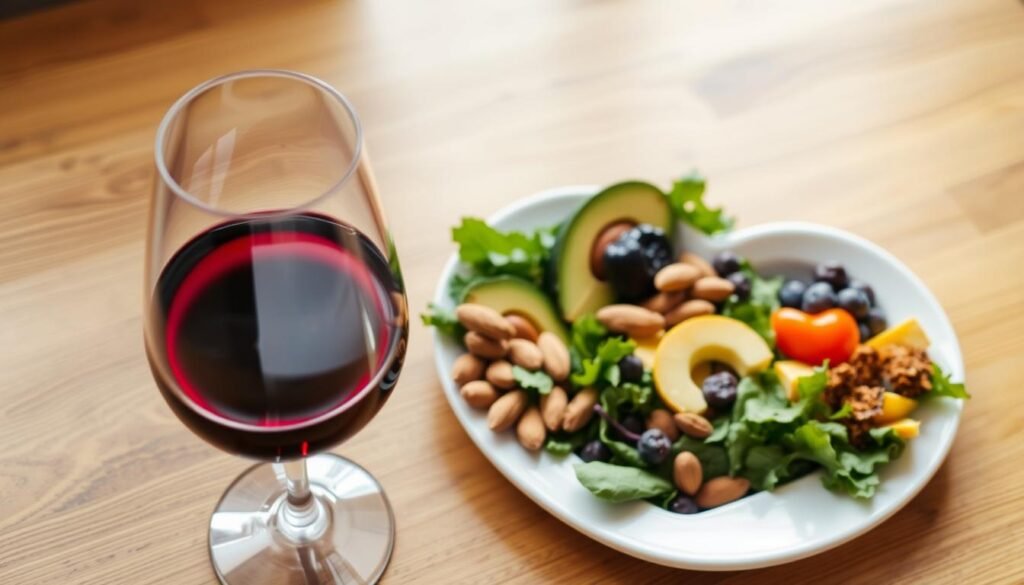
Guidelines suggest one drink a day for women and two for men as moderate drinking. But, drinking heavily increases health risks. It can shoot up total cholesterol and triglycerides, raising heart disease risk. Binge drinking severely spikes cholesterol levels, adding to heart concerns.
Moderate drinking might have some benefits for the heart. Yet, too much alcohol leads to harmful effects, like more heart disease cases and deaths. It’s vital to check your drinking habits for your heart’s sake. Evaluating alcohol use can help with diet choices affecting your health, especially if you have high cholesterol.
For those with type 2 diabetes, cutting alcohol can greatly reduce heart disease risk, by up to 44%. Keeping an eye on alcohol use is key for better health. For more knowledge on alcohol and cholesterol, check out this resource and learn about their link.
| Alcohol Consumption | Recommended Limits | Health Risks |
|---|---|---|
| Moderate Drinking | Up to 1 drink/day (women) Up to 2 drinks/day (men) |
Reduced risk of coronary heart disease |
| Heavy Drinking | 4+ drinks/day (men) 3+ drinks/day (women) |
Increased risk of heart disease, stroke, and liver disease |
| Standard Drink Definition | 12 oz. beer (5% alcohol) 5 oz. wine (12% alcohol) 1.5 oz. distilled spirits (40% alcohol) |
Potential cholesterol elevation and related diseases |
How to Lower High Cholesterol: Practical Tips and Strategies
Making changes for heart health can greatly reduce high cholesterol. It’s crucial to focus on what you eat, how much you exercise, and your overall lifestyle. Keeping your LDL, or “bad” cholesterol low, helps prevent artery blockage and heart issues.
- Limit saturated fat intake to less than 7% of daily calories. This can help in reducing LDL cholesterol levels.
- Keep dietary cholesterol below 200 mg per day by avoiding high-cholesterol foods such as organ meats, egg yolks, and whole milk products.
- Incorporate 10 to 25 grams of soluble fiber daily through oatmeal, beans, and fruits to aid in cholesterol absorption prevention.
- Include omega-3 fatty acid-rich foods, like salmon and walnuts, as they can lower LDL levels and reduce heart disease risk.
It’s not just about diet when it comes to heart health. Exercise is also key for managing cholesterol. Aim for 150 minutes of exercise a week like walking or cycling. This boosts good cholesterol and improves bad cholesterol levels.
- For weight management, losing just 5% to 10% of body weight can lead to a significant reduction in LDL cholesterol.
- Limit sodium intake to no more than 2,300 mg daily to manage blood pressure and prevent heart disease.
- Moderation is key when it comes to alcohol; men should limit their intake to no more than 2 drinks daily, while women should aim for no more than 1.
Adding these tips to your life can improve your health over time. Stopping smoking helps raise HDL cholesterol, boosting heart health. While these changes need effort, the benefits to your heart are worth it.
Conclusion
Knowing about cholesterol and its impact on your heart is key. This is vital to reduce cardiovascular disease risks. Learning the difference between HDL and LDL cholesterol helps make smart health choices. Adding a heart-healthy diet, physical activity, and good life choices improves cholesterol levels.
Lifestyle changes can often lower LDL cholesterol without needing medication. This shows the strength of adopting such changes. Moreover, getting cholesterol checks regularly is important for heart health maintenance. It keeps one informed about their heart’s condition.
Understanding your risk factors, like genetics and life habits, is crucial. This knowledge can shape your cholesterol management strategy. Sometimes, a mix of lifestyle changes and medication is needed. Statins are often used for this purpose.
To manage high cholesterol, integrate healthy eating, exercise, and regular doctor visits into your life. This not only lowers cholesterol but also boosts overall health. Learn more about cholesterol management at Cleveland Clinic.