A large-scale study involving 16,256 participants uncovered a startling link. Over two decades, researchers found a strong connection between high cholesterol levels and anxiety, depression, or stress-related disorders. It turns out that high cholesterol affects more than just the heart. Its psychological impact is becoming clearer. People with high cholesterol are at greater risk for mood disorders like depression and anxiety.
High cholesterol is more significant than a lab result. It can lead to impulsivity and aggression by affecting your mental health. As research grows, it underscores the importance of handling both your physical and mental health. For example, studies suggest low cholesterol could raise suicide risk. These findings are crucial. They show how cholesterol levels influence our psychological state, especially for those dealing with high cholesterol.
Key Takeaways
- High cholesterol is linked to increased risks of mood disorders like anxiety and depression.
- Individuals with elevated cholesterol may exhibit impulsivity and aggression.
- Mindful management of cholesterol can enhance overall psychological well-being.
- Cholesterol levels can serve as essential biomarkers for mental health risks.
- A holistic health approach can improve both physical and emotional conditions.
Understanding Cholesterol: The Basics
Cholesterol is a waxy substance that’s vital for our body. It’s needed in every cell and travels in the blood. Cholesterol comes in two main types: low-density lipoprotein (LDL) and high-density lipoprotein (HDL). LDL is often called the “bad” cholesterol because it can build up in arteries and form plaque. This can slow down blood flow and raise the risk of heart disease.
HDL is known as the “good” cholesterol. It helps take excess cholesterol away from arteries, which is good for the heart. It’s important to understand the balance between LDL and HDL because they affect the body differently. High levels of LDL can lead to health problems, so keeping an eye on these levels is key.
Cholesterol is key for making hormones, vitamin D, and helping with digestion. It’s also crucial for brain health. In fact, about 20% of the cholesterol in our bodies is in the brain, helping it work well. But too much cholesterol can hurt the brain, causing memory problems and more.
Getting your cholesterol checked can tell you a lot about your heart health. It can lead to changes that improve your life. For people with high blood pressure or diabetes, understanding your cholesterol can help avoid problems. Learning what your cholesterol numbers mean is vital for taking care of your health.
How Cholesterol Levels Influence Mental Health
Recent studies have shown interesting links between cholesterol and mental health. Researchers looked at eighteen studies. They found strong links between cholesterol, depression, aggression, and personality. The impact of cholesterol on psychology is more than just numbers. It deeply affects how we act.
Lower cholesterol levels are linked with more antisocial and violent acts. This includes aggression and quick, unthought actions. People with low cholesterol are more likely to attempt violent suicide. This highlights how important cholesterol is for our mental state over time.
There’s a clear link visible in patients with major depression. They often have much lower HDL cholesterol compared to healthy people. Those with serious depression tend to have cholesterol under 150 mg/dL. Lowering cholesterol beneath this level is risky. It increases the chance of dying by suicide or violence. Understanding cholesterol’s influence on behavior is key to better mental health treatments.
The Psychological Impact of High Cholesterol
High cholesterol and mental health are closely linked, affecting each other deeply. Studies show that people with mood disorders often have changing cholesterol levels, hinting at a strong connection. This relationship can play a big role in one’s emotions and mental well-being.
Connections Between Cholesterol and Mood Disorders
A 2013 study found a link between high cholesterol and more job stress. Stress can mess up our body’s fats, raising bad cholesterol and lowering good ones. This imbalance can make mood disorders like depression and anxiety worse.
Cholesterol’s ups and downs are important for treating mood disorders. Patients with these disorders may have lower cholesterol, affecting their mood regulation. Knowing how mood and cholesterol are linked can help doctors treat both the mind and body.
Impulsivity and Aggression Linked to Cholesterol Levels
High cholesterol can also lead to acting on impulse and aggression. Stress might cause us to eat poorly, raising our cholesterol. This can harm our health and how we act.
By understanding this link, we can find better ways to help people. Managing stress through exercise and eating well can lower cholesterol. This can improve mood and reduce chances of impulsive or aggressive behavior.
| Impact of Cholesterol on Mental Health | Effects on Mood Disorders | Behavioral Implications |
|---|---|---|
| Low cholesterol levels | Increased instances of mood instability | Higher risk of impulsivity |
| High cholesterol levels | Correlation with anxiety and depression | Potential for aggressive behaviors |
| Stress-induced cholesterol fluctuations | Worsening mental health outcomes | Impact on dietary habits |
High Cholesterol and Emotional Well-Being
Learning about the connection between high cholesterol and emotional health is key. High cholesterol is often linked to emotional problems. This includes anxiety and depression from cholesterol issues. Research shows a clear link, revealing altered cholesterol levels in people with mood disorders.
The Role of Cholesterol in Anxiety and Depression
The link between cholesterol and mental health is vital for emotional balance. Low HDL cholesterol and high LDL cholesterol are related to more anxiety and depression. Many with mood disorders show such changed cholesterol levels, which may worsen their mental state.
Correlation Between Elevated Cholesterol and Suicidal Behavior
Studies show a worrying link between high cholesterol and thoughts or acts of suicide. High overall cholesterol may make violent suicide attempts more likely. People with mood issues often have lower cholesterol, making the link complex. Chronic inflammation from high cholesterol might lead to heart disease and a higher chance of depression. It’s important to understand these connections for mental health.
Managing Cholesterol and Mental Health
Managing cholesterol is key to both physical and mental health. A managing cholesterol diet can improve your cholesterol levels and boost your mental well-being. This part talks about dietary changes and why cholesterol check-ups are important.
Dietary Changes to Improve Cholesterol Levels
Making smart food choices can lower cholesterol and help your mood. You should eat more:
- Fatty fish (rich in omega-3 fatty acids)
- Nuts and seeds
- Whole grains (like oats and barley)
- Fruits and vegetables (packed with fiber)
- Legumes and beans
These foods are not only good for your cholesterol. They can also help you feel better and less anxious.
The Importance of Regular Health Check-Ups
It’s important to check your cholesterol regularly. Doing so helps catch any risks early. These tests give doctors a way to watch your cholesterol over time. They show how cholesterol and mental health are linked.
Talking to your doctor helps you understand how cholesterol affects your overall health. This includes both your body and your mind.
The Relationship Between High Cholesterol and Mental Health
More and more studies show how cholesterol levels are linked to mental health. These studies explore how cholesterol affects our minds. They aim to find new ways to treat mental health issues by understanding cholesterol’s role.
Research Studies on Cholesterol Levels and Psychological Effects
A lot of research over the years has connected cholesterol levels with mental health. It’s been found that low cholesterol might lead to more mood disorders, like depression. Low cholesterol levels could make people more impulsive or aggressive.
This might happen because of less serotonin receptor activity, which affects mood. It is also noted that people who attempt suicide violently tend to have lower cholesterol than those who don’t.
Metabolic Biomarkers and Mental Health Risks
Lately, there’s been a focus on how cholesterol levels and mental health are related. It’s important to check cholesterol in people with mood disorders. This is because there’s a link between cholesterol levels and overall mental health.
People with mood disorders often have unusual cholesterol levels, like too much triglyceride. These insights show how crucial cholesterol levels are in mental health care. Looking at diet and exercise might help manage both cholesterol and mental health better.
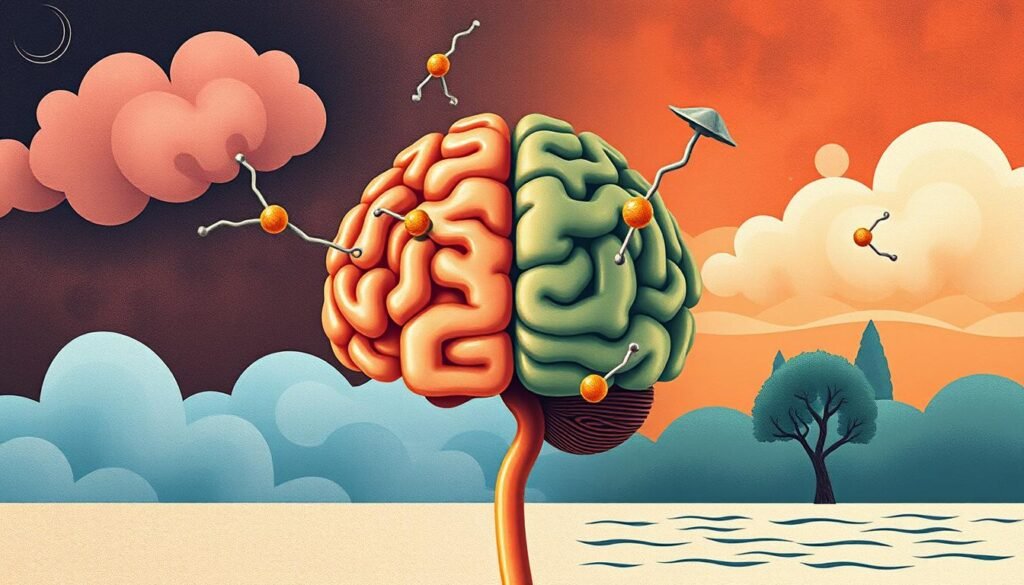
Psychological Implications of Elevated Cholesterol Levels
High cholesterol levels can greatly impact your mental health. It can affect how you think and feel. High cholesterol is linked with cognitive issues and mood swings. This is because it can harm the connections in our brain.
Impact on Cognitive Function and Mood Regulation
High cholesterol in the brain is a complex issue. It is closely tied to problems with thinking and mood. Studies show that high cholesterol can break down important brain functions. This can make it hard for our brains to manage mood and thoughts.
It can mess up how brain signals are sent. This may lead to feeling down or having trouble thinking. You can read more about how cholesterol and anxiety are connected here.
The Biochemical Mechanisms Behind Cholesterol’s Influence
Cholesterol is key for our brain cells to work right. If we don’t have enough, it can cause big emotional reactions, like being too aggressive. Looking deeper, we find that not having enough cholesterol lowers serotonin. This can lead to mood problems.
So, it’s very important to know how cholesterol affects our mind and feelings. Understanding this helps us figure out the link between cholesterol, our thinking, and how we feel.
Coping Strategies for Psychological Challenges of High Cholesterol
People dealing with the mental stress of high cholesterol can find solace in effective coping strategies. These methods greatly enhance one’s emotional and physical health. Various therapies are helpful in this situation.
Therapeutic Approaches to Address Mental Health
Cognitive-behavioral therapy (CBT) helps those fighting anxiety and depression due to high cholesterol. It changes negative thoughts and actions. Mindfulness and meditation can also cut down on stress, boosting mental toughness. Adding regular exercise helps by easing stress and managing cholesterol levels.
Support Systems for Individuals with High Cholesterol
Having a strong support network is key in handling high cholesterol. Friends, family, and community offer support in tough times. Joining support groups offers extra motivation and helps stick to healthy habits. This network supports both physical and mental well-being, making it easier to deal with high cholesterol and its emotional hurdles.

| Strategy | Description | Benefits |
|---|---|---|
| Cognitive-Behavioral Therapy (CBT) | A structured program to address negative thoughts. | Reduces anxiety and depression, improving mental health. |
| Regular Exercise | 150 minutes of moderate activity weekly. | Enhances mood, manages stress, and regulates cholesterol. |
| Mindfulness and Meditation | Techniques to focus on the present moment. | Helps reduce stress and promote emotional clarity. |
| Support Groups | Gatherings for sharing experiences with others. | Provides community support and shared coping strategies. |
| Healthy Eating | Incorporating fresh produce and reducing fats. | Supports cholesterol management and improves physical health. |
Preventive Measures for Emotional Well-Being
Keeping your emotional well-being in check requires active steps. It’s about choosing a healthy lifestyle. These choices deeply impact your mental health and cholesterol levels. People focusing on health tend to feel better both emotionally and physically.
Importance of Lifestyle Choices in Managing Cholesterol
Choosing a healthy lifestyle can cut down high cholesterol risks. Here are key strategies for a healthier you:
- Adopt a balanced diet: Include fruits, veggies, grains, and lean meats. Stay away from high-cholesterol and processed foods.
- Manage stress: High stress messes with your cholesterol and mind. Try relaxation or mindfulness to cope.
- Maintain a healthy weight: Being overweight can raise cholesterol. It can also affect your mood and mental state.
Physical Activity and Its Role in Mental Health
Being active does wonders for both your heart and mind. Just 30 minutes a day can improve your life. Here’s how:
- Improved mood: Working out releases endorphins. They make you happier and less anxious.
- Stress reduction: It also lowers stress, helping you feel more mentally stable.
- Better cardiovascular health: Exercise helps manage good and bad cholesterol. This reduces heart disease risks.
Long-Term Effects of High Cholesterol on Mental Health
High cholesterol can seriously affect mental health, especially because it’s linked to chronic stress. Studies show it may lead to behavioral problems. Knowing how they’re connected helps us keep our minds healthy and avoid psychological issues.
Cholesterol’s Role in Chronic Stress and Behavioral Issues
Chronic stress and cholesterol affect our mental well-being. Stress increases “bad” LDL cholesterol while lowering “good” HDL cholesterol. This unhealthy cycle can worsen mental health problems, leading to anxiety, depression, and more.
The effects of high cholesterol on mental health are getting more attention. It’s tied to changes in behavior, like being impulsive or aggressive. Those under a lot of stress might act out violently. This shows how cholesterol indirectly plays a role.
A table below shows some key findings from research:
| Cholesterol Level | Behavioral Effect | Associated Mental Health Issue |
|---|---|---|
| Low | Increased impulsivity | Depression |
| High (LDL) | Heightened aggression | Anxiety disorders |
| High | Risk of suicidal behavior | Suicidal tendencies |
Knowing how chronic stress and cholesterol are linked shows us the value of managing stress. It also tells us why it’s crucial to check our cholesterol levels and live healthy. Healthy habits can help us avoid these mental health issues. To learn more, check out the research here.

Emerging Research on Cholesterol and Psychological Health
New studies are highlighting how cholesterol levels link to psychological health. Emerging research points out a clear relationship between mental well-being and cholesterol, especially when HDL levels are low. This could help create better support for those with mental health issues.
Recent Findings on Cholesterol’s Effect on Suicidal Ideation
There’s evidence that cholesterol impacts thoughts of suicide. People with mental health concerns often have unique cholesterol profiles. These insights on cholesterol and suicidal thoughts suggest rethinking how we manage mental health, with a focus on cholesterol monitoring.
Future Directions for Research in Cholesterol and Mental Health
We need deeper research into how cholesterol affects mental health. Future studies should look at how body fats, mental health backgrounds, and lifestyle choices interact. By understanding these links, we can develop treatments that improve both heart and mental health. Experts are calling for more focus on this research to better help patients.
| Research Focus | Key Findings |
|---|---|
| Cholesterol Levels and Mental Health | Link established between low HDL and increased suicidal ideation. |
| CVD and Mental Health | Poor mental health days correlate with an increased risk of cardiovascular disease. |
| Demographic Variations | Young adults show higher rates of heart-related issues when experiencing depression. |
| Long-term Mortalities | Individuals with schizophrenia have a considerably higher mortality rate due to cardiovascular diseases. |
Personal Stories: Overcoming the Challenges
Real-life experiences can inspire and give hope to those with high cholesterol. Many share how tackling cholesterol improved both their body and mind. These stories show the strength in facing high cholesterol and mental health challenges.
Real-Life Experiences of Managing High Cholesterol
Jenny lowered her LDL cholesterol by over 40 points. She started with three strength-training sessions a week, then increased to five or six. She shows lifestyle changes can greatly improve cholesterol levels and encourages perseverance.
Through programs like the 2025 Kickoff Giveaway, people are motivated to live healthier. The giveaway, worth over $1,000, pushes many to manage their cholesterol and mental health, aiming for wellness.
Lessons Learned in Balancing Physical and Mental Health
Many stories share a common theme. About 62% discuss heart conditions, showing a need for lifestyle changes. The stories, including those about heart surgeries and delayed treatments, teach important healthcare lessons.
Exercise is key in 8 out of 35 stories, underlining its role in heart health. Mental well-being is also crucial, as seen in 5 stories. Addressing both physical and mental health is vital for a full solution.
| Story Type | Percentage |
|---|---|
| Heart Attacks or Heart-Related Conditions | 62% |
| Heart Surgery | 27% |
| Long-Term Health Conditions | 11% |
| Delayed Medical Treatment | 17% |
| Importance of Regular Exercise | 8 out of 35 stories |
| Mental Health and Emotional Well-Being | 5 stories |
Conclusion
The impact of high cholesterol isn’t just physical. It also deeply affects our emotions. Studies show a strong link between cholesterol levels and mood issues. In fact, low cholesterol might greatly raise the risk of feeling depressed or even lead to thoughts of suicide.
For instance, some men with lower cholesterol were much more likely to die early from things like suicide and accidents. This shows how crucial it is to consider mental health when managing cholesterol.
Understanding the link between cholesterol and our minds is key. By choosing a healthier lifestyle, people can lower their high cholesterol risks. This includes both how we eat and our mental health, according to research.
To truly stay well, we need to think about both our bodies and minds. This means knowing the importance of cholesterol in our brain’s health.
Being aware and educated helps those dealing with high cholesterol to act. It’s important to get regular check-ups and support for both diet and mental health. This way, we can care for our physical and mental health together.