Did you know a plant-based diet for heart health can lower ischemic heart disease death by 29%? This is compared to those who eat meat. This shows how much our diet affects our heart health. Many now see a cholesterol-lowering vegan diet as a great way to keep cholesterol in check.
Studies show cutting out animal products drops LDL and total cholesterol. Eating whole, unprocessed foods helps your heart stay strong and avoids cardiovascular diseases. This article talks about the perks of a vegan diet for cholesterol. For more, visit this resource.
Eating fruits, veggies, grains, and legumes is key to getting these health benefits. Let’s look at how a vegan diet helps with cholesterol control. Making smart food choices can lead to a healthier life.
Key Takeaways
- Plant-based diets are linked to lower total and LDL cholesterol levels.
- Research indicates significant health benefits, including a decrease in heart disease risk.
- Vegan foods contain omega-3s, essential fats, and high fiber.
- Choosing whole foods over processed options is vital for maintaining healthy cholesterol levels.
- Regular exercise and healthy lifestyle choices complement dietary changes for effective cholesterol management.
Understanding Cholesterol and Its Types
Cholesterol is a key component made by the liver. It helps in building cell walls and making hormones. Knowing about cholesterol and its types is important for our health. Too much cholesterol from food can be harmful, so it’s important to know about both the cholesterol our bodies make and what we eat.
What is Cholesterol?
Cholesterol is a waxy substance in our blood. It travels in lipoproteins, which have cholesterol and proteins. There are two main types: LDL (low-density lipoproteins) and HDL (high-density lipoproteins). Keeping these types balanced is key for heart health.
HDL vs. LDL Cholesterol
LDL cholesterol is called “bad cholesterol” because high levels can lead to heart disease. This happens through plaque building up in arteries. On the other hand, HDL cholesterol is “good cholesterol.” It helps move cholesterol from arteries to the liver to be gotten rid of. Watching these levels is crucial for our health.
Ideal Cholesterol Levels and Their Importance
Aim to keep total cholesterol under 200 mg/dL. LDL levels should be 100 mg/dL or less. Checking your cholesterol regularly helps avoid diseases like atherosclerosis. Balancing cholesterol types helps prevent heart issues and keeps cholesterol levels in check.
The Impact of Diet on Cholesterol Levels
Diet plays a big role in controlling cholesterol, which is key for heart health. Various foods can majorly change cholesterol profiles. People can boost heart health by knowing how diet affects cholesterol and choosing foods wisely.
How Diet Affects Cholesterol
Eating mainly plant-based foods can lower total cholesterol by about 7%. It can cut “bad cholesterol,” or LDL, by 10% to 14%. Plant-based diets make the liver get rid of LDL better by creating more LDL receivers. This drop in LDL is similar to the effect of some medicines.
Cutting down on saturated and trans fats is critical. These fats, found in red meat and some dairy, raise LDL cholesterol. On the other hand, eating more fruits, veggies, and whole grains helps manage cholesterol well.
Foods That Raise Cholesterol Levels
Certain foods negatively impact cholesterol levels. Main sources of dietary cholesterol are:
- Animal products, like red meat and full-fat dairy
- Coconut and palm oils
- Highly processed snacks and fast foods
The American Heart Association highlights diet’s role in heart health. Following their Essential 8™ guidelines helps control cholesterol for better health. Research shows that plant-based diets make a big difference for the heart.
Benefits of a Vegan Diet for Heart Health
A vegan diet is great for the heart. It really helps with lowering bad cholesterol. Eating lots of fruits, veggies, legumes, and grains boosts heart health. Many studies show that plant foods can make your cholesterol better and keep your heart strong.
Lowering LDL Cholesterol
Going vegan can seriously lower bad cholesterol. One study had 44 people eat vegan for a while. Their bad cholesterol went from 110.7 to 95.5 mg/dL. That’s a bigger drop than what meat-eaters saw. This big decrease helps your heart and overall health a lot.
Reduced Risk of Heart Disease
Vegans often face less heart disease risk. People eating plant-based foods get less ischemic heart disease. They also live longer. The reason? They eat less bad fat and more fiber. So, a vegan diet fights off heart disease risks effectively.
Positive Effects on Overall Health
This diet does more than just manage cholesterol. Vegans usually have healthier guts and control their blood pressure and sugar better. These benefits lower the chances of diabetes and some cancers. The many perks show why a vegan diet is good for the heart and overall health.
| Aspect | Vegan Diet | Omnivore Diet |
|---|---|---|
| Average LDL Cholesterol | 95.5 mg/dL | 116.1 mg/dL |
| Weight Loss (Average) | 4.2 lbs | Less than 4.2 lbs |
| Fasting Insulin Levels Drop | 20% | N/A |
Vegan Diet for Cholesterol Control
Choosing the right foods is key to managing cholesterol. When looking at vegan options, there’s often confusion about whole vs. processed foods. A vegan diet can boost health, but not all options are equal. Some processed vegan items like vegan cheeses and faux meats have lots of saturated fats. These can hurt cholesterol levels. It’s best to choose unprocessed items like fruits, vegetables, legumes, and grains for better health.
Whole Foods vs. Processed Vegan Foods
Whole foods give you important nutrients without the bad stuff found in processed foods. They help keep your diet balanced. Processed foods come with too much sodium, sugars, and fats. They can take away from the health benefits of eating plant-based. Stick to natural, whole ingredients for a better impact on cholesterol.
Importance of Fiber in a Vegan Diet
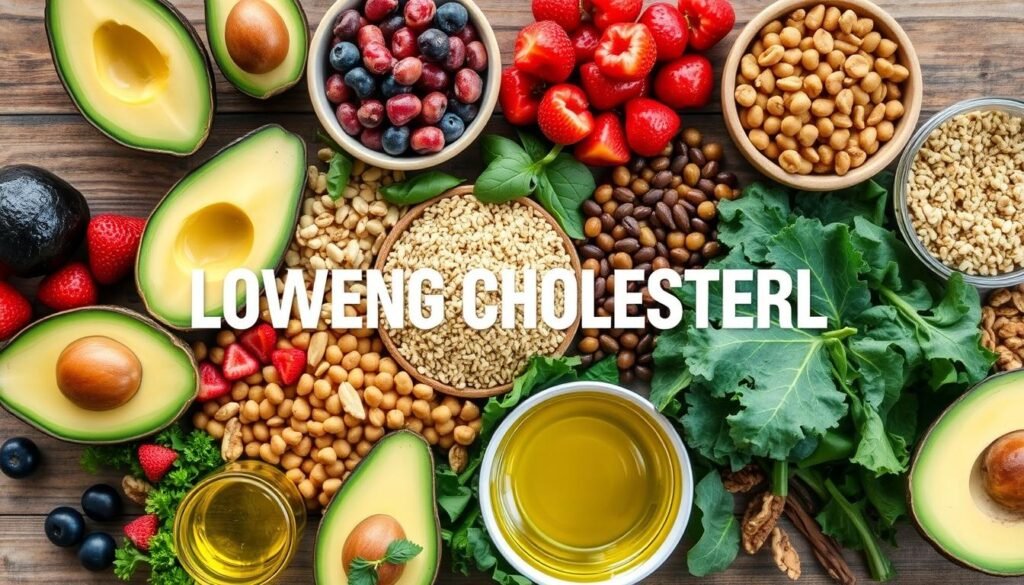
Fiber is super important in a vegan diet, especially soluble fiber. It helps lower cholesterol. Eating fiber-rich foods like oats, beans, and fruits helps. They reduce how much cholesterol your intestines absorb. This means your body gets rid of more cholesterol. Focusing on these fiber-packed foods is great for your heart and overall health.
| Food Type | Fiber Content (per serving) | Cholesterol Impact |
|---|---|---|
| Oats | 4g | Helps lower LDL cholesterol |
| Black Beans | 7.5g | Supports cholesterol regulation |
| Apples | 4g | May reduce cholesterol absorption |
| Quinoa | 5g | Encourages heart health |
Cholesterol-Lowering Foods in a Vegan Diet
A variety of nutrient-rich foods helps manage cholesterol well. Going vegan gives plenty of choices that lower cholesterol and boost health. Including high-fiber vegan foods, plant proteins, and healthy fats helps create heart-healthy meals. This promotes a balanced lifestyle.
High-Fiber Foods
High-fiber vegan foods are key in lowering LDL, the bad cholesterol. Soluble fiber in beans, lentils, whole grains, fruits, and vegetables does the trick. Eating a cup of beans daily can greatly reduce LDL levels. Also, fruits like apples and citrus, rich in pectin, cut cholesterol by up to 10%. Adding these foods improves both cholesterol management and digestion.
Plant-Based Proteins and Their Benefits
Shifting to plant-based proteins lowers cholesterol. Legumes, tofu, tempeh, and quinoa are great for amino acids, fiber, and phytonutrients. Studies show less LDL when swapping meat for plant proteins. Regularly eating these proteins greatly reduces cholesterol.
Healthy Fats to Include
Healthy fats are crucial in a vegan diet. Avocados, nuts, seeds, and olive oil provide good monounsaturated and polyunsaturated fats. These fats help maintain good cholesterol levels. Research shows avocados can lower total and LDL cholesterol. Nuts are also heart-friendly. Eating them daily reduces the risk of heart disease. It’s important to eat these fats in moderation for the best results.
How to Lower Cholesterol with a Vegan Diet
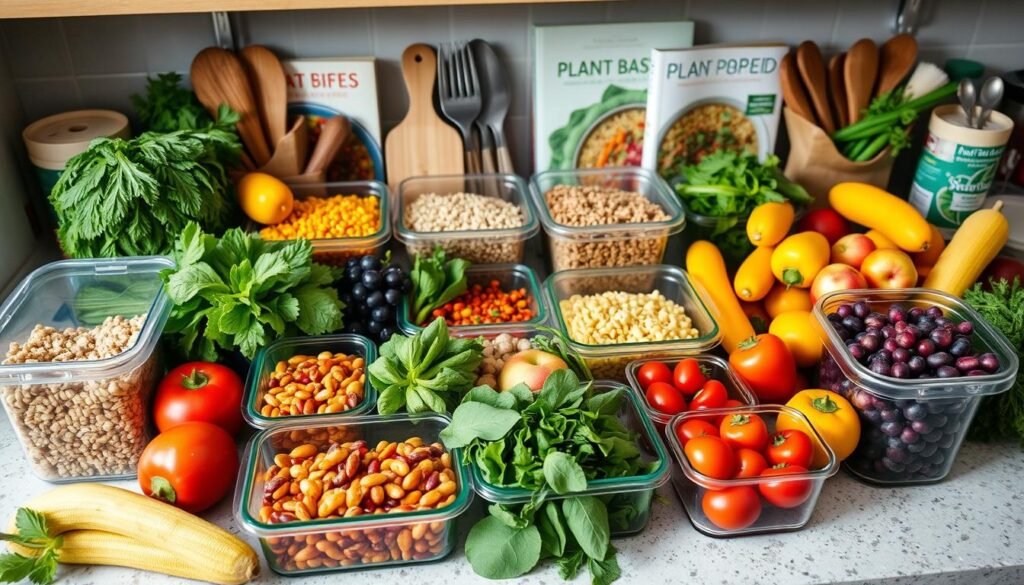
Effective meal planning for a vegan diet can greatly improve your cholesterol levels. It’s about making a menu that focuses on high-fiber foods and healthy fats. Avoid processed foods high in saturated fat. This way, you can enjoy tasty meals that are good for your heart.
Meal Planning Tips
Planning your meals can ensure you regularly eat foods that lower cholesterol. Using a variety of ingredients keeps your meals exciting and full of nutrients. For instance, oats can reduce cholesterol by 5-8%. Just one to one and a half cups of cooked oatmeal each day can make a big difference.
Also, choosing low-fat dairy like skimmed milk and low-fat yogurt helps manage cholesterol levels. This approach keeps your diet balanced and effective.
Incorporating Foods that Help Lower Cholesterol
Focusing on vegan foods for health opens up many possibilities. Important ingredients include:
- Nuts: Walnuts, almonds, and pecans are packed with omega-3 fatty acids.
- Fruits and Vegetables: They help lower bad LDL cholesterol.
- Legumes: Beans and lentils offer great protein and fiber.
- Healthy Oils: Opt for canola, olive, and avocado oils instead of saturated fats.
- Whole Grains: Make sure to include oats, barley, and quinoa in your meals.
This comprehensive approach to vegan meal planning supports heart health and helps maintain healthy cholesterol levels. If you’re interested in lowering your cholesterol through diet, focus on heart-healthy choices and what to avoid. For more information, check out this guide.
Common Misconceptions About Vegan Diets and Cholesterol
Clearing up myths about vegan diets and cholesterol is vital. Many wonder if vegans can face high cholesterol issues. Even without dietary cholesterol, vegans can have high cholesterol. This is due to genetics and food quality. Vegans high cholesterol issues show the importance of what we eat.
Can Vegans Have High Cholesterol?
Many think vegans can’t get high cholesterol. Yet, vegans can still have high cholesterol levels. Poor diet choices and bad habits play a role. Eating processed vegan foods often leads to unhealthy fats in the body. So, knowing the impact on cholesterol levels helps manage it better.
The Role of Processed Vegan Foods
Processed vegan items like fake meats and cheeses might seem okay but can be bad for health. They often contain a lot of bad fats and sugars. Despite being vegan, these foods don’t always help our health. Focusing on whole, good foods is key to staying healthy and avoiding risks. This tackles many misconceptions about vegan diets.
Making Sustainable Vegan Choices
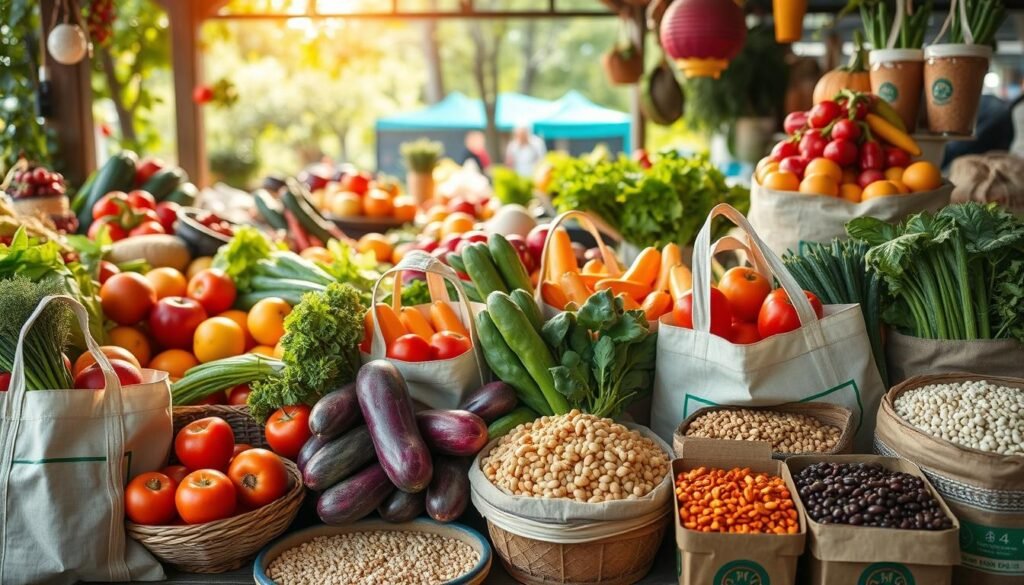
Choosing a vegan lifestyle means more than just eating plant-based foods. It’s about making eco-friendly choices. You should know the difference between whole and processed foods for good health. Whole foods like fruits, vegetables, grains, nuts, and legumes are packed with nutrients. They lack the bad additives found in processed foods.
Choosing Whole Foods Over Processed Items
When you pick whole foods, you support your vegan dietary needs and manage cholesterol better. These foods are rich in fiber, which lowers bad cholesterol and boosts heart health. Processed foods, however, often have trans fats and sugars that can harm your cholesterol and health.
Understanding Nutritional Needs
For vegans, especially those concerned with cholesterol, meeting nutritional needs is crucial. Important nutrients include:
- Fiber: Promotes heart health and reduces cholesterol absorption.
- Healthy Fats: Sources like avocados and nuts are good for the heart.
- Protein: Essential for body functions, found in legumes and grains.
- Vitamins: Vital vitamins like B12 need to come from special foods or supplements.
Getting these nutrients can boost your health and let you enjoy veganism’s benefits.
| Nutrient | Sources | Benefits |
|---|---|---|
| Fiber | Fruits, Vegetables, Whole Grains | Lowers LDL cholesterol, Improves digestion |
| Healthy Fats | Nuts, Seeds, Avocados | Supports heart health, Increases satiety |
| Protein | Legumes, Tofu, Quinoa | Maintains muscle mass, Supports metabolic health |
| Vitamins (B12) | Fortified Foods, Supplements | Supports nerve function, Prevents anemia |
Monitoring Cholesterol Levels Effectively
Checking your cholesterol regularly is key to heart health. For vegans, it’s important to stay on top of these checks. This makes sure you catch any issues early. Blood tests at the right times help you make smart choices about your health.
Importance of Regular Health Check-ups
For vegans, getting health checks often is crucial for watching cholesterol. These tests show your HDL and LDL cholesterol numbers. Knowing these numbers helps you tweak your diet or supplements if needed. Staying on top of this can really help you manage your cholesterol well.
How to Track Changes in Cholesterol
Knowing how your cholesterol changes is important for vegans. A health journal can track your diet, exercise, and health. It shows how different foods affect your cholesterol. Using apps or talking to doctors can also help. They make it easier to see what works for your cholesterol and health choices.
Conclusion
A vegan diet helps manage cholesterol and boosts heart health. Studies show it can lower total cholesterol by 7%. It can also reduce LDL cholesterol by 10%. This makes a vegan diet a good choice for a healthy heart.
Apart from managing cholesterol, a vegan diet also lowers heart disease risk. It can cut artery-clogging lipoproteins by 14%. Eating whole, plant-based foods instead of processed ones maximizes health benefits. This approach minimizes health risks.
Plant-based diets are good for both health and the environment. Those interested can find guidelines and insights on vegan diets online. Research supports the many benefits of a vegan diet for heart health.