Did you know high HDL cholesterol could cut heart attack and stroke risk by 50%? This fact shows the big role that HDL cholesterol has in heart health. Known as “good” cholesterol, HDL helps keep the heart healthy by removing bad cholesterol from the blood. This article looks at ways to raise HDL levels through diet, exercise, lifestyle changes, and medical help.
Key Takeaways
- High HDL cholesterol reduces the risk of heart disease and stroke.
- Optimal HDL levels are 60 mg/dL or higher for both men and women.
- Lifestyle changes, such as exercise and a healthy diet, can boost HDL cholesterol.
- Smoking and trans fats can lower HDL levels.
- Moderate alcohol consumption may help increase HDL cholesterol.
Understanding HDL Cholesterol
HDL cholesterol, or high-density lipoprotein cholesterol, is crucial for our bodies. It’s known as “good cholesterol,” because it carries extra cholesterol to the liver. There, the liver can get rid of it, helping to lower the risk of heart diseases. This is different from LDL, which can cause artery-blocking plaque.
What Is HDL Cholesterol?
HDL cholesterol is key for heart health. It helps remove extra cholesterol from the blood. Studies show HDL might also fight inflammation and act as an antioxidant. These benefits help prevent blood clots and keep cells healthy.
Why Is HDL Known as the “Good” Cholesterol?
People call HDL the “good cholesterol” because it helps prevent heart disease. High HDL levels mean a lower risk of heart problems. On the other hand, low HDL can increase heart risks. It’s vital to keep HDL levels above 60 mg/dL for strong heart protection. Keep an eye on your cholesterol, including HDL, to stay ahead in heart health.
Importance of Healthy Cholesterol Levels for Heart Health
Knowing how crucial healthy cholesterol levels are is key for heart health. They help prevent heart disease. Both HDL (good) and LDL (bad) cholesterol need watching.
High HDL cholesterol is good, protecting against heart problems. But, too much LDL cholesterol can lead to health issues.
The Role of HDL in Cardiovascular Risk Reduction
HDL cholesterol helps reduce heart risks. It moves extra cholesterol from arteries to the liver for removal. People with HDL levels of 60 mg/dL or more have a lower heart disease risk.
A mix of low LDL and high HDL is important for fighting heart problems. This balance is crucial for health.
How Cholesterol Levels Affect Your Lipid Profile
The lipid profile shows your cholesterol levels, including total, HDL, LDL, and triglycerides. Aim for total cholesterol under 200 mg/dL, LDL below 100 mg/dL, and triglycerides under 150 mg/dL.
Bad cholesterol levels can come from a poor diet, not enough exercise, and family history. Testing cholesterol regularly helps manage heart risk. For more on cholesterol levels, visit here.
Optimal Levels of HDL Cholesterol
It’s essential to keep HDL cholesterol levels high for a healthy heart. Knowing the perfect HDL range helps you avoid heart disease. For both men and women, over 60 mg/dL is best. HDL under certain levels prompts health worries.
What Are the Ideal HDL Levels for Men and Women?
Men should have HDL over 40 mg/dL. Women need 50 mg/dL or more. Below these figures indicates low HDL, upping heart disease risks. Those under 19 should aim for above 45 mg/dL. Making healthy choices helps reach these goals.
Consequences of Low and Abnormally High HDL Levels
Having low HDL is risky for your health. Men need above 40 mg/dL and women above 50 mg/dL to avoid heart issues. Yet, too much HDL, over 80 mg/dL, can be harmful too. It might lead to heart disease by increasing artery plaque.
Genes, lifestyle, and health conditions affect HDL. It’s smart to test your cholesterol regularly. This way, you can fix problems early.
| Category | Men (mg/dL) | Women (mg/dL) |
|---|---|---|
| Desirable HDL Level | At least 40 | At least 50 |
| Optimal HDL Level | 60 and above | 60 and above |
| Low HDL Level | ||
| High HDL Level | Above 80 | Above 80 |
Diet and Exercise for Increasing High HDL Cholesterol
To boost HDL cholesterol levels, mixing diet with exercise works well. Eating nutrient-rich foods and staying active are key factors. Focusing on heart-friendly meals and regular aerobic workouts proves to be beneficial.
Heart-Healthy Foods That Boost HDL Levels
Choosing heart-healthy foods is crucial for better HDL cholesterol. Here are some top picks:
- Olive oil: It’s packed with monounsaturated fats that help raise HDL levels.
- Fatty fish: Salmon and mackerel are full of omega-3s, which elevate HDL cholesterol.
- Nuts: Almonds and walnuts support heart health with their healthy fats.
- Avocados: They add beneficial fats to meals, making them richer.
- Whole grains: Oatmeal and quinoa bring fiber and nutrients for cholesterol control.
Adopting a Mediterranean diet is particularly effective. It highlights fruits, veggies, and healthy fats for a better cholesterol profile.
The Impact of Aerobic Exercise on HDL Cholesterol
Aerobic exercises are key for higher HDL levels. Studies show regular activity boosts HDL while lowering LDL cholesterol and triglycerides. Recommended exercises include:
- Walking
- Jogging
- Cycling
Doing moderate aerobic exercise for 150 minutes weekly makes a difference in cholesterol. Both short and long-term activities help increase HDL levels.

By eating heart-healthy foods and exercising regularly, you can greatly improve HDL cholesterol. This dual approach reduces heart risks and boosts your overall well-being. It’s a complete strategy for influencing your lipid profile and enjoying a varied diet.
Lifestyle Changes to Improve HDL Cholesterol
Effective lifestyle changes can really boost your HDL cholesterol. Adjusting daily habits is key for heart health. Quitting smoking and keeping a healthy weight are essential. These steps improve cholesterol levels and overall health.
Quitting Smoking and Its Effect on HDL Levels
Quitting smoking is a huge step for heart health. Those who stop smoking often see their HDL cholesterol increase. Smoking lowers HDL, raising heart disease risk. So, quitting boosts cholesterol health, lung capacity, and longevity. It even improves many aspects of life.
Maintaining a Healthy Weight to Elevate HDL
Keeping a healthy weight is crucial for better HDL cholesterol. Losing just 5% to 10% of your weight helps cholesterol and lowers heart disease risks. Too much weight, especially around the waist, lowers HDL. Regular exercise and healthy eating are important. They help manage weight and improve HDL cholesterol through a balanced lifestyle.
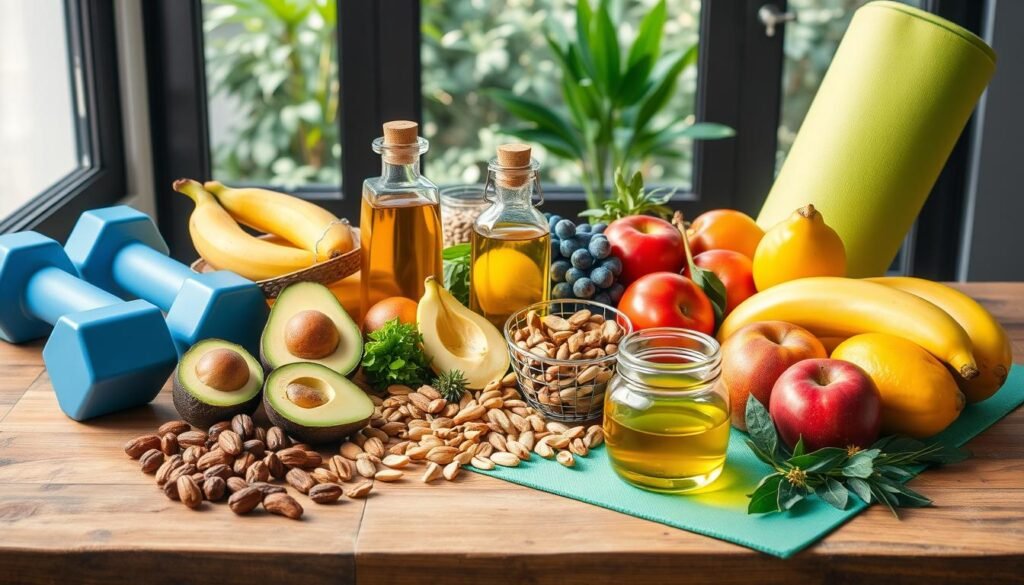
To understand how quitting smoking and maintaining weight affect cholesterol, check out resources like health guidelines. They offer great advice for better heart health.
Genetic and Hereditary Factors Affecting HDL Levels
Genetic and hereditary factors are important in determining HDL cholesterol levels. Conditions like Familial Combined Hyperlipidemia can cause high LDL and low HDL levels. Knowing about these genetic factors is crucial for effective cholesterol management.
Understanding Familial Combined Hyperlipidemia
Familial Combined Hyperlipidemia is a genetic issue that impacts how the body handles lipids. It usually leads to more LDL cholesterol and less HDL cholesterol. Because of genetics, people with this condition should watch their cholesterol closely. Research shows that genetics may be responsible for 40-60% of HDL cholesterol levels.
How Genes Influence Your HDL Cholesterol Levels
Studies have found that different genetic elements can change HDL cholesterol levels. For example, changes in the ApoA1, ABCA1, and LCAT genes can create very low HDL levels. This increases the risk of heart diseases. On the other hand, gene changes that cause CETP deficiency can make HDL levels go over 80 mg/dL. Yet, it’s not clear how very high HDL affects heart disease risk.
| Condition | Typical HDL Levels | Impact on Health |
|---|---|---|
| ApoA1 Deficiency | Below 5 mg/dL | Increased risk of premature coronary artery disease |
| Tangier Disease | Below 5 mg/dL | Significantly raised CAD risk |
| Familial Combined Hyperlipidemia | Low HDL and high LDL | Increased cardiovascular disease risk |
| CETP Deficiency | Above 80 mg/dL | Potentially protective effects on heart health |
Medical Treatments to Raise HDL Cholesterol
Medical treatments are key for raising HDL cholesterol. This is true for those who can’t get there with just lifestyle changes. Different meds can increase HDL levels. Some treatments lower LDL cholesterol and at the same time, raise HDL.
Medications That Can Help Boost HDL Levels
There are many meds proven to control cholesterol, especially for those at risk of heart problems. Some important options include:
| Medication | Effect on HDL | Remarks |
|---|---|---|
| Statins (e.g., Atorvastatin) | Minimal increase | Primarily lowers LDL cholesterol |
| Niacin | Significant increase | Can cause flushing and other side effects |
| Fibrates (e.g., Fenofibrate) | Moderate increase | Effective in lowering triglycerides |
| Ezetimibe | Variable | Cholesterol absorption inhibitor |
| Bile Acid Sequestrants | Variable | May interact with other medications |
| PCSK9 Inhibitors (e.g., Alirocumab) | Minimal increase | Focus on LDL reduction |
Before starting any cholesterol medicine, talking to a healthcare professional is crucial. They make sure the treatment fits your health history and current state. This is especially important when lifestyle changes aren’t enough.
When to Consider Additional Medical Interventions
Sometimes, lifestyle changes can’t increase HDL cholesterol enough. People with a family history of heart disease or current heart conditions often face this. The treatment chosen must be based on individual risks such as age, health issues, and cholesterol levels.
Adults with diabetes and those between 40 to 75 years with LDL-C levels of 70 to 189 mg/dL should talk about meds with their doctor. Testing cholesterol regularly and knowing about treatment options is vital for managing cholesterol. For more info on treatment choices, check this resource.
High HDL Cholesterol: Myths and Facts
Understanding high HDL cholesterol is all about clearing up cholesterol misconceptions. Many people think that higher HDL levels mean better heart health. This leads to confusion about what a healthy cholesterol profile looks like. It’s key to look closely at these myths and facts.
Debunking Common Misconceptions About HDL
It’s a common belief that high HDL cholesterol always protects against heart disease. High levels do generally lower the risk, but very high HDL might actually signal health risks. Studies have found that certain genetics or chronic inflammation can play a role. Indeed, some HDL types can carry proteins that increase the risk of heart disease. Knowing the difference between good and bad HDL is vital, as not all HDL is protective.
The Role of Extremely High HDL in Heart Disease
Many believe that just raising HDL guarantees heart health. But, current research shows some people with high HDL have more heart disease risk. This makes it important to get to know your lipid profile well. Getting a lipid profile test every five years is key for keeping an eye on cholesterol levels and spotting issues early on. To better heart health, focus more on lifestyle changes rather than just high HDL levels. Find more tips on managing cholesterol here.
Conclusion
Keeping high HDL cholesterol levels is key for a healthy heart and lowering heart disease risk. A balanced lifestyle that includes good food habits, regular physical activity, and making healthy choices is important. For example, a study with 1,863 people found high HDL can be related to heart health markers. This shows we should be careful even when HDL levels are high.
To protect our heart, we need to know how HDL cholesterol affects our health. There’s a special link between HDL levels and heart issues, found in some groups. So, it’s critical to keep an eye on and try to boost your HDL levels. This knowledge helps us make smart decisions for our health.
In summary, learning about both low and high HDL cholesterol helps us take charge of our heart health. Adopting strategies to raise HDL levels makes a big difference in our well-being. This way, we can avoid future health problems and live a healthier life.