Did you know heart disease is the top killer of women in the U.S.? About one in five female deaths are linked to heart problems from high cholesterol. Sadly, many women don’t know the high cholesterol symptoms in females. These are crucial for spotting this silent danger. High cholesterol often hides without clear signs until a major health issue appears. That’s why getting cholesterol checks regularly is key for women, especially those aged 55 to 65. The National Heart, Lung, and Blood Institute (NHLBI) recommends these screenings.
Watching for signs of hypercholesterolemia in females is vital. Too much cholesterol in the blood can cause artery plaque, raising heart attack or stroke risks. Knowing about cholesterol and how it affects health is the first step for women. It helps them take charge of their heart health early on.
Key Takeaways
- Heart disease remains a top health threat for women, particularly due to high cholesterol levels.
- Many women may not exhibit symptoms until severe complications arise.
- Regular cholesterol screenings can aid in early detection and management.
- Women are generally advised to begin regular cholesterol tests at age 55.
- Awareness of lifestyle factors that contribute to high cholesterol is essential.
Understanding Cholesterol and Its Importance
Cholesterol is a waxy substance that’s key for building healthy cells. It comes in two types: low-density lipoprotein (LDL) and high-density lipoprotein (HDL). LDL is the “bad” cholesterol which, at high levels, can cause health issues.
Conversely, HDL is the “good” cholesterol. It helps to clear excess cholesterol from your blood. Keeping these two types balanced is vital for your heart health, especially for women.
It’s important to know the ideal cholesterol numbers. Your total cholesterol should be around 150 mg/dL. LDL levels should be 100 mg/dL or less. For women, HDL levels need to be 50 mg/dL or more. Triglycerides should be under 150 mg/dL. A total cholesterol over 200 mg/dL means high cholesterol, affecting many in the U.S.
High cholesterol can lead to serious conditions like heart disease and stroke. Factors increasing high cholesterol include type 2 diabetes, being overweight, and eating foods rich in saturated and trans fats. Not being active and poor eating habits also play a role. This shows the importance of managing cholesterol.
Knowing and understanding cholesterol levels is empowering. It’s especially crucial for women. By regularly checking your cholesterol and eating healthy fats, you can manage your levels well.
What is High Cholesterol?
High cholesterol, also known as hyperlipidemia or hypercholesterolemia, happens when there’s too much fat in your blood. This can cause plaque to build up in your arteries, which doesn’t show clear symptoms. Often, people don’t know they have high cholesterol until a test shows it.
To find out if you have high cholesterol, you need a lipid panel blood test. This test checks different types of cholesterol to see how your heart is doing. Too much low-density lipoprotein (LDL), or “bad” cholesterol, can lead to heart disease.
It’s important to know the dangers of high cholesterol. If not treated, it can cause major problems like atherosclerosis. This makes your blood vessels narrow and can cause heart attacks and strokes. In the US, keeping cholesterol under control is key because heart disease is a top cause of death. High cholesterol is a big risk factor for it.
Living a healthy lifestyle and checking your cholesterol regularly helps prevent problems. People aged 20-54 should get screened every five years. A cholesterol level of 200-239 mg/dL is borderline high. Anything 240 mg/dL or more is considered high cholesterol. Knowing and managing your cholesterol levels is important for staying healthy. For more details, visit high cholesterol symptoms.
Symptoms of High Cholesterol in Females
Many women don’t know when they have high cholesterol because it often shows no signs. This can lead to serious health problems without warning. Knowing the risks can drive women to take care of their health better and get tested regularly.
Silent but Dangerous Nature of High Cholesterol
High cholesterol can harm the body silently for many years. Women under 55 usually have less LDL cholesterol than men. But, they still face risks. Changes in estrogen during the menstrual cycle can change cholesterol levels by up to 19%. After menopause, cholesterol generally goes up. This raises the risk of heart disease, which is the number one killer of women, causing 1 in 5 female deaths in 2021.
Complications Arising from High Cholesterol
High cholesterol can lead to serious problems. It can cause atherosclerosis and coronary artery disease as cholesterol builds up in arteries. These issues can result in heart attacks or strokes. It’s vital for women to recognize these risks for their health. Keeping total cholesterol below 200 mg/dL is advised to lessen these dangers.
Regular screening is crucial. It’s a fact that less than one-quarter of women with high blood pressure manage it well. This fact adds to the heart disease risk.
Causes of High Cholesterol in Females
Various factors affect high cholesterol in females. These include lifestyle choices and genetic backgrounds. It’s crucial to understand these aspects for managing and preventing high cholesterol.
Lifestyle Factors Contributing to High Cholesterol
Key lifestyle choices can lead to high cholesterol. These include what we eat, how active we are, and whether we smoke or drink. Diets rich in bad fats increase “bad” cholesterol, LDL. It’s wise to keep saturated fats under 10% of daily calories. Also, women should keep alcohol to one drink a day to avoid raising cholesterol.
- Unhealthy Diet: Foods high in saturated fats raise cholesterol. Avoiding processed foods and red meat helps.
- Physical Inactivity: Not exercising can lead to high cholesterol. Aiming for 150 minutes of activity a week is beneficial.
- Smoking: Smoking harms “good” HDL cholesterol, which clears cholesterol from arteries.
Genetic Influences on Cholesterol Levels
Genetics play a big role in cholesterol levels. Some people are born with conditions that make managing cholesterol hard. High cholesterol can run in families, and some are more likely to have high LDL regardless of lifestyle.
Different groups may have different cholesterol issues. For instance, non-Hispanic Whites often have higher total cholesterol. Meanwhile, Asian Americans might have more LDL, and Hispanic Americans could have less HDL. This shows the need for tailored healthcare.
| Factor | Impact on Cholesterol Levels | Recommendations |
|---|---|---|
| Saturated Fats | Increases LDL cholesterol | Limit to less than 10% of daily calories |
| Alcohol Consumption | Raises total cholesterol levels if excessive | Limit to 1 drink per day for women |
| Physical Activity | Helps lower cholesterol levels | Engage in 150 minutes of moderate activity weekly |
| Smoking | Reduces HDL cholesterol levels | Avoid tobacco products |
| Genetics | Affects cholesterol management ability | Regular monitoring and genetic counseling if needed |

High Cholesterol Risk Factors for Women
It’s important to know the risk factors that affect women’s cholesterol. Age and hormonal changes play a big part, especially during and after menopause. Some health issues can also increase the risk of high cholesterol in women.
Age and Hormonal Changes
As women approach menopause, their estrogen levels drop. This change can lead to higher levels of “bad” cholesterol, or LDL. While younger women tend to have lower LDL than men, this trend reverses after menopause. The risk of heart disease increases as a result.
Statistics show that women under 55 usually have less LDL cholesterol due to estrogen. This hormone helps protect against high cholesterol. But after menopause, the risk becomes higher.
Common Health Conditions Affecting Cholesterol Levels
Some illnesses have a bigger effect on women’s cholesterol. For example, diabetes makes heart disease more likely in women than in men. Diseases like chronic kidney disease and autoimmune disorders also raise cholesterol and heart disease risk. Moreover, having a family history of heart disease is a stronger risk for women.
| Health Condition | Impact on Cholesterol |
|---|---|
| Diabetes | Increases heart disease risk, often elevating cholesterol levels. |
| Chronic Kidney Disease | Can lead to altered lipid metabolism and increased cholesterol. |
| Autoimmune Diseases | Conditions like lupus raise heart disease risks among women. |
| Family History | Higher odds of elevated cholesterol levels and heart disease. |
| Hormonal Changes | Estrogen decline post-menopause elevates LDL cholesterol risks. |
When to Get Cholesterol Tested
It’s key to check cholesterol often to keep your heart healthy, especially for women. Knowing when to get tested helps you keep track of your cholesterol. The American Heart Association sets guidelines on when different age groups should be screened.
Recommended Screening Ages for Women
Women should start getting their cholesterol checked early on. Here is a basic guide:
| Age Group | Recommended Frequency |
|---|---|
| Children (9-11 years) | Once |
| Adolescents (17-21 years) | Once |
| Adults (Healthy, 20-45 years) | Every 4-6 years |
| Women (ages 45-65) | Every 1-2 years |
| Women (over 65) | Annually |
If you have risk factors like heart disease, diabetes, or high cholesterol in your family, you may need tests more often. Talking to a doctor helps figure out how often you should get your cholesterol checked.
What to Expect During a Cholesterol Test
A lipid panel blood test is usually done during cholesterol checks. It measures:
- LDL (low-density lipoprotein) – often referred to as “bad” cholesterol
- HDL (high-density lipoprotein) – known as “good” cholesterol
- Triglycerides
- Total cholesterol
You might need to fast for 8 to 12 hours before the test. Always talk to your doctor on how to prepare. Understanding the process can ease any worry and help women manage their heart health better.
Managing Cholesterol Levels in Females
For women, managing cholesterol involves both diet changes and staying active. Learning about these areas helps women work towards healthier cholesterol levels. Adding a diet good for the heart and exercising regularly boosts wellness and cholesterol.
Dietary Modifications for Healthy Cholesterol
Changing what you eat is key to lowering heart disease risks, the top killer of American women. A balanced diet should include plenty of:
- Fruits and vegetables
- Whole grains
- Healthy fats, like those in nuts and fish such as salmon
- Low-fat dairy with whey protein
Keeping saturated fat under 7 percent of your daily calories helps manage bad LDL cholesterol. Omega-3 fats from oily fish are great for your heart by lowering blood pressure and balancing cholesterol.
Importance of Regular Exercise
Exercise is crucial for cholesterol control. Experts suggest 150 minutes of moderate exercise like walking or biking each week. These activities boost good HDL cholesterol and cut bad LDL levels. Also, stopping smoking can quickly improve HDL, showing how lifestyle choices affect cholesterol levels.
| Activity | Frequency | Benefits |
|---|---|---|
| Brisk Walking | 30 minutes, 5 times a week | Increases HDL cholesterol |
| Strength Training | 2-3 times a week | Supports weight loss and cholesterol reduction |
| Swimming | 30 minutes, 3 times a week | Improves cardiovascular health |
| Cycling | At least 150 minutes per week | Enhances heart health and lowers LDL cholesterol |
Healthy eating and regular workouts help women better manage cholesterol and lower heart disease risk.
Cholesterol-Lowering Diet for Women
Maintaining heart health is key for women. A cholesterol-lowering diet is a big part of this. It means making smart food choices to manage cholesterol levels and cut heart disease risk. Knowing which foods to eat—and which to avoid—is crucial for better cholesterol.
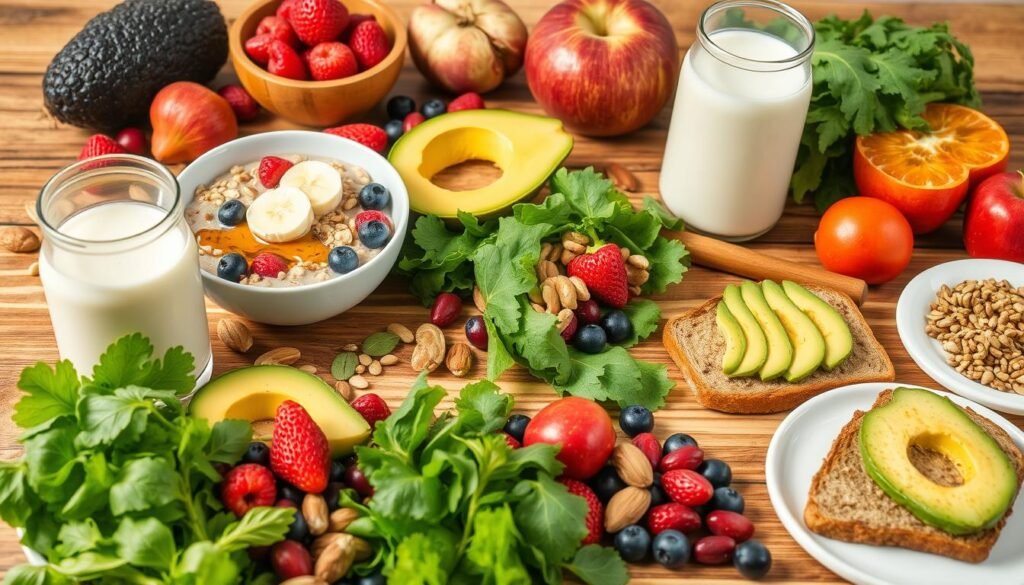
Foods to Include for Better Cholesterol Levels
Choosing the right foods can help lower cholesterol. Here are some important categories:
- Soluble Fiber: Foods like oats, beans, lentils, and fruits like apples and pears help lower LDL cholesterol. Try to get 10 to 25 grams of soluble fiber each day.
- Healthy Fats: Include foods high in omega-3 fatty acids, like salmon, mackerel, and walnuts, at least two times a week. They’re good for your heart and can lower bad cholesterol.
- Plant Stanols and Sterols: Found in products like margarine and yogurt, they block cholesterol absorption. Aim for about 2 grams daily.
- Flaxseeds: They’re a good source of omega-3s and soluble fiber. You can add flaxseeds to smoothies or oatmeal easily.
- Green Tea: Drinking green tea can help lower cholesterol levels. This is due to catechins, which effectively reduce LDL cholesterol.
Foods to Avoid to Manage Cholesterol
Avoiding certain foods is just as important as choosing the right ones. Here’s what to limit or stay away from:
- Saturated Fats: Try to keep these below 7% of your daily calories. Cut back on fatty meats, full-fat dairy, and some oils like palm and coconut oil.
- Trans Fats: These are in many processed foods and raise bad cholesterol while lowering the good kind. Always check labels for partially hydrogenated oils.
- Cholesterol Intake: Keep your daily intake under 200 mg to maintain healthy levels.
- Sodium: Stay under 2,300 milligrams a day to help lower blood pressure and cut heart disease risk.
- Alcohol: Women should limit alcohol to no more than 1 drink per day for better cholesterol management.
Exercise and Cholesterol in Females
Regular exercise is key to keeping cholesterol levels in check, which is vital for women’s heart health. Activities like aerobic exercises and resistance training help lower bad LDL cholesterol and raise good HDL cholesterol. Sticking to an exercise routine improves heart health and cholesterol levels.
The American Heart Association recommends at least 150 minutes of moderate exercise per week for women. Walking, running, and cycling are great for hitting this goal and boosting health. Women should explore different exercise for managing cholesterol effectively.
Physical activity is crucial for women, especially as they approach menopause and their estrogen levels drop. Exercise fights rising triglyceride levels in post-menopausal women and supports heart health.
Adding exercise to daily routines is a meaningful lifestyle change for managing cholesterol. By focusing on physical activity, women can lower their risk of heart disease, the leading cause of death in women today.
Cholesterol Medications for Women
Women have various cholesterol medications to tackle high cholesterol. These options can be tailored to fit their health needs. Medications are key in lowering “bad” cholesterol or LDL. This helps cut down the risk of heart diseases.
Types of Cholesterol Medications Available
There are different kinds of cholesterol medications. Each has its own way of working and benefits. Here are the main types:
- Statins: Widely used for reducing LDL cholesterol. They block an enzyme needed to make cholesterol. Popular statins are rosuvastatin, atorvastatin, and simvastatin.
- Bile Acid Sequestrants: These drugs attach to bile acids in your intestines, lowering cholesterol.
- PCSK9 Inhibitors: This new type significantly cuts LDL cholesterol by targeting liver proteins.
- Eztemibe: It reduces cholesterol by blocking its absorption in the intestines.
For a detailed guide on cholesterol medications for women, visit this resource.
Potential Side Effects of Cholesterol Medications
Cholesterol medications, like any drugs, can have side effects. Statins, for example, may cause muscle and joint pain. About 5% of users report muscle pain. However, the risk of severe muscle damage is very low.
Statins might also raise blood sugar, leading to type 2 diabetes in some cases. The FDA warns about this risk on labels. They can even cause memory loss and confusion, which often go away after stopping the drug. Factors like being female, older, or having liver disease can increase side effects risks. It’s important to weigh these side effects against the benefits, like lowering heart attack risk by 20%.
Monitoring Your Cholesterol Levels
Keeping an eye on your cholesterol is key to heart health. Lipid panels show what various cholesterol numbers mean. In the U.S., we measure cholesterol in milligrams per deciliter (mg/dL). This standard helps us understand our health status.
Understanding Lipid Panels and Cholesterol Numbers
Lipid panels check the levels of different fats and cholesterols in your blood. Here are the key parts:
- Total Cholesterol: It’s best to be below 200 mg/dL. 200-239 mg/dL is borderline high, and 240 mg/dL or more is high.
- LDL Cholesterol: This is the “bad” cholesterol. You want it under 100 mg/dL. If it’s higher, you’re at more risk of heart disease.
- HDL Cholesterol: This is the “good” cholesterol. You should aim for over 60 mg/dL. Women should watch for levels under 50 mg/dL.
- Triglycerides: These should be under 150 mg/dL. Higher numbers could mean more heart risk.
It’s vital to monitor cholesterol as you get older or based on your lifestyle and family history. Start regular tests between ages 20 and 39. Then, test every four to six years if you’re at low risk.
What Do the Numbers Mean for Women?
For women, understanding cholesterol is especially important after menopause. Let’s break down what the numbers indicate:
| Cholesterol Component | Desirable Range | Borderline High | High |
|---|---|---|---|
| Total Cholesterol | Below 200 mg/dL | 200-239 mg/dL | 240 mg/dL and above |
| LDL Cholesterol | Below 100 mg/dL | 100-129 mg/dL | 190 mg/dL and above |
| HDL Cholesterol | 60 mg/dL and above | 50 mg/dL or lower for women | N/A |
| Triglycerides | Below 150 mg/dL | 150-199 mg/dL | 200 mg/dL and above |
Knowing about lipid panels is useful. It shows how changes in lifestyle or medication can reduce risks. For women, eating right, exercising, and getting checked often can massively help heart health.
Signs of Hypercholesterolemia in Females
It’s important to know the signs of hypercholesterolemia in women to prevent heart problems. Often, women don’t feel any different when their cholesterol is high. This lack of symptoms can lead to heart diseases being diagnosed unexpectedly.
One key sign to look out for is angina or chest pain. These occur when the heart’s arteries get narrow, limiting blood flow. This can point to serious health issues.
High cholesterol might not show any visible signs. This makes knowing the risks very important. Women are advised to get their cholesterol checked regularly. The National Heart, Lung, and Blood Institute (NHLBI) suggests screenings for women aged 55 to 65. Older women should get even more frequent checks as age increases risks.
Living a healthy life is crucial for controlling cholesterol. Women should eat well, exercise often, and keep their weight in check. If lifestyle changes don’t lower cholesterol, seeing a doctor is the next step.
To learn more about high cholesterol and its effects, check out this resource. Knowing about this condition helps people take charge of their health.
Many women may not link their symptoms to high cholesterol. That’s why understanding hypercholesterolemia signs in women is key for quick action.
Conclusion
Knowing the signs of high cholesterol in women is key for heart health. It’s often a silent issue. So, learning about risk factors and managing cholesterol is vital. Regular checks starting from ages 20 to 45 are crucial for early detection.
Living a heart-healthy lifestyle greatly affects cholesterol levels. Eating well and staying active are important. They help keep cholesterol in check. For extra help, medicines like statins are there. They cut down cholesterol and reduce heart disease risks.
So, women must focus on their heart health. They should keep an eye on cholesterol and make lifestyle changes. With the right knowledge and actions, the dangers of high cholesterol can be reduced. This leads to healthier hearts and better life quality.