Did you know that every 39 seconds, someone in the United States has a heart attack? High cholesterol is a big reason for this. It’s called a “silent killer” because it doesn’t show symptoms as it builds up fat in blood vessels. Most people find out they have it through a blood test since early signs are hard to spot.
Someone with cholesterol over 200 mg/dL is at a higher risk of heart disease. It’s key to understand high cholesterol symptoms for prevention. Sadly, less than half of these cases are caught early. This makes regular checks and awareness key to stop and treat heart issues early. Taking steps early to know these signs helps avoid future heart problems.
Key Takeaways
- High cholesterol is often asymptomatic, requiring blood tests for diagnosis.
- Cholesterol levels above 200 mg/dL indicate high cholesterol.
- Regular screenings are recommended to manage heart disease risk effectively.
- Maintaining healthy lifestyle choices can help to lower cholesterol levels.
- Conditions like familial hypercholesterolemia can significantly raise cholesterol levels.
- Complications from high cholesterol can include heart attacks and strokes.
Understanding Cholesterol and Its Role in the Body
Cholesterol is a waxy substance important for our body. It helps create cell membranes, make vitamin D, and make some hormones. Our bodies produce cholesterol and also get it from food.
Cholesterol moves through our blood with the help of lipoproteins. These are made of cholesterol and proteins. There are two main kinds: LDL and HDL. LDL is called “bad cholesterol” because it can cause plaque in arteries. On the other hand, HDL is “good cholesterol” because it helps remove LDL. Keeping a balance between LDL and HDL is essential for health.
It’s important to keep cholesterol levels in check to lower the risk of heart diseases. Eating too much saturated and trans fats can increase LDL. So, keeping an eye on cholesterol levels is key. Especially if you smoke or have high blood pressure or diabetes. Here’s a useful guide on cholesterol management from health experts.
Understanding the difference between LDL and HDL can help spot risks for high cholesterol diseases. Regular doctor visits can help catch problems early. This makes timely lifestyle changes or treatments possible. Being aware of your cholesterol levels is essential for health. It can greatly help in improving how you take care of your wellness.
| Cholesterol Type | Common Name | Health Effect |
|---|---|---|
| LDL | Bad Cholesterol | Can lead to plaque buildup |
| HDL | Good Cholesterol | Helps remove LDL from the bloodstream |
What Causes High Cholesterol Levels?
High cholesterol comes from many different things in someone’s life. Knowing the causes of high cholesterol helps people manage their health better.
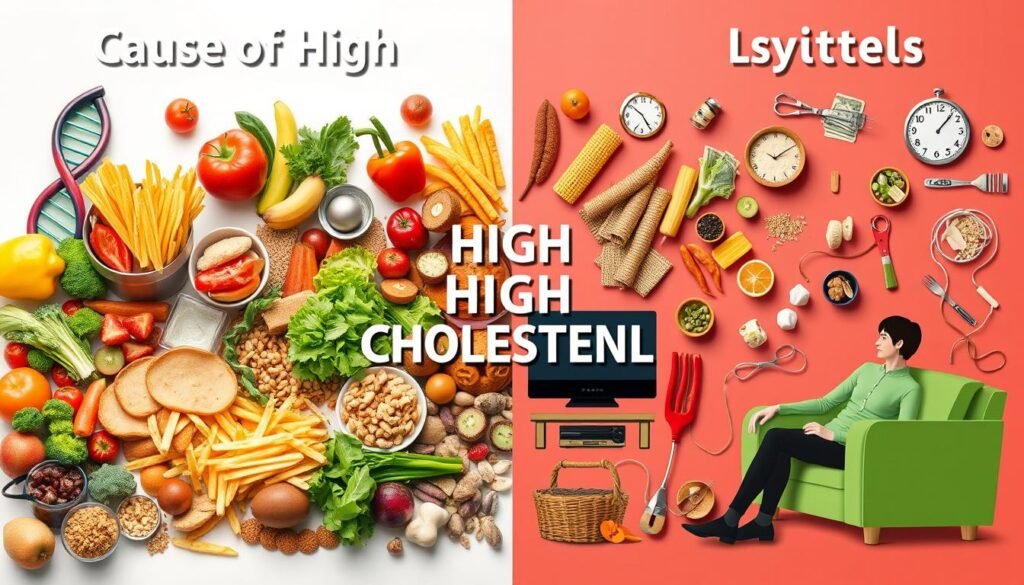
What you eat is very important for your cholesterol. Eating a lot of saturated and trans fats can raise your bad cholesterol levels. This includes fried foods, certain baked goods, and processed snacks. But eating lots of fruits, vegetables, and whole grains can keep your cholesterol healthy.
Genes also play a big part in how your body handles cholesterol. Some people have a condition from their parents that makes it hard to break down bad cholesterol. This can happen even if they eat healthy.
How you live day-to-day affects your cholesterol too. Smoking, not moving enough, and being overweight can make things worse. Not exercising means your body can’t control cholesterol well, leading to more bad cholesterol in your blood. Drinking too much alcohol also messes with your cholesterol levels.
Having certain health issues like diabetes or hypothyroidism can make your cholesterol worse. Checking your cholesterol regularly is key to catching problems early.
| Cholesterol Type | Desirable Level | Borderline High | High Level |
|---|---|---|---|
| Total Cholesterol | Below 200 mg/dL | 200-239 mg/dL | 240 mg/dL and above |
| LDL (Bad Cholesterol) | 100-129 mg/dL | 130-159 mg/dL | 160-189 mg/dL |
| HDL (Good Cholesterol) | 60 mg/dL and above | Below 40 mg/dL (men) | Below 50 mg/dL (women) |
| Triglycerides | Below 150 mg/dL | 150-199 mg/dL | 200 mg/dL and above |
High Cholesterol Symptoms: Early Warning Signs to Know
High cholesterol often doesn’t show symptoms, making it hard to spot. Many don’t know their cholesterol is high without tests. It’s crucial to get screened early.
Why High Cholesterol Often Has No Symptoms
This condition is sneaky and often goes unnoticed. People usually learn they have high cholesterol through a blood test. High cholesterol can cause heart disease or stroke over time. Getting tested regularly, especially if at risk, is key.
Medical Conditions Linked to High Cholesterol
High cholesterol is linked with several other health issues, like:
- Diabetes
- Hypertension
- Chronic kidney disease
These conditions can increase heart disease or stroke risks. Moreover, your lifestyle, including your diet and exercise, affects your cholesterol. It’s important to be mindful and take action for a healthy heart.
Recognizing the Complications of High Cholesterol
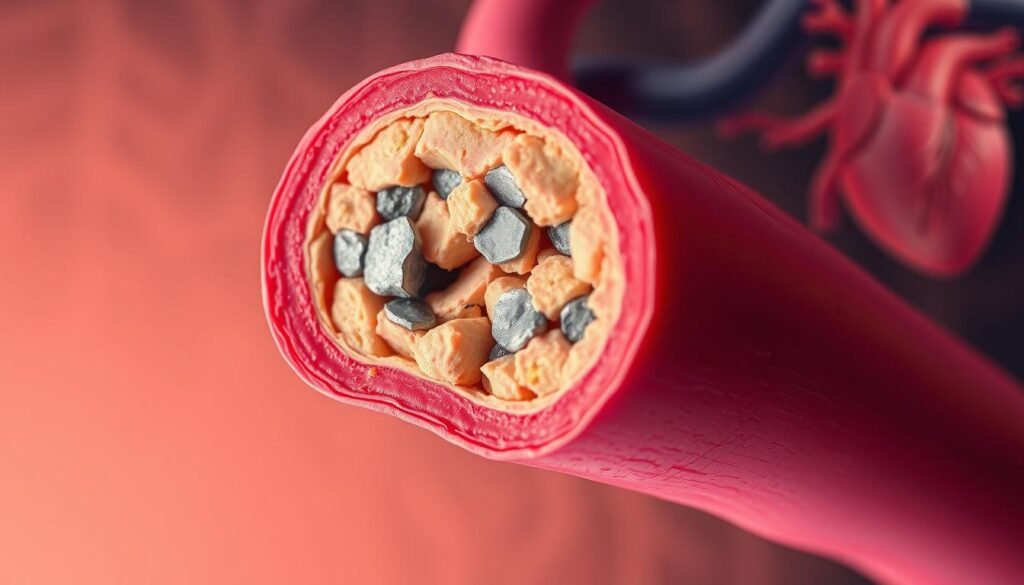
High cholesterol can cause serious health problems, especially when it leads to atherosclerosis. This condition happens when plaque builds up in the arteries, blocking blood flow. Knowing the dangers of atherosclerosis helps manage heart disease risk.
Atherosclerosis: The Silent Danger
Atherosclerosis makes the arteries thick and hard because of plaque. This buildup narrows the arteries and increases heart disease risk. The less blood flow can cause serious problems like coronary artery disease and peripheral artery disease. Since atherosclerosis grows quietly, many don’t know their health is at risk until a heart attack or stroke happens.
Common Heart Disease Risks Associated with High Cholesterol
Having high cholesterol significantly raises the risk of heart disease. People with high LDL levels have more plaque buildup, which blocks blood vessels and limits blood flow. This can lead to several complications, such as:
- Coronary artery disease (CAD)
- Heart attacks
- Strokes
- Peripheral artery disease (PAD)
Understanding these risks highlights why it’s crucial to keep an eye on cholesterol levels. High cholesterol can lead to many cardiovascular problems. It’s important to live a healthy lifestyle, get regular check-ups, and pursue medical help if needed.
Common Symptoms Indicating Heart Disease
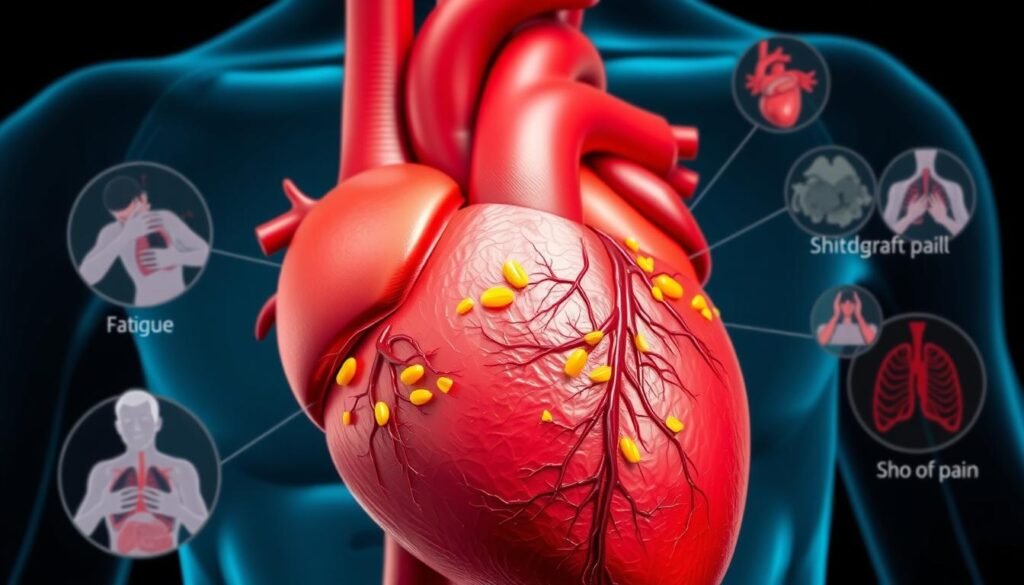
Knowing the signs of heart disease is key for early help. High cholesterol might not show symptoms but can cause serious heart problems. It’s important to be aware of signs like chest pain, feeling very tired, and nausea.
Chest Pain as a Warning Sign
Chest pain is often a sign of poor blood flow to the heart, sometimes pointing to a heart attack. People describe it as pressure or tightness. However, women, older adults, and those with diabetes may not feel chest pain as much.
This makes it super important to pay attention. If you feel chest pain or think you’re having a heart attack, get help right away.
Fatigue and Nausea: Signs to Watch For
Feeling extremely tired, to the point you can’t do your daily tasks, can be a heart problem sign. This, along with nausea, should not be ignored. If your heartbeat feels weird or too fast, it might mean heart disease.
Noticing both tiredness and nausea should make you seek a doctor. This can help catch and treat heart problems early.
Risk Factors Influencing Cholesterol Levels
Knowing what affects cholesterol is key for heart health. There are risks you can control and some you cannot. It’s useful to look at how our habits and genes can lead to high cholesterol.
Lifestyle Factors Affecting Cholesterol
What we do every day can change our cholesterol levels. Eating foods rich in saturated and trans fats raises “bad” LDL cholesterol. Also, not exercising enough and smoking are bad for the heart and cholesterol levels.
- Avoiding saturated fats: No more than 10% of daily calories should come from saturated fats.
- Incorporating physical activity: Regular exercise can positively affect cholesterol levels.
- Quitting smoking: This can lead to improved HDL cholesterol, the “good” kind.
Studies show young men often have higher cholesterol than young women. But, women’s risk goes up after menopause. Starting heart-healthy habits early can prevent cholesterol problems later on.
Genetic Conditions Contributing to High Cholesterol
Genes play a big role in cholesterol too. Familial hypercholesterolemia (FH) is a genetic disorder found in about 1 million US adults. It makes 1 in 311 people globally have very high cholesterol, which might need medication alongside lifestyle changes.
Cholesterol is also affected by ethnicity, as shown below:
| Ethnic Group | LDL Cholesterol Levels | HDL Cholesterol Levels |
|---|---|---|
| Asian Americans | Higher levels of LDL | Lower levels |
| Hispanic Americans | Standard levels | Lower levels of HDL |
| African Americans | Standard levels | Higher levels of HDL |
To manage cholesterol well, it’s important to understand the impact of both lifestyle and genetics on heart health.
Importance of Regular Cholesterol Testing
Getting your cholesterol checked is key to knowing your heart health. A simple blood test, called a lipid panel, helps you understand your cholesterol levels. This includes LDL (bad cholesterol) and HDL (good cholesterol). Experts say people should start testing as young as nine years old. Adults, especially those at risk for heart disease, need regular tests too.
In the U.S., cholesterol is measured in milligrams per deciliter (mg/dL). You’re in good shape if your total cholesterol is under 200 mg/dL. But if it’s between 200-239 mg/dL, that’s borderline high. Knowing these numbers helps you act early to stay healthy. The lipid panel tells you not just total cholesterol but also the breakdown, which is vital for assessing heart risk.
For heart safety, your LDL should be under 70 mg/dL if you have heart disease. Your HDL should be over 60 mg/dL to help protect your heart. Also, keeping triglycerides under 150 mg/dL is best. With so many adults facing high cholesterol, testing is more important than ever.
Doctors sometimes suggest more detailed tests, like a CAC scan, to plan better treatment. You’ll need to fast for 8 to 12 hours before a cholesterol test for accurate results. Knowing your cholesterol levels is a big step in avoiding heart problems. For deeper insights, check out cholesterol levels.
| Cholesterol Level Category | U.S. Measurement (mg/dL) | Canada & Europe Measurement (mmol/L) |
|---|---|---|
| Desirable | Below 200 | Below 5.18 |
| Borderline High | 200 – 239 | 5.18 – 6.18 |
| High | 240 and above | Above 6.18 |
| Optimal LDL | Below 70 (for at-risk individuals) | Below 1.8 |
| Desirable HDL | Above 60 | Above 1.5 |
| Desirable Triglycerides | Below 150 | Below 1.7 |
| Very High Triglycerides | 500 and above | Above 5.6 |
How to Manage and Lower Your Cholesterol Levels
Managing cholesterol means making heart-healthy lifestyle choices. Eating well and exercising regularly can really make a difference. Staying at a healthy weight is key through diet and activity. Sometimes, though, you might need medicine to control cholesterol.
Making Lifestyle Changes for Better Heart Health
To lower cholesterol, try these lifestyle changes:
- Heart-healthy diet: Eat plenty of fruits, veggies, whole grains, and soluble fiber. Try for 10 to 25 grams of fiber daily. And keep saturated fat under 7% of your total calories.
- Regular exercise: Aim for 150 minutes of exercise each week to help maintain weight and cut cholesterol.
- Quitting smoking: Stopping smoking can help fix cholesterol levels and boost heart health.
- Alcohol moderation: Men should limit alcohol to two drinks a day, and women to one.
- Nutrition labels: Reading them helps you watch cholesterol intake and make healthier food choices.
For more advice on diet changes, check out this resource.
When Medication May Be Necessary
Sometimes, lifestyle changes aren’t enough to control cholesterol. If high cholesterol remains, you might need medication. Statins and other drugs can lower LDL cholesterol and reduce heart risks. Working with healthcare providers is crucial to find the best treatment plan.
Conclusion
Knowing the symptoms of high cholesterol is key to good health. Many people are impacted by this condition. It’s vital to know the risks of high cholesterol to prevent heart disease. Getting tested regularly and improving your lifestyle can lower the risk of heart problems.
Lifestyle changes like eating right and exercising more are important. These steps can help avoid serious heart diseases. Being aware of high cholesterol helps catch and treat it early. This can lessen the risk of artery diseases and atherosclerosis. It’s crucial to stay at a healthy weight, not smoke, and manage conditions like diabetes.
For more insights on health, look at resources like cholesterol management guides. They offer great information. In conclusion, keeping your heart healthy requires active effort. People should get regular health checks and make informed choices. Learning about cholesterol and living a healthier lifestyle reduces high cholesterol risks.