About 86 million U.S. adults have cholesterol levels over 200 mg/dL. This puts them at risk for heart attacks and strokes. High cholesterol can clog arteries, causing serious health problems. Yet, it often shows no symptoms.
Understanding high cholesterol is key to prevention and control. Factors like diet, exercise, and genetics affect cholesterol levels. Thankfully, with proper management, it’s a condition that can be treated.
Key Takeaways
- About 40% of adults in the U.S. suffer from high cholesterol, impacting heart health.
- High cholesterol levels correlate with increased risks of cardiovascular disease and associated conditions.
- Regular cholesterol checks are recommended every four to six years for adults.
- Lifestyle changes like diet and exercise can significantly improve cholesterol levels.
- Both genetic factors and unhealthy lifestyle choices can elevate cholesterol levels.
Understanding Cholesterol: The Basics
Cholesterol is a waxy substance in our bodies that helps build healthy cells. It’s critical for many body functions. This substance travels through our blood, attached to proteins called lipoproteins. Knowing about your cholesterol levels is key to staying healthy.
There are two main types of cholesterol: HDL and LDL. HDL is called “good” cholesterol because it takes cholesterol from arteries to the liver to be removed. LDL, on the other hand, is known as “bad” cholesterol. High levels of LDL can cause artery blockages.
Atherosclerosis happens when arteries get narrow or blocked, leading to dangerous blood clots. These clots can cause heart attacks and strokes. It’s crucial to follow cholesterol guidelines to avoid these risks.
High cholesterol is a big risk factor for heart disease, heart attacks, and strokes. Smoking, high blood pressure, and diabetes can make things worse. It’s recommended to get your cholesterol checked regularly. Kids should start screenings between 9 and 11 years old. Adults should have checks every few years, with more frequent tests as they age.
If tests show your cholesterol is too high or too low, you might need tests more often. People with a BMI over 30 have a higher chance of high cholesterol. Even young kids can have bad cholesterol levels, though it’s more common after 40.
What is High Cholesterol?
High cholesterol means there are too many lipids in the blood. It often comes from the food we eat, our genes, and not moving enough. Around one in three adults in the U.S. battles this issue, risking serious health problems.
Doctors use a lipid panel to check cholesterol. This test looks at HDL, LDL, and triglycerides. Knowing these numbers is important because high LDL can cause heart disease.
Sometimes, there are no warning signs of high cholesterol until something worse happens. This could mean heart issues or even a heart attack. It’s key to know your cholesterol levels early on. This way, lifestyle changes or medicines like statins can help control it.
Living healthy helps prevent high cholesterol. This means eating right and staying active. Keeping an eye on cholesterol levels matters for staying healthy.
| Cholesterol Type | Role in the Body | Health Implications |
|---|---|---|
| HDL | Known as “good” cholesterol; helps remove other types from the bloodstream. | High levels are protective against heart disease. |
| LDL | Known as “bad” cholesterol; can build up in arteries. | High levels increase heart disease risk. |
| Triglycerides | Type of fat found in the blood; sources include food and the liver. | High levels can lead to artery blockage. |
High Cholesterol and Health Conditions
High cholesterol is a big health risk. It’s linked with heart diseases and diabetes. It’s key to manage it well. This helps people make smart health choices and improves heart health.
Link to Cardiovascular Diseases
Studies show that high cholesterol can cause heart diseases like coronary artery disease (CAD). Cholesterol builds up in arteries, causing atherosclerosis. This narrows the arteries and limits blood flow.
This can lead to heart attacks, as the heart muscle gets less oxygen. People should keep their total cholesterol under 5 mmol/L. Lowering LDL cholesterol is also vital to lower heart disease risk. By changing lifestyles, people can fight cardiovascular diseases. It’s important to check cholesterol levels and live healthier.
Connection to Diabetes and Other Conditions
Many with diabetes, especially type 2, have high cholesterol. About 70% face diabetic dyslipidemia, with low HDL and high triglycerides. This increases their risk of heart and artery diseases.
High cholesterol also causes endothelial dysfunction. This can lead to high blood pressure, making diabetes risks even higher. Diabetics must manage their cholesterol. By eating right, exercising, and not smoking, they can better their cholesterol. For more on managing cholesterol, check out CDC Cholesterol Information.
| Cholesterol Type | Healthy Level (mmol/L) | Health Risk |
|---|---|---|
| Total Cholesterol | Below 5 | Heart Disease |
| HDL (Good Cholesterol) | Above 1.0 (men), Above 1.2 (women) | Protective Effect |
| LDL (Bad Cholesterol) | Below 4 | Associated with Heart Attacks |
How Cholesterol Affects Heart Health
Cholesterol is crucial for heart health. It affects how well the heart and blood vessels work. High levels of bad cholesterol, or LDL, cause plaque to build up in arteries. This leads to atherosclerosis. Narrow arteries can slow or block blood flow.
This can cause chest pain, heart attacks, or strokes. So, it’s essential to keep cholesterol in check.
It’s important to manage cholesterol to keep the heart healthy. The latest guidelines suggest eating less cholesterol. Foods like red meat and fried items can raise bad cholesterol and cause inflammation.
Eating more plant-based proteins can help lower bad cholesterol, reducing heart disease risk. A diet with whole grains, fruits, veggies, lean meats, and fish improves cholesterol levels.
Too much cholesterol can harm more than just the heart. It’s linked to Type 2 diabetes and vascular dementia. These can affect memory and behavior. This shows how cholesterol impacts overall health. Therefore, regular health checks and lifestyle changes are crucial.
In summary, taking care of your cholesterol is key to a healthy heart. Eating right, staying active, and smart choices help lower heart disease risk. These steps also boost life quality.
Types of Cholesterol: Good vs. Bad
It’s important to know the two main types of cholesterol for heart health. There are different forms, but the key players are low-density lipoprotein (LDL) and high-density lipoprotein (HDL). LDL, called bad cholesterol, makes up most of the body’s cholesterol. If you have a lot of LDL, you might get plaque in your arteries. This can raise your risk of heart disease and stroke.
HDL is known as good cholesterol because it helps your heart. It takes extra cholesterol from your blood and brings it to your liver to get rid of it. High HDL levels mean a lower chance of heart problems. So, it’s vital to balance your good and bad cholesterol for a healthy heart.
To keep cholesterol at a healthy level, try some lifestyle changes. Improve what you eat, cut back on saturated fats, and exercise often. Knowing how good cholesterol fights bad cholesterol helps you make smart health choices. Remember, checking your cholesterol often is key to good heart health.
Symptoms of High Cholesterol
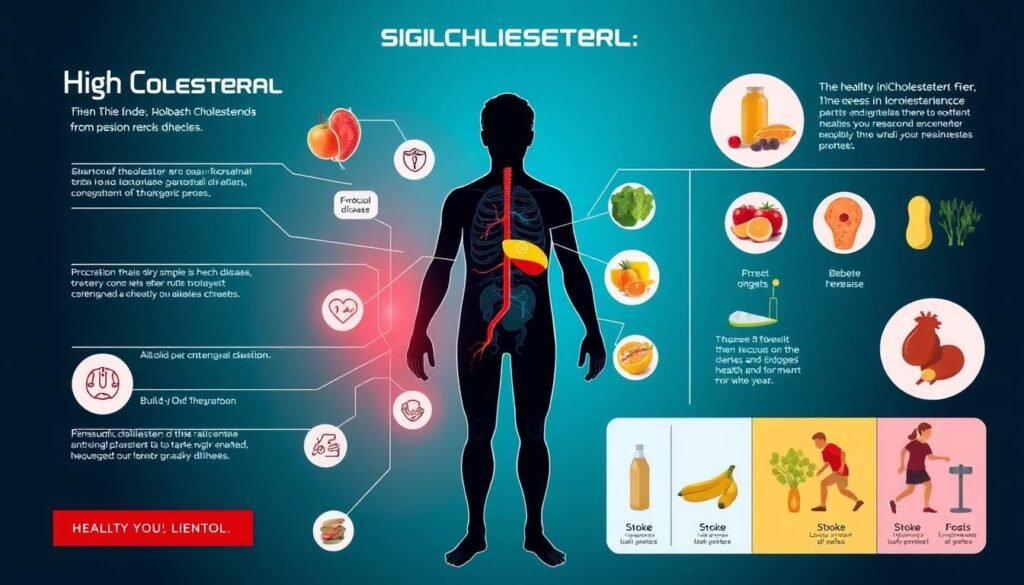
High cholesterol is often a *silent issue*. Many people don’t know their cholesterol levels or the risks they face. This is because there are no clear signs. So, getting regular blood tests is key to stay healthy.
In the U.S., about ninety-three million adults over 20 have high cholesterol. This goes beyond the safe limit of 200 mg/dL. If not treated, it can cause heart attacks and strokes without warning.
The table below shows the cholesterol guidelines. It helps you understand your *cholesterol levels* and what to do:
| Type of Cholesterol | Desirable Level | Borderline High | High |
|---|---|---|---|
| Total Cholesterol (mg/dL) | Below 200 | 200-239 | 240 and above |
| LDL Cholesterol (mg/dL) | 100-129 | 130-159 | 160 and above |
| HDL Cholesterol (mg/dL) | 60 and above | Varies by gender | |
| Triglycerides (mg/dL) | Below 150 | 150-199 | 500 and above |
Even without symptoms, some factors raise your cholesterol. These include genetics, poor diet, not moving enough, stress, and using certain substances. Knowing these risks helps. Changing your lifestyle can really lower your chances of high cholesterol.
Risk Factors Contributing to High Cholesterol
Knowing about high cholesterol risk factors is key to a healthy life. Diet, genes, and lifestyle all play big roles in cholesterol levels.
Unhealthy Diet Impact
Eating poorly is a big problem for cholesterol. Foods high in saturated and trans fats boost “bad” cholesterol levels. Check out the dangers of high cholesterol and stay away from processed meats and full-fat dairy. Keep saturated fats to less than 10% of daily calories. Also, drinking too much alcohol raises cholesterol, so limit it.
Genetics and Family History
Genes play a big role in cholesterol. If your family has high cholesterol, you might too. Familial Hypercholesterolemia (FH) is a condition that shoots LDL levels up. It affects about 1 in 311 people globally.
In the US, around 1 million adults have FH. Ethnicity matters too, with Non-Hispanic Whites more likely to have higher cholesterol.
Lifestyle Choices
How you live affects cholesterol and health. Not moving much, being overweight, smoking, and getting older can all make cholesterol worse. Being overweight increases bad fats and lowers good cholesterol.
Smoking lowers good HDL levels, upping cholesterol health risks. Exercising helps boost good cholesterol, which is great for your heart.
| Risk Factor | Impact on Cholesterol |
|---|---|
| Unhealthy Diet | Increases LDL cholesterol, especially with high saturated and trans fats |
| Genetics | Higher likelihood of elevated LDL cholesterol levels |
| Lack of Physical Activity | Decreases HDL cholesterol, contributing to higher total cholesterol |
| Smoking | Lowers HDL cholesterol |
| Obesity | Raises triglycerides and lowers HDL cholesterol |
| Age | Increased risk as body’s ability to clear cholesterol decreases |
Cholesterol Management Techniques
Managing cholesterol well means eating right, staying active, and sometimes taking medicine. Leading a heart-healthy life can make a big difference. It helps lower the risks that come with high cholesterol.
Dietary Changes
Cholesterol management starts with a good diet. This diet focuses on:
- Fruits and vegetables
- Whole grains
- Healthy fats, like those in olive oil and avocados
- Lean proteins such as chicken, fish, and beans
Whey protein is also good for you. It’s in dairy products and can cut down LDL and total cholesterol. Avoiding trans fats is key too, especially since they were banned starting January 1, 2021.
Exercise and Physical Activity
Being active is crucial for managing cholesterol. Try to exercise for 30 minutes five days a week. Or do intense workouts for 20 minutes three times a week. This boosts the “good” cholesterol, HDL.
Losing 5 to 10 percent of your body weight can also improve cholesterol levels.
Medications for Cholesterol Control
If lifestyle changes don’t work, medication might be needed. Statins are a common choice to lower LDL cholesterol. There are also other medications like cholesterol absorption inhibitors and PCSK9 inhibitors. These can cut dangerous LDL levels by half or more. Always work with healthcare providers to get the right treatment plan.
| Medication Type | Purpose |
|---|---|
| Statins | Lower LDL cholesterol |
| Cholesterol absorption inhibitors | Decrease cholesterol absorbed from food |
| Bile-acid-binding resins | Reduce cholesterol levels in the bloodstream |
| PCSK9 inhibitors | Lower LDL significantly, especially in genetic conditions |
Using these cholesterol management strategies—diet, exercise, and meds—is key to staying healthy. These efforts support your heart and help maintain good cholesterol levels.
Cholesterol Guidelines: What You Need to Know
It’s key to know cholesterol guidelines for a healthy heart. Every adult over 20 should check their cholesterol every 4 to 6 years. This helps catch any issues early and deal with them quickly.
Kids between 9 and 11 should get their first cholesterol test, then every five years after. For those 20 to 65, it’s every five years. But, men 45 to 65 and women 55 to 65 need it every 1 to 2 years. After 65, you should do it yearly.
Keeping cholesterol at the right level is vital. You want your total cholesterol under 150 mg/dL and LDL-C under 100 mg/dL. This helps lower the risk of heart disease and stroke. If you’ve had heart problems, you might need to lower your LDL-C by over 50%.
What you eat, your weight, how much you move, and smoking affect your cholesterol. Too much saturated fat is bad for your cholesterol levels. Also, being overweight and not exercising can increase your heart disease risk. Age, sex, and family history also play a role.
To manage your cholesterol, make heart-healthy lifestyle choices. Eat well, stay at a good weight, and exercise regularly. If that’s not enough to lower your cholesterol, your doctor might suggest medication like statins.
Prevention Strategies for High Cholesterol
To avoid high cholesterol, it’s important to live healthily every day. Key steps include eating less saturated and trans fats found in things like animal products, processed snacks, and some oils. Foods rich in saturated fat are cheese, fatty meats, and palm oil.
Add low-saturated fat foods to your meals, like:
- Lean meats and seafood
- Fat-free or low-fat dairy products
- Whole grains
- Fruits and vegetables
Eat more fiber-rich foods like oatmeal and beans to reduce “bad” cholesterol. Include unsaturated fats from avocados, olive oil, and nuts for a healthier heart.
Staying at a healthy weight also helps control cholesterol. Being overweight raises “bad” cholesterol and the chance of heart disease. Regular exercise keeps your weight in check and lowers cholesterol. Adults should do at least 2 hours and 30 minutes of moderate exercise weekly. Kids and teens should be active for 1 hour every day.
Smoking harms your heart by hurting your blood vessels. Giving up smoking can greatly better your heart health.
Drink alcohol in moderation. Men should have no more than two drinks a day, and women should have just one. Also, check your cholesterol regularly with doctors, discuss health issues, and go over your medicines to help prevent problems.

| Cholesterol Management Strategies | Recommendations |
|---|---|
| Diet | Limit saturated and trans fats; increase fiber and unsaturated fats |
| Physical Activity | Aim for 2 hours and 30 minutes of moderate exercise weekly |
| Weight Management | Maintain a healthy weight to reduce LDL cholesterol |
| Smoking | Quit smoking to lower heart disease risk |
| Alcohol Consumption | Men: 2 drinks/day; Women: 1 drink/day |
| Healthcare Collaboration | Regularly consult with providers to monitor cholesterol levels |
Using these steps leads to a better lifestyle. This is key for controlling cholesterol and protecting your heart.
When to See a Doctor for Cholesterol Testing
Getting your cholesterol checked is important for finding out health risks linked to high cholesterol. The National Heart, Lung, and Blood Institute advises adults to start screenings at age 20. Men between 45 to 65 and women from 55 to 65 should get checked every one to two years. After 65, yearly tests are recommended. Young folks, especially in their teens, might also need tests if they have certain risk factors. Guidelines suggest starting between 9 and 11 years old and then every five years.
If you have relatives with heart problems, high blood pressure, or other heart-related issues, you might need checks more often. The 2018 guidelines from the American College of Cardiology/American Heart Association talk about watching cholesterol for your whole life’s heart risk. Knowing your cholesterol numbers can help you make good health decisions.
Remember these important points about getting your cholesterol tested:
- You might need to fast for 8 to 12 hours before the test to get the right results.
- The test looks at LDL (bad cholesterol), HDL (good cholesterol), triglycerides, and your total cholesterol.
- Sometimes, doctors suggest an extra test like a coronary artery calcium (CAC) scan to check heart disease risk.
Thinking about these things early can help you manage your cholesterol. This could reduce your chance of facing serious health problems later.
Conclusion
High cholesterol is a big concern for heart health and stopping diseases like heart disease and diabetes. It is vital to know this. High “bad” cholesterol raises the risk of heart disease and stroke. A study shows 12% to 13% of young adults have unhealthy cholesterol levels. This makes it clear that we need to be careful and take action.
To lower cholesterol, get tested regularly and change your lifestyle. The United States Preventive Services Task Force stresses talking about cholesterol treatment early, especially for the young. Eating healthy, exercising, and listening to doctors can help reduce cholesterol risks. This improves heart health.
A complete plan for heart health might include medication, such as statins, if needed, to manage high cholesterol. Regular doctor visits and living healthier can help lower cholesterol. This leads to a brighter and healthier future. Learn more here.