Surprisingly, about 94 million American adults face high cholesterol levels. This increases their risk of heart disease and stroke. The Centers for Disease Control and Prevention (CDC) explains that cholesterol buildup in arteries can lead to atherosclerosis. This condition may cause heart attacks and strokes. Our guide will help you know which high-cholesterol foods to avoid for better heart health.
Key Takeaways
- High cholesterol significantly elevates the risk of cardiovascular disease.
- Regular cholesterol monitoring is crucial for early detection and prevention.
- A diet rich in fruits and vegetables can naturally lower cholesterol.
- Understanding the impact of processed foods on cholesterol levels is essential.
- Choosing healthy fats over saturated and trans fats is vital for heart health.
Understanding Cholesterol
Cholesterol is key for our bodies. It helps make hormones, build cells, and create vitamins. Keeping cholesterol at healthy levels is important for good health. In the U.S., about 1 in 8 adults have high cholesterol. This can come from what they eat and how they live.
Eating right makes a big difference in cholesterol levels. For instance, being vegetarian can help lower it. This is because of the dietary fiber in beans, lentils, and veggies. Healthy fats from olive oil and avocados also help reduce bad cholesterol. Nuts are great too, offering fiber, fats, and substances that stop cholesterol from being absorbed.
The Mediterranean diet is famous for helping the heart and losing weight. It also helps lower bad cholesterol. Eating 2 grams of plant sterols daily is particularly good for this.
It’s important to know the difference between ‘bad’ (LDL) and ‘good’ (HDL) cholesterol. Too much LDL can clog arteries, affecting the heart and brain. HDL, though, takes away excess cholesterol, helping the heart stay healthy.
People over 40 for men and over 50 or post-menopausal for women should check their cholesterol. This is also vital for those with heart disease, diabetes, or a family history of heart issues. Eating well, staying active, and managing weight can help keep cholesterol in check.
| Type of Cholesterol | Impact on Health |
|---|---|
| LDL (Bad) Cholesterol | Can form plaque in arteries, leading to blockages |
| HDL (Good) Cholesterol | Helps remove excess fat from the bloodstream |
Adopting healthy habits and watching cholesterol can improve health a lot. It’s key to monitor it regularly and follow diet advice tailored to you.
Why High Cholesterol is Dangerous
High cholesterol is linked with heart disease and stroke. It happens when plaque builds up in the arteries, blocking blood flow. This raises the chance of heart attacks and strokes. Knowing about cholesterol is key to protect your heart. Often, there are no signs until something serious happens.
Eating habits greatly affect cholesterol and heart health. Studies show that food cholesterol affects only 20% to 30% of our blood cholesterol. It’s really saturated and trans fats that mostly raise cholesterol levels. To stay safe, we should keep saturated fat under 5% to 6% of our daily calories.
Until 2018, fast food and processed items were trans fat hotspots. Now, they’re mostly gone, leading us to eat healthier. The Mediterranean Diet lowers saturated and trans fats and is good for the heart.
Dietary changes can cut cholesterol, but might not be enough for everyone. High cholesterol’s dangers are real. Eating too much processed meat can up heart disease risk by 42%. Also, low HDL levels weaken heart defense. HDL should stay over 60 mg/dL for heart safety.
Men might need cholesterol tests sooner than women. Kids should first get checked between 9 and 11 years old. Early cholesterol control means a healthier life ahead.
Types of Cholesterol: HDL vs. LDL
Cholesterol is key for our health, with HDL and LDL as the main types. Knowing the difference between them is crucial for healthy levels. HDL is dubbed “good” cholesterol, as it helps remove cholesterol from the body. HDL takes cholesterol to the liver to get rid of it.
Higher HDL levels can mean a lower risk of heart disease. On the other hand, LDL, or “bad” cholesterol, builds up in arteries. This buildup can block them and raise heart issue risks.
It’s important to have more HDL and less LDL for heart health. Diet, exercise, and genetics all play a part in cholesterol levels. There are ways to balance these levels effectively.
To manage cholesterol, some dietary changes help:
- Eating 5 to 10 grams of soluble fiber daily can cut down LDL cholesterol.
- Adding two avocado servings weekly can lower heart disease risks.
- 2 grams of plant sterols a day can reduce LDL by 5% to 15%.
- Keep saturated fats under 7% of daily calories to lower LDL by 8% to 10%.
- Whey protein helps in lowering LDL and total cholesterol.
The American Heart Association suggests two fish servings weekly to boost HDL. Foods like walnuts, rich in omega-3, also aid in reducing heart attack risks.
A daily cholesterol intake under 200 mg is advised for lowering levels. Keeping sodium under 2,300 milligrams a day supports heart health. Regular checks are a must for men over 40 and women over 50 or post-menopausal.
Common Causes of High Cholesterol
High cholesterol can come from genetics, what you eat, and how active you are. Unhealthy fats are a big problem. Foods rich in saturated and trans fats raise bad cholesterol levels. Think twice before eating high-fat meats, butter, and full-cream dairy products. For example, one big egg has about 200 mg of cholesterol.
How much you move is key too. If you’re not active, your body struggles to break down bad fats. Experts say regular workouts can cut down bad cholesterol and improve heart health.
Experts advise eating as little dietary cholesterol as possible to stay healthy. Even though the old rule was less than 300 milligrams a day, now it’s about eating as little as can be. This shows the need to understand high cholesterol causes and to eat smarter.
Despite their high cholesterol, shellfish can fit into a healthy diet if prepared well. People with high bad cholesterol should cut down on saturated fats and cholesterol. This can help avoid heart disease. Eating more plants, like grains and fruits, is key. So is exercising regularly.
Many Americans have high cholesterol, with the best levels around 150 mg/dL. Knowing these details can guide folks towards better cholesterol management. This can lower the chance of major health problems. For more on managing dietary cholesterol, check out this resource.
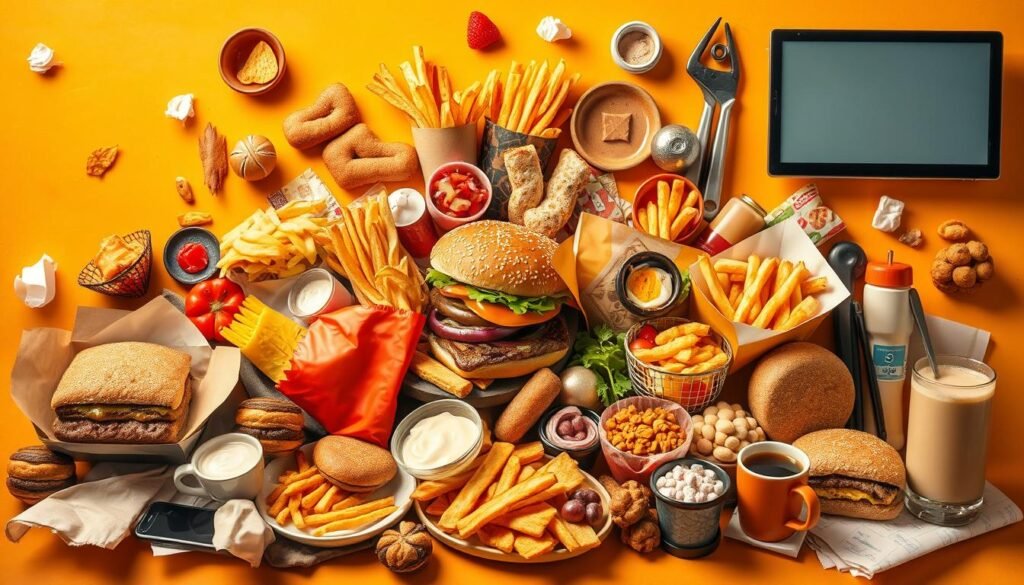
High Cholesterol Foods to Avoid Chart
It’s important to know what foods to avoid to manage cholesterol. A detailed chart can guide our diet choices. It is crucial to keep an eye on unhealthy fats, specifically saturated and trans fats. These bad fats raise cholesterol and risk heart health.
Identifying Unhealthy Fats
Reading food labels is key to spot saturated and trans fats. These fats boost bad cholesterol, upping heart disease risk. Watch out for these types:
- Saturated fats: Found mostly in animal products and some oils, they become solid at room temperature. Look out for sources like:
- Butter
- Cheese
- Coconut and palm oil
- Fried foods
- Pastries and cookies
- Margarines and shortening
Top Foods to Avoid for Reducing Cholesterol
Limiting or skipping certain foods can really help lower cholesterol. Aim to avoid these items:
| Food | Cholesterol Content (mg) | Type of Fat |
|---|---|---|
| Beef liver (3.5 oz) | 389 | Saturated |
| Chicken liver (3.5 oz) | 631 | Saturated |
| Whole milk (1 cup) | 33 | Saturated |
| Egg (1 large) | 212 | Saturated |
| Butter (1 tsp) | 11 | Saturated |
| Prawns (140g) | 210 | Cholesterol itself |
To keep your heart healthy, understand which foods harm your health. Opt for foods low in bad fats to improve cholesterol and avoid heart problems. For more advice, read up on nutrition articles and cholesterol management tips.
Healthy Dietary Guidelines for Managing Cholesterol
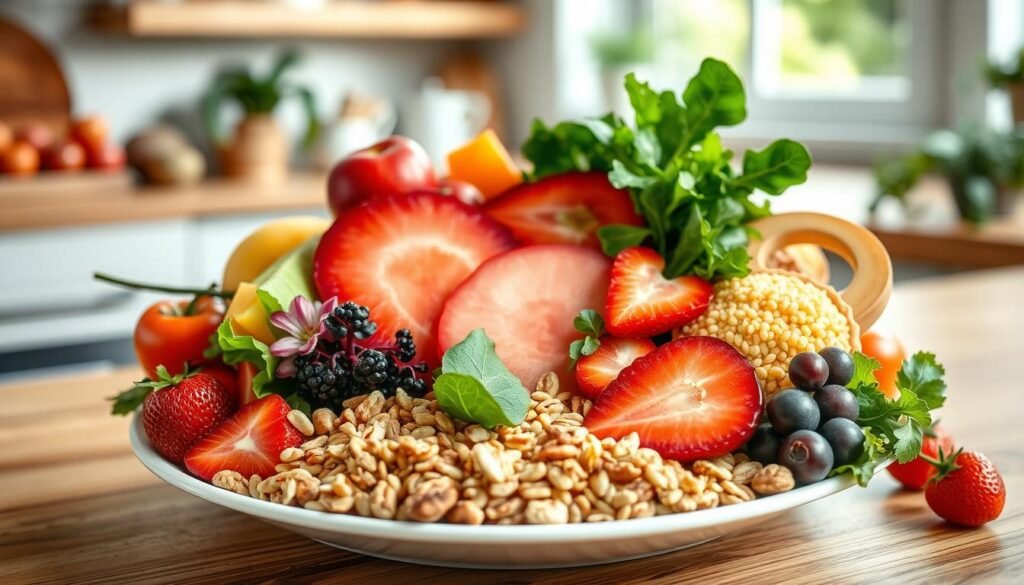
Keeping your heart healthy means eating right to control cholesterol. It’s important to eat less saturated and trans fats. Foods like fish, nuts, and olive oil are good because they have unsaturated fats. The American Heart Association says to eat lots of fruits, vegetables, whole grains, and lean proteins.
- Limit egg yolks to no more than two per week.
- Avoid coconut due to its high saturated fat content.
- Opt for walnuts and almonds instead of peanuts, which should be limited.
- Steer clear of commercially prepared baked beans with added sugars or pork.
- Stay away from high-cholesterol dairy products like whole milk, cream, and ice cream.
- Replace butter and lard with soft margarine and vegetable oils.
- Eliminate fried snack foods and sugary treats like chocolate and syrups.
- Keep alcohol consumption within the recommended limit of two servings per day.
Eating lots of fruits and veggies is crucial for your heart. You should:
- Have three servings of fruit every day, especially citrus varieties.
- Eat plenty of vegetables, aiming for dark green and yellow kinds.
- Prepare veggies by steaming or using healthy oils for cooking.
Whole grains are a must for a balanced diet. You should eat:
- Whole grain or enriched bread.
- Choose high-fiber grains like oats and whole wheat.
For dessert, try to keep it to two servings daily. Pick low-fat options like water sherbet or sugar-free gelatin. It’s all about choosing foods that lower bad fats but are still good for your heart. For detailed diet advice to manage cholesterol, check out this resource.
Following these food guidelines helps manage cholesterol for a healthy heart.
Foods That Can Help Lower Cholesterol Naturally
Managing cholesterol is easier with certain foods. By choosing well, people can lower their cholesterol without meds. Foods high in soluble fiber and good fats are key.
Incorporating Fiber-Rich Foods
Fiber helps get rid of cholesterol in our bodies. Here are some top fiber-rich foods to eat:
- Oats – they can reduce LDL cholesterol by 11.6% in four weeks.
- Apples – two a day cut down total LDL cholesterol.
- Lentils – a half cup has 7.8 grams of fiber, blocking cholesterol.
- Barley – its beta-glucan stops cholesterol from being absorbed.
- Kale – a cup of boiled kale has 4.7 grams of fiber, reducing cholesterol.
- Eggplant – one cup has 2.4 grams of dietary fiber.
Choosing Healthy Fats Over Unhealthy Fats
The fats we eat matter a lot for heart health. Picking healthy fats can help control cholesterol. Here are good sources of healthy fats:
- Fatty fish – like salmon and mackerel, which have omega-3s for the heart.
- Avocados – they can lower bad LDL cholesterol, without harming good HDL levels.
- Nuts – almonds, walnuts, pistachios can cut the risk of heart disease if eaten right.
By adding these fiber-rich foods and healthy fats to your diet, you can manage cholesterol well. A diet filled with these foods is great for your heart.
| Food | Fiber Content (grams per serving) | Benefits for Cholesterol |
|---|---|---|
| Oats | ~3-4 (per cup) | Lowers LDL cholesterol |
| Apples | ~4 (per medium apple) | Reduces total and LDL cholesterol |
| Lentils | ~7.8 (per half-cup) | Prevents cholesterol absorption |
| Fatty Fish | Varies | Improves heart health |
| Avocado | ~9 (per medium avocado) | Lowers LDL without affecting HDL |
| Kale | ~4.7 (per cup boiled) | Reduces total and LDL cholesterol |
Cooking Methods to Reduce Unhealthy Fats
The way we cook food greatly affects our health, especially if we’re cutting down on unhealthy fats. Using traditional cooking methods like frying adds extra fats that aren’t good for us. Instead, we should embrace baking, broiling, and grilling to cook in a way that’s better for our hearts and still tasty.
Choosing lean meats is very important for controlling cholesterol. The American Heart Association suggests picking fish, poultry, and plant-based proteins instead of red or processed meats. For meat lovers, it’s better to go for cuts labeled “round,” “loin,” or “sirloin” to reduce unhealthy fats. It’s also best to choose ground meats with no more than 15% fat.
When it comes to cooking healthier, there are simple changes we can make. For vegetables, use little oil or a vegetable oil spray. Nonstick pans help cook in a heart-healthy way without losing flavor. When selecting oils, it’s better to use liquid ones like canola and olive oil instead of solid fats, to keep the diet’s fat balance healthy.

Using pureed fruits and vegetables instead of oil cuts down fat and ups nutritional value. For dairy, opt for low-fat or fat-free choices. This includes milk and cheese, which make dishes tasty without extra saturated fat.
To reduce unhealthy fats, adding fiber-rich whole grains like brown rice and whole-grain pastas is smart. This not only fills you up more but also boosts heart health. By choosing these cooking methods and being careful with food prep, we can all enjoy a heart-friendly lifestyle.
Sample Heart-Healthy Meal Plan
Starting a heart-healthy lifestyle is easy with a good meal plan. It can lower cholesterol levels using nutrient-rich foods. These include fruits, vegetables, whole grains, and lean proteins. They guide you towards healthier eating choices.
- Total fat: 46g
- Cholesterol: 126mg
- Added sugar: 6g
- Dietary fiber: 29g
- Protein: 94g
- Potassium: 4,797mg
- Sodium: 1,162mg
Day 2 has a little less, with 1,621 calories. It’s still heart-friendly:
- Total fat: 31g
- Cholesterol: 131mg
- Added sugar: 30g
- Dietary fiber: 24g
- Protein: 83g
- Potassium: 3,353mg
- Sodium: 1,558mg
- Vitamin D: 124 IU
This plan avoids high-fat foods like red meat and cheese. It suggests healthier alternatives. For example, use olive oil instead of butter, eat plain nuts instead of chips, and choose whole grain over white bread.
| Day | Calories | Total Fat (g) | Cholesterol (mg) | Added Sugar (g) | Dietary Fiber (g) | Protein (g) | Potassium (mg) | Sodium (mg) |
|---|---|---|---|---|---|---|---|---|
| Day 1 | 1688 | 46 | 126 | 6 | 29 | 94 | 4797 | 1162 |
| Day 2 | 1621 | 31 | 131 | 30 | 24 | 83 | 3353 | 1558 |
Consider blending your cultural eating habits with cholesterol-lowering foods. Tailor the meal plan to meet your needs. Cook in larger batches to save time and money. Keep track of your progress with follow-up visits to healthcare professionals.
For more meal planning help, visit Eating Well. It offers practical tips and customizable meals for a heart-healthy diet.
Consulting with Health Professionals About Cholesterol
Working with health experts is key to managing cholesterol well. They provide custom advice to help better manage cholesterol. These pros explain the roles of HDL and LDL cholesterol, which are key to understanding cholesterol levels.
They often suggest changes in diet based on what they know about nutrition. Health experts recommend eating more unsaturated fats instead of saturated ones, following the Dietary Guidelines for Americans 2020–2025. Eating foods that increase HDL can help lower LDL cholesterol, making a heart-healthy diet vital.
Advice from dietitians is super helpful. They help add healthy foods like fruits, veggies, whole grains, nuts, and legumes to meals. Eating less saturated fat from things like red meat and shellfish is key for your cholesterol.
Doctors help monitor your progress and see how diet changes affect you. If changes don’t work, they may suggest medications like statins.
In the US, obesity and health issues linked to it are common, so regular doctor visits are important. People with high cholesterol should start with a planned diet to lower heart disease risk. With expert help, changing your diet can greatly improve your health.
Conclusion
It’s vital to know how diet affects cholesterol for heart health. By choosing what we eat wisely, we can lower the risk of heart disease. This guide helps you pick foods that keep your heart strong.
Eating more fiber, using healthy fats like olive oil, and exercising helps keep cholesterol in check. It’s important to eat less saturated and trans fats. These can raise bad cholesterol and increase heart risk.
Making heart-healthy choices means eating smart and knowing how food impacts your cholesterol. By being mindful, you can take charge of your heart health and overall well-being.