Did you know that over 17 million people die from heart diseases every year across the globe? This shocking number shows how vital it is to understand how cholesterol and inflammation are connected. High cholesterol means there’s too much fat in your blood, and this can happen without any signs. So, you might not know there’s a problem until it’s serious. Things like what you eat, not moving enough, and stress can make cholesterol levels go up. This makes it crucial to know how cholesterol and inflammation are linked to stay healthy.
This article will look closely at how cholesterol and inflammation work together. Understanding this can help prevent serious health issues. Managing cholesterol and inflammation well can lower the risk of heart problems and strokes significantly.
Key Takeaways
- High cholesterol is an underlying risk factor for numerous cardiovascular diseases.
- Understanding cholesterol and inflammation is critical for managing heart health.
- Lifestyle choices significantly affect cholesterol levels and inflammation.
- Atherosclerosis, linked to high cholesterol, can lead to severe health complications.
- Monitoring inflammation markers is crucial for effective cardiovascular risk management.
Understanding Cholesterol and Inflammation
Cholesterol is essential for our health. It helps in making cell walls, hormones, and vitamin D. Yet, about 40% of adults in the U.S. have high cholesterol levels. It’s key to know about cholesterol and how inflammation relates to it. Cholesterol is found in every cell and moves around in our bloodstream in forms like LDL and HDL.
The Role of Cholesterol in the Body
Cholesterol has many important roles. It helps cells work right and makes hormones that control many body functions. But, too much LDL, or “bad” cholesterol, can cause heart problems. Inflammation also affects cholesterol. It can lower HDL, which helps get rid of extra cholesterol.
What is Inflammation?
Inflammation is the body’s way of fighting injury or infection. It can cause heat, redness, swelling, and pain. Short-term inflammation protects us, but long-term inflammation can lead to heart issues and more. Studies show chronic inflammation can make LDL cholesterol particles denser. This increases the risk of plaque and heart problems. Managing inflammation and cholesterol is crucial for staying healthy.
The Impact of Cholesterol on Inflammation
Cholesterol levels and inflammation are closely linked, affecting heart health. “Bad” cholesterol, or high LDL, sparks inflammation in the body. This creates a cycle where high cholesterol worsens conditions like atherosclerosis.
How High LDL Cholesterol Triggers Inflammation
High LDL cholesterol in arterial walls starts an inflammatory response. This leads to atherosclerosis by forming plaques that narrow arteries. Studies show atherosclerosis causes constant inflammation. This raises the risk of heart attacks and strokes. It can also lower “good” HDL cholesterol, harming your lipid profile.
Cholesterol Buildup and Atherosclerosis
Atherosclerosis involves both cholesterol and inflammation. High LDL damages arteries, attracting inflammatory cells. The impact of cholesterol on inflammation is significant. It links to diseases like diabetes and high blood pressure, highlighting the need to manage cholesterol.
High LDL cholesterol comes from bad diets, lack of exercise, and genes. Changing lifestyles is key to healthy cholesterol levels and low inflammation. Exercise, eat antioxidant-rich foods, and manage stress for better heart health.
The Inflammation and Cholesterol Connection
Inflammation and cholesterol affect each other in ways important for heart health. Chronic inflammation can change how our body handles fats. It often lowers “good” cholesterol (HDL) and raises “bad” cholesterol (LDL). This link between inflammation and cholesterol is crucial in predicting heart disease risk.
Immune Response and Lipid Metabolism Changes
When our body fights long-term inflammation, it can upset the balance of fats. This can lead to higher cholesterol levels. Studies show that cholesterol crystals activate immune responses, highlighting cholesterol’s role in inflammation. Understanding these shifts in fat metabolism is key to addressing conditions like heart disease.
Making healthy lifestyle choices is vital for managing inflammation. Activities that lower inflammation can greatly benefit our hearts. For tips on reducing inflammation with lifestyle changes, click here.
Cholesterol and Inflammation Relationship
The link between cholesterol and inflammation is key for heart health. Long-lasting inflammation changes cholesterol levels, impacting LDL and HDL types. When people have heart issues, levels of inflammation markers like high-sensitivity C-reactive protein (hs-CRP) and interleukin-6 (IL-6) go up. This shows that inflammation can make cholesterol problems worse, raising the risk of serious health conditions.
How Chronic Inflammation Affects Cholesterol Levels
Studies indicate chronic inflammation raises LDL cholesterol and may lower HDL cholesterol. This shift increases the risk of heart diseases. It’s vital to grasp how cholesterol and inflammation interact. Although statins are often used to cut cholesterol levels, inflammation itself substantially thickens the risk of heart disease. This is even true for those who have their cholesterol under control. Analysis shows that the risk from ongoing inflammation might be more concerning for heart events and death than from cholesterol, for individuals taking statin therapy.

Seeing a rise in inflammatory markers in patients suggests that just managing cholesterol may not tackle the underlying inflammation. Due to inflammation, the change in lipid profiles points to the need for treatments that lower lipids and fight inflammation. Doctors are advised to use these all-round treatments for people with atherosclerotic cardiovascular disease. This ensures improved health results.
How Cholesterol Affects Inflammation
Cholesterol and inflammation have a complex relationship important for understanding health risks. HDL, or “good” cholesterol, helps transport excess cholesterol to the liver. This process lowers inflammation. LDL, dubbed “bad” cholesterol, can trigger inflammation when its levels are high. It’s vital to know how these types of cholesterol interact with inflammation.
The Role of HDL and LDL Cholesterol
HDL cholesterol acts positively by helping lower inflammation in the body. It removes excess fats, reducing artery plaque buildup. In contrast, high LDL cholesterol levels increase inflammatory responses, leading to atherosclerosis. Research shows that people with chronic inflammation have altered lipid profiles, with lower HDL and higher triglycerides. These changes can increase the risk of heart events, highlighting the roles of HDL and LDL in inflammation.
Cholesterol’s Influence on Autoimmune Responses
Cholesterol deeply impacts autoimmune diseases like rheumatoid arthritis (RA) and systemic lupus erythematosus (SLE). RA patients typically see a drop in HDL and a rise in harmful LDL particles. This shift promotes widespread inflammation. SLE patients face similar changes in their cholesterol levels, linking cholesterol to the severity of inflammatory reactions. High lipoprotein levels in these patients match with increased markers of inflammation, showing how cholesterol interacts with autoimmune diseases.
Managing Cholesterol and Inflammation
To manage cholesterol and inflammation well, make some big life changes. These can lower cholesterol and cut down inflammation. Choosing a healthy lifestyle is key for good health.
Lifestyle Changes to Lower Cholesterol and Inflammation
Making some lifestyle adjustments can really help with cholesterol and inflammation. Here are some tips:
- Eat heart-healthy foods: Eat lots of fruits, veggies, whole grains, and lean meats.
- Exercise regularly: Try to get at least 30 minutes of moderate activity five days a week.
- Maintain a healthy weight: Even losing a little weight can help lower cholesterol.
- Quit smoking: Quitting can quickly boost your HDL cholesterol levels.
- Limit saturated and trans fats: These fats can really raise your cholesterol levels.
The Role of Diet: Mediterranean Diet Insights
The Mediterranean diet is a great way to handle cholesterol and inflammation. It’s packed with healthy fats, fruits, veggies, grains, and lean meats, bringing many health perks. Here’s why it’s good:
- Omega-3 fatty acids: Found in fish like salmon and flaxseeds, they help fight inflammation.
- Soluble fiber: Foods like oats and apples are great for lowering cholesterol.
- Whey protein: Found in dairy, it can reduce LDL and total cholesterol.
- Moderate alcohol consumption: This can increase HDL cholesterol, possibly helping your heart.

Importance of Addressing Cholesterol and Inflammation
High cholesterol and chronic inflammation are big health risks. They’re especially linked to heart disease. Addressing both can improve well-being significantly.
Health Risks Associated with High Cholesterol and Chronic Inflammation
High cholesterol and inflammation are closely linked to health problems. Studies show lowering “bad” cholesterol can cut heart problems. People are often advised to start treatment if their heart disease risk is above 7.5 to 10 percent over ten years.
High triglyceride levels also pose a big risk for pancreatitis. This makes early action crucial.
Heart Disease and Beyond
High cholesterol and chronic inflammation impact more than the heart. Those with chronic kidney disease also face a higher heart disease risk, which is their top cause of death. Regular cholesterol checks are crucial.
By keeping cholesterol in check through lifestyle changes and medicines like statins, heart disease risk drops. For more details, click here.
Cholesterol and Inflammation Health Risks
It’s vital to understand the risks of cholesterol and inflammation for your health. High LDL cholesterol can lead to artery blockages. This increases the risk of heart disease and other serious health issues.
Statins are often used to manage high cholesterol levels. They reduce cholesterol in the liver, helping lower LDL levels. This supports a healthier heart and blood vessels.
Statins and Other Medications for Management
Statins are popular for fighting high cholesterol. They work well to decrease LDL levels and reduce heart attack and stroke risks. If statins don’t suit someone, other drugs can help. Options include bile acid sequestrants, niacin, or PCSK9 inhibitors.
Lifestyle changes are also key in cholesterol management. Regular exercise raises “good” HDL cholesterol. Eating less saturated and trans fats is also crucial. It’s important to test cholesterol levels regularly. This helps adjust your health plans as needed.
Talk to your healthcare provider for advice fit for you. A mix of medication and lifestyle changes is best to handle cholesterol and inflammation risks.
Cholesterol and Inflammation Research
Research on cholesterol and inflammation has become more popular recently. Studies show how they relate and their effects on health. They suggest controlling inflammation might help prevent heart diseases.
Recent Studies and Findings
Research shows atherosclerosis causes long-term inflammation in arteries. This increases the risk of serious problems like heart attacks and strokes. A study from 2018 found that inflammation changes how the body handles fat. It lowers “good” HDL cholesterol and raises “bad” LDL cholesterol and triglycerides. So, inflammation is changing cholesterol levels, not the other way.
A 2024 review found that following a Mediterranean diet lowers body inflammation. This diet could lower the risk of inflammation and heart diseases. Medicines like statins help with high cholesterol, but changing your lifestyle is also key.
It’s important to keep an eye on cholesterol levels, including total, LDL, HDL, and triglycerides. Understanding the link between cholesterol and inflammation can help in preventing diseases.
| Cholesterol Type | Role in the Body | Inflammation Link |
|---|---|---|
| HDL (High-Density Lipoprotein) | Transports excess cholesterol to the liver for excretion. | Lower levels associated with chronic inflammation. |
| LDL (Low-Density Lipoprotein) | Delivers cholesterol to peripheral tissues. | Dense LDL associated with increased inflammation and plaque formation. |
| Triglycerides | Energy source and storage form of fat. | Elevated levels linked to inflammatory responses. |
Reducing Inflammation through Dietary Choices
Making the right food choices has a big impact on inflammation in your body. It can really play a big part in your health. You can fight inflammation by eating certain foods. Many people don’t know how strong anti-inflammatory foods are in fighting chronic inflammation. This kind of inflammation can lead to many health problems, like heart disease.
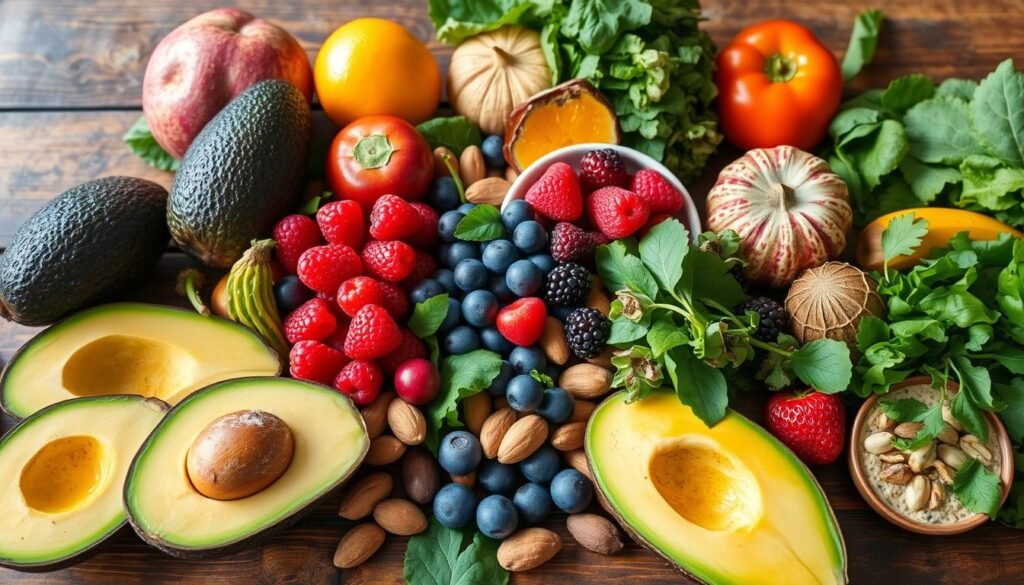
Anti-Inflammatory Foods to Consider
Some foods can help control your cholesterol and keep your heart healthy. Here’s a list of anti-inflammatory foods that are good for you:
- Fatty fish like salmon and sardines are loaded with omega-3s. These fats lower inflammation and boost heart health.
- Berries are full of antioxidants, which help lower inflammation.
- Vegetables, especially the leafy greens, are packed with vitamins and minerals. They help in reducing inflammation through dietary choices.
- Nuts, like walnuts, have healthy fats. They are good for your cholesterol levels.
- Whole grains, such as oatmeal and brown rice, have soluble fiber. This kind of fiber can lower cholesterol absorption.
- Herbs and spices like turmeric and ginger are not just tasty. They also have nutrients that fight inflammation.
Studies show that eating these foods in balance helps manage cholesterol. It also fights inflammation well. For a full plan on eating to lower inflammation, check out this resource.
| Food Item | Benefits |
|---|---|
| Salmon | Rich in omega-3 fatty acids, lowers blood pressure, and promotes heart health. |
| Berries | High in antioxidants, aid in reducing inflammation and improving immune response. |
| Leafy Greens | Provide vitamins and minerals that reduce inflammation and support overall health. |
| Walnuts | Healthy fats that lower cholesterol and decrease inflammation. |
| Oatmeal | Source of soluble fiber that helps in cholesterol reduction. |
| Turmeric | Contains curcumin, known for its powerful anti-inflammatory properties. |
Tips for Monitoring Cholesterol and Inflammation
Understanding cholesterol and inflammation is key for health. Regular checks and tests are crucial. They show us where we stand with cholesterol, which helps in making the right health decisions.
Regular Check-Ups and Blood Tests
It’s important to catch possible health issues early. Here are when adults should start getting their cholesterol checked:
- Men should have their cholesterol tested by age 35.
- Women should start testing by age 45.
- People with diabetes or who have heart disease in their family need tests more often.
A cholesterol test looks at several things. For a healthy heart, keep total cholesterol under 200 mg/dL. And, LDL levels should be less than 130 mg/dL.
Recognizing Symptoms of Inflammation
Spotting signs of inflammation early helps. Look out for these symptoms:
- Persistent pain or discomfort.
- Unexplained fatigue or lethargy.
- Swelling in various areas of the body.
Noticing these signs early means you can act fast on treatment. Keeping an eye on these helps in ensuring we monitor cholesterol and inflammation well.
Conclusion
Understanding cholesterol and inflammation is key for good health, especially in stopping chronic diseases. Cholesterol levels and inflammation are closely linked. This connection shows why it’s important to keep an eye on these factors.
Studies show that high levels of HDL cholesterol can greatly lower heart disease risk. This is because of HDL’s power to fight inflammation. In fact, for every increase in HDL, the risk of heart issues can drop by 23%.
The danger from inflammation can be bigger than that from cholesterol for people taking statin drugs. It’s vital to check inflammation levels, like C-reactive protein, not just cholesterol. This gives a fuller picture of heart health.
Women may get more benefits from HDL’s anti-inflammation effects than men. Managing both cholesterol and inflammation is crucial for heart and overall health.
To stay healthy, it’s important to learn about cholesterol and inflammation. Making lifestyle changes and getting regular check-ups can help you lead a healthier life.