In a study, 3.4% of people got diabetes later. This fact highlights worries about the link between cholesterol and diabetes. High cholesterol and diabetes are more common now. Knowing how they connect is key. Studies say people with diabetes often have high cholesterol. This boosts their heart disease risk. So, we wonder: does high cholesterol lead to diabetes?
High “bad” cholesterol (LDL) may raise heart problem risks. Low “good” cholesterol (HDL) can mean a higher heart disease risk. People with high triglycerides often have low HDL cholesterol. Knowing how cholesterol affects health is critical. This is because things like insulin resistance, a Type 2 diabetes warning sign, often come with unhealthy cholesterol levels. It shows why it’s vital to learn how to handle cholesterol, especially to lower the risk of diabetes.
Key Takeaways
- 3.4% of individuals developed diabetes during follow-up in a recent study.
- High cholesterol levels are prevalent among those with diabetes.
- Low levels of HDL cholesterol increase the risk of cardiovascular disease.
- Insulin resistance is linked to cholesterol irregularities.
- Managing cholesterol can be crucial for diabetes risk prevention.
Understanding Cholesterol and Its Types
Cholesterol helps make cell membranes and hormones. It’s key for our health. Our liver makes it, and we get some from food. While we need cholesterol, too much can hurt our heart.
What is Cholesterol?
Cholesterol is a fat-like substance our bodies need. But too much, due to lifestyle or genes, can be bad. Adults should get checked to catch risks early.
Types of Cholesterol: HDL vs. LDL
HDL is called “good” cholesterol. It cleans the bloodstream. LDL is “bad” because it can clog arteries and cause heart disease. Balance is key for heart health.
The Role of Triglycerides
Triglycerides are fats in our blood. High levels mean higher heart disease risk, particularly with diabetes. Diet, exercise, and avoiding smoking can help manage levels.
The Connection Between High Cholesterol and Diabetes
The link between cholesterol and diabetes is tricky, especially when we look at diabetic dyslipidemia. This problem means having too much low-density lipoprotein (LDL) cholesterol and triglycerides while not having enough high-density lipoprotein (HDL) cholesterol. Many people with diabetes face these issues, raising their chances of heart disease. About 70% of adults with diabetes in the U.S. have high cholesterol, making it a widespread concern.
Diabetic Dyslipidemia Explained
Diabetic dyslipidemia makes metabolic health more complicated. It’s at the heart of why high cholesterol and diabetes are linked. Those with diabetes often have higher LDL cholesterol, lower HDL cholesterol, and more triglycerides. These issues can lead to heart disease and atherosclerosis. Managing cholesterol through lifestyle changes and sometimes medication is crucial. For more on how insulin resistance affects cholesterol, check out this helpful page.
Cholesterol Levels in Diabetic Patients
The goal for LDL cholesterol in diabetic patients is below 100 mg/dL. If it’s between 100-129 mg/dL, it’s almost ideal, but 130-159 mg/dL is borderline high. Diabetic patients need to keep an eye on these levels to avoid complications. Also, it’s best to keep total triglycerides under 200 mg/dL. Studies suggest staying active, like walking or resistance exercises, to maintain healthy cholesterol levels. Walking can even reduce high cholesterol by 7%, highlighting the benefit of adding exercise to daily life.
| Cholesterol Level | Classification | Health Implications |
|---|---|---|
| Less than 100 mg/dL | Ideal | Low risk of cardiovascular disease |
| 100-129 mg/dL | Close to Ideal | Manageable risk |
| 130-159 mg/dL | Borderline Elevated | Increased risk of heart complications |
| Less than 200 mg/dL | Total Triglycerides | Healthier lipid profile |
Can High Cholesterol Cause Diabetes?
Recently, scientists have been looking into if high cholesterol could lead to diabetes. They found that many with type 2 diabetes have high bad cholesterol and low good cholesterol. This could mean there’s a link between high cholesterol and diabetes.
Research from 2015 showed improving good cholesterol could help lower blood sugar in those with type 2 diabetes. This shows managing cholesterol might help control diabetes. A 2016 study found that most people with type 2 diabetes are also overweight, which could increase cholesterol levels. So, we must ask: can high cholesterol actually lead to diabetes?
People with type 1 diabetes also face a risk of high cholesterol. The American Heart Association suggests eating less saturated fat to help manage cholesterol levels. Adding exercise and healthy food to your routine can also help fight off diabetes and high cholesterol.
Drugs like statins and other medications are important for controlling high cholesterol. Medicines for diabetes can help keep blood sugar in check for those facing both conditions. Also, a genetic issue called familial hypercholesterolemia affects many, playing a part in this issue.
The connection between cholesterol and diabetes is complicated. Understanding it well is key for managing and preventing both conditions effectively.
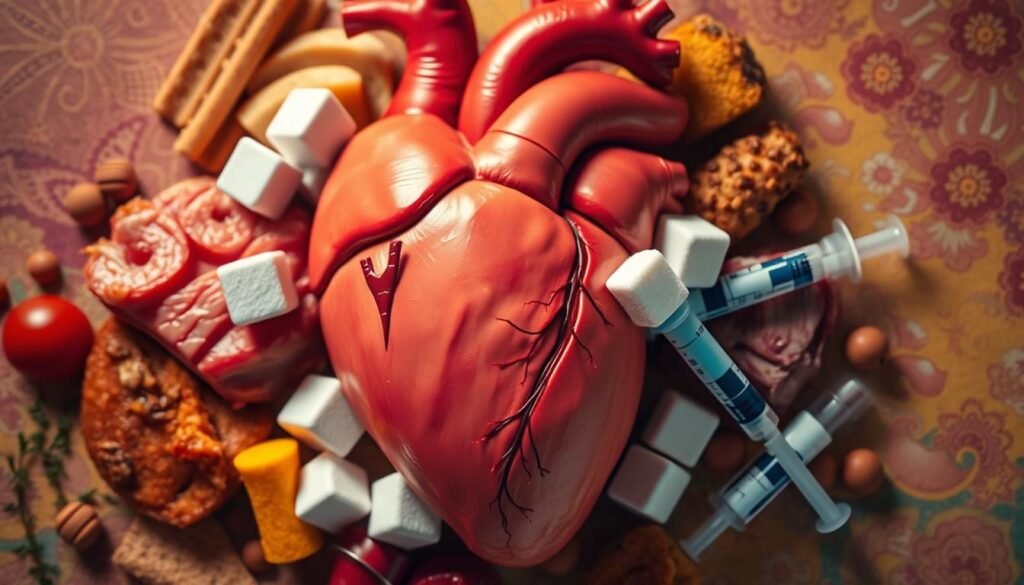
| Study Year | Key Finding |
|---|---|
| 2015 | Higher HDL cholesterol helps reduce blood glucose levels in type 2 diabetes patients |
| 2016 | 85% of type 2 diabetes patients are overweight or obese, risking higher cholesterol |
| – | 70% of type 2 diabetes patients exhibit diabetic dyslipidemia |
| – | Familial hypercholesterolemia affects approximately 1 million U.S. adults |
Effects of High Cholesterol on Diabetes Management
High cholesterol affects how we manage diabetes. It makes insulin resistance and heart health worse. High LDL cholesterol and triglycerides mess up how our body uses glucose. This makes controlling diabetes harder. It’s key to know this to lower the risk of diabetes problems.
Impact on Insulin Resistance
Insulin resistance leads to type 2 diabetes. High cholesterol makes this worse. It becomes difficult for the body to keep blood sugar levels stable. Insulin resistance and high cholesterol create a bad loop. High cholesterol makes blood sugar control worse, leading to more diabetes issues.
Risk of Cardiovascular Disease
Diabetes and heart disease are closely linked. High cholesterol raises the chance of heart problems in diabetes patients. People with diabetes face a big risk of heart disease, strokes, and circulation problems. Around 50% of people with type 2 diabetes already have heart issues. That shows why managing cholesterol is crucial.
Lifestyle changes and the right diet and medicines are key. They control cholesterol and lower heart risk in diabetes patients. For more info, see this resource.

| Condition | Impact of High Cholesterol |
|---|---|
| Insulin Resistance | Exacerbates glucose metabolism issues |
| Cardiovascular Health | Increases the risk of heart diseases and strokes |
| Diabetes Complications | Leads to higher rates of hospitalizations and mortality |
Managing cholesterol levels is crucial for those with diabetes. It improves health and lowers the chance of serious problems.
Research Insights: Cholesterol and Diabetes Correlation
The link between cholesterol and diabetes is getting a lot of focus in new studies. A big Korean nationwide study on cholesterol and diabetes gathered important data. It showed how changes in cholesterol levels might change the risk of getting diabetes. The study included over 2.8 million people. It gave a full view of how different cholesterol levels are linked with a higher chance of type 2 diabetes.
Findings from Korean Nationwide Study
This big study found that people with big changes in their cholesterol are more likely to get diabetes. It showed a clear cholesterol and diabetes correlation, especially in people with unstable cholesterol levels. Therefore, keeping an eye on lipid levels is key to preventing diabetes. This underlines the need for regular heart health checks.
Variability in Cholesterol Levels and Diabetes Risk
This large study also looked at how different lipid profiles, like high HDL-C levels, could help control blood sugar. It pointed out that high HDL-C levels might help people return to normal blood sugar levels. This highlights how important it is to manage cholesterol in diabetes treatment. More research is needed to better understand the link between cholesterol and diabetes. Looking at studies like the one found in the research article can help clear up this complex topic.

Managing Cholesterol to Reduce Diabetes Risk
Managing cholesterol is key to lowering diabetes risk. Changes in diet and medications are the main strategies. Eating whole foods with less saturated and trans fats helps a lot.
Dietary Changes to Lower Cholesterol
Choosing the right foods is crucial for lowering cholesterol. Here are some tips:
- Focus on fiber-rich foods like fruits, veggies, and whole grains.
- Include healthy fats from nuts, seeds, and oily fish. Try to eat fish twice a week.
- Use plant sterols or stanols to lower cholesterol when used regularly.
- Avoid processed and sugary foods that raise cholesterol and lead to weight gain.
Eating fruits and veggies not only lowers cholesterol but also cuts heart disease risk.
Medications for Cholesterol Management
If diet isn’t enough, cholesterol medicine may be needed. Statins are often used to control high LDL cholesterol. They work well by:
- Reducing plaque in arteries.
- Keeping existing plaque stable and lowering inflammation.
- Decreasing the chance of blood clots.
Statins are vital for type 1 diabetics over 40 or those with other heart risks. Checking cholesterol helps ensure a 40% drop in non-HDL cholesterol in three months.
Talking to a healthcare provider is important for choosing the right cholesterol management. Be aware, some studies show statins might raise blood sugar, a concern for those at risk.
| Dietary Changes | Benefits |
|---|---|
| Fiber-rich foods | Lower LDL cholesterol levels |
| Oily fish | Heart-healthy fats that reduce plaque buildup |
| Nuts and seeds | Lower cholesterol and boost heart health |
| Fortified foods with sterols | Effectively lower cholesterol |
Combining these food habits with the right meds can improve health and reduce diabetes complications.
High Cholesterol and Diabetes Complications
High cholesterol is a big problem, especially for those with diabetes. It can hurt your heart health. So, it’s important to manage it well. Knowing the risks of too much cholesterol helps prevent and treat it.
Increased Cardiovascular Risks
High cholesterol leads to heart disease, a major killer in the U.S. Every year, 610,000 Americans die from it. That’s one in every four deaths. High LDL cholesterol levels, above 100 mg/dL, need urgent action. This issue is even bigger for people with diabetes.
They face more risks from high cholesterol. Eating less saturated and trans fats is one way to lower these risks. For tips on what foods to avoid, check out this helpful resource.
Connection to Atherosclerosis
There’s a strong atherosclerosis link to diabetes. People with diabetes often have bad cholesterol levels. High LDL cholesterol leads to plaque in the arteries. This can cause blocked arteries, raising the risk of heart attacks and strokes.
Understanding this link is key for managing both conditions. Regular workouts, keeping a healthy weight, and eating foods like oatmeal and beans are good steps. They help improve your cholesterol and heart health.
Common Myths About Cholesterol and Diabetes
There are many cholesterol misconceptions out there. It’s important to know the truth to manage cholesterol and diabetes. False beliefs about cholesterol can lead to poor health choices. Recognizing these myths can promote a healthier life and improve health results.
Myth: All Cholesterol is Bad
Some think all cholesterol harms our health. But cholesterol is essential for many body processes. We have Low-Density Lipoprotein (LDL) and High-Density Lipoprotein (HDL).
LDL is the so-called “bad” cholesterol because it can boost heart disease risk. On the other hand, HDL is known as “good” cholesterol. It helps move cholesterol away from arteries and decreases heart disease risk. Knowing the difference between LDL and HDL helps overcome the fear that all cholesterol is bad.
Myth: Only Obese People Have High Cholesterol
There’s a myth that only those who are obese have high cholesterol. Yet, anyone can have high cholesterol, regardless of body size. Diet, genetics, and lifestyle play a role. Type 2 diabetes can also affect cholesterol, reducing HDL and raising LDL levels. This shows that everyone should be aware of their cholesterol, not just those who are overweight.
To keep cholesterol in check, eat heart-healthy foods and exercise. Regular doctor visits are vital, especially if you’re at risk. The American Heart Association suggests getting cholesterol checked every 4-6 years. By understanding the truth about cholesterol, you can prioritize your health and lower your risk of high cholesterol and diabetes.
| Myth | Truth |
|---|---|
| All cholesterol is bad | LDL is bad cholesterol; HDL is good cholesterol and essential for health. |
| Only obese people have high cholesterol | People of all sizes can have high cholesterol due to various health factors. |
| Cholesterol levels don’t change | Lifestyle changes can significantly impact cholesterol levels over time. |
| No symptoms until it’s too late | High cholesterol can be asymptomatic until serious issues arise; regular checks are vital. |
Conclusion
Understanding the link between cholesterol and diabetes risk is important. High levels of LDL cholesterol can lower insulin sensitivity. This may lead to type 2 diabetes.
A diet rich in bad fats, lack of exercise, and being overweight can harm your heart health. So, it’s key to take care of your heart and metabolic health.
To prevent diabetes, managing your cholesterol is crucial. Eating foods full of whole grains, fruits, and veggies helps. Also, being active can keep your cholesterol levels in check and lowers your diabetes risk.
Regular health checkups are also important. They help track your cholesterol and blood sugar levels. With early action, you can prevent health issues.
Knowing how cholesterol and diabetes are connected helps people make healthier choices. Being aware of the dangers of obesity and long-term inflammation is vital. It highlights the need to stay at a healthy weight and be active. This knowledge is crucial for reducing the risk of diabetes and its complications.