More than 85% of adults in the US have tried alcohol, making it a big part of our culture. But does it lead to high cholesterol? It’s important to understand its effects on our health. Studies show light drinking might lift “good” cholesterol levels. Yet, too much can raise “bad” cholesterol, risking heart health. Moderation is key for heart and cholesterol wellness. Find out more about alcohol and cholesterol here.
Key Takeaways
- Moderate alcohol intake can increase HDL cholesterol but may have limited functional benefits.
- Excessive drinking increases total cholesterol, LDL cholesterol, and triglyceride levels.
- Adults are advised to limit alcohol intake to two drinks per day for men and one for women.
- Maintaining regular cholesterol checks is crucial for monitoring heart health.
- Binge drinking significantly heightens the risk of adverse health effects, including heart disease.
- Consulting healthcare professionals can guide individuals on safe alcohol consumption practices.
- Increased alcohol consumption is correlated with higher risks of various diseases, including stroke and liver issues.
The Complex Relationship Between Alcohol and Cholesterol
The relationship of alcohol to cholesterol is complex and worth looking into. Drinking a little to a moderate amount might help raise HDL cholesterol. This “good” cholesterol can help move other cholesterol back to the liver, lowering heart disease risk.
But, drinking too much is bad for health. It can lead to high LDL cholesterol, which is harmful and raises the risk of heart diseases. Studies show that too much alcohol messes with how the body manages cholesterol. It can lead to fatty liver and other serious issues.
Knowing how alcohol and cholesterol levels work together helps people make smart choices. The kind of alcohol, genetics, and lifestyle play big roles in this. Moderate drinking might help heart health, but drinking a lot is risky.
It’s key to look at ways to manage how much alcohol you drink. Tools like the NHS One You app help people control their drinking. It shows the importance of keeping a balance.
| Cholesterol Type | Healthy Levels | Impact of Alcohol Consumption |
|---|---|---|
| LDL Cholesterol | 100 mg/dL or lower | Can increase with heavy drinking |
| HDL Cholesterol | 60 mg/dL or more | May increase with light to moderate drinking |
| Total Cholesterol | Less than 200 mg/dL | May vary based on overall consumption |
Effects of Alcohol on Cholesterol Levels
The impact of drinking on cholesterol levels changes with the amount of alcohol consumed. American guidelines recommend moderation. This means up to two drinks a day for men and one for women. Moderate drinking may increase HDL cholesterol, known as “good” cholesterol, which helps move cholesterol away from arteries.
Studies have shown mixed health outcomes from drinking. A 2015 review of nearly 4 million people found no clear benefit to light drinking over not drinking or only drinking occasionally. Plus, a 2022 study suggested that moderate drinking might lower overall death rates but could raise some cancer risks. These results show the complex effects of alcohol on cholesterol and health.
However, heavy drinking is much riskier. For men, it’s five or more drinks in a day or over 15 a week. For women, it’s four or more drinks daily or more than eight a week. Drinking too much can raise LDL cholesterol and triglycerides. This increase is especially true for binge drinking, which can harm the liver.
Different types of alcohol may affect the heart differently. Red wine is often seen as good for the heart because of its antioxidants, like resveratrol. If you’re taking cholesterol medicine, it’s important to tell your doctor about your drinking. This helps keep an eye on both alcohol intake and cholesterol levels.
| Type of Alcohol | Average Impact on HDL Cholesterol | Average Impact on LDL Cholesterol | Link to Heart Health |
|---|---|---|---|
| Red Wine | Increased | Minimal | Positive |
| Beer | Moderate Increase | Potentially Neutral | Mixed |
| Liquor | Varied | Potential Increase | Negative |
The link between alcohol and cholesterol is not simple and can differ from person to person. How often and how much you drink plays a big role in heart health and managing cholesterol.
Light to Moderate Alcohol Intake and HDL Cholesterol
Light and moderate drinking can boost HDL cholesterol levels. HDL cholesterol is key in taking cholesterol out of the bloodstream. This lowers the risk of plaque in arteries. Studies have shown that moderate drinkers often see fewer heart problems and strokes. Knowing how HDL cholesterol works helps us understand why moderate drinking is good for heart health.
Benefits of HDL Cholesterol
The good things about HDL cholesterol don’t stop with heart protection. It helps in:
- Clearance of Low-Density Lipoprotein (LDL): It removes bad LDL cholesterol from the blood.
- Anti-inflammatory effects: HDL has anti-inflammatory qualities that cut down heart disease risk.
- Antioxidative capacity: It reduces oxidative stress, which often leads to heart diseases.
Reduction in Heart Disease Risk
Studies show a link between moderate drinking and less heart disease. One study with over 371,000 adults revealed that light to moderate drinkers had the least heart disease risk. They saw better HDL cholesterol levels, which are connected to lower heart problem risks. While looking at alcohol’s effects on cholesterol, remember to weigh these benefits against the risks of drinking too much.
| Alcohol Consumption Level | Impact on HDL Cholesterol | Risk of Heart Disease |
|---|---|---|
| Never Drinkers | Reference Level | Higher Risk |
| Light Drinkers | Moderate Increase | Lower Risk |
| Moderate Drinkers | Maximum Increase | Lowest Risk |
| Heavy Drinkers | Decrease | Higher Risk |
Heavy Alcohol Consumption and Cholesterol Risks
Heavy alcohol use is bad for your cholesterol and overall health. It’s linked to higher levels of bad LDL cholesterol and triglycerides. These factors can lead to heart disease. Let’s look at how too much drinking harms your body.
Impact on LDL Cholesterol and Triglycerides
Drinking too much can really bump up your LDL cholesterol and triglyceride levels. Studies have found that heavy drinkers can see their triglyceride levels go up a lot, sometimes by 8 times. LDL cholesterol and triglycerides make arteries narrow, raising the chance of heart attacks and strokes. Also, alcohol has lots of empty calories, which can make you gain weight and worsen cholesterol problems.
Correlation with Cardiovascular Diseases
The connection between heavy drinking and heart diseases is strong. Long-term drinking can cause high blood pressure, a big risk for heart issues. People who drink a lot may face heart failure and strokes. Heavy drinking also weakens your immune system, making you more likely to get sick. It can harm your liver and heart, leading to a downward spiral in health.
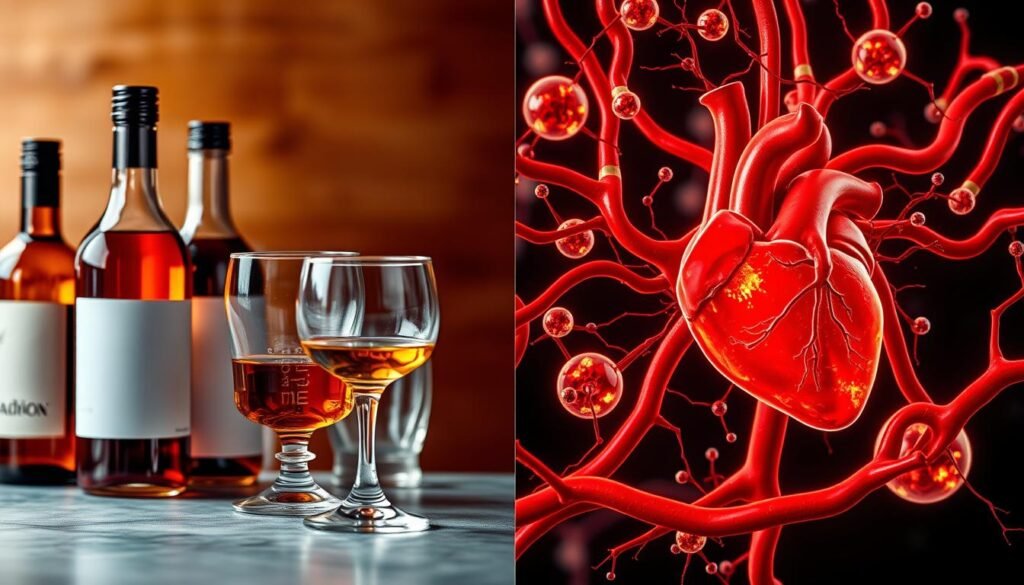
Can Alcohol Cause High Cholesterol?
Many people wonder if drinking alcohol can increase cholesterol levels. The answer is not simple. It depends on how much you drink and your body’s response. Alcohol is mainly processed in the liver. Here, it turns into cholesterol and triglycerides.
This process affects your cholesterol levels. But, the effect varies from person to person.
Mechanism of Alcohol Metabolism
The liver is key in breaking down alcohol. Once you drink, it converts alcohol to acetaldehyde, then to acetic acid. Finally, it’s expelled. This process can boost your cholesterol, especially if you drink a lot. Drinking more than two drinks for men and one for women can upset your body’s balance. This may lead to higher cholesterol over time.
Individual Differences in Cholesterol Response
How alcohol impacts you depends on several things. Your genes, weight, and sex play roles. For instance, women process alcohol differently because they have fewer enzymes. This impacts their cholesterol levels after drinking. It’s important to know these individual differences when thinking about alcohol and cholesterol.
Factors Influencing Alcohol’s Impact on Cholesterol
The connection between drinking alcohol and cholesterol is complex. Several factors shape this relationship. Knowing these can help people choose wisely about their alcohol use and its possible health outcomes.
Gender Differences in Alcohol Metabolism
Men and women handle alcohol differently. This is due to hormonal differences and body composition. Women, in particular, may have a higher risk of cholesterol problems related to alcohol. They generally have more fat than men. This affects how their bodies process alcohol. It could lead to more high-density lipoprotein (HDL) cholesterol. So, it’s important to understand these gender differences when considering alcohol’s health impact.
Frequency and Quantity of Alcohol Intake
How often and how much alcohol you drink matters a lot for cholesterol. Drinking moderately is linked to better HDL cholesterol levels and other health markers. But, drinking too much can be dangerous. Small changes in how often you drink can make a big difference in cholesterol levels. Light to moderate drinking might help by increasing apolipoprotein A1 and adiponectin levels. On the other hand, a lot of drinking can lead to serious problems like heart issues and obesity. These make managing cholesterol harder.

Recommended Alcohol Consumption Guidelines
Following the established alcohol consumption guidelines is key to good health. Women should not have more than one drink a day. Men should limit themselves to two drinks daily. This helps keep cholesterol levels healthy and reduces alcohol-related health risks.
Binge drinking brings extra dangers. For men, it means five or more drinks in two hours. For women, it’s four or more. This can cause problems like atrial fibrillation. Although some studies find moderate drinking lowers heart disease risks, these benefits are not certain.
Drinking too much can increase triglycerides, raising heart attack and stroke risks. Be aware, some cocktails have almost 500 calories. But, most beers and wines range from 100 to 150 calories.
Some groups need to be even more careful. Pregnant women must avoid alcohol to protect the fetus. People with diabetes on medication face hypoglycemia risks. It’s important to talk to doctors for advice, especially if you’re on aspirin or certain meds.
The American Heart Association supports moderate, mindful drinking. Regular, small amounts of alcohol may benefit heart health. It’s more about how much you drink than what you drink. However, experts warn against starting to drink for health benefits due to addiction risks.
Maintaining Healthy Cholesterol Levels While Drinking
You can still have fun drinking alcohol and keep your cholesterol healthy. To do this, choose your food carefully and stay active every day.
Balancing Alcohol with Diet and Exercise
To keep your cholesterol in check, think about what you drink and eat. Choose foods that are low in bad fats. Go for lean meats, seafood, low-fat dairy, whole grains, and lots of fruits and veggies. These help keep bad cholesterol levels down.
Eating foods rich in fiber and good fats, like avocados, nuts, and olive oil, helps too. Also, being active helps you manage your weight and lowers your cholesterol risk.
Monitoring Cholesterol Levels Regularly
Checking your cholesterol often is key to staying healthy, especially if you drink. Men should limit their drinks to two a day, and women to one. Keeping an eye on your levels lets you spot problems early.
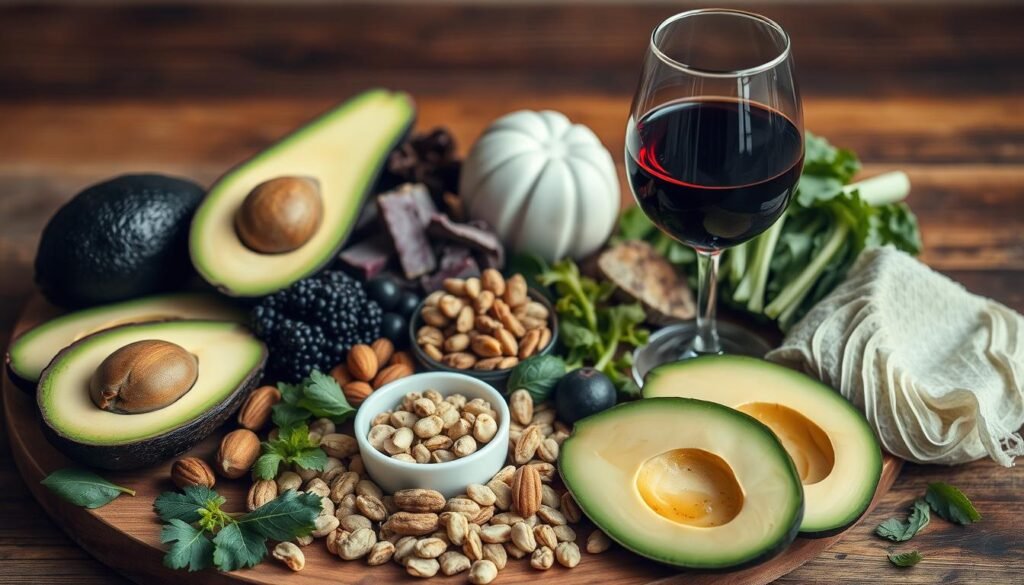
Mixing mindful drinking with healthy eating and exercise is the way to go. Knowing what’s happening and checking your levels often keeps your heart strong for years.
When to Seek Medical Advice About Alcohol and Cholesterol
If you see changes in your cholesterol levels, it’s time to talk to a doctor. Knowing when to get advice about drinking alcohol is key for your health. If you think drinking is hurting your cholesterol, ask a professional for help. They can look at your situation and give advice on balancing alcohol and cholesterol.
Men aged 45 to 65 and women aged 55 to 65 should get cholesterol checks every one to two years. If you’re over 65, get tested every year. This helps find any problems early and keep your heart healthy.
It’s important to know that things like not moving enough, being overweight, and eating poorly can affect your cholesterol. Having a body mass index (BMI) over 30 might mean you’re at higher risk, especially if you eat badly or smoke.
Regular exercise and eating well can lower your chances of high cholesterol.
Talking to a healthcare expert helps you understand how drinking affects your cholesterol and health. They can suggest changes to your lifestyle.
| Age Group | Recommended Screening Frequency |
|---|---|
| Men 45-65 | Every 1-2 years |
| Women 55-65 | Every 1-2 years |
| Individuals Over 65 | Annually |
Conclusion
The link between alcohol and cholesterol is not straightforward. It has both possible benefits and big risks. Drinking a moderate amount—like one drink a day for women and two for men—might raise HDL cholesterol. This is good as it can protect against heart disease. But, drinking too much can increase triglycerides, raising heart disease risk.
Different alcoholic drinks affect cholesterol in different ways. For example, moderate beer drinking might boost HDL levels. But, too much beer can make you gain weight and worsen cholesterol issues. Red wine, on the other hand, has antioxidants like resveratrol. These might also raise HDL levels. But, how alcohol affects you can vary greatly. Things like your genes, health, and lifestyle play a big role.
It’s key to make smart choices about drinking to keep your heart healthy and cholesterol in check. Knowing how drinking affects you can help you make better lifestyle choices. By drinking in moderation, you can enjoy some benefits while avoiding harm. This shows why understanding the alcohol-cholesterol link is vital for your health.