Eating two 4-ounce portions of fatty fish each week can lower heart disease risk. In today’s world, keeping our hearts healthy is more important than ever. Using the right cooking methods can keep nutrients in your food and make meals tasty and good for your heart.
By choosing smarter cooking methods, you can easily eat healthier. This guide will show you how to make meals that are good for your heart and delicious. It’s all about finding the joy in cooking nutritious meals that can make heart-healthy eating both easy and enjoyable.
Key Takeaways
- Incorporate fatty fish twice a week to boost heart health.
- Choose plant-based proteins like beans and lentils over red meat.
- Focus on whole fruits and vegetables instead of juices.
- Opt for cooking methods such as grilling and baking to reduce fat.
- Control salt intake by seasoning with herbs and spices instead.
- Limit saturated fats to less than 6% of total daily calories.
- Plan meals around whole grains and heart-healthy fats.
Understanding Heart-Healthy Cooking
Heart-healthy cooking is about choosing the right foods and ways of cooking. It includes eating foods that lower the risk of heart disease. Making better food choices at home leads to a healthier life.
Eating foods high in omega-3 fatty acids is good for your heart. Salmon and mackerel are great sources. Also, dietary fiber from fruits, vegetables, seeds, and nuts helps in maintaining heart health.
Choose lower-fat dairy, like reduced-fat feta or fat-free milk, for a heart-healthy diet. Reading food labels helps you keep an eye on saturated fat and sodium. This helps you make better choices for your heart.
Cooking methods matter for heart health. Baking, steaming, and grilling cut down unhealthy fat intake. Knowing the right portion sizes, like 1/3 to 1/2 cup for pasta and 2 to 3 ounces for meat, is key.
A heart-healthy lifestyle follows the Mediterranean diet’s guidelines. It focuses on fresh foods, lots of plants, and moderate fish and poultry. Learning about heart-smart cooking can improve your health for years to come.
To learn more about heart-smart cooking, check out UCLA Health’s resources for tips.
Cooking Techniques for Heart Health
Effective cooking techniques are key to heart health. Using healthy methods can boost your meal’s nutrition. We’ll look at cooking ways to keep your heart happy and add variety to your food.
Benefits of Healthier Cooking Methods
Methods like baking, grilling, and steaming keep nutrients in and cut down on bad fats. For example, using a bit of canola or olive oil to sauté reduces saturated fats. This also adds heart-healthy benefits to your food.
Adding fatty fish like salmon twice a week is good for your heart. Including nuts and omega-3 eggs in your diet brings extra perks.
Incorporating Variety into Your Cooking
Varying ingredients and how you cook can make heart-friendly eating easier. Try lean meats, skinless poultry, and low-fat dairy. Adding lots of fruits, veggies, and whole grains to your meals is great for your heart.
Using herbs, spices, and citrus for flavor cuts down on salt. This makes your food tasty and good for your heart. For tasty ideas, visit heart-healthy recipes.
Choosing the Right Ingredients
Choosing the right ingredients can help your heart. It’s key to pick nutritious foods for good health. Eating plenty of fruits, veggies, whole grains, and lean meats is great for your heart. It’s also important to know which fats are good for you. This helps make meals that are both tasty and good for you.
Exploring Heart-Protective Foods
To eat well, fill half your plate with fruits and vegetables. They make meals taste better and are good for you. Here are some top heart-friendly foods:
- Fruits like berries, apples, and bananas
- Vegetables such as leafy greens, carrots, and bell peppers
- Whole grains, look for “whole grain” as the first ingredient
- Lean proteins, like legumes, beans, lentils, and eggs
Adding these foods to your diet increases potassium, which can lower blood pressure. Aim for 25 grams of fiber each day. Good sources include oats, legumes, and flaxseed. They add to your soluble fiber, which is great for your heart.
Identifying Healthier Types of Fats
Healthy fats are vital for a heart-healthy diet. Use cooking spray or a bit of canola oil for cooking. This keeps the flavor without adding too many calories. Choose nontropical vegetable oils for frying. Oils rich in omega-3, like in salmon or trout, are best for your cholesterol. The American Heart Association suggests eating these fish 2-3 times every week. They also recommend keeping saturated fats under 10% of your daily calories.
Essential Cooking Techniques for Heart Health
Using the right cooking techniques can make recipes better for your heart. Techniques like baking, steaming, and grilling are key. They boost nutrition while cutting down on bad fats and calories.
How to Bake for Better Nutrition
Baking is great for cooking many foods with less oil. This helps keep meals lower in fat. Baking dishes like roasted veggies or whole-grain casseroles are good for the heart. It’s best to use herbs and spices for flavor, not salt.
Perfecting the Art of Steaming
Steaming keeps the flavor and nutrients in foods, especially veggies and fish. It’s better than boiling. Foods like steamed broccoli and salmon keep their taste and important nutrients. Adding them to your meals weekly is a smart move for heart health.
Grilling: A Heart-Friendly Alternative
Grilling works well for cooking meats and veggies with less fat. It adds great flavor and texture too. Use marinades from citrus, herbs, and spices instead of sugary, salty sauces. This makes your meals tasty and good for your heart.
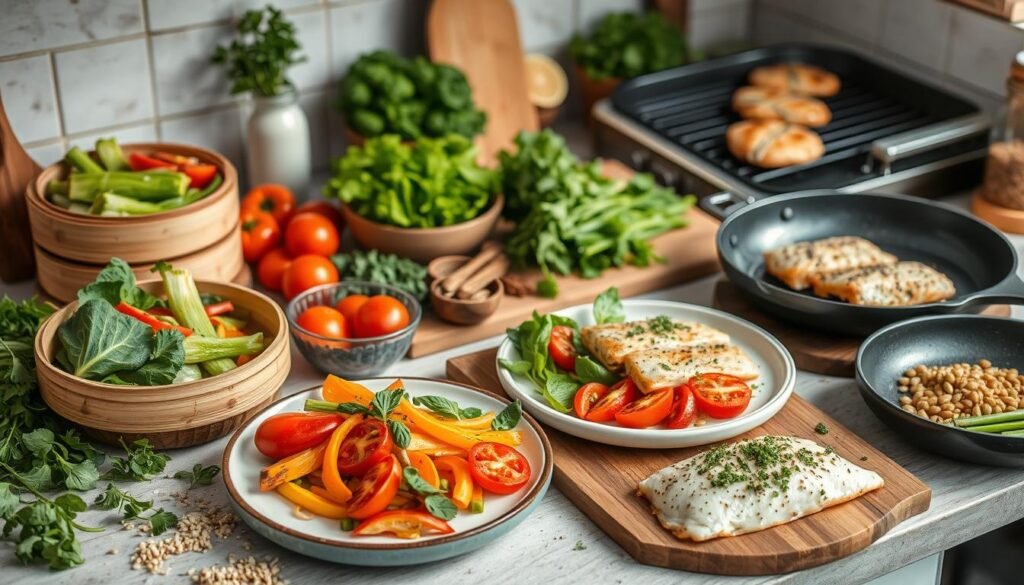
| Cooking Technique | Nutritional Benefits | Examples of Dishes |
|---|---|---|
| Baking | Minimizes oil use, retains nutrients | Whole-grain casseroles, roasted root vegetables |
| Steaming | Presents vibrant color, retains flavors | Steamed broccoli, ginger garlic fish |
| Grilling | Enhances taste with minimal fat | Grilled chicken, vegetable skewers |
Learning these cooking methods can lead to better heart health. For more ideas, check out Heart-Healthy Cooking Tips and Cholesterol and Cooking Fats. They can guide you toward tasty, heart-friendly meals.
The Importance of Portion Control
Portion control is key for a heart-healthy diet. It lets you manage calories better. This can improve health and help in keeping a healthy weight. The body needs about 20 minutes to feel full. Eating slowly lets you check how hungry you are, which helps stop you from eating too much.
Eating on smaller plates can trick your brain. It makes you think you’re eating more than you are. This way, you feel full with less food. The USDA’s MyPlate suggests filling half of your plate with fruits and vegetables. This is a good way to keep portion sizes in check.
After the 2016 nutrition label changes, serving sizes must show what people actually eat. Using measuring cups and kitchen scales can help you eat the right amount. This is key for heart-smart cooking tips.
Here are some tips to manage portion sizes:
- At home, try eating smaller portions to eat less.
- When out, ask for half your meal to take home.
- Choose fruits over sweet desserts to keep calories low.
- Wait around 20 minutes after eating before having more.
These tips help you eat mindfully. They support a well-balanced diet.
| Technique | Description |
|---|---|
| Smaller Plates | Creates a visual illusion of fullness while decreasing portion size. |
| Measuring Tools | Assists in accurately measuring portions to prevent overconsumption. |
| Wait Time | Gives the brain time to register fullness, helping to avoid seconds. |
| Healthier Choices | Choosing fruits over desserts helps manage overall caloric intake. |
Heart-Boosting Natural Flavors
Boosting your heart’s health can make meals more exciting. Chefs and anyone cooking at home can use herbs, spices, and citrus instead of salt. This makes food taste better and helps you eat healthier. By doing this, meals become good for your heart.
Reducing Sodium with Herbs and Spices
You can make your food tasty without too much salt by using herbs and spices. Basil, cilantro, and parsley can make dishes fresh. Cumin, paprika, and turmeric add deep flavors. This way, you don’t need as much salt for tasty dishes like:
- Bavarian Beef with thyme and bay leaves
- Grilled Salmon seasoned with dill and lemon
- Vegetable Stew enriched with garlic and rosemary
Using these ideas helps keep meals healthy for the heart while still being delicious.
Using Citrus for a Flavorful Twist
Lemons, limes, and oranges add excitement to food and help cut down on bad fats and salt. They make both savory dishes and sweets taste better. Adding citrus makes heart-healthy meals fun to eat. For example:
- Chickpea salad tossed with lemon juice and zest
- Chicken Marsala complemented with orange segments
- Baked Pork Chops infused with lime juice and garlic
These ideas add flavor and keep in line with heart-healthy cooking. Focusing on natural tastes and good cooking habits turns meals into a joyful experience that’s great for heart health.
Meal Planning for a Healthy Heart
Effective meal planning is key for a heart-healthy diet. It makes sure meals are both nourishing and tasty. Using various ingredients allows for a balanced diet and interesting dishes.
Incorporating Plant-Based Proteins
Adding plant-based proteins to your meals is great for your heart. Beans, lentils, and tofu are packed with nutrients but don’t have the bad fats that some meats do. They help your heart and overall health. For instance, a three-bean chili could give you 16 grams of fiber, making it very heart-friendly.
Emphasizing Color and Variety on Your Plate
Adding colorful fruits and veggies to your meals makes them look and taste better. Blueberries, oranges, and green beans add essential vitamins, minerals, and antioxidants. These foods are good for your heart and make your meals exciting. Planning with different colors ensures your meals are balanced and fun to eat.
| Caloric Level | Protein (g) | Carbohydrates (g) | Fiber (g) | Fat (g) | Saturated Fat (g) | Sodium (mg) |
|---|---|---|---|---|---|---|
| 1,224 | 60 | 142 | 28 | 52 | 11 | 828 |
| 1,500 | 75 | 175 | 30 | 60 | 12 | 1,200 |
| 2,000 | 90 | 200 | 35 | 75 | 15 | 1,500 |
By planning meals with heart-friendly recipes and plant-based proteins, you can boost your heart health. Adding colorful foods makes meals enjoyable while also being good for you.
Cooking Techniques and Heart-Friendly Dishes
Using heart-healthy cooking techniques can change how much people like their food. It also helps their hearts. Picking recipes good for the heart means tasty meals that also support a healthy life.
Developing Go-To Recipes
Having a set of favorite recipes that are good for the heart makes meal planning easier. It also helps you eat better. Try these ideas to start:
- Vegetable Stir-Fry: Mix many colorful veggies with a bit of olive oil and your favorite herbs.
- Grilled Salmon: This fish is full of Omega-3s. Grilling it adds flavor without much fat.
- Quinoa Salad: Use quinoa as a base. Add veggies, beans, and a tasty dressing for protein.
- Beans and Rice Bowl: Combine brown rice with black beans, fresh veggies, and avocado.
Exploring Global Heart-Conscious Cuisine
Different cuisines around the world have many heart-healthy dishes. Here are some dishes inspired by global cuisine:
| Cuisine | Dish | Key Ingredients |
|---|---|---|
| Mexican | Black Bean Tacos | Black beans, corn tortillas, avocado, salsa |
| Italian | Whole Wheat Pasta Primavera | Whole wheat pasta, seasonal vegetables, olive oil |
| Thai | Lemongrass Chicken | Skinless chicken, lemongrass, ginger, jasmine rice |
| Indian | Chickpea Curry | Chickpeas, tomatoes, spices, brown rice |
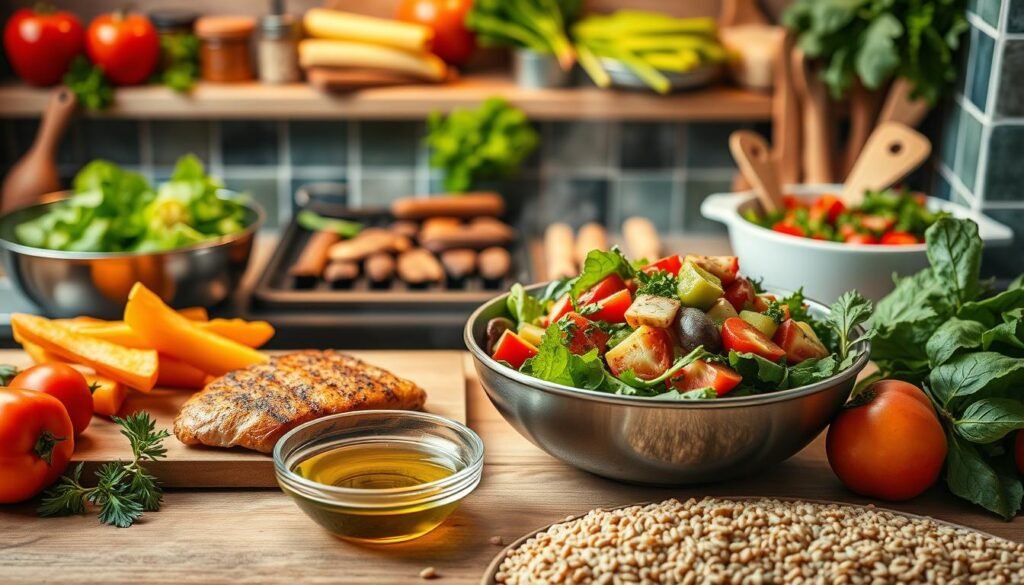
Mixing heart-healthy cooking with tasty global recipes makes meals interesting. The right recipes and cooking methods can make heart health management fun.
Simple Swaps for Heart Health
Making simple swaps in the kitchen boosts heart health. Heart-smart cooking tips can make meals healthier. This section shows how easy changes can improve health.
Upgrading Cooking Oils
Choosing the right oils is key for heart health. Pick liquid vegetable oils over solid fats to cut saturated fat. Here are some heart-healthy swaps:
- Use 1 tablespoon of soft tub margarine or 3/4 tablespoon of liquid nontropical vegetable oil instead of butter.
- Swap whole milk for 1 cup of fat-free or low-fat milk and 1 tablespoon of oil.
- Use evaporated fat-free milk or a mix of yogurt and cottage cheese instead of heavy cream.
Replacing Saturated Fats with Healthier Options
Less saturated fats means lower cholesterol. These cooking changes boost health:
- Mix 4 tablespoons of margarine with low-fat cottage cheese for a cream cheese alternative.
- Pick grilled or roasted skinless chicken over fried for less fat.
- Choose baked corn tortilla chips over fried for less sodium.
- Opt for no-sugar-added fudge bars or fat-free frozen yogurt instead of ice cream.
Using these cooking methods and tips makes meals heart-healthier. You don’t have to give up taste for a healthier heart.
How to Make Cooking Fun and Engaging
Making cooking fun can change how we see food. Adding creativity and excitement makes cooking a journey, not a task. We start to see heart-conscious food in a new way.
Cooking becomes better with friends or family. It’s about sharing, learning, and enjoying time together. Chef Jenny Breen’s classes teach heart-healthy cooking and food justice. People leave with new skills and knowledge.
Want more excitement? Try new ingredients and ways of cooking. Using “mise en place” helps you organize and cook smoothly. Just 30 minutes a week for prep makes for healthier snacks and meals.
Here are some strategies to keep cooking engaging:
- Join a local cooking class to enhance skills and meet like-minded individuals.
- Try new recipes regularly to explore various cuisines and flavors.
- Utilize staple ingredients like chickpeas, lentils, and quinoa for batch cooking to save time.
- Make individual snack packs, such as homemade trail mix and veggie cups, to encourage healthy choices.
- Incorporate fun meal prep practices like sheet pan dinners for easy cleanup.
- Explore options like cooking spaghetti squash as a healthy alternative for pasta.
The real joy in cooking is in the process, not just the final dish. It becomes a fulfilling activity with the right approach and tips. Cooking at home is then an exciting adventure.
Building a Heart-Healthy Pantry
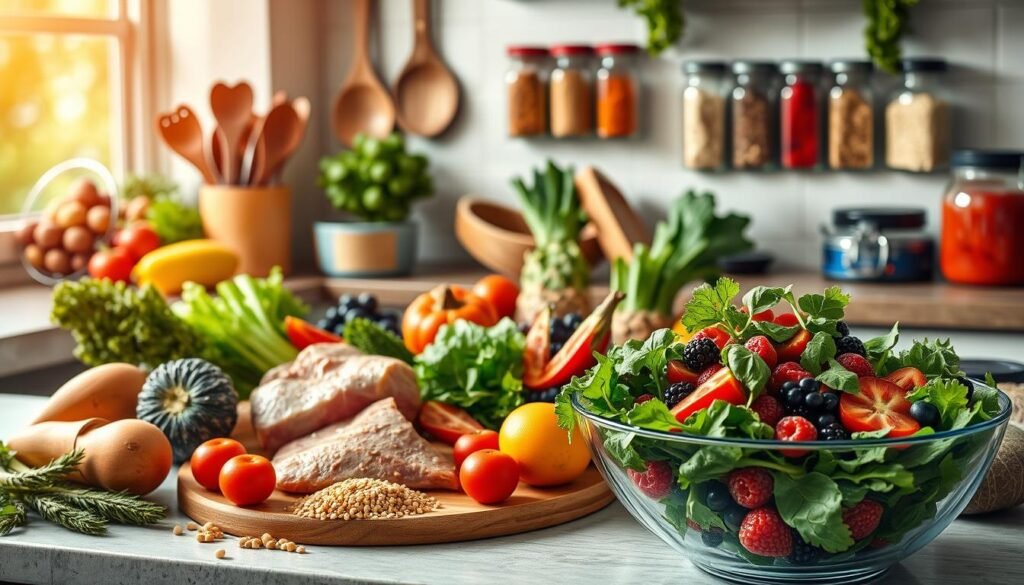
A well-stocked pantry helps a lot with heart health. It’s about picking staples that boost heart health and make cooking easy and fun. Including whole grains, nuts, and good canned or frozen foods helps with making healthier choices easily.
Choosing Whole Grains and Nuts
Whole grains are great for heart health because they’re full of fiber and nutrients. Foods like bulgur, couscous, quinoa, brown rice, and whole grain pasta are good choices. They add variety to meals. A study in the Journal of Medical Food showed these grains help the heart by lowering inflammation and providing B vitamins for managing blood pressure. Pick unsalted nuts like almonds, walnuts, and pistachios. They’re packed with healthy fats, fiber, and potassium.
Stocking Up on Canned and Frozen Options
Canned and frozen foods make meals quick and healthy. Foods like canned beans, tomatoes, and meats such as tuna or chicken offer fiber and nutrients to help keep cholesterol in check. Canned tomatoes are especially good because of their lycopene, which fights heart disease. Frozen veggies and fruits keep their nutrients well and add color and taste to your meals.
When managing sodium, use low-sodium broth and no-salt-added canned fruits and veggies. Picking healthy oils like olive, grapeseed, and canola oil also matters. They add flavor and help lower bad cholesterol. By sticking to these tips for a heart-healthy pantry, you can enjoy tasty meals that are good for your heart.
Embracing Cooking Classes and Resources
Cooking classes teach valuable skills for a healthier heart. These lessons often lead to a better grasp of cooking for heart health. They provide practical skills. Participants learn how to cook heart-smart meals in hands-on demos. This helps them eat well and look after their health.
These courses usually run for four weeks, each session about 1.5 hours long on Zoom. Participants learn to cook whole-food, plant-based meals. These meals fight health issues like obesity and heart disease. The registration fee is affordable. It also covers the cost of groceries, making meal prep sustainable.
Most people see big benefits from cooking classes. For instance, 84% eat better after taking these classes. They also follow My Healthy Plate guidelines more closely. This shows they understand how to make better food choices.
Teachers ask students to share any food allergies early on. This lets them adjust recipes as needed. Family can join too, which makes learning more fun. But, family members need their own registration.
Students can email their instructors for advice even after classes end. This access to expert help promotes ongoing learning. It keeps students cooking healthily. In short, these classes offer key skills, support, and inspiration for a healthier lifestyle.
| Class Feature | Details |
|---|---|
| Course Length | 4 Weeks, 4 Classes |
| Class Duration | 1.5 Hours per Class |
| Format | Zoom (Mobile Compatible) |
| Total Cost | $100 + Groceries ($4.50 – $6.50 per meal) |
| Capacity | 4-8 Meals Per Class |
| Family Inclusion | Yes, with Separate Registration |
| Instructor Support | Email Access Outside Class Time |
Conclusion
Heart disease is the top cause of death in the U.S. This makes cooking for heart health very important. Looking at different cooking methods shows that such cooking can better blood pressure, cholesterol, diabetes control, and help with weight. Using oils like olive, almond, or avocado instead of butter can change diets for the better.
Yet, many in the U.S. still don’t eat enough fruits and vegetables for a healthy heart. Choosing fresh or frozen produce is better than canned, as it keeps more nutrients. Eating lean proteins like poultry and fish, and plant-based foods like beans and tofu helps reduce bad fat intake and boost heart health.
Starting to cook with heart health in mind means using spices to cut down on salt and watching how much processed food we eat. Even small changes can lead to big health benefits. Trying new recipes and cooking methods can help everyone take care of their heart and their family’s.