Did you know over 80% of cholesterol in your blood comes from your liver? This fact is surprising. It shows a common error in thinking: not all cholesterol comes from food. This makes it key to understand cholesterol’s types for heart health. We’ll debunk myths and share must-know truths about cholesterol here.
Many see cholesterol as just harmful, but it’s crucial for our bodies. It helps make hormones and keeps cell walls intact. Due to common myths, people often miss out on its benefits. It’s important to know the good HDL from the bad LDL cholesterol.
To really get cholesterol, know how diet and exercise play a part. They help keep your cholesterol levels in check, boosting heart health. For deep details on cholesterol myths and keeping levels healthy, visit the CDC’s cholesterol myth page.
Key Takeaways
- More than 80% of cholesterol is produced by the liver.
- Understanding the difference between LDL (“bad”) and HDL (“good”) cholesterol is essential.
- High LDL levels increase the risk of heart disease.
- Diet and exercise significantly impact cholesterol levels.
- Regular cholesterol checks are crucial for monitoring heart health.
Understanding Cholesterol: The Basics
Cholesterol is key for many body functions, like making hormones and cell walls. It travels in the blood, attached to proteins named lipoproteins. It’s important to know about the two main types: LDL and HDL cholesterol.
LDL is often called “bad” cholesterol because it can clog arteries, raising the chance of heart issues. Studies show high LDL levels can boost heart disease risk by about 30%. HDL, or “good” cholesterol, takes excess cholesterol out of the blood, reducing heart disease risk.
Keeping a balance between these two types is crucial for a healthy heart. A low ratio of triglycerides to HDL suggests less chance of heart disease. Triglycerides come mostly from sugars and are linked to both metabolic health and heart attack risk.
| Cholesterol Type | Function | Heart Disease Risk |
|---|---|---|
| LDL (Low-Density Lipoprotein) | Transports cholesterol to cells, potential plaque buildup | Increased by 30% with high levels |
| HDL (High-Density Lipoprotein) | Removes excess cholesterol from bloodstream | Decreased risk with higher levels |
| Triglycerides | Provides energy; high levels correlate with poor metabolic health | 80% increased risk for heart attacks |
Debunking Cholesterol Myths
Cholesterol is often misunderstood. This leads to many myths that confuse what is true. It is wrong to think all cholesterol hurts your health. It’s key to know the difference between cholesterol types. This understanding helps improve heart health and lowers disease risk.
Myth: All cholesterol is bad for you
Many people get cholesterol wrong by oversimplifying it. Although LDL, or bad cholesterol, can raise heart disease risk, not all cholesterol is harmful. In fact, our bodies need cholesterol for various functions.
Fact: Importance of good cholesterol (HDL)
HDL stands for high-density lipoprotein, which is the good cholesterol. It keeps the heart safe by moving extra cholesterol to the liver to be expelled. It’s vital to keep LDL and HDL levels balanced for heart health. Regular tests can check if your cholesterol is healthy.
People over 20 should get their cholesterol checked every four to six years. Many don’t have symptoms until it’s late. By managing cholesterol properly, you can enjoy lasting health gains. Learning about cholesterol management is a step towards long-term wellness.
The Role of LDL and HDL Cholesterol
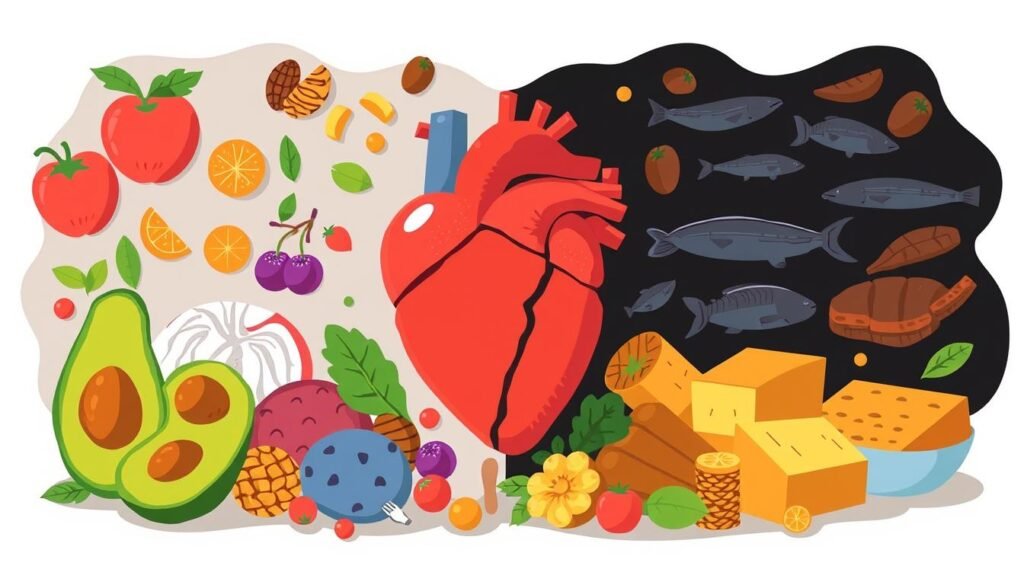
It’s vital to know the differences between LDL and HDL cholesterol for heart health. LDL, or Low-Density Lipoproteins, are the “bad” cholesterol. They can cause plaque to build up in arteries. On the other hand, HDL, or High-Density Lipoproteins, are known as “good” cholesterol. They help remove LDL from the blood.
Low-Density Lipoproteins (LDL)
LDL cholesterol can lead to arterial plaque and serious heart problems. If LDL levels stay high, the risk for heart disease and strokes goes up. This shows how crucial it is to keep an eye on LDL cholesterol.
High-Density Lipoproteins (HDL)
HDL cholesterol protects the heart. It moves excess LDL to the liver for removal or reuse. This lowers the risk of heart diseases. So, keeping HDL levels healthy is key for a happy heart.
The balance between LDL and HDL cholesterol matters a lot for health. Eating well and making smart lifestyle choices can help maintain this balance.
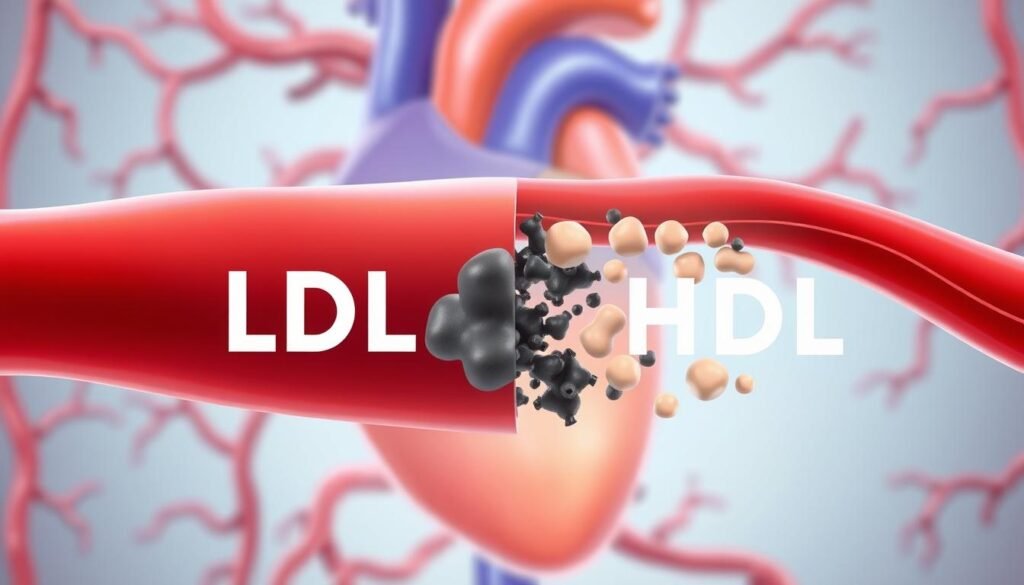
| Cholesterol Type | Common Name | Health Impact |
|---|---|---|
| LDL | Bad Cholesterol | Increased risk of heart disease and plaque buildup |
| HDL | Good Cholesterol | Helps remove excess cholesterol, reducing heart disease risk |
How Diet Affects Cholesterol Levels
Understanding how our diet impacts cholesterol is key to heart health. It’s a myth that eating high-cholesterol foods simply raises body levels. The truth is, our liver makes about 80% of our cholesterol from other fats. Only a small bit comes from foods we eat.
Myth: Eating high-cholesterol foods will raise my cholesterol
Eating foods high in cholesterol might not impact your blood levels as much as believed. People react differently to dietary cholesterol. This shows genetics and lifestyle choices are big factors.
Fact: The impact of saturated fats
Saturated fats really affect LDL (bad cholesterol) levels. Foods rich in these fats, like fatty meats and processed items, can up cholesterol. It’s smart to cut down on these and eat more unsaturated fats. Think fish, nuts, and olive oil for better cholesterol results.
Healthy food choices for better cholesterol
Making smart food choices can drop your cholesterol. Eating more fiber from fruits, vegetables, and whole grains helps lower LDL. Aim to get 5-10 grams of fiber each day for a big impact.
- Consider adding plant sterols found in various fruits and vegetables to improve cholesterol levels.
- Regular exercise can elevate HDL (good cholesterol) levels, contributing positively to heart health.
- Losing about 10 pounds can help lower cholesterol levels if overweight.
Learn more about the link between what you eat and cholesterol at these cholesterol facts.
| Healthy Food Choices | Cholesterol Impact |
|---|---|
| Oats | Rich in soluble fiber, they help reduce LDL levels. |
| Fish and Nuts | High in unsaturated fats that enhance HDL cholesterol. |
| Fruits and Vegetables | Contribute plant sterols aiding in lowering cholesterol. |
| Avocados | Contain heart-healthy fats that improve cholesterol levels. |
Recognizing Symptoms of High Cholesterol
Many think they’d spot high cholesterol signs right away. This is a common mistake that can lead to health issues. High cholesterol often shows no clear symptoms. It’s vital for everyone to check their cholesterol levels regularly.
Myth: I would know if I had high cholesterol
Waiting for symptoms to appear isn’t a smart way to find high cholesterol. Almost 71 million Americans have it, usually with no signs. It’s key to test your cholesterol often. High levels can mean a bigger risk of heart disease without any symptoms showing up.
Research shows that some with “good” LDL cholesterol levels might need stronger treatment. Getting checked every five years can help avoid severe health issues. In severe cases, people may get yellowish skin growths, or xanthomas. These usually pop up in later stages. That’s why regular health checks are crucial.
Making changes in how you live can greatly impact your cholesterol. Try to exercise for 150 to 300 minutes a week. This can really help your cholesterol levels stay healthy. For those at high risk, like people with familial hypercholesterolemia, medicines might be needed to control LDL cholesterol.
Cholesterol and Weight: What You Need to Know
It’s important to understand how cholesterol and weight are connected for heart health. A common myth is that high cholesterol only affects those who are overweight. This is not true and needs to be addressed.
Myth: Only overweight people have high cholesterol
Being overweight does increase your risk of high cholesterol. Yet, everyone, no matter their size, can be affected. Genetics, age, and what you eat play a big part in your cholesterol levels. It’s important to know that even at a healthy weight, you can have high cholesterol.
Fact: Cholesterol levels can affect all body types
Cholesterol doesn’t care about your size. Some people have high cholesterol because of their family history. What you eat is also important. Eating too much saturated and trans fats can raise your bad cholesterol. That’s why it’s key to check your cholesterol levels regularly, as recommended by the American Heart Association.
Making good lifestyle choices can better your cholesterol levels. Aim for at least 150 minutes of exercise each week. This helps everyone, no matter their size. Eating foods high in soluble fiber, like oats and beans, can also reduce bad cholesterol. A balanced diet is crucial for managing cholesterol.
| Body Type | Cholesterol Risk Factors | Recommended Actions |
|---|---|---|
| Overweight | Higher LDL levels, more susceptible to heart disease | Regular exercise, diet modification, potential medication |
| Average | Genetic factors may lead to high cholesterol | Periodic testing, healthy eating habits, regular physical activity |
| Thin | May still have high cholesterol due to diet or genetics | Awareness of dietary choices, lifestyle changes |
Understanding how cholesterol relates to weight helps us take action. By doing so, we can keep our cholesterol levels healthy and reduce heart disease risks.
The Importance of Regular Cholesterol Testing
Knowing why cholesterol testing matters is key for heart health. It helps people take charge of their wellness. The American Heart Association says we should start checking cholesterol early in life. It’s vital to know the best times for tests, especially if you’re at risk.
When should you check cholesterol levels?
When to get tested depends on your age, family background, and how you live. Here’s a simple guide:
| Age Group | Frequency of Testing |
|---|---|
| Children (ages 9-11) | Once between 9-11, then every 5 years |
| Adults (ages 20-45) | Every 4-6 years if no risk factors |
| Adults (ages 45 and older) | Every 1-2 years |
| Individuals with risk factors (diabetes, heart disease) | Annually or as recommended by a healthcare provider |
High cholesterol might not have symptoms. That’s why regular cholesterol checks are vital, even if you feel okay. Spotting issues early can stop bigger health problems later. The American Heart Association suggests personalized test schedules. Knowing your cholesterol levels guides your lifestyle choices.
Living a life geared towards heart health, and getting timely cholesterol tests, lowers your heart disease risk.
Managing Cholesterol: Lifestyle Changes and Treatments
Some think that when they start medication for cholesterol, they don’t need to change their lifestyle. This belief is wrong and can harm your heart health. Yes, medications help, but they don’t erase the need for a healthy lifestyle.
Myth: Lifestyle changes aren’t necessary if I’m on medication
Even with drugs, bad eating habits, not exercising, and smoking can raise your cholesterol. Changing your lifestyle is key when fighting high cholesterol. With cholesterol treatments, these changes can improve your overall health.
Fact: The importance of diet and exercise
Eating well is crucial for cholesterol management. Have a diet full of fiber and healthy fats. Foods like oatmeal, beans, avocados, and nuts can lower bad cholesterol. You should also exercise regularly, about 150 to 300 minutes a week, to boost your heart health and keep cholesterol in check.
Quitting smoking is vital too as it harms your blood vessels and ups your heart disease risk. Those with familial hypercholesterolemia or other risks should talk with doctors about managing cholesterol. This can help create a plan that combines lifestyle changes and the right cholesterol treatments.
| Lifestyle Change | Impact on Cholesterol |
|---|---|
| Diet rich in fiber | Lowers LDL cholesterol levels |
| Regular physical activity | Improves overall cardiovascular health |
| Quitting smoking | Reduces heart disease risk |
| Limiting saturated fats | Helps maintain healthy cholesterol levels |
| Following prescribed medications | Support for managing cholesterol effectively |
Conclusion
Understanding cholesterol is key for good heart health. This article has busted many myths about cholesterol. It’s important to know the difference between LDL and HDL cholesterol.
High “bad” cholesterol is a big risk for heart disease. This is a major cause of death in the United States.
What you eat affects your cholesterol levels. But it’s not just about how much cholesterol you consume. The type of fats in your diet matters a lot.
Eating fruits, vegetables, and lean proteins helps improve cholesterol levels. This will boost your heart health too.
Getting regular cholesterol checks is also crucial. Staying up-to-date with health guidelines helps you stay healthy. Making smart choices about your cholesterol can lead to a better future.
By avoiding common myths, we can all be healthier. Let’s focus on true facts about cholesterol for a healthier life.