Did you know the average American eats way more cholesterol than needed? This fact shows we need to focus on eating foods that lower cholesterol. Eating right is key to control cholesterol and reduce the risk of heart disease and stroke. By choosing foods rich in healthy fats, fiber, and omega-3s, you can lower your cholesterol big time.
Let’s delve into the best foods for heart health, understand a cholesterol-friendly diet, and learn how to pick the right foods for heart wellness. It all starts with easy, yet meaningful changes, such as opting for lean proteins and eating lots of fiber. These changes are the first step toward a healthier heart.
Key Takeaways
- Incorporating soluble fiber can decrease LDL cholesterol levels.
- Eating fish at least twice a week aids in lowering triglycerides.
- Introducing avocados into the diet can reduce heart disease risk.
- Plant sterols can lead to a significant reduction in LDL cholesterol.
- Reducing saturated fat helps lower LDL cholesterol effectively.
- High-fiber foods support fullness and prevent cholesterol absorption.
- Simple changes in diet can lead to dramatic reductions in cholesterol levels.
The Importance of a Cholesterol-Friendly Diet
Maintaining a cholesterol-friendly diet is key to good heart health. This means choosing foods wisely to lower “bad” cholesterol (LDL) and raise “good” cholesterol (HDL). If you’re aiming for the best diet to fight high cholesterol, it’s important to watch what you eat. You should limit saturated fat to less than 7% of your daily calories. Also, keep your daily cholesterol under 200 mg to help lower cholesterol levels.
Eating healthy foods that fight cholesterol can affect how your body absorbs it. You should eat 10 to 25 grams of soluble fiber each day. This type of fiber helps stop cholesterol from getting absorbed. Adding at least 2 grams of plant stanols and sterols to your diet can boost this effect. Eating Omega-3 fatty acids, found in fatty fish and walnuts, helps lower LDL and triglycerides too.
Keeping your diet balanced means watching your sodium intake. Try to stay under 2,300 milligrams a day to help manage blood pressure. This can lower your risk of heart diseases. For those who drink alcohol, men should limit to 2 drinks a day, and women to 1. These changes can really help maintain a cholesterol-friendly lifestyle.
The following table illustrates some dietary guidelines that support a cholesterol-friendly diet:
| Dietary Component | Recommendation |
|---|---|
| Saturated Fat | Less than 7% of daily calories |
| Cholesterol Intake | Less than 200 mg daily |
| Soluble Fiber | 10 to 25 grams daily |
| Plant Stanols/Sterols | 2 grams daily |
| Omega-3 Fatty Acids | Twice a week from fish like salmon |
| Sodium | Below 2,300 milligrams daily |
| Alcohol Intake | 2 drinks for men, 1 drink for women |
Following these guidelines helps people see the value of a cholesterol-friendly diet. By picking the right foods, you can manage cholesterol well and boost heart health.
Understanding Cholesterol: Good vs. Bad
Knowing about cholesterol is key for a healthy heart. Cholesterol moves in the blood as LDL, the “bad” kind, and HDL, the “good” kind. Too much LDL can cause blockages in arteries, risking heart disease. HDL, on the other hand, takes cholesterol away, keeping the heart safe.
Getting the balance right between good and bad cholesterol is vital. High LDL and low HDL levels spell trouble for the heart. Learning about this helps us choose the right foods to keep cholesterol in check.
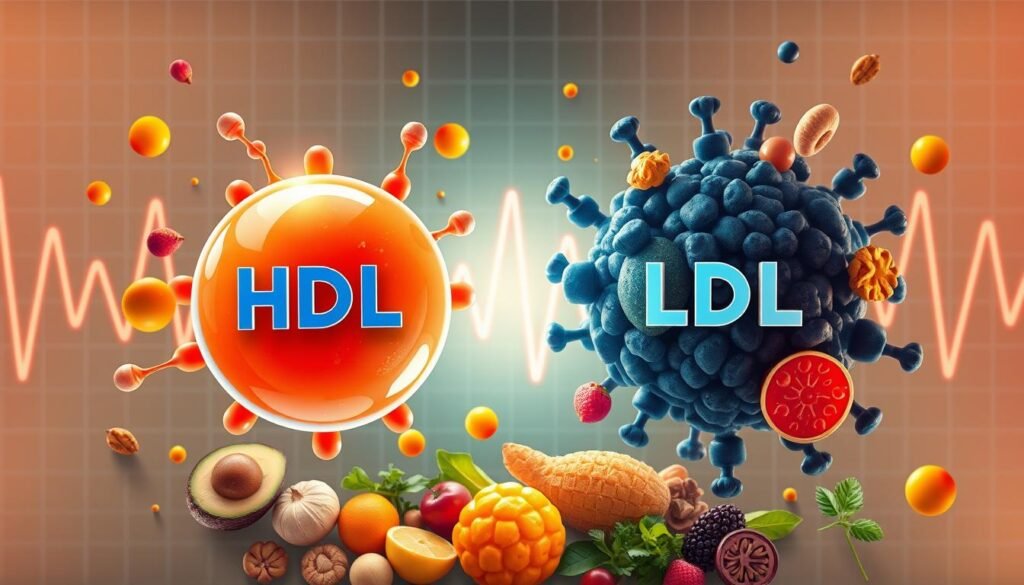
Foods loaded with saturated fats raise LDL, which is bad news. We’re talking about processed meats and some oils here. This shows why eating foods that lower cholesterol is something we should all do more often. Eating fruits, veggies, whole grains, beans, and good fats helps keep our cholesterol healthy.
Adding these good foods into our diet can boost heart health. It shows how important diet is for managing cholesterol. Understanding the good and bad types of cholesterol is key for anyone wanting to stay healthy.
Best Diet for High Cholesterol: An Overview
Managing high cholesterol is key for maintaining a healthy heart. In 2020, nearly 86 million adults in the U.S. were affected. A low cholesterol diet plan can greatly improve your lipid profiles. One good choice is the Mediterranean diet. It includes lots of fruits, veggies, whole grains, and healthy fats like olive oil. Cutting down on red meat and high-fat dairy is also vital.
Eating foods rich in fiber is another way to boost heart health. For instance, having a cup of beans every day lowered bad cholesterol in just 29 days. A 2015 study on avocados showed they also help lower bad cholesterol levels. Nuts are beneficial as well, reducing heart disease risk by 30% with daily servings.
The type of protein you eat is important. Fish, especially oily kinds, are good for cholesterol levels. A 2016 review found that oily fish raises good cholesterol and lowers bad fats. Lentils and beans are great too. They provide fiber and nutrients for a healthy heart.
For natural cholesterol control, eat plenty of whole grains. They can lower heart disease risk by 19%. More than three servings of fruits and veggies a day helps with bad fats and overall cholesterol. Drinking green tea often can also cut down bad cholesterol.
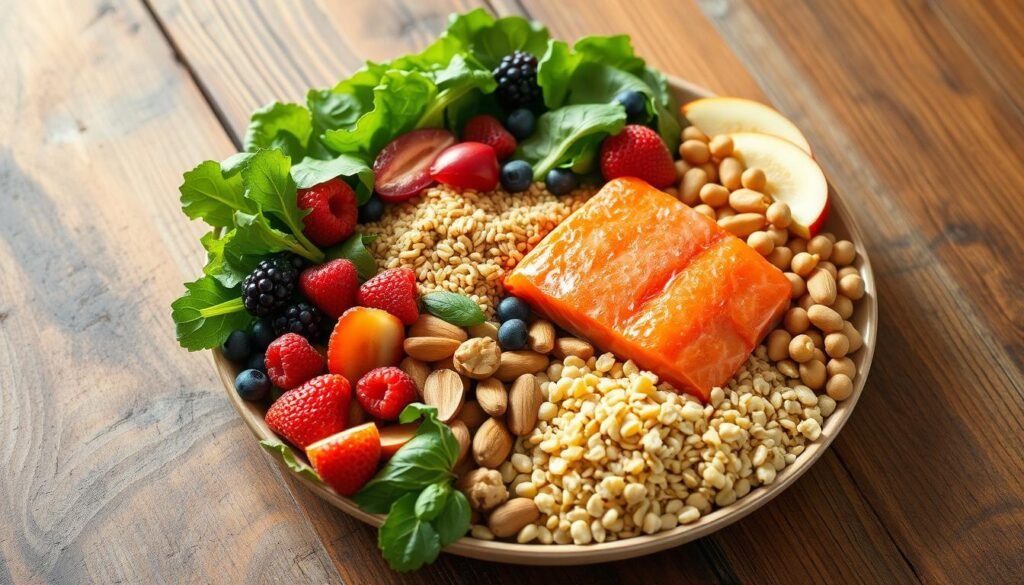
Watching your calories is important. Try to get 25 to 35% of your daily calories from fats. But only 7% should come from saturated fat. Keep sodium under 2,300 milligrams a day and cholesterol under 200 mg. This helps build a solid diet plan. It also lets you stick to your cultural eating habits while keeping your heart healthy.
| Food Type | Benefits |
|---|---|
| Fruits and Vegetables | Help lower LDL cholesterol and triglycerides |
| Whole Grains | Reduce risk of heart disease and stroke |
| Lean Protein (Fish, Legumes) | Improve cholesterol levels and provide essential nutrients |
| Nuts | Lower risk of cardiovascular disease |
| Healthy Fats (Olive Oil) | Increase HDL cholesterol levels |
Making good dietary choices is essential for heart health. Following these tips can lead to lower cholesterol and better health overall.
Foods to Include in Your Cholesterol-Lowering Plan
Adding certain foods to your cholesterol-lowering plan can greatly improve heart health. Foods rich in fiber, omega-3 fatty acids, and nuts are key. They help manage your cholesterol levels effectively. Knowing the perks of these foods encourages smarter food choices.
High-Fiber Foods and Their Benefits
High-fiber foods play a big role in reducing LDL cholesterol and aiding digestion. It’s recommended that adults consume 21 to 38 grams of fiber daily. However, most people get just half of this. Here’s how to increase your fiber intake:
- ½ ripe avocado (2 grams of fiber)
- 1 large orange (3–4 grams of fiber)
- ¾ cup chickpeas (6 grams of fiber)
- 1 cup cooked eggplant (2.4 grams of fiber)
- ½ cup cooked oats (can reduce LDL cholesterol by 11.6% in 28 days)
Foods rich in fiber not only lower cholesterol but also bring other health gains. For those not meeting fiber needs with food, psyllium fiber supplements are an option.
Omega-3 Fatty Acids: Heart Health Heroes
Adding omega-3 fatty acids to your diet is great for the heart. Fatty fish like salmon and mackerel are top sources. They help cut down triglyceride levels and the risk of atherosclerosis. Flaxseeds and walnuts also offer omega-3s. They guard the heart and lessen inflammation. Eating these foods regularly is good for your cholesterol plan and overall health.
Nuts and Their Role in Lowering Cholesterol
Nuts are excellent for lowering cholesterol levels. They are loaded with unsaturated fats, fiber, and vital nutrients. Daily servings of nuts, especially almonds and walnuts, can make a big difference in your cholesterol. Adding dark chocolate with its cocoa flavanols can also help lower LDL cholesterol and boost HDL levels.
| Food | Fiber Content (grams) | Cholesterol-Lowering Effects |
|---|---|---|
| ½ Avocado | 2 | Reduces LDL cholesterol |
| Oats | 4 | Reduces LDL by 11.6% |
| Salmon | 0 | Lowers triglycerides |
| Almonds | 3.5 | Lowers LDL cholesterol |
| Lentils | 7.8 | Prevents absorption of cholesterol |
Food to Eat for High Cholesterol: Top Choices
Managing high cholesterol is key to good heart health. It’s important to choose food to eat for high cholesterol wisely. These foods should lower bad cholesterol and boost good cholesterol. Adding a variety of heart-healthy foods can make a big difference.
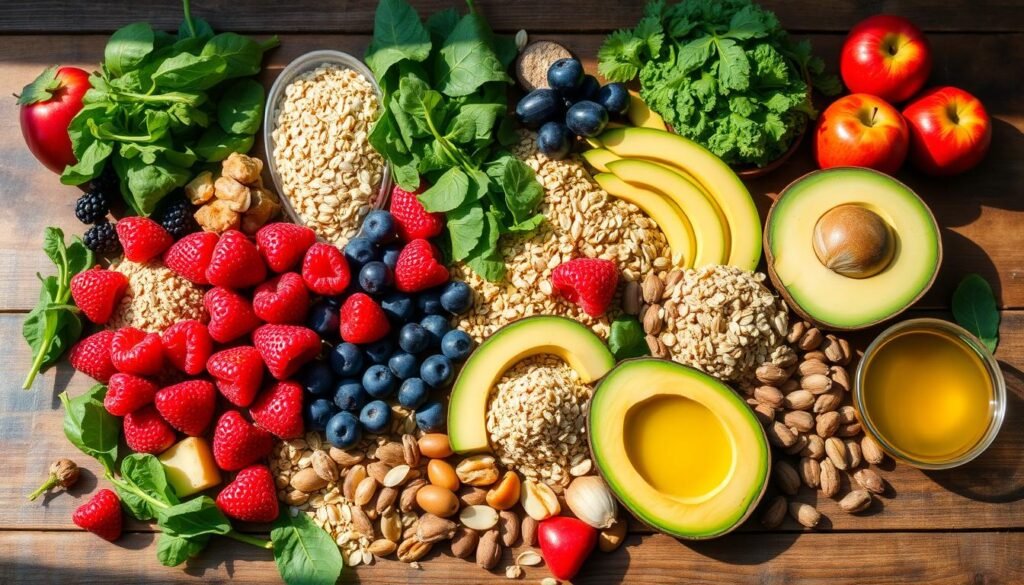
Fatty fish like salmon and mackerel are great options. They are packed with omega-3 fatty acids. These fats lower bad fats in your blood and help your heart. Eating two servings a week is beneficial.
- Fruits: Apples, berries, and citrus fruits are full of soluble fiber and antioxidants. They work to decrease bad cholesterol and enhance heart health.
- Nuts: Almonds, walnuts, and pistachios are amazing for lowering cholesterol. Their healthy fats contribute to reducing bad cholesterol.
- Avocados: These are loaded with monounsaturated fats. They help increase good cholesterol while reducing bad cholesterol.
Don’t forget about whole grains like oats and barley. They add necessary fiber to your diet, which lowers bad cholesterol. Legumes, including beans, lentils, and chickpeas, are also key. They offer lots of fiber important for managing cholesterol.
| Food | Benefit |
|---|---|
| Fatty Fish (e.g., Salmon) | Rich in omega-3 fatty acids that lower triglycerides |
| Nuts (e.g., Almonds) | Contain healthy fats that reduce LDL cholesterol |
| Avocados | Enhance HDL cholesterol and lower LDL cholesterol |
| Whole Grains (e.g., Oats) | High in fiber, helps lower bad cholesterol |
| Legumes (e.g., Lentils) | Provide fiber and support cholesterol reduction |
Using cholesterol-lowering superfoods in daily meals is a smart move. It’s key to check your health regularly. This way, you can see how these changes affect your cholesterol. For more info on what foods to avoid, visit this guide.
Healthy Cooking Methods for Heart-Healthy Meals
Using healthy cooking methods can boost heart health, especially with low cholesterol diets. These methods reduce bad fats but keep the taste and nutrition. It’s key for a strong heart.
Using Healthy Fats Instead of Saturated Fats
It’s important to switch from saturated fats to healthy oils to cut cholesterol. Choose oils like olive, canola, and safflower over butter. These oils have good fats that help your heart.
Try cooking veggies in a little oil or using oil sprays to cut down on bad fats. You can also use pureed fruits or veggies as oil substitutes in baking. This makes traditional recipes healthier. Check out healthy cooking methods for more tips.
Cooking Techniques that Promote Heart Health
Cooking in a way that’s good for the heart is crucial. Grilling, baking, and steaming are methods that don’t need much fat. Studies suggest you should eat fish and plant proteins often.
Try to eat 8 ounces of omega-3 rich fish each week for a better heart. Pick lean meats and increase fiber with whole grains and legumes. These choices support both heart and digestive health. For heart-healthy cooking ideas, visit this guide on cooking techniques for heart health.
Cholesterol-Lowering Superfoods to Add to Your Diet
Adding cholesterol-lowering superfoods to your meals can make your heart healthier. These superfoods are packed with nutrients that help control cholesterol. By eating a mix of fruits and vegetables, whole grains, and legumes for cholesterol, you fight high cholesterol and boost heart health.
Fruits and Vegetables: Nature’s Cholesterol Fighters
Fruits and veggies are key for a healthy heart. They’re full of antioxidants and fiber, lowering bad LDL cholesterol. Eating many colors gives you lots of nutrients. For example, oats, apples, and pears help stop cholesterol from entering your blood. Avocados also cut down total and LDL cholesterol, research shows.
Whole Grains and Their Cholesterol-Lowering Effects
Whole grains are critical for cutting cholesterol. They have soluble fiber which lowers LDL cholesterol. Choices like barley, oats, and brown rice are top-notch. For example, studies show that eating 3/4 cup of beans daily can cut LDL cholesterol by 19%. Eating fiber-rich grains keeps your heart and digestive system healthy.
Legumes: Beans, Lentils, and More
Legumes, like beans and lentils, are great for lowering cholesterol. They’re high in fiber and protein, making them good red meat replacements. This boosts heart health. Studies say that mixed beans greatly lower total and LDL cholesterol. Adding legumes to meals lowers heart disease and increases nutrient intake.
Eating these superfoods regularly leads to better heart health. For more details, see top foods to lower cholesterol. This whole approach gives you a diet that manages cholesterol and enhances wellness.
Cholesterol-Friendly Recipes to Try
Exploring cholesterol-friendly recipes is good for the heart and taste buds. High-fiber and lean protein meals lead to healthy, tasty choices. A big salad with greens, nuts, and fruits is a great beginning.
Start your day with oatmeal and berries for a fiber boost. A lentil and feta salad is perfect for lunch, helping lower cholesterol naturally. For dinner, try a quick veggie and white bean pasta.
Quick meals can be made in under 30 minutes, great for busy nights. Hungarian beef stew in an Instant Pot saves time and tastes great. A sheet-pan dinner offers a big meal with little cleanup.
Vegetarian stuffed cabbage rolls are cozy and packed with flavor. Quinoa and chickpea bowls are easy for lunches. A chickpea and tomato paste stew is both tasty and good for weight management.
Try flaked tuna and lemon pasta for a fast, heart-healthy dish. Vegetarian tacos and chickpea tostadas show how versatile legumes can be in tasty heart-healthy meals.
More cholesterol-friendly recipes are available at Taste of Home. You’ll find dishes like vegetarian curries and American goulash, which are both nutritious and fulfilling.
Conclusion
Diet plays a key role in keeping our hearts healthy. Eating right is crucial for managing high cholesterol. This includes whole grains, fruits, vegetables, and healthy oils. The American Heart Association suggests 25 to 35 percent of our daily calories should come from fats. But, saturated fats should be less than 7 percent. Adding these foods can really help your health.
Making healthy life changes means more than just eating right. It also means staying active and controlling your weight. Studies show that eating three servings of oats every day can lower bad cholesterol. Adding tree nuts to your diet can cut LDL cholesterol by up to 19 percent. Plus, plant sterols and stanols can lower how much cholesterol your body absorbs.
To really keep your heart in good shape, you need a full plan. A diet full of superfoods that lower cholesterol is important. So is keeping active. This way, you can work towards better cholesterol levels and a healthy heart. Don’t forget to get regular check-ups. They help make sure your diet and exercise are working.