Did you know about 1 in 3 adults in the United States have high cholesterol? This fact shows how vital it is to understand cholesterol and liver health together. Cholesterol is important for our health, and the liver plays a big role in managing it. The liver makes about 80% of the body’s cholesterol. The foods we eat account for the other 20%. So, it’s important to know how cholesterol levels affect liver health and the other way around.
This article explores how to manage cholesterol and liver health. Knowing how the liver helps control cholesterol is key. This can help us prevent diseases and stay healthy. By learning about the liver’s role, people can make better health choices. This can lower the risk of heart disease and stroke.
Key Takeaways
- The liver is pivotal in cholesterol production, generating around 80% of the body’s cholesterol.
- High cholesterol can significantly increase the risk of heart disease and stroke.
- Regular cholesterol screenings are recommended, especially for adults every four to six years.
- Managing cholesterol involves lifestyle changes, diet, and sometimes medication.
- Understanding the connection between liver function and cholesterol is key to maintaining a healthy lifestyle.
Introduction to Cholesterol and Liver Health
Cholesterol is crucial for creating hormones, vitamin D, and digestive enzymes. But too much can be harmful, especially to liver health. The liver manages cholesterol by breaking it down and removing it. Knowing about the link between cholesterol and the liver is important as related diseases increase.
For good cholesterol levels and liver health, lifestyle changes are key. What we eat impacts cholesterol. Eating too much saturated fat, like in some meats and oils, can up bad cholesterol. This raises heart disease risk. Around 25% of Americans have nonalcoholic fatty liver disease from being overweight or diabetic. It shows how vital cholesterol control is for our health.
Checking cholesterol is crucial for heart health. Keeping LDL (bad cholesterol) below 100 mg/dL is best. HDL (good cholesterol) should be over 40 mg/dL to reduce heart disease risk. Aim for total cholesterol under 200 mg/dL. High levels can cause atherosclerosis, leading to heart attacks or strokes.
To better manage cholesterol, check out these guidelines. It’s important to eat right and stay active. This prevents liver problems and keeps you healthy overall.
The Role of the Liver in Cholesterol Production
The liver is the body’s largest gland, playing a key role in cholesterol creation and control. It makes most of the body’s cholesterol, using special proteins to move it around. Knowing about how liver affects cholesterol helps keep our hearts healthy.
Keeping the liver function healthy is vital for cholesterol management. This organ helps get rid of cholesterol by making bile. If the liver doesn’t work right, cholesterol levels can get too high, risking heart disease or stroke.
The Centers for Disease Control and Prevention (CDC) has guidelines for cholesterol levels. They say bad cholesterol (LDL) should be under 100 mg/dL. Good cholesterol (HDL) should be at least 40 mg/dL.
To wrap it up, the liver is crucial for cholesterol management. Keeping it healthy keeps cholesterol levels in check, which is important for our overall health.
Types of Cholesterol: HDL and LDL
There are two main types of cholesterol: HDL and LDL. It’s important to know about them for a healthy heart. HDL is called “good” cholesterol. It helps carry cholesterol away from your arteries to the liver. There, it’s broken down and removed from your body. Having more HDL can lower your risk of heart problems and stroke.
On the other hand, LDL is known as “bad” cholesterol. It makes up most of your body’s cholesterol. High levels of LDL can lead to artery clogging, known as atherosclerosis. This increases your risk of heart problems and strokes. So, it’s key to keep LDL levels low for heart health.
Getting regular checks on your cholesterol is smart. Making better food choices and stopping smoking can help manage LDL and triglycerides. These steps can fight against heart disease, the top killer in the U.S.
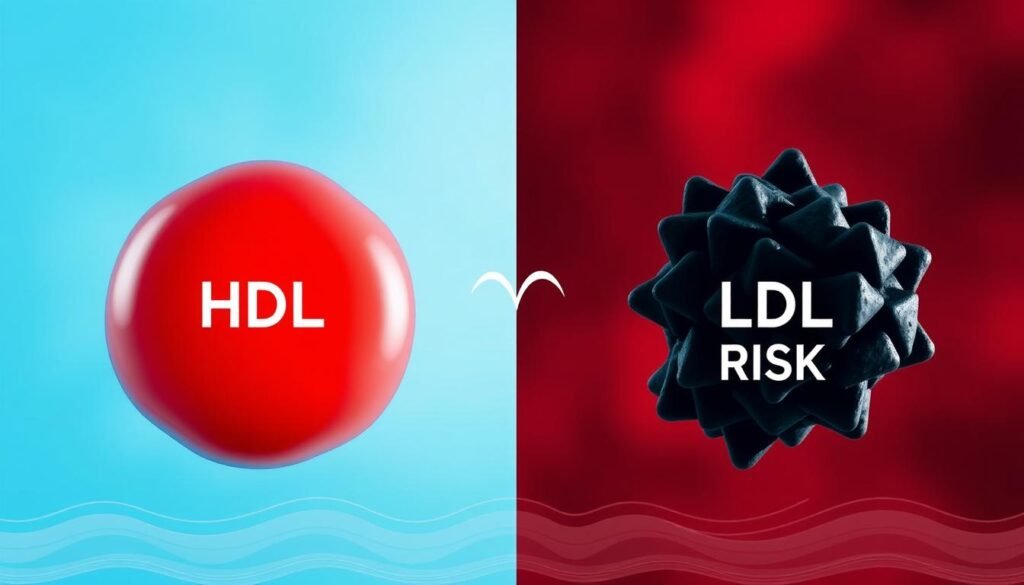
| Type of Cholesterol | Function | Health Implications |
|---|---|---|
| HDL (High-Density Lipoprotein) | Removes excess cholesterol from the bloodstream and transports it to the liver. | Higher levels can reduce the risk of heart disease and stroke. |
| LDL (Low-Density Lipoprotein) | Delivers cholesterol to cells; excess can lead to plaque buildup in arteries. | High levels increase the risk of heart disease and stroke. |
Healthy Levels of Cholesterol: What You Should Know
Keeping your cholesterol at a healthy level is key to preventing heart issues. It also helps with overall health, including your liver. The National Heart, Lung, and Blood Institute has set some cholesterol goals. For men, HDL should be 40 mg/dL or higher. Women need it to be 50 mg/dL or above. Lowering LDL to under 100 mg/dL is a must. And keeping total cholesterol below 200 mg/dL is ideal.
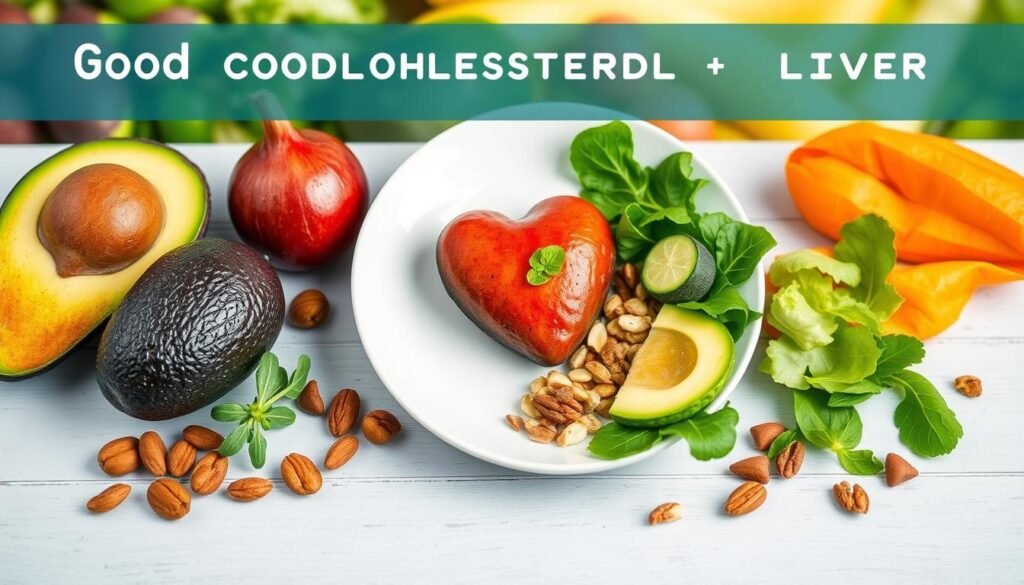
What you eat greatly impacts your cholesterol. Diet affects about 20% to 30% of your blood cholesterol. It’s not just the cholesterol in food, mainly from animals, that’s the problem. Saturated and trans fats are bigger issues for your cholesterol levels and liver health. You should eat less saturated fat, making up less than 5% to 6% of your daily calories. And stay away from trans fat altogether.
Eating plenty of soluble fiber helps too. You should aim for 10 to 25 grams each day to reduce LDL cholesterol. A diet full of fruits, veggies, grains, protein, dairy, and good fats keeps your cholesterol healthy. Use healthier oils like olive oil instead of butter or lard for better diet quality.
There are some good diet plans for managing cholesterol. You could try the Mediterranean Diet or the TLC diet, as suggested here. It’s important to check your cholesterol often. Many don’t show symptoms of high cholesterol. The American Heart Association advises adults to test every 4–6 years starting at age 20. Kids should be checked at 9–11 and again at 17–21.
Making the right food choices and changes in your lifestyle, along with regular check-ups, can really help keep your cholesterol in check. But, some may need medicine, like statins, if diet and lifestyle aren’t enough to lower their cholesterol to a safe level.
Liver Function Complications Affecting Cholesterol
Liver function problems can majorly change how cholesterol works in our bodies. Conditions like Nonalcoholic Fatty Liver Disease, cirrhosis, and drug-induced liver damage mess with the liver’s ability to manage cholesterol. This leads to various health issues.
Nonalcoholic Fatty Liver Disease (NAFLD)
NAFLD is widespread, especially among those who are overweight or have diabetes. It happens when too much fat is stored in the liver. This can mess up cholesterol levels. People with this condition often have high triglycerides and low HDL cholesterol. This increases their risk of heart diseases. It’s crucial to keep an eye on liver health in people with NAFLD. Learn more about the impact of liver issues on NAFLD.
Cirrhosis and Liver Damage
Cirrhosis damages the liver over time, hurting its ability to handle cholesterol. This often means less HDL cholesterol is produced. As cirrhosis gets worse, cholesterol levels typically drop. This link points out why it’s important to regularly check lipid levels in these patients.
Drug-Induced Liver Injury
Some medications can harm the liver, which affects cholesterol metabolism. People on these drugs might see a change in their liver function and lipid profiles. Knowing how meds impact liver health is key to avoiding problems and keeping cholesterol in check.
Effects of High Cholesterol on Liver Health
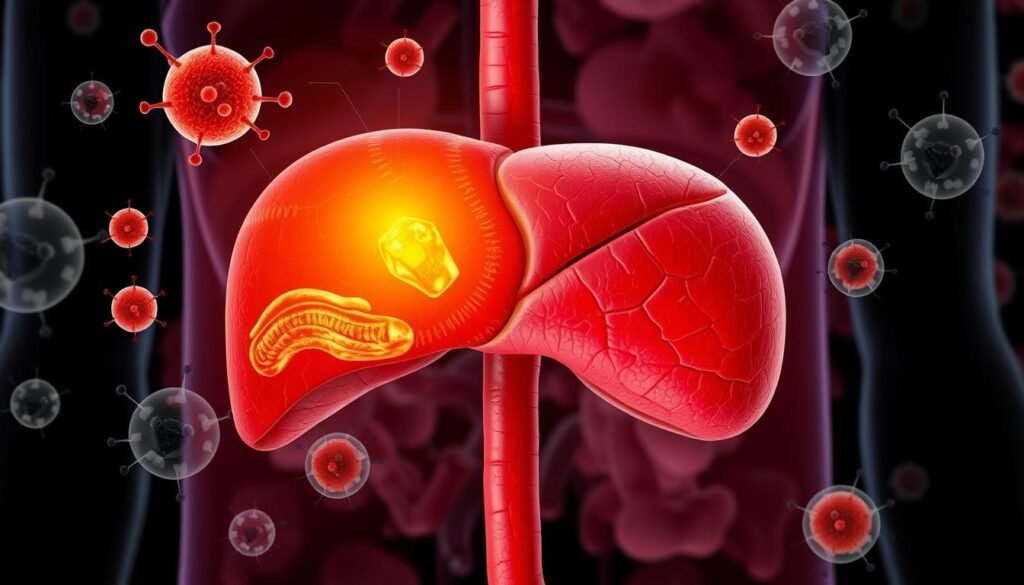
High cholesterol can really affect your liver. Studies show that too much LDL cholesterol might cause fatty liver diseases. Illnesses like Non-Alcoholic Fatty Liver Disease (NAFLD) and Non-Alcoholic Steatohepatitis (NASH) can emerge. If not managed well, these conditions can lead to even more liver problems.
Tests on mice showed worrying results from eating too much fat and sugar. Mice on a high-cholesterol diet had more liver fat and more inflammation. They also had more scar tissue than mice on lower cholesterol diets. Even after eating less cholesterol, the mice still showed lasting liver damage. This shows how important your diet is for your liver health. Check out more on the cholesterol impact on liver.
A genetic condition called familial hypercholesterolemia (FH) can also make liver problems worse. It causes really high cholesterol levels, even if you have no other risks. Plus, problems like kidney disease or hypothyroidism can mess with how your body handles cholesterol. This makes it hard for your liver to deal with too much cholesterol, leading to all kinds of liver issues.
Fatty liver disease is becoming more common because of high cholesterol. It’s even worse when tied to conditions like type 2 diabetes. More people getting this means more folks might face serious liver trouble. This can lead to very bad conditions such as cirrhosis and liver cancer. Eating a balanced diet with less bad fats is key to lower these risks.
| Health Risk | Description |
|---|---|
| NAFLD | A non-alcoholic condition characterized by excess fat in the liver. |
| NASH | An advanced form of NAFLD that includes liver inflammation and damage. |
| Cirrhosis | Severe scarring of the liver due to prolonged liver damage. |
| Hepatocellular Carcinoma | A type of liver cancer that can develop after cirrhosis. |
Natural Remedies for Maintaining Healthy Liver Function
Natural remedies can greatly help your liver stay healthy and manage cholesterol. Eating a variety of foods is key for liver health, providing vital nutrients. A Mediterranean diet is one good choice. It’s full of fruits, veggies, whole grains, beans, nuts, and healthy fats like olive oil.
Drinking enough water is crucial for liver health. Stay away from processed foods and too much sugar. Liver health might also improve with supplements, such as milk thistle.
- Coffee: Drinking at least three cups per day may lower the risk of cirrhosis in those with chronic liver conditions.
- Green Tea: Linked to reduced liver enzymes, especially beneficial for those with nonalcoholic fatty liver disease (NAFLD).
- Grapefruit: Contains antioxidants that reduce inflammation and may protect liver cells.
- Berries: Blueberries and cranberries show promise in improving hepatic steatosis.
- Omega-3 Fatty Acids: Found in fatty fish, these acids help lower liver fat and triglycerides.
- Olive Oil: Associated with improved blood levels of liver enzymes and reduced risk of fatty liver.
Adding these foods to your daily diet and exercising regularly can keep your liver in good shape. Focusing on natural remedies for liver health promises long-term rewards and better well-being.
| Food Item | Benefits |
|---|---|
| Coffee | Reduces risk of cirrhosis |
| Green Tea | Lower liver enzymes |
| Grapefruit | Reduces inflammation |
| Berries | Improves hepatic steatosis |
| Fatty Fish | Lowers liver fat and triglycerides |
| Olive Oil | Improves liver enzyme levels |
Liver Health and Cholesterol Management Strategies
Good cholesterol management strategies help keep the liver healthy. To better liver health, start with lifestyle changes. A diet low in saturated fats, with less than 7% of daily calories from this source, is key. It helps lower LDL or “bad” cholesterol, lowering liver disease risk.
Watching how much cholesterol you eat matters too. Try to keep it under 200 mg each day. Adding 10 to 25 grams of soluble fiber to your diet every day can block cholesterol from getting absorbed. Plus, eating 2 grams of plant sterols daily lowers cholesterol absorption even more.
Eating foods rich in omega-3 fatty acids, like fish and nuts, also benefits the liver. Don’t forget that keeping sodium under 2,300 milligrams daily helps control blood pressure. This can cut the risk of heart diseases affecting the liver.
If you drink alcohol, do so in moderation. Men should have no more than two drinks a day, and women should stop at one. This keeps your liver and overall health in check. Reading nutrition labels helps you know more about cholesterol and sodium in foods. This helps in making better diet choices for liver health.
| Strategy | Recommended Intake |
|---|---|
| Saturated Fat | Less than 7% of daily calories |
| Cholesterol | Under 200 mg per day |
| Soluble Fiber | 10 to 25 grams per day |
| Plant Stanols/Sterols | 2 grams per day |
| Omega-3 Fatty Acids | As recommended from various sources |
| Sodium | No more than 2,300 mg per day |
| Alcohol | Up to 2 drinks/day (men), up to 1 drink/day (women) |
It’s important to know how cholesterol affects heart and liver health. Making lifestyle changes and getting doctor’s advice can lower cholesterol. It reduces the risk of heart disease too. Don’t forget to talk to a health professional about a plan suited to your health needs. This will help keep your liver and heart healthy.
By following these steps, you can manage cholesterol for a healthier liver. Doing regular health checks and adopting proper cholesterol management strategies are beneficial. It will lead to a better quality of life in the long run.
Conclusion
Cholesterol and liver health are closely linked, highlighting their role in our overall health. The liver helps keep cholesterol levels in check. It does this through making and breaking down cholesterol. By keeping an eye on both, we can lower the risk of liver problems and boost our metabolism. Knowing how crucial liver health is, helps us make smart lifestyle choices.
To keep cholesterol at a good level, some changes in lifestyle are key. Eating heart-healthy foods, staying active, and not smoking make a big difference. These steps help manage cholesterol and support the liver. This boosts our life quality. If keeping cholesterol in line seems hard, it’s smart to talk to a doctor for advice.
Want to learn about managing cholesterol, especially lowering bad LDL cholesterol? Check out this helpful guide: how to lower it. Focusing on better cholesterol and liver health can greatly improve your health over time.