Did you know consuming 2 grams of phytosterols daily can cut LDL cholesterol by 8% to 10%? However, most Americans get only 160 to 500 milligrams each day. This is way below the 2 grams recommended for heart health. Cholesterol-lowering compounds, known as plant sterols and plant stanols, are great for your heart. They stop cholesterol from being absorbed in the intestines. This helps lower overall and LDL cholesterol levels. Experts agree it’s important to eat more phytosterol-rich foods or products. To learn more about how phytosterols improve heart health, check out this guide.
Key Takeaways
- Phytosterols can lower LDL cholesterol levels by 8-10% when consumed daily.
- Most adults consume only 160-500 mg of phytosterols, less than the recommended 2 grams.
- Incorporating phytosterol-rich foods into meals can help mitigate heart disease risk.
- Phytosterols and stanols can complement cholesterol-lowering medications like statins.
- Foods enriched with phytosterols can significantly aid in achieving the daily intake.
Understanding Phytosterols
Phytosterols are like cholesterol but can stop cholesterol from being absorbed during digestion. By fighting with cholesterol for absorption, they help in controlling cholesterol levels. They are divided into plant sterols and plant stanols.
Definition and Classification
Phytosterols come from plants and look a lot like cholesterol. This likeness lets them block cholesterol from being absorbed in the intestines. This can be very helpful for those wanting to cut down on cholesterol. Phytosterols are split into different types:
- 4,4-Dimethyl Phytosterols
- 4-Monomethyl Phytosterols
- 4-Desmethyl Phytosterols
Common Types of Phytosterols
There are several common phytosterols that are part of our diet. These include:
| Phytosterol Type | Dietary Percentage |
|---|---|
| β-Sitosterol | 65% |
| Campesterol | 30% |
| Stigmasterol | 3% |
| Plant Stanols (Sitostanol, Campestanol) | 5% |
Adding phytosterols and plant stanols to your diet can help manage cholesterol. Studies show that 2-3 grams a day can lower LDL cholesterol. For more information, check out the research on phytosterols.
The Importance of Cholesterol in the Body
Cholesterol is vital for making cells and hormones. It is found as either Low-Density Lipoprotein (LDL), which is the “bad” kind, or High-Density Lipoprotein (HDL), the “good” kind. Knowing about these helps keep your heart healthy.
Types of Cholesterol: LDL vs HDL
LDL cholesterol can cause heart problems. It makes plaque build up in arteries, leading to atherosclerosis. On the other hand, HDL cholesterol helps clean cholesterol from your blood. This lowers your heart disease risk. It’s important to keep these types balanced for your health.
Health Risks Associated with High LDL Cholesterol
High LDL cholesterol is risky. It can cause heart attacks and strokes by narrowing arteries. Checking your cholesterol levels helps manage this risk. Eating foods with phytosterols can keep LDL levels healthy, which is good for your heart.
| Cholesterol Type | Role in the Body | Impact on Health |
|---|---|---|
| LDL Cholesterol | Transport cholesterol to cells | High levels can lead to atherosclerosis and heart disease |
| HDL Cholesterol | Remove cholesterol from bloodstream | Protective effect, reduces heart disease risk |
How Phytosterols Work
Phytosterols help manage cholesterol by competing with it in our intestines. This lowers how much cholesterol we absorb. That helps reduce LDL, the “bad” cholesterol levels.
Mechanism of Action: Competing with Cholesterol
Phytosterols mix with fats in our digestive system. This reduces the cholesterol that enters our blood. Eating at least 2 grams of phytosterols a day can lower LDL by 8-10%. This is key for heart health.
Impact on LDL Absorption
Our bodies absorb less than 2% of phytosterols from food, unlike cholesterol’s 50%. This cuts down LDL cholesterol. Foods like pistachios, olive oil, and sunflower oil are good sources. For more tips, visit this resource.
Food Sources Rich in Phytosterols
Eating foods high in phytosterols brings big health perks, especially for managing cholesterol. Found in natural remedies, they help keep the heart healthy.
Natural Food Sources
Many functional foods have lots of phytosterols. They’re great for bettering blood fat levels. Here’s where you can find them:
- Nuts: These snacks have 95 to 271 mg of phytosterols per 100 g. Almonds have 161 mg, walnuts 143 mg, pistachios 271 mg, cashews 120 mg, and pecans 150 mg.
- Whole Grains: Flaxseed packs about 210 mg per 100 g. Wheat germ and rye bread are also good, offering 197 mg and 33 mg respectively.
- Fruits and Vegetables: They’re lower in phytosterols but still beneficial, with 10.2 to 70 mg per 100 g.
- Oils: Olive oil gives you about 30 mg per tablespoon.
Fortified Foods with Added Phytosterols
Some food makers boost their products with phytosterols for extra health benefits. You’ll find them in margarine, yogurt, and breakfast bars. These have 0.75 to 2 g of phytosterols per serving. Adding them to your diet can help lower bad cholesterol.
| Food Source | Phytosterol Content (mg per 100 g) |
|---|---|
| Almonds | 161 |
| Walnuts | 143 |
| Pistachios | 271 |
| Whole Grain Flaxseed | 210 |
| Wheat Germ | 197 |
| Rye Bread | 33 |
| Olive Oil | 30 (per tablespoon) |
Taking about 2 grams of phytosterols each day could lower LDL cholesterol by up to 10%. This makes these foods important for heart health. For more on cholesterol and its effects, check out this resource.
Health Benefits of Phytosterols
Phytosterols come from plants and bring many health benefits. They are great for our heart because they lower cholesterol. Scientists have found that eating foods with phytosterols reduces bad cholesterol, which is important for a healthy heart.
Cholesterol-Lowering Effects
The power of phytosterols to cut cholesterol is well-known. Taking about 2 grams daily can block some cholesterol from getting absorbed by our bodies. This helps lower the bad cholesterol and could lower the chance of heart disease.
Additional Health Benefits and Preventive Effects
Phytosterols don’t just fight cholesterol. They might also help with obesity and diabetes. They can boost our immune system and fight off inflammation, which may help prevent some cancers. Here’s a quick look:
- They can act as antioxidants to lessen the risk of heart disease
- They support our metabolism, which might help with weight management
- They might also reduce the risk of certain cancers
Recommended Daily Intake of Phytosterols
It’s important to know how much phytosterols you need each day. This helps keep your cholesterol in check. Experts have guidelines to make sure you get enough of these plant compounds through food.
Guidelines from Health Authorities
The FDA and the National Cholesterol Education Program recommend 2 grams of phytosterols daily for lowering cholesterol. But most Americans get only 160 to 500 milligrams a day. We need to boost our intake to meet these guidelines.
By understanding these recommendations, people may be more encouraged to eat foods high in phytosterols.
Meeting the Recommended Intake through Diet
You can get the right amount of phytosterols from natural and fortified foods. Look for vegetable oils, nuts, and seeds, as they’re great sources. Also, check out spreads and yogurts fortified with phytosterols.
Remember to read labels carefully to pick fortified products. Eating a diet rich in phytosterols is good for your health and keeps you in line with dietary guidelines.
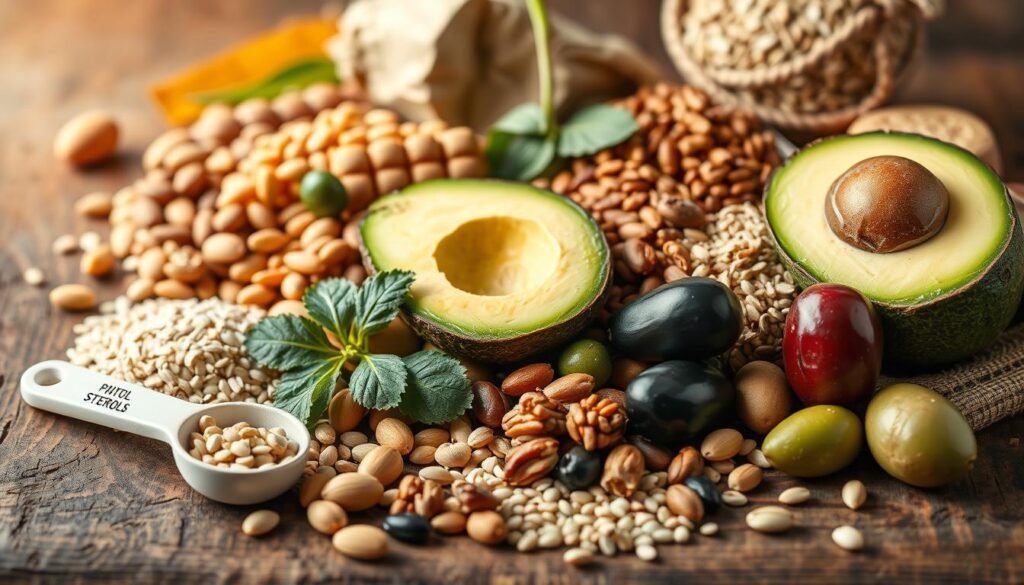
Creating a Heart-Healthy Diet
Building a heart-healthy diet is simple and fun. It’s about eating more phytosterols and keeping fats healthy. Choose whole foods full of nutrients to lower cholesterol and boost health.
Incorporating Phytosterols into Meals
To get phytosterols into your diet, focus on foods that have them naturally. Here are the best foods to eat:
- Vegetables (e.g., broccoli, carrots)
- Fruits (e.g., avocados, bananas)
- Whole grains (e.g., oats, brown rice)
- Legumes (e.g., beans, lentils)
- Certain oils (e.g., olive oil, canola oil)
Also, foods like margarine, orange juice, and cereals are fortified with phytosterols. They help you get the 2 grams a day you need. This can lower your bad cholesterol by 5 to 10%.
Balancing Unsaturated Fats and Fiber Intake
Unsaturated fats are also key for a heart-healthy diet. You can find them in nuts, seeds, and fish. They help manage cholesterol and keep your heart strong. It’s just as important to eat foods high in fiber. They help lower your cholesterol too.
To wrap up, a good diet for your heart has lots of phytosterols, healthy fats, and fiber. Stick to these tips for a healthier heart and lower risk of heart disease.
Risks and Considerations of Phytosterol Consumption
Phytosterol consumption helps with cholesterol management. But, not everyone should add them to their diet without thinking it through. It’s important to look into many factors before using phytosterols. This includes being aware of potential risks, necessary precautions, and side effects.
Who Should Avoid Phytosterols
People with sitosterolemia, a rare disorder, must not eat phytosterols. This condition leads to high plant sterol levels in the blood. This increases heart disease risks. Detecting and treating this early is crucial for good health. Those with very high cholesterol need to talk to doctors about phytosterol consumption.
Potential Side Effects and Interactions
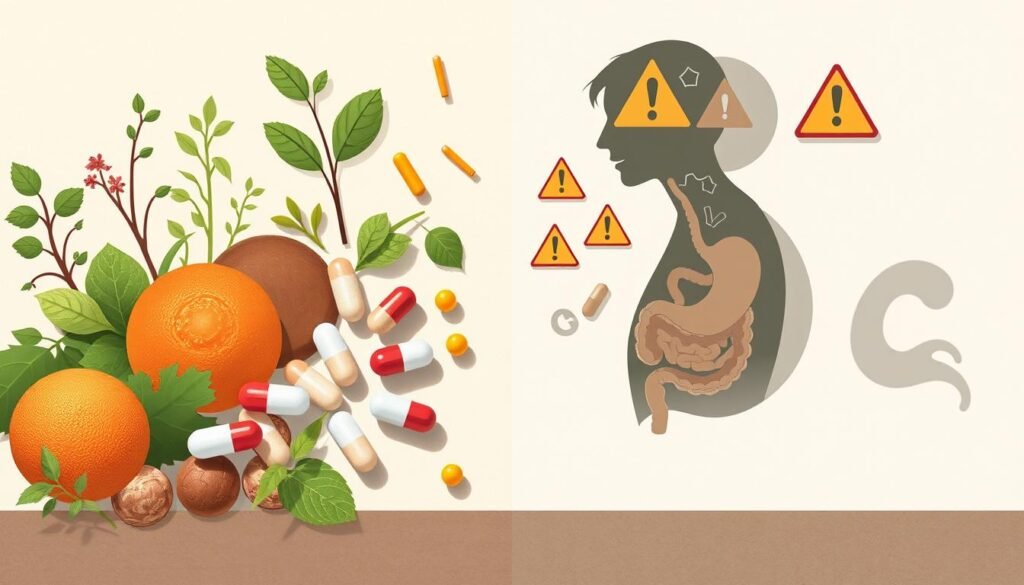
While many can handle phytosterols, some side effects can happen. These include stomach issues like bloating, diarrhea, or feeling sick, especially if you take a lot. Also, there might be issues when taken with certain drugs like statins. Statins change how the body makes and absorbs cholesterol and sterols. This shows why talking to a doctor before changing what you eat is key.
| Considerations | Notes |
|---|---|
| Health Conditions | Individuals with sitosterolemia should avoid phytosterols. |
| Possible Side Effects | Gastrointestinal issues may occur with high intake. |
| Medication Interactions | Statins may alter phytosterol absorption and effectiveness. |
| Professional Guidance | Consult healthcare providers before starting phytosterol use. |
Knowing these risks and considerations lets you safely add phytosterols to your diet. Talking openly with healthcare pros is key to understanding how phytosterols affect your health.
Phytosterols in Dietary Supplements
Phytosterols are becoming well-known for their role in helping to lower cholesterol. These plant compounds can be a big help, especially for those who can’t get enough from food. They come in various forms, giving options to everyone.
Types of Phytosterol Supplements
Phytosterol supplements come in different types, such as:
- Tablets: Easy to take and convenient for daily use.
- Capsules: Another popular form that allows for controlled dosages.
- Liquid: Often beneficial for those who prefer not to swallow pills.
- Fortified foods: Some functional foods have added phytosterols to enhance their health benefits.
Effectiveness and Safety of Supplementation
Phytosterol supplements are proven to lower cholesterol. Taking 2 grams daily can reduce bad cholesterol (LDL) by about 10%. People following a Mediterranean diet with phytosterols see even better results in their cholesterol levels.
Using these supplements safely is key, especially if you’re on medication or have health issues. Always talk to a doctor before starting them. With proper use, they pose no big risks. The FDA backs up their health benefits, showing they’re effective and safe for your heart.
Conclusion
Phytosterols are a promising, natural way to manage cholesterol. They can lower LDL cholesterol by about 10-15%. Adding phytosterol-rich foods or supplements to your diet can boost heart health. These compounds work well with lifestyle changes, improving cardiovascular wellbeing.
The interest in functional foods is growing, with over 300 million USD spent on phytosterol products each year. Many foods, like fortified cereals and margarine, contain phytosterols. These make it easy to get the suggested 2 grams a day for cholesterol control.
But, it’s wise to approach phytosterols carefully in some cases. For instance, the American Heart Association advises limited use, especially for people with familial hypercholesterolemia. It’s key to understand phytosterols to make smart dietary choices for your health. For more on phytosterols’ benefits and risks, click here.