A study by the University of Connecticut found something interesting. Healthy people do not face a higher risk of heart disease by eating more cholesterol. In fact, adding eggs to their diet may even be good for them. Despite the debates on cholesterol and eggs, recent studies challenge many cholesterol myths related to eating eggs and health. This article will shed light on these myths and explain how dietary choices affect our health, especially our heart.
Cholesterol is often seen as bad when we talk about heart health. But, it’s actually crucial for our body. It helps in making hormones. Understanding the nutritional value of eggs can help us make better food choices. This can support a heart-healthy lifestyle. This article will explore how cholesterol and eggs relate to each other. It aims to clear up misunderstandings about what current science shows.
Key Takeaways
- Healthy individuals may benefit from egg consumption without increased heart disease risk.
- Dietary cholesterol typically has a minimal impact on blood cholesterol levels.
- Most people can safely consume several eggs per week as part of a balanced diet.
- Egg yolks contain important nutrients that contribute to overall health.
- Studies show that eggs can support healthy cholesterol levels and potentially aid in heart health.
Understanding Cholesterol and Its Types
Cholesterol is a waxy substance in our blood that’s important for the body. It helps with hormone production and keeps cell membranes working well. Cholesterol comes in two main types: “bad” LDL and “good” HDL. LDL cholesterol can cause plaque to build up in arteries, which is unhealthy. HDL cholesterol helps remove LDL from the bloodstream.
It’s important to keep these two cholesterol types in balance for a healthy heart. Recent studies show eating eggs doesn’t necessarily raise heart disease risk if you eat healthy. The American Heart Association says it’s okay for healthy people to have one egg a day. Older folks might manage two eggs daily within a heart-smart diet.
Previously, people thought dietary cholesterol, like in eggs, was bad for heart health. New research shows the type of fats we eat matters more. Eating more unsaturated fats instead of saturated fats can lower “bad” LDL cholesterol. Experts now say healthy adults don’t need to limit dietary cholesterol too strictly.
Here’s a quick look at where cholesterol comes from:
| Source | Cholesterol Content (mg) |
|---|---|
| One large egg | 186 |
| Egg yolk | Approximately 200 |
| Cholesterol-free egg substitute (1/4 cup) | 0 |
| Processed cheese (1 slice) | 30 |
| Red meat (3 oz) | 70-90 |
People can have up to seven eggs a week without higher heart disease risk. But, those with diabetes should be careful and wait for more research. Egg whites or cholesterol-free products are good alternatives for avoiding dietary cholesterol.
Eggs: A Nutritional Overview
Eggs are a healthy choice, packed with vital nutrients for our well-being. Each medium egg gives you about 66 kcal, 6.4 g of protein, and 177 mg of cholesterol. The American Heart Association suggests keeping daily cholesterol intake under 300 mg. Given an egg’s cholesterol content, knowing the benefits of eating eggs is key for those watching their cholesterol.
Eggs fit well in a balanced diet, giving major health perks. They’re loaded with vitamin D, selenium, choline, and riboflavin. These support our body’s functions. Eggs are particularly high in choline, with 285 mg per 100 g, making them exceptionally beneficial.
Research shows eating two to three eggs a day doesn’t badly affect cholesterol levels. Our bodies make about 75% of the cholesterol we need. So, the cholesterol from eggs only adds to 25%. This informs us that eggs, in moderation, are part of a heart-healthy diet.
| Nutrient | Per Medium-Sized Egg |
|---|---|
| Calories | 66 kcal |
| Protein | 6.4 g |
| Total Fat | 4.6 g |
| Cholesterol | 177 mg |
| Vitamin D | 10% DV |
| Choline | 285 mg |
It’s essential to talk about the healthy fats in eggs. Eggs have fats that are good for the heart. Matching them with monounsaturated fats from olive oil and avocados is great. A Mediterranean diet, rich in such foods, lowers heart disease risks. This shows the importance of overall diet patterns.
The Truth About Cholesterol and Eggs
For years, people have debated the link between eggs and cholesterol. Early research suggested that eggs might harm heart health. This was because of studies like Nikolai Anitschkow’s on rabbits, not humans. Because of this early work, many thought eggs were bad for us.
This caused folks to eat fewer eggs, even though they are nutritious. But things are changing. Now, experts say we should rethink this. They believe eggs can be good for most of us.
Historical Perspectives on Dietary Cholesterol
People used to be scared of eggs because they have cholesterol. One egg has about 186 mg of cholesterol. That’s close to the 300 mg limit advised for many. So, people thought they should not eat eggs at all.
But recent advice is different. It says we may have been too strict. Now, we’re told that eggs can be part of a healthy diet.
Current Scientific Consensus
Nowadays, experts think eggs are not as bad as once believed. Studies show we can eat up to seven eggs a week safely. Eating more eggs might even make our diets healthier.
But, people with diabetes should still be careful. However, most of us can enjoy eggs. And if you’re worried about cholesterol, just eat the egg whites. They don’t have any cholesterol.
Want to know more about eggs and nutrition myths? Visit this site to learn more.
Cholesterol Myths and Misconceptions
Many people believe myths about eggs and cholesterol. These myths can affect what we choose to eat. It’s important to clear up these wrong ideas. This helps everyone make better food choices. Especially since many think eggs cause heart disease. We need to understand the truth about eggs and our health.
Common Myths Surrounding Egg Consumption
A common myth is that eggs cause high cholesterol and heart disease. But, it’s not just about cholesterol in our food. Things like saturated fats are more to blame. Studies show eating an egg a day doesn’t hurt most people’s cholesterol levels. We must get the facts right. This stops myths from affecting our food choices.
How Misunderstandings Have Impacted Dietary Guidelines
The wrong ideas about eggs changed official eating advice. For a long time, eggs were seen as bad for heart health. Now, research shows moderate egg eating is okay. It suggests we may need to think again about past advice. Misunderstandings about cholesterol are still common.
Having the right diet is key to good heart health. We should keep our cholesterol at healthy levels. For tips on managing cholesterol with diet, visit this resource.
Egg Consumption and Health: What Does Research Say?
Recent studies have focused on eggs and health. Most research shows that eating one egg daily does not link to higher blood cholesterol or cardiovascular risk. This is true for people in Japan and the U.S. In Japan, eggs are a big part of the diet. They make up about half of the dietary cholesterol. But in the United States, eggs don’t add much cholesterol to the diet.
Recent Studies on Egg Intake
Observational studies have given us some interesting facts. For Japanese adults, eating eggs every day didn’t increase deaths from heart disease. But, eating more than two eggs daily was linked to higher overall death rates and cancer in women, not men. The NIPPON DATA studies show that blood cholesterol in Japan might be rising because of changing eating habits, not just eggs.
Fortified Eggs and Their Benefits
Fortified eggs are getting popular because they are more nutritious. They have extra vitamins and omega-3s, which are good for your health. While eating a lot of eggs can raise cholesterol, moderate consumption might be beneficial. Eating 2 to 7 eggs a week could increase good cholesterol and lower the risk of metabolic syndrome. Fortified eggs provide important nutrients without the risks tied to regular egg consumption.
The Relationship Between Egg Yolk and Cholesterol Levels
The topic of egg yolks and their effect on cholesterol levels is widely discussed. Egg yolks are rich in dietary cholesterol. This has sparked debate about their impact on heart health. It’s important to understand how dietary cholesterol influences blood lipid levels. Knowing this, people can choose their foods wisely.
Understanding Dietary Cholesterol Impact
There’s a lot of research on dietary cholesterol and health. A big egg yolk has about 275 mg of cholesterol. This is more than the advised amount of less than 200 mg per day. Such numbers show how eating habits could raise LDL cholesterol levels. Studies involving 17 randomized trials found egg eaters had higher LDL-c/HDL-c ratios. They had an 8.14 mg increase in LDL cholesterol levels on average. This shows dietary cholesterol’s big impact, especially on those with conditions like diabetes.
The Role of Other Nutrients in Egg Yolks
Egg yolks aren’t just about cholesterol. They’re packed with nutrients like choline and fatty acids. Choline is vital for brain health and metabolism. The fatty acids in egg yolks can help offset cholesterol’s effects. This makes egg yolks a valuable part of diets, if eaten in moderation.
Egg Nutrition Facts: What You Should Know
Eggs are full of essential nutrients, which makes them a great food choice. They have a lot of health benefits. Both the egg whites and yolks are good for you in different ways.
Vitamins and Minerals Found in Eggs
Eggs are loaded with important vitamins and minerals. These nutrients are key to staying healthy. Some of the main ones include:
- Vitamin D: Helps your body absorb calcium for stronger bones.
- Vitamin B2 (Riboflavin): Boosts energy production and helps cells work right.
- Vitamin B12: Needed for making red blood cells and for brain function.
- Selenium: An antioxidant that manages metabolism and boosts the immune system.
Health Benefits of Egg Whites vs. Yolks
Egg whites are mainly protein and have very little fat. They’re great for increasing protein intake without adding fat. This is good for weight control.
Yolks, meanwhile, pack most of an egg’s vitamins and minerals. They also have healthy fats and choline. Choline may help reduce the risk of some cancers if eaten in moderation.
| Nutrient | Egg White (1 Large) | Egg Yolk (1 Large) |
|---|---|---|
| Calories | 17 | 55 |
| Protein (g) | 3.6 | 2.7 |
| Total Fat (g) | 0.1 | 4.5 |
| Cholesterol (mg) | 0 | 186 |
| Vitamins | Minimal | Rich in A, D, E, B12 |
| Selenium (µg) | 0.3 | 15.6 |
Choosing between egg whites and yolks depends on your health goals. Both parts of an egg have unique benefits. This makes eggs a great food for many diets.
Cholesterol-Rich Foods: Their Impact on Heart Health
Foods high in cholesterol, like eggs, red meat, and full-fat dairy, spark much debate. It’s key to understand their role to choose wisely for heart health. The type and amount of these foods matter for your heart over time.
Comparative Analysis of Other Cholesterol-Rich Foods
Eggs often get a lot of focus when we talk about cholesterol. But many common foods are also high in cholesterol. Here’s a closer look at some of these foods:
| Food Item | Cholesterol Content (mg) | Serving Size |
|---|---|---|
| Large Egg Yolk | 275 | 1 yolk |
| Hardee’s Monster Thickburger | 290 | 1 burger |
| Full-Fat Cheese (Cheddar) | 30 | 1 oz |
| Salami | 60 | 1 oz |
| Bacon | 30 | 1 slice |
Seeing the cholesterol in these foods shows why moderation is important. A smart approach to heart health looks at the types and amounts of cholesterol. This approach is based on updated dietary guidelines.
The Bigger Picture of a Balanced Diet
Heart health is not just about watching cholesterol. Eating lots of fruits, veggies, whole grains, and lean proteins is also crucial. While keeping an eye on cholesterol matters, we should consider our diet as a whole. Studies show eating too much cholesterol may increase heart disease risk.
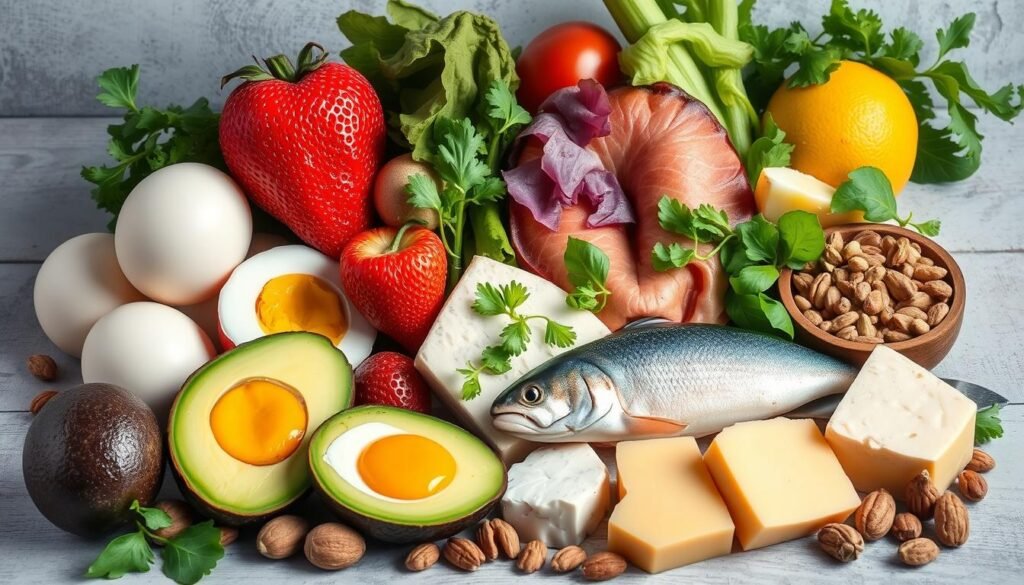
Choosing wisely among high-cholesterol foods can improve heart health. A varied and balanced diet, with controlled cholesterol, promotes heart wellness in the long run.
Eggs and Heart Health: A Complicated Relationship
The connection between eating eggs and heart health is complex. Many studies offer different views on this matter. They show that cholesterol from eggs might affect heart health. This reveals how individual reactions to dietary cholesterol vary.
How Egg Consumption Affects Cardiovascular Disease Risk
Studies provide important data on eggs and heart disease risk. Eating just a half egg more each day can up cardiovascular disease risk by 6 percent. Moreover, consuming an extra 300 milligrams of cholesterol daily boosts this risk by 17 percent. It also raises the chance of dying early from any cause by 18 percent. Since one egg yolk has about 185 milligrams of cholesterol, eating more eggs can increase heart disease dangers.
The Role of Genetics in Cholesterol Absorption
Our genes significantly influence how we handle dietary cholesterol. Some individuals can absorb more cholesterol, leading to higher LDL cholesterol levels. Certain studies found that even lean, healthy people saw their LDL cholesterol levels rise after eating eggs. Genetics and eating habits together show why egg consumption risks differ among people. For deeper insight, consider this detailed study on eggs and heart disease risks.
| Study Year | Findings | Population | Risk Percentage |
|---|---|---|---|
| 2019 | No increased risk in egg consumers | Randomized Trials | 0% |
| 2020 | Lower risk for coronary artery disease | Population Study | Varied |
| 2021 | Higher risk with increased egg consumption | Half a Million Adults | 8% increase in early death |
| 2022 | Association with higher LDL levels | Meta-Analysis | Significant increase |
Moderation is Key: Recommendations for Egg Consumption
Eating eggs in the right amounts is crucial for staying healthy. They fit well into a good diet. But it’s important to know how many eggs to eat, especially if you have health issues.
Health Expert Guidelines
The 2015 Dietary Guidelines for Americans no longer limit cholesterol from foods. This means eating an egg a day is okay for most people. Studies, like one from the Physicians’ Health Study, say an egg a day won’t harm your heart.
However, people with diabetes might increase their risk of heart disease by eating eggs daily. If you have diabetes and heart disease, eat no more than three egg yolks a week. The American Heart Association recommends one egg or two egg whites in your diet. Egg whites are great for lowering cholesterol.
Alternatives to Whole Eggs
If you’re watching your cholesterol or worried about heart health, try plant-based proteins. Foods like nuts, seeds, and whole grains can lower heart risks more than red meat or eggs. It’s wise to talk to a doctor or nutritionist about how many eggs you should eat. They can give advice based on your health.

Future Research Directions on Cholesterol and Eggs
The study of cholesterol continues to change, highlighting the need for bigger, in-depth trials. So far, research has shown us important details. However, the way cholesterol from foods like eggs affects our health is complex. To truly understand, we must keep investigating, focusing on different people and how they eat.
The Need for Larger Clinical Trials
Most studies so far haven’t included many people. This makes it hard to say if their results apply to everyone. One large study, with over half a million people, found links between eating eggs and health. But we need more research with even more people to be sure. Looking at these studies over many years will help us understand better, especially across different groups.
Ongoing Research Areas of Interest
Studies on eggs that are enhanced to be healthier look promising. For example, the PROSPERITY trial with 140 people found that these eggs could lower bad and good cholesterol. Looking into how these eggs affect various people is key. Also, exploring egg alternatives and their impact on health and disease is getting more attention.
Research is also focusing on other foods high in cholesterol, like poultry and fish. It’s important to see how they fit into a healthy diet. What’s more, diets in different parts of the world respond differently to cholesterol. This makes international research vital for understanding how best to eat eggs.
| Study | Participants | Findings |
|---|---|---|
| PROSPERITY Trial | 140 | Reduced LDL and HDL cholesterol in the fortified egg group |
| NIPPON DATA 80 | Varied | Positive association between egg consumption and blood cholesterol in women |
| NIPPON DATA 2010 | Varied | No association between egg consumption and blood cholesterol levels |
| INTERLIPID Study | 2,500 | Higher dietary cholesterol linked to increased LDL in specific populations |
Conclusion
Eggs and cholesterol have a complicated relationship. Studies show eggs are full of important nutrients. However, eating too many can raise cholesterol levels. Eating 1-3 eggs daily might increase LDL cholesterol. This boost in cholesterol can lead to higher heart risks. Also, each extra egg could raise the chances of dying from heart disease or cancer.
People should think about their own health before eating lots of eggs. Because of the different risks, it’s smart to eat eggs in moderation. Talking to a doctor can also help. They can offer advice on cholesterol and eating right. This helps in making a diet that’s good for you.
So, eggs can be part of eating healthily, but it’s important to be cautious. Understanding their effect on cholesterol and mortality is key. Stay updated on research to make the best food choices for your health needs.