60% of the human brain is made up of fat. This fact challenges the idea that all dietary fats are bad. Over time, many people have gotten the wrong idea about fats, avoiding these important nutrients. But it’s key to know: dietary fats play a vital role in our health, helping us make better food choices. As experts clear up these fat myths, it’s clear fats can be good for us if eaten in smart ways.
It’s a fact that not all fats are the same. We should eat less saturated fats, but good fats like monounsaturated and polyunsaturated fats are good for our hearts and metabolism. This article busts common myths about fats to help you eat better. For more on healthy fats, check out this detailed guide. Understanding these myths is crucial for a healthy and balanced diet.
Key Takeaways
- Not all fats are unhealthy; healthy fats like monounsaturated and polyunsaturated fats offer numerous health benefits.
- Limiting saturated fats from sources such as red meat can reduce health risks.
- Low-fat diets may lead to nutrient deficiencies and are not the best choice for health.
- Healthy fats support the absorption of essential vitamins and hormone production.
- The brain’s high fat content underlines the importance of incorporating beneficial dietary fats.
- Moderate or high-fat diets can aid in weight loss effectively, similar to low-fat diets.
- Understanding different dietary fats is vital for maintaining a balanced diet.
Understanding Dietary Fats: The Basics
Healthy fats are important and come in four types: saturated, trans, monounsaturated, and polyunsaturated fats. Each one has a role in our health and nutrition. While saturated and trans fats are solid at room temperature, monounsaturated and polyunsaturated fats are usually liquid.
Fats give us a lot of energy, with 9 calories in each gram. This is more than the 4 calories you get from proteins and carbs. That’s why it’s important to watch how much fat you eat, to keep your diet balanced. Eating too much saturated and trans fats can up your bad cholesterol and raise heart disease risk. On the other hand, monounsaturated and polyunsaturated fats can lower bad cholesterol and help your heart.
Experts say to eat less saturated and trans fats and choose healthier fats instead. Foods like olive oil, avocados, nuts, and fish are good for your heart. They contain omega-3 and omega-6 fatty acids, which are great for avoiding heart disease.
Some foods say “0 trans fat” on the label, but you should still check for saturated fat. Even with these, you can still manage to keep your cholesterol in check. Balance is key. You can still enjoy your fave foods in a healthy way. The Dietary Guidelines for Americans suggest keeping saturated fat to less than 10% of your daily calories.
Common Myths About Fats
The world of dietary fats is complex, full of widespread misconceptions. These myths have shaped how we think about what we eat for many years. Many believe all fats are bad, not knowing the difference between good and bad fats.
This confusion comes from old guidelines that told people to avoid fats. For example, some think eating fats means gaining weight. This overlooks other factors that affect weight. It’s important to understand not all fats are the same. Healthy fats, like those in avocados and nuts, are good for us.
Also, saying all saturated fats are always bad is too simple. Research now shows us a more detailed view of saturated fats and health. This discussion aims to clear up these fat myths, highlighting a diet that’s good for the heart.
Staying informed about what we eat is key. To learn more about cholesterol and heart health, check out reliable sources online.
Myth 1: All Fats Are Unhealthy
Many people wrongly believe all fats are bad for them. But, not all fats harm us. In fact, choosing the right kinds of fats is essential for our health.
Healthy fats are vital for our heart and brain. They help us make smarter food choices.
The Benefits of Healthy Fats
Not all fats are created equal. Monounsaturated and polyunsaturated fats are good for us. They can lower bad cholesterol and cut heart disease risk.
These fats are also key for brain function and cell health. Eating foods high in these fats improves our well-being.
Sources of Healthy Fats
There are many tasty sources of healthy fats. Top choices include:
- Avocados
- Nuts, such as almonds and walnuts
- Seeds, including chia and flaxseeds
- Fatty fish like salmon and mackerel
- Olive oil, a staple in many Mediterranean diets
We should keep saturated fats low, especially those from processed and full-fat dairy items. But, it’s important to include healthy fats in our diet. For heart-smart eating tips, check out this resource.
Myth 2: Eating Fat Causes Weight Gain
Some people think eating fat makes you gain weight. This common idea misses the bigger picture of weight control. Many things, like genes, lifestyle, and social status, affect weight. To really get healthy eating, we need to see all these factors.
Complex Factors Influencing Body Weight
Managing weight isn’t just about calories in and out. Food affects our bodies differently, depending on what it has in it. For example, 100 calories of sugar might make you tired and hungry again quickly. But, 100 calories of protein can help keep you energized. This shows not all calories are the same.
Dr. Frank Sacks from Harvard University says many still wrongly fear all fats. He notes, “There’s still this misconception that eating fat—any kind of fat—is bad, that it will lead to heart attacks or weight gain.”
The Role of Dietary Fats in Weight Management
Adding healthy fats to your diet can actually help with weight control. Fats help with getting vitamins and keeping you full longer. Eating things like avocados, almonds, and beans can help. Plus, foods with less fat often have more sugar and carbs, which isn’t great for you.
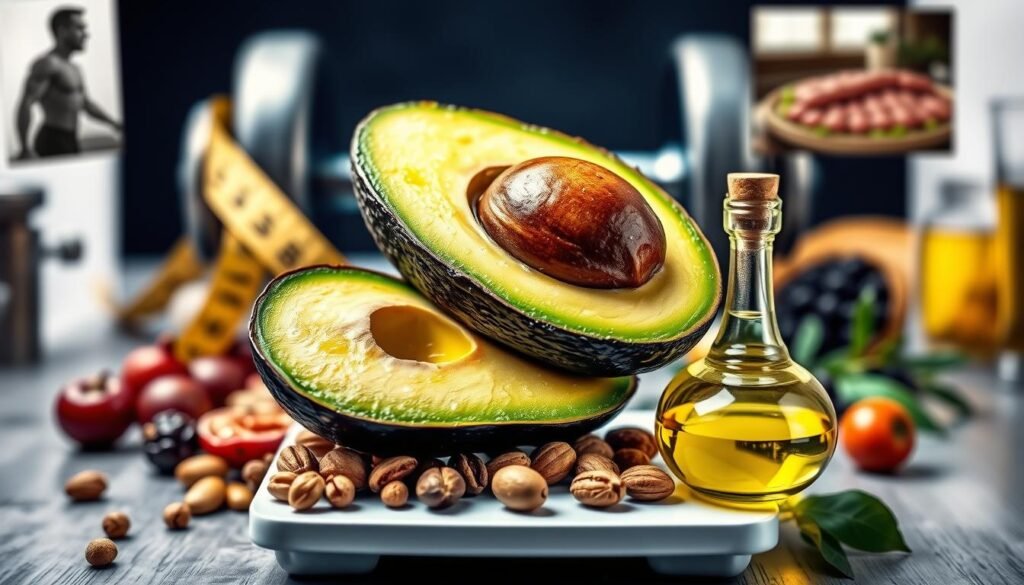
Avoiding all fats doesn’t mean you’ll manage your weight well. It’s important to know how fats fit into eating healthy. By choosing healthy fats wisely, you can do better at controlling your weight. It’s all about balance.
Myth 3: Saturated Fats Are Always Harmful
Many people think saturated fats are bad, mainly because of old dietary rules. Nuanced perspectives on saturated fats show they’re not all dangerous if eaten right. The American Heart Association says to keep saturated fat under 5-6% of daily calories. Yet, foods like coconut oil might be good for us.
Nuanced Perspectives on Saturated Fats
Research says eating lots of saturated fats might up heart disease risk factors. But, a study in 2020 saw no clear tie between saturated fat and heart disease. These fats affect “bad” LDL and “good” HDL cholesterol in complex ways. The key is eating them in moderation to stay healthy.
Food Sources of Saturated Fats
It’s important to know food sources of saturated fats for a balanced diet. They’re found in:
- Red meat
- Full-fat dairy products
- Coconut oil
- Processed meats
To keep meals tasty and healthy, mix in fats from olive oil, avocados, and fatty fish. This way, you enjoy different foods without harming your health. Find more about dietary fats by checking this resource.
Myth 4: Low-Fat and No-Fat Diets Are Best
Many people still think eating low-fat is the way to go. This leads them to eat too restrictively. Fats are essential for our health. They help us absorb important vitamins like A, D, E, and K.
Fats are also key for balancing hormones and keeping cells healthy.
The Importance of Dietary Fats for Health
Fats are crucial for our bodies. They give us energy, help us take in nutrients, and are part of our metabolism. Eating unsaturated fats, found in avocados, nuts, and olive oil, is good for our hearts.
Not eating enough fat can cause health issues. It means we might not get enough nutrients.
Consequences of Extreme Low-Fat Diets
Eating too little fat is bad for us. It can lead to not getting enough essential fatty acids. This can affect our brains and hormones.
Low-fat diets can cause several problems, such as:
- Fat-soluble vitamin deficiencies
- Hormonal imbalances
- Reduced energy levels
- Impaired immune function
It’s better to balance our diet instead of cutting out fats completely. Moderation is key. This helps us stay healthy without falling into the traps of low-fat eating trends.

Dispelling Fat Myths: The Truths About Dietary Fats
It’s important to clear up myths about fats to choose foods wisely. Not all fats are bad. In fact, while trans fats can be harmful, leading to diseases like diabetes and heart problems, other fats are essential for our health.
Studies show eating a lot of saturated fats may cause heart disease. So, it’s suggested to limit these fats to about 20 grams in a 2,000 calorie meal plan. This helps keep the heart healthy and cholesterol in check.
On the other hand, fats like polyunsaturated and monounsaturated are good for us. Omega-3 and omega-6, types of polyunsaturated fats, protect our hearts. And monounsaturated fats, found in avocados, nuts, and some oils, help lower bad cholesterol, making our hearts stronger.
- Dietary fats support energy production, vitamin absorption, and cellular structure.
- Low-fat and fat-free products often have added sugars or thickeners to improve taste.
- Individual dietary fat needs vary based on personal health goals and activity levels.
Understanding fats means knowing the difference between good and bad ones. This knowledge helps us create a balanced diet for better health over time.
Facts About Healthy Fats
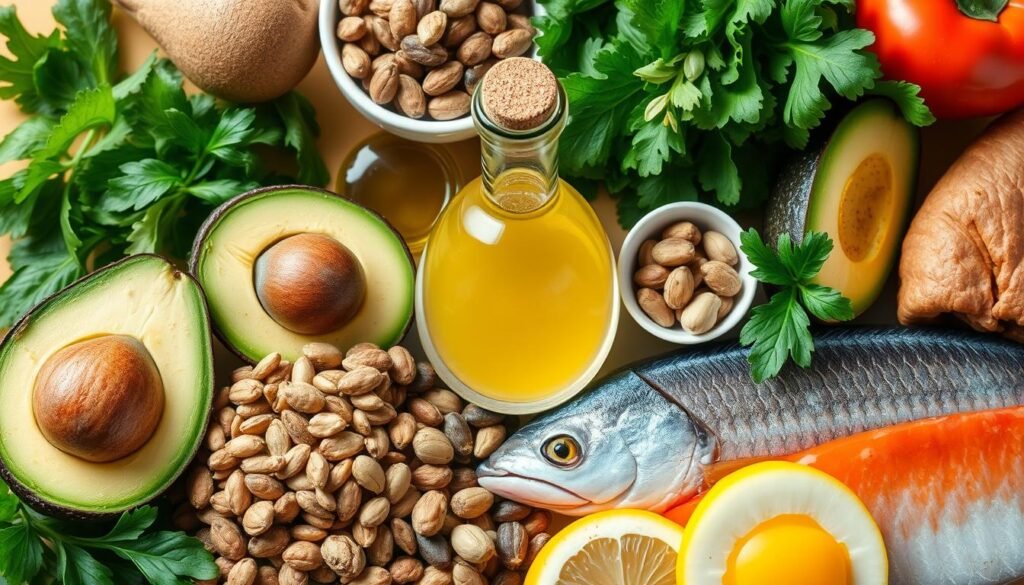
Learning about healthy fats shows they are good for the heart and overall health. Foods like olive oil, grains, fish, and nuts are part of this. They contain fats that lower cholesterol and are part of the Mediterranean diet. This diet lowers heart disease rates.
Omega-3 and omega-6 fats are crucial for the body. They are in fish, nuts, seeds, and oils. These fats fight inflammation and boost health.
We must watch how much saturated fat we eat. Instead of butter, try spreads with unsaturated fats. Choose lean meats over those high in saturated fat. Too much saturated fat is not good, but olive oil has less. Eat less saturated fat for better cholesterol management, says the American Heart Association.
Diets rich in unsaturated fats can lower bad cholesterol and increase good cholesterol. They can lead to weight loss, much like low-fat diets. Rather than avoiding all fats, cut down on refined carbs and sugars. These contribute to heart disease and diabetes.
| Type of Fat | Saturation Level | Key Foods | Health Benefits |
|---|---|---|---|
| Monounsaturated | Low | Olive oil, nuts, avocados | Improves heart health, lowers LDL cholesterol |
| Polyunsaturated | Low | Oily fish, flaxseeds, walnuts | Reduces inflammation, supports brain health |
| Saturated | High | Butter, cheese, red meat | Should be consumed in moderation; raises LDL cholesterol |
Clarifying Fat Misconceptions
Understanding dietary fats can be complicated, often simplified too much by myths. It’s vital to clear up these myths for better food choices. For instance, eating just animal foods adds to high levels of bad fats and cholesterol. This raises the chance of heart disease. It shows why it’s important to find better sources of fats.
Talking about fats shouldn’t just be about how much we eat, but also what kind we consume. Foods like olive oil, avocados, and fatty fish have good fats. These fats help keep our hearts healthy. Studies say while bad fats increase both good and bad cholesterol, good fats have a more balanced effect. Unlike trans fats, which only raise bad cholesterol.
Many don’t see the value in adding plant-based proteins like soy to their meals. Yet, research says soy is safe for most and might even protect against some cancers. But, we should eat processed foods, full of sweeteners and additives, less often. Instead, we should eat more whole grains and fresh veggies.
Our eating habits play a big role in our health. Too many people in the U.S. don’t eat enough fruits and veggies. This leads to more obesity and diabetes. Finding balance is key. For example, people once believed margarine was better than butter. Now, we know margarine has fats that aren’t as healthy. On the other hand, butter from grass-fed cows has good fats that fight inflammation if you don’t eat too much.
Getting the facts straight about fats helps us welcome them into our meals the right way. Watching how much and what we eat makes us healthier. Everyone has different needs, so moderation and variety are crucial. This way, we avoid baseless fears about fats.
Conclusion
Understanding the truth about dietary fats is key for a healthier diet. This article showed us the good in unsaturated fats versus the bad in saturated and trans fats. Knowing fats are not all bad helps us choose better for our health and wellness.
Health organizations like the World Health Organization and the American Heart Association have guidelines. They say adults should get 20% to 35% of their calories from fat. But, keep saturated fat under 10%. Adding good fats, like those in olive oil and fatty fish, is great for our health over time.
Learning about fats helps us make smarter food choices and improve our health. It also lets us help others eat better. Together, we can change how people think about fats and health.