About 95 million US adults have high cholesterol. This large number shows a big need for effective high cholesterol treatments. These treatments can lower the risk of heart attacks and strokes. Focusing on managing bad cholesterol, or LDL, is important. Learning about the different ways to treat high cholesterol is key. This knowledge lets people take charge of their heart health. They can choose from lifestyle changes or medications.
Key Takeaways
- High cholesterol impacts nearly 95 million adults in the U.S.
- Effective management involves both lifestyle changes and medications.
- Understanding LDL cholesterol is crucial for reducing cardiovascular risks.
- Regular monitoring can help tailor a personalized treatment plan.
- Statins remain one of the most commonly prescribed cholesterol medications.
- Medications can be paired with dietary and lifestyle modifications for optimal results.
What is High Cholesterol?
High cholesterol means you have too much cholesterol in your blood. This condition mainly shows too much low-density lipoprotein (LDL) cholesterol. LDL is known as the “bad” cholesterol because it can build up in arteries. High LDL levels can lead to heart diseases and strokes.
A lipid panel test checks your cholesterol levels. It measures total cholesterol, LDL, high-density lipoprotein (HDL), and triglycerides. The CDC suggests having a total cholesterol near 150 mg/dL. They say LDL should be around 100 mg/dL. Also, HDL should be 40 mg/dL for males and 50 mg/dL for females. Knowing how to treat high cholesterol is key for better health.
Treating high cholesterol might mean changing your diet or exercising more. Sometimes, that’s not enough, and you might need medication. Statins are drugs that can lower LDL and might raise HDL. It’s important to check your cholesterol levels often. This helps you know if your treatment works. For more about treating high cholesterol, click this link.
Understanding Treatment Options for High Cholesterol
Managing high cholesterol is key to preventing heart diseases. Strategies to lower LDL cholesterol levels are essential. Let’s look at why targeting LDL cholesterol and regular check-ups matter.
Importance of Lowering LDL Cholesterol
Lowering LDL cholesterol is very important. High LDL levels can lead to heart disease and stroke. There are different ways to effectively lower your cholesterol:
- Statins help by reducing LDL and triglycerides, and they might slightly up your HDL. But, they can cause muscle pain and raise blood sugar levels.
- Ezetimibe works by stopping cholesterol from being absorbed. It lowers LDL but might cause stomach pain and tiredness.
- PCSK9 inhibitors, such as Alirocumab, are great for lowering LDL, especially in those with genetic cholesterol issues.
- Bempedoic acid cuts down LDL levels and could lead to muscle spasms.
- Bile acid sequestrants like Cholestyramine can lower LDL and bump up HDL.
- Combination treatments, like Ezetimibe-simvastatin, are effective in decreasing LDL and triglycerides and may increase HDL.
Monitoring and Assessing Cholesterol Levels
Keeping an eye on your cholesterol levels helps see if treatments work. Blood tests are tools for doctors to check your lipid levels and customize your care.
Here’s how ongoing checks are done:
- Blood tests look for total cholesterol, LDL, HDL, and triglycerides.
- Doctors assess if medicines and lifestyle changes are working.
- Watching cholesterol levels over time helps adjust treatments as needed.
Understanding the need to lower LDL cholesterol and keeping track of levels can lead to better heart health. With the right management, the risk of heart conditions can be significantly lowered.
Types of Cholesterol and Their Impact on Health
Knowing the different types of cholesterol is key for heart health. We have LDL cholesterol, called ‘bad’ cholesterol, and HDL cholesterol, known as ‘good’ cholesterol. Recognizing their roles is important for your cardiovascular wellbeing.
LDL Cholesterol: The ‘Bad’ Cholesterol
LDL cholesterol can lead to plaque buildup in arteries. This increases the risk of heart problems. Over fifty years of research shows lowering LDL can cut heart attack and stroke rates. Keeping LDL in check is crucial for your heart’s health.
HDL Cholesterol: The ‘Good’ Cholesterol
HDL cholesterol helps move LDL cholesterol out of arteries. High HDL levels mean a lower heart risk. To raise HDL, exercise regularly, eat well, and keep a healthy weight.
Triglycerides: Their Role in Cholesterol Levels
Triglycerides are also key in blood lipids. High levels, over 886 mg/dL, increase pancreatitis risk. People with mild hypertriglyceridemia might use high-dose fish oil to lower heart and stroke risks. It’s important to control triglyceride levels for better heart health.
Lifestyle Changes for Cholesterol Control
Making changes to how you live is key to managing cholesterol well. Eating a heart-healthy diet, staying active, and keeping a healthy weight are important. These steps can greatly improve your heart’s health.
Heart-Healthy Diet Recommendations
A heart-healthy diet includes fruits, veggies, whole grains, and healthy fats. It’s important to eat foods that are good for you. At the same time, you should eat less saturated and trans fats. The DASH eating plan is good for lowering cholesterol with the right kinds of food. Here are some tips:
- Limit saturated fat intake to less than 7% of daily calories
- Keep total dietary fat below 25% to 35% of daily calories
- Keep cholesterol intake under 200 mg per day
- Eat 10 to 25 grams of soluble fiber daily
- Add foods rich in omega-3s, like salmon or tuna, twice a week
- Reduce sodium intake to less than 2,300 milligrams per day
- Use nutrition labels to understand fat, cholesterol, and fiber in foods
Benefits of Regular Physical Activity
Regular exercise is crucial for a healthy heart. Doing at least 150 minutes of moderate activity every week improves good cholesterol. It also lowers bad cholesterol and triglycerides. It helps to:
- Exercise for at least 30 minutes 4 to 6 days a week
- Choose activities you like to stay consistent with exercise
Weight Management and Its Effect on Cholesterol
Staying at a healthy weight is great for your cholesterol. Try to lose 5 to 10 pounds if you can. This small change can make your total cholesterol and LDL levels better. Quitting smoking is also crucial. It raises good cholesterol and reduces heart risks.
These lifestyle changes can really help your heart health. They work well with other treatments if needed. For more info on how to eat better, click here.

Cholesterol Management Strategies
Managing cholesterol is essential and varies per person. The CDC says about 12.1% of U.S. adults have high cholesterol. Sometimes, lifestyle changes aren’t enough on their own. When that’s the case, doctors might suggest medications to better manage cholesterol levels.
Your diet greatly affects your cholesterol. Avoid foods high in saturated and trans fats, which can increase cholesterol and risk of heart disease. Focus instead on fiber-rich foods, like oatmeal and beans. These help control “bad” cholesterol and increase “good” cholesterol.
Exercise regularly to keep a healthy weight and lower cholesterol. Follow the drinking guidelines—two drinks a day for men, one for women—to aid cholesterol management. Also, quitting smoking is highly effective in cutting heart disease risk.
Working with healthcare providers is key. Regular appointments let them track cholesterol, check if medications work, or change treatments if necessary. Often, mixing lifestyle changes with medicine nets the best results for managing high cholesterol.
| Cholesterol Management Strategies | Description |
|---|---|
| Healthy Diet | Focus on low saturated fat, trans fat, and high fiber foods. |
| Regular Exercise | Engage in physical activities to help lower cholesterol levels. |
| Weight Management | Maintain a healthy weight to reduce LDL cholesterol levels. |
| Smoking Cessation | Quit smoking to lower heart disease risk. |
| Alcohol Moderation | Limit alcohol to recommended daily intake for better heart health. |
| Medication Collaboration | Work with healthcare providers on medication options if needed. |
Cholesterol-Lowering Methods: Medications Explained
Managing high cholesterol involves several strategies. Medications are key, especially when lifestyle changes aren’t enough. Knowing about these medications helps make better health decisions.
Statins and Their Functionality
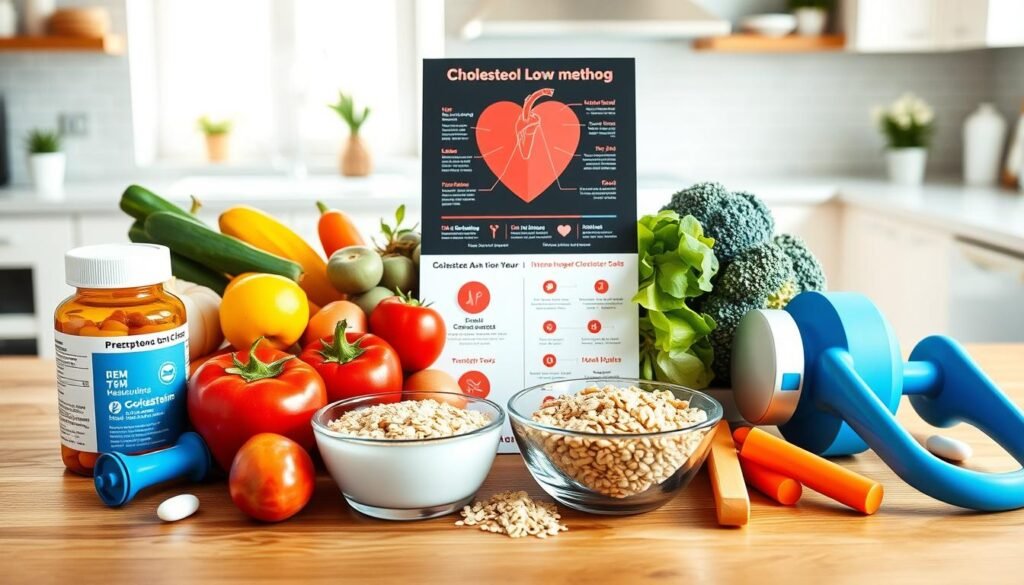
Statins are the go-to medication for high cholesterol. Since 1987, they’ve helped millions by lowering LDL (bad) cholesterol. Popular statins include atorvastatin (Lipitor) and rosuvastatin (Crestor). They cut down cholesterol production in the liver, lessening cardiovascular risk significantly.
Other Medication Options: Ezetimibe and Bempedoic Acid
There are more medications besides statins for cholesterol management. Ezetimibe (Zetia) reduces cholesterol absorbed by the intestines. Bempedoic acid (Nexletol) works in a similar way but may have fewer side effects on muscles. These options are great for those who struggle with statins.
| Medication Type | Mechanism of Action | Example Medication | Primary Use |
|---|---|---|---|
| Statins | Inhibit cholesterol production in the liver | Atorvastatin (Lipitor) | Lower LDL cholesterol |
| Ezetimibe | Reduces cholesterol absorption from the intestines | Ezetimibe (Zetia) | Lower LDL cholesterol |
| Bempedoic Acid | Slows down cholesterol production | Bempedoic Acid (Nexletol) | Lower LDL cholesterol, especially in statin intolerant patients |
| Fibrates | Decrease triglyceride levels | Fenofibrate | Lower triglycerides, raise HDL cholesterol |
For successful cholesterol control, health providers consider individual risks and reactions to treatment. A planned mix of these medications often best supports heart health. More details on these approaches can be found at MedlinePlus.
Understanding the Risks and Benefits of Medications
Medication is key in managing high cholesterol. Every drug has its own risks and benefits. Knowing these can help you choose the best way to improve your cholesterol levels.
Common Side Effects of Statins
Statins are often used to lower bad cholesterol. They work well for many. However, some people may experience side effects like:
- Muscle pain
- Liver function changes
- Increased risk of developing diabetes
Usually, side effects lessen over time. It’s important to keep checking in with your doctor. This ensures the medicine is working as it should.
When to Consider Non-Statin Medications
If statins cause problems, or you need more help lowering cholesterol, there are other options. Here are some alternatives:
| Medication Type | Function | Considerations |
|---|---|---|
| Ezetimibe | Inhibits cholesterol absorption in the intestine | Most commonly used non-statin |
| PCSK9 Inhibitors | Potent LDL-lowering medication | High cost, typically for patients unable to control cholesterol with statins alone |
| Bile Acid Sequestrants | Helps eliminate cholesterol from the intestine | May cause gastrointestinal side effects |
| Bempedoic Acid | Blocks an enzyme in the liver to reduce cholesterol levels | For those who cannot take statins |
Talking to your doctor about your options for managing high cholesterol is key. This talk helps balance the risks and benefits of medicines. It also ensures your heart stays healthy.
Alternative Treatments and Therapies
Many people look for alternative treatments for high cholesterol through natural ways. Some consider herbal supplements like astragalus for better heart health. However, we need more research to be sure they work. Hawthorn might help with heart issues, but how well it works for other heart problems isn’t clear yet.
Flaxseed has become a popular choice. It seems to reduce cholesterol, especially in people with high levels and postmenopausal women. Eating fatty fish twice a week may also lower the risk of heart attacks.
Red yeast rice might cut down cholesterol because it has monacolin K. But, you must be careful. Some products withoit monacolin K or with citrinin can be harmful. Plant sterols and stanols stop the body from absorbing too much bad cholesterol.
Garlic could be good for lowering blood pressure and cholesterol. It might also slow down atherosclerosis. But, studies don’t always agree on how effective it is over time.
A study says eating up to 3.5g of beta-glucan from oats can reduce bad cholesterol. Also, taking 2g of omega-3 from fish every day can greatly cut down on triglycerides.
Policosanol from sugar cane might not always work, according to studies. This shows why talking to a doctor before trying new treatments is key.
For more info on natural ways to tackle high cholesterol, check this detailed guide.
| Treatment | Potential Benefits | Considerations |
|---|---|---|
| Astragalus | Heart health support | Limited human trials available |
| Hawthorn | Effective for mild heart failure | More research needed for broader issues |
| Flaxseed | May lower cholesterol levels | Mixed research results |
| Red Yeast Rice | Potential cholesterol lowering | Must contain monacolin K |
| Plant Sterols | Reduces LDL cholesterol absorption | No prescription needed |
| Garlic | May lower blood pressure and cholesterol | Inconsistent long-term effectiveness |
Special Considerations for Children and High Cholesterol
High cholesterol in kids is a big health concern. It can come from family genes, what they eat, and how they live. If parents have it, their kids might too. A condition called familial hypercholesterolemia (FH) can make LDL cholesterol levels spike and may need early medication.
Being overweight and having diabetes can raise kids’ triglyceride levels. High triglycerides are less often caused by genes but are serious when they go above 500 mg/dL. Kids with high cholesterol could face heart problems as adults, like heart attacks and strokes. Since you can’t always see the signs, it’s crucial to get their cholesterol checked regularly.
The National Heart, Lung, and Blood Institute says to test kids’ cholesterol between 9 and 11 years old, then every five years. For kids, good cholesterol levels are:
| Measurement | Acceptable Range | Borderline High | High |
|---|---|---|---|
| LDL Cholesterol | Less than 110 mg/dL | 110–129 mg/dL | 130 mg/dL or higher |
| Total Cholesterol | Less than 170 mg/dL | 170–199 mg/dL | 200 mg/dL or higher |
| Triglycerides | Less than 75 mg/dL (age 9) / Less than 90 mg/dL (age 19) | 75–99 mg/dL (age 9) / 90–129 mg/dL (age 19) | 100 mg/dL or higher (age 9) / 130 mg/dL or higher (age 19) |
Changing lifestyles can hugely cut cholesterol in kids. Eating fruits, veggies, whole grains, and lean proteins is good for their heart. Doing 60 minutes of fun activities every day helps keep them fit. If these steps don’t work, doctors might suggest medication for kids 10 and older with high cholesterol.
Teaching families how to prevent high cholesterol is vital. Keeping a healthy weight, being active, and eating right play big roles in controlling it in kids.
Importance of Ongoing Monitoring and Follow-Up
Keeping an eye on cholesterol levels is key to see if treatments work and to keep levels healthy. Patients often meet with their doctors to tweak medications and lifestyle tips. This approach helps in managing cholesterol better and leads to healthier lives.
It’s important for patients to talk about any side effects or worries at these meetings. Dealing with statin-related muscle issues, which can impact up to 25% of patients, is crucial. Also, lifestyle choices, genetic factors, and sticking to medication plans greatly influence cholesterol control. Sticking closely to treatment plans can result in needing fewer medicines and less money spent.
| Adherence Category | Risk of Cardiovascular Disease (CVD) | Percentage of Adherence |
|---|---|---|
| Lipid-Lowering Medications | 25% Decrease | 50% Achieve Adherence |
| Statin Discontinuation (1 Year) | Not Applicable | 33%-50% |
| SAMS Incidence | Varies | 2%-3% (Controlled) / 10%-25% (Observational) |
Patients struggling with sticking to their treatment may find personalized strategies helpful. Making regular doctor visits and keeping an open line of communication helps manage cholesterol better. This way, they can reduce the risks associated with high cholesterol levels.
Conclusion
Managing high cholesterol is vital for your health. Over 80 million Americans have high cholesterol. This makes it a big health issue. About 34 million Americans need treatment. It’s key for people to know the treatment choices for high cholesterol. By mixing lifestyle changes and possibly medicine, they can cut their cholesterol. This improves their heart health.
It’s important to keep LDL cholesterol under 100 mg/dL for a healthy heart. Adults over 20 should check their cholesterol with a fasting lipid panel. They should do this at least every five years. If you have heart disease or many heart risk factors, work closely with your doctor. Together, you can create a plan to reach your LDL goal.
Making lifestyle changes is key in treating high cholesterol. This includes eating healthy and staying active. Statins are often the first choice for managing cholesterol. But knowing the side effects of statins is important. By learning about high cholesterol treatments, people can make better health decisions. This helps them live a healthier life.