About 71 million people in the U.S. have high cholesterol. It’s not just a bad guy for heart health. In fact, cholesterol plays a complex role in our bodies. This article will clear up myths about cholesterol and heart health.
By understanding the truth, you can make better choices for your heart. You’ll learn how different types of cholesterol affect you. And how lifestyle choices influence cholesterol levels.
Key Takeaways
- High levels of HDL cholesterol can lower the risk of heart disease and stroke.
- Regular cholesterol checks are essential for detecting high levels since many people experience no warning signs.
- Foods high in cholesterol often contain saturated fats, which can elevate cholesterol levels.
- Adults should aim for 150 to 300 minutes of moderate physical activity each week to maintain heart health.
- Smoking significantly increases the risk of heart disease, emphasizing the need for lifestyle changes.
- Individuals with familial hypercholesterolemia should undergo more frequent cholesterol testing.
- Consultation with a healthcare team is crucial for managing cholesterol levels effectively.
Understanding Cholesterol: The Basics
Cholesterol is found in all cells, helping to make hormones, vitamin D, and substances that digest fats. It moves through the blood on proteins called lipoproteins. The two main kinds, LDL and HDL cholesterol, affect our health differently.
While our bodies need cholesterol, too much can be harmful. High levels of LDL, the “bad” cholesterol, can lead to artery blockage. This increases the risk of heart disease and stroke, major causes of death in the U.S.
Many people in the U.S. fight high cholesterol. It’s important to keep cholesterol levels in check. For adults, aim for total cholesterol around 150 mg/dL and LDL at 100 mg/dL. Men should have HDL over 40 mg/dL and women over 50 mg/dL. Also, keep triglycerides under 150 mg/dL.
Conditions like diabetes and obesity can raise cholesterol levels. Eating too much saturated and trans fats, or not exercising enough, can also be bad. It’s crucial to watch what you eat and stay active.
Checking your cholesterol levels regularly is smart. A diet low in cholesterol can cut the risk of heart problems. By learning about cholesterol facts, you can take control of your heart health. Knowing about LDL and HDL helps you make better choices for your heart.
Myths about Cholesterol and Heart Disease
Learning about cholesterol types helps people manage their health better. Knowing the difference between LDL and HDL is key to good health.
Cholesterol Types: LDL vs. HDL
Cholesterol falls into two main kinds: low-density lipoprotein (LDL) and high-density lipoprotein (HDL). LDL is often called “bad” cholesterol because it can clog arteries. This clogging can lead to heart problems.
On the other hand, HDL is the “good” cholesterol. It helps by taking cholesterol back to the liver to be removed. This process lowers the risk of heart disease. Understanding both types is crucial for keeping your heart healthy.
The Role of Cholesterol in the Body
Cholesterol isn’t all bad. It’s needed for making cells and hormones. But keeping LDL and HDL in balance is important. Diet, genes, and how you live can change your cholesterol levels.
| Cholesterol Type | Function | Impact on Heart Health |
|---|---|---|
| LDL (Low-Density Lipoprotein) | Transports cholesterol to cells | High levels can lead to arterial plaque buildup |
| HDL (High-Density Lipoprotein) | Transports cholesterol to the liver for excretion | High levels can reduce risk of heart disease |
It’s smart to check your cholesterol regularly. Knowing your levels lets you make better choices for your health.
Myth: All Cholesterol is Bad for You
It’s important to understand cholesterol’s role in heart health. Many are scared of cholesterol because of common myths. However, it’s vital to know the difference between good and bad cholesterol for your well-being.
Importance of Good Cholesterol (HDL)
Good cholesterol, or HDL, helps our body stay healthy. It removes bad cholesterol, lowering heart disease and stroke risks. High HDL levels mean better heart health.
Everyone should check their cholesterol levels regularly. The American Heart Association suggests starting at age 20. You can find more about checking your cholesterol in this guideline.
The Dangers of Bad Cholesterol (LDL)
On the other hand, LDL is known as bad cholesterol. High LDL levels cause plaque in the arteries, leading to serious heart problems. People with genetic high cholesterol need extra care and specific treatments.
Talking to a doctor is key for those at risk of heart diseases. Changing how you live and eat helps manage LDL. To understand more about treatments, like statins, check out this resource.
Myth: I Can Feel When I Have High Cholesterol
Many believe they can feel when their cholesterol is high. But high cholesterol usually has no symptoms. This makes it a silent issue. People might not know they have cholesterol problems until something serious, like a heart attack, happens. It’s important to check cholesterol levels regularly to catch any issues early and lower heart disease risks.
Silent Symptoms: Why Monitoring is Essential
High cholesterol doesn’t show obvious signs, earning it the nickname silent killer. The absence of symptoms can lead to serious risks if it’s not addressed. Getting cholesterol checked regularly helps people understand their risk for heart disease. Then, they can make changes in their life or get medical help to reduce these risks.
It’s crucial to know that:
- LDL (low-density lipoprotein) is the “bad” cholesterol that can clog arteries, increasing heart disease risk.
- HDL (high-density lipoprotein) is the “good” cholesterol that helps lower the risk of heart disease.
- The American Heart Association advises getting cholesterol levels checked every five years, or more often if needed, based on health guidelines.
By understanding cholesterol and its effects, we can prevent severe problems from unmanaged cholesterol. Making healthy lifestyle choices and talking to doctors for individual monitoring plans is recommended.
| Cholesterol Type | Healthy Range | Risks of High Levels |
|---|---|---|
| LDL (Bad Cholesterol) | Less than 100 mg/dL | Increases heart disease and stroke risks |
| HDL (Good Cholesterol) | At least 50 mg/dL for women, 40 mg/dL for men | Protects against heart disease |
| Triglycerides | Less than 150 mg/dL | May indicate increased risk of heart disease if elevated |
Myth: Eating Cholesterol-Rich Foods Will Raise My Cholesterol Levels
The link between the cholesterol we eat and our blood cholesterol isn’t simple. Many dietary factors play a role in our body’s cholesterol levels. This knowledge helps people make smart decisions about their cholesterol intake.
The Connection Between Dietary and Blood Cholesterol
Studies show that dietary cholesterol doesn’t affect everyone the same way. About two-thirds of people don’t see a big change in their blood cholesterol from what they eat. The liver actually makes about 85% of the body’s cholesterol. So, even if you eat foods high in cholesterol, like eggs, fatty fish, and dairy, you might not see a spike in your levels. These foods can be good for your health without bad effects on cholesterol.
Choosing Healthier Fats
It’s important to pick healthy fats for a better heart. Unsaturated fats, found in things like olive oil, avocados, and nuts, are good for you. But, eating a lot of saturated or trans fats from red meat and processed foods can raise your cholesterol. The American Heart Association says to eat more plants, whole grains, and lean meats to cut your heart disease risk.
| Type of Fat | Sources | Effects on Cholesterol |
|---|---|---|
| Saturated Fat | Red meat, full-fat dairy | May elevate LDL cholesterol levels |
| Trans Fat | Hydrogenated oils, processed snacks | Raises LDL and lowers HDL cholesterol levels |
| Monounsaturated Fat | Olive oil, avocados | Can improve heart health |
| Polyunsaturated Fat | Nuts, fatty fish | Supports healthy cholesterol levels |
Myth: I Can’t Change My Cholesterol Levels
Many believe their cholesterol levels are only determined by genetics. This belief leads them to think lifestyle changes won’t help. But in truth, people can control their cholesterol with lifestyle changes. By adopting healthy habits, significant reductions in cholesterol are attainable.
Healthy Lifestyle Changes to Lower Cholesterol
Small tweaks in diet and activity can lead to big results. Key lifestyle changes that can lower cholesterol include:
- Heart-Healthy Diet: Stress on eating fruits, vegetables, whole grains, and healthy fats like olive oil and nuts.
- Fiber Intake: Consuming foods high in soluble fiber, like oats and beans, helps cut down LDL levels.
- Maintaining a Healthy Weight: Managing weight is crucial for health and greatly affects cholesterol levels.
- Regular Healthcare Screenings: It’s important for both men and women to frequently check their cholesterol levels, especially those between 45 to 65 and 55 to 65 years, respectively.
The Impact of Exercise on Cholesterol
Regular exercise greatly affects cholesterol management. The CDC suggests adults do 150 to 300 minutes of moderate exercise weekly. This boosts heart health and lowers cholesterol. Let’s look at how exercise helps:
| Type of Exercise | Benefit for Cholesterol |
|---|---|
| Aerobic Activities | Reduces LDL cholesterol and increases HDL cholesterol. |
| Strength Training | Better metabolism and potential weight loss help with cholesterol. |
| Flexibility Exercises | Improves overall fitness, aiding in cholesterol management. |
Making heart-healthy lifestyle changes and exercising regularly proves you can lower cholesterol. This overturns the myth that it’s impossible.

Myth: Statins Are Unnecessary If I Eat Well
Some people think eating right is enough to control cholesterol. But even with good food, cholesterol medication like statins might be needed. These are vital for those at risk of heart diseases.
When Medication May Be Essential
Around 200 million people globally use statins for cholesterol. Research shows statins cut the risk of major heart problems by 21% for every 40mg/dl LDL reduction. Still, high LDL causes nearly 3 million deaths a year.
Diet changes can drop cholesterol by 5-10%. But drugs are often needed to manage it effectively.
Understanding Familial Hypercholesterolemia
Familial hypercholesterolemia (FH) is a genetic issue that raises cholesterol and heart disease risk. People 35 to 55 with high cholesterol have a 39% higher risk each decade. For FH, diet isn’t enough. Statins are key for a healthy heart.
Talking to healthcare providers is crucial for managing cholesterol, especially with FH. Diet plus statins can improve health greatly. Learn more about statins here.
| Statin Benefits | Statistics |
|---|---|
| Annual deaths linked to high LDL | 3 million |
| Reduction in cardiovascular risk per 40mg/dl drop in LDL | 21% |
| % of coronary heart disease attributed to high cholesterol | 33% |
| Muscle aches in statin users | Less than 1% |
| Increased heart disease risk in 35-55 age group with high cholesterol | 39% per decade |
Cholesterol Facts: What You Need to Know
It’s very important to understand cholesterol for heart health. If cholesterol levels are too high or too low, the risk of heart disease goes up. Knowing about cholesterol can help keep your heart healthy.
Essential Cholesterol Guidelines
The American Heart Association says adults should keep LDL cholesterol under 100 mg/dL. They should also have HDL levels over 60 mg/dL. If you have had heart disease, your LDL needs to be even lower, under 70 mg/dL.
Knowing these numbers helps you manage your cholesterol better.
The Importance of Regular Testing
Testing your cholesterol regularly is key to good heart health. Adults should get tested every five years. This helps find high cholesterol early.
Early detection means you can start changing your diet or take medicine if needed. This can lower the risk of heart attacks and strokes. More than 12% of U.S. adults had high cholesterol from 2015 to 2016. This shows how important it is to keep an eye on your levels.
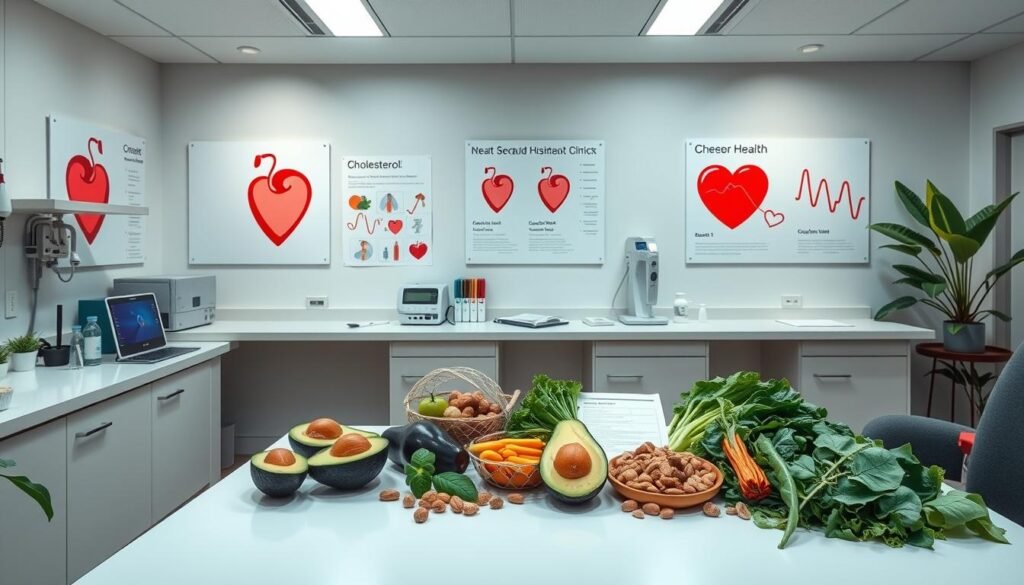
Debunking Cholesterol Myths: What Research Says
Cholesterol research has grown, showing its complex role in heart health. Many studies have corrected common wrong beliefs. They show why it’s crucial to measure cholesterol correctly and check health closely. Knowing this helps us achieve better health.
Scientific Studies on Cholesterol and Heart Health
The lipid/cholesterol idea states high LDL cholesterol leads to heart disease. The Framingham Heart Study backs this up. It found high LDL levels increase heart disease risk.
Ancel Keys’ 1950s study connected eating fats with higher blood cholesterol. This study helped us see how diet impacts cholesterol. The INTERHEART study found high LDL cholesterol greatly raises heart attack risk.
Trials show it’s important to control LDL cholesterol. The Scandinavian Simvastatin Survival Study found lowering LDL with statins cuts major heart event risk by 34%. Similarly, the Heart Protection Study showed simvastatin reduces heart attack and stroke risks by about 25%. This is true even for those without previous heart issues.
Research keeps aiming to clear up cholesterol myths. New findings, like those from Ravnskov et al., show that in older people, higher LDL levels might not increase death risk. This questions old views on cholesterol. Our understanding of cholesterol’s role in heart health is improving.
Heart Disease Misconceptions and Their Effects
Many people do not pay enough attention to their cholesterol levels. They worry too much about the dietary cholesterol’s risks. This thinking affects public health greatly. Nearly half of U.S. adults over 20 have heart disease.
Young adults with LDL levels from 160-189 mg/dl may need medication. They should check their health every 4 to 6 years, starting at age 20. The American Heart Association suggests heart screenings by age 20. They also advise 150 minutes of exercise each week for heart health.
Managing stress is key to lowering heart disease risks. The CDC says mental health issues can make heart problems worse. It’s vital to know that heart disease can start early in life. Yet, it’s never too late to start heart-healthy habits.
Understanding heart disease myths helps make better health choices. This is true especially for those with a family heart disease history. Medicines for high blood pressure or cholesterol work best with a healthy lifestyle.
| Misconception | Fact |
|---|---|
| Monitoring cholesterol isn’t necessary. | Regular checks are vital, especially after age 20. |
| Dietary cholesterol is the main culprit. | Other factors significantly impact cardiovascular health. |
| High cholesterol is only a concern for older adults. | Young adults can also be at risk. |
| Stress has no impact on heart health. | Managing stress is crucial to reducing risk factors. |
| Healthy habits can wait until later in life. | Starting early and making changes at any age are beneficial. |
Conclusion
Raising cholesterol awareness is key for a healthy heart. People need to know the difference between LDL and HDL cholesterol. This understanding helps them see how their choices affect their health.
They can manage their health better and lower heart disease risks. High cholesterol is a major heart disease cause.
Debunking cholesterol myths helps people make smarter choices. It’s good to pick healthy fats and avoid bad fats and cholesterol-heavy foods. Regularly checking cholesterol levels is also advised.
Public guidelines show that higher cholesterol means higher heart disease risk. For tips on what foods to dodge, check out this simple guide.
Knowing about cholesterol and heart disease leads to proactive health steps. A balanced diet, exercise, and following medical advice are vital. These efforts prevent heart disease for many people.