Did you know less than half of people know their cholesterol levels? This fact shows we urgently need better cholesterol awareness. Heart diseases are the top reason people die across the globe. Educating about heart health is crucial.
Many don’t know their cholesterol numbers. Even fewer understand what those numbers mean for their health. By increasing awareness, we could avoid many heart problems. The World Health Organization says 80% of heart issues could be stopped with better knowledge and checks. So, creating powerful cholesterol awareness efforts is key to get people involved in managing their cholesterol, which could save many lives.
Key Takeaways
- Less than 50% of people know their cholesterol levels.
- Effective cholesterol education can reduce the risk of cardiovascular diseases.
- Over 80% of heart attacks and strokes are preventable through awareness.
- Cholesterol awareness campaigns are crucial to improving public health.
- Monitoring cholesterol can lead to better overall health outcomes.
Introduction to Cholesterol Awareness
Knowing about cholesterol is key to keeping your heart healthy. It’s important to understand how cholesterol affects your heart. Around 18.6 million people die from heart diseases worldwide each year. This shows how crucial it is to manage cholesterol levels properly. These efforts teach people why checking cholesterol early can help prevent problems later.
About 73.5 million adults in the U.S. have high “bad” cholesterol. Sadly, less than a third of them get it under control. Conditions like familial hypercholesterolemia (HeFH and HoFH) are common and need correct treatment. It’s vital to diagnose and treat these to avoid serious health issues.
The World Health Organization promotes managing cholesterol to prevent heart disease. This is very important for saving lives. Sharing knowledge about high cholesterol dangers is key, especially in poorer countries. With the right initiatives, we can fight heart disease better, improving overall health globally.
The Importance of Cholesterol Education
Cholesterol education teaches us about different types of cholesterol and their health effects. Knowing the difference between LDL, the “bad” cholesterol, and HDL, the “good” one, is key. High LDL can lead to heart disease. Cholesterol screening is vital for spotting those at risk. It encourages them to take proactive steps towards health.
Understanding Cholesterol Types: LDL vs. HDL
LDL cholesterol can clog arteries, causing heart attacks and strokes. On the other hand, HDL helps remove LDL, guarding against heart issues. Knowing about these can influence how we tackle heart health. Lifestyle changes, like better diet and more exercise, help manage cholesterol levels.
The Role of Cholesterol in Cardiovascular Health
Keeping cholesterol in check is crucial for heart health. Those with high cholesterol face double the risk of heart disease, says the CDC. Bad eating habits, little exercise, and smoking raise cholesterol. Educational efforts instruct on healthier choices to cut down heart disease risks. Heart disease is the top killer in the USA. Cholesterol education leads to improved health and prevention awareness.
Challenges in Raising Cholesterol Awareness
Raising awareness about cholesterol is tough. There are many wrong ideas about its health effects. People often mix it up with unhealthy food. This leads to wrong thoughts about their cholesterol levels. A lack of knowledge can cause health problems. It happens due to not understanding what high or low cholesterol means.
Common Misconceptions about Cholesterol
Many think all cholesterol is bad for you. But cholesterol is needed for our bodies to work right. We must know the difference between LDL (bad cholesterol) and HDL (good cholesterol). We need to clear up these facts to help people make good health choices. Without this knowledge, people might not do what’s needed for a healthy heart.
Lack of Public Knowledge on Cholesterol Levels
Less than half of adults in the U.S. know their cholesterol numbers. This shows a big need for teaching people about cholesterol. Not knowing their levels, many miss out on preventing heart issues. Since heart disease is a top cause of death, we must improve knowledge about cholesterol. Doing so can save lives and make health better.
Global Impact of Cholesterol Awareness Campaigns
Cholesterol awareness campaigns are key in improving heart health worldwide. They tackle the major issue of high cholesterol. This problem leads to many health issues worldwide. Millions of lives are lost to heart diseases caused by high cholesterol every year. Educating people helps them take charge of their health early.
Statistics on Cholesterol-Related Health Issues
The stats on heart disease and cholesterol are worrying. Smokers are at 2-4 times higher risk of heart disease than non-smokers. Familial hypercholesterolemia, a genetic condition, increases cholesterol and risk of early heart attacks. If one parent has it, their child has a 50% chance of getting it too. As people get older, they’re more prone to dyslipidemia because their livers can’t clear cholesterol well.
The goal is to cut early deaths from non-communicable diseases by 25% by 2025, according to the World Health Organization. The United Nations aims for a 30% reduction by 2030. But currently, only 14 countries are on track to meet these goals. Atherosclerotic cardiovascular diseases are increasing more in low- and middle-income countries. This shows how crucial grassroots awareness efforts are.
Success Stories from Around the World
There have been many great cholesterol awareness initiatives. Some have made cholesterol tests and medicines more accessible and affordable. Having essential medicines like statins easily available can greatly improve heart health. Programs that teach about managing cholesterol have also helped healthcare providers and patients become more knowledgeable.
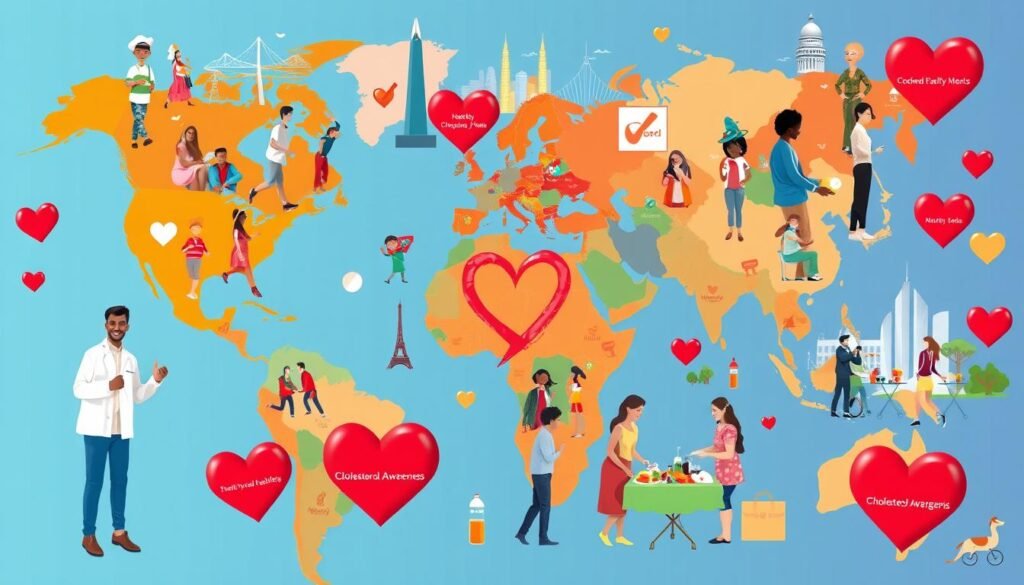
Growing awareness is important, but we must keep pushing for consistent effort and adherence to treatments. Preventing ASCVD requires varied strategies through a person’s life. Effective campaigns can change how communities view their health choices, leading to better lifestyles.
| Metric | Global Target | Current Status |
|---|---|---|
| Reduction in premature mortality from NCD | 25% by 2025 | Only 14 countries on track |
| Increase in health literacy regarding cholesterol | 100% awareness | Ongoing efforts required |
| Access to affordable cholesterol testing | 100% availability | Varies by region |
| Availability of statins as essential medications | Universal access | Improvement needed |
Prominent Cholesterol Awareness Campaigns
Several notable cholesterol awareness campaigns have been launched to manage cholesterol effectively. They aim to educate people about heart health and the need for cholesterol control.
The Take Cholesterol to Heart campaign by Kowa Pharmaceuticals America is critical. It focuses on the fact that over 100 million Americans have high cholesterol. The campaign provides educational tools to help people understand their cholesterol levels. It also emphasizes the importance of statins in lowering heart disease risk.
It encourages open conversations with doctors about using statin therapy effectively. Statins have been shown to reduce the risk of heart attack, stroke, or death from cardiovascular causes.
The National Committee for Quality Assurance (NCQA) and Novartis Pharmaceuticals created a helpful toolkit. This toolkit aids patients, doctors, and health systems in improving care for heart health and managing bad cholesterol. It includes guides for patients and resources for healthcare providers, offering a well-rounded approach to cholesterol management.
These initiatives focus on reaching a wide audience and getting the community involved. They show the positive effects of organized cholesterol awareness efforts. With the help of healthcare partners and strong messages, they aim to raise awareness about high cholesterol and its impact on heart health.
Cholesterol Awareness Campaigns: Key Strategies
To succeed, cholesterol awareness campaigns must use strategies that address communities’ unique needs. They start with effective research to spot specific cholesterol-related health issues in different groups. This customized approach helps the campaigns to really connect, boosting involvement and prompting healthy actions.
Conducting Effective Research
Research is key to understanding what communities need health-wise. Collecting data on local cholesterol rates, eating habits, and general health helps shape vital education programs. This might involve surveys, interviews, and checking health stats. For example, knowing that about 38% of American adults have high cholesterol underscores the need for focused education efforts.
Engaging the Media and Public
Getting the media involved is vital for spreading the word about cholesterol. Using platforms like social media and news outlets helps broaden the message about managing cholesterol. Through sharing tools like animated videos and info cards, campaigns fight false information and encourage healthy habits. The “Live to the Beat” campaign, for instance, effectively uses such tools to talk about hypertension and high cholesterol among Black adults. This broad media strategy makes sure important facts reach many people, driving them to look after their heart health.
Collaboration in Cholesterol Education Initiatives
Working together is vital in the fight against heart diseases. By collaborating in cholesterol education, we can extend our reach and make a bigger impact. It’s key to join forces with health organizations. This helps to spread the word about cholesterol more effectively. With the support of these alliances, we can use their resources, skills, and connections. This makes our efforts to educate people more effective.
Forming Partnerships with Health Organizations
Joining with health groups is crucial for better cholesterol education. Groups like the American Heart Association and the Family Heart Foundation are deeply involved. They run campaigns to raise awareness about cholesterol levels and heart health. By sharing resources, these organizations can reach more people. This helps them to tackle the serious issues of heart health together.
- The Driving Urgency in LDL Screening program aims to improve awareness and adherence to recommended lipid testing.
- Multi-year campaigns led by AHA focus on educating heart attack and stroke survivors about LDL-C levels.
- Collaborative efforts such as the Black Heart Association’s Guard Your Heart program provide much-needed testing and education in underserved areas.
Leveraging Social Media for Greater Reach
Social media is a strong tool for getting people involved in cholesterol education. It can share important information, promote events, and start conversations about cholesterol health. This helps to spread the message and call to action to more people.
By creating social media campaigns that appeal to different groups, the messaging can be more specific. This not only educates the public about cholesterol but also gets them talking. This strategy works well with other ways of reaching out. It ensures that cholesterol education reaches as many people as possible.
| Health Organization | Campaign Focus | Target Audience |
|---|---|---|
| American Heart Association | LDL Screening Awareness | Heart Attack and Stroke Survivors |
| Family Heart Foundation | Hereditary Heart Disease Risks | At-risk Individuals |
| Black Heart Association | Cardiovascular Education | Underserved Communities |
In the end, the teamwork of health organizations and online strategies leads to a stronger fight against cardiovascular disease. These partnerships and social media activities are key to facing heart health challenges. They encourage people to take action for their health.
The Role of Healthcare Providers in Cholesterol Awareness
Healthcare providers are key in teaching about cholesterol. They help correct wrong ideas about it. For example, many think high cholesterol shows symptoms, but it doesn’t. This shows why doctors and nurses must talk to their patients about cholesterol levels.
Educating patients can clear up myths. A common fear is that statins harm kidneys or liver. This worry shows a big gap in knowledge that needs fixing. Teaching how meds work can help people make better choices for their heart health.
Doctors can also work with dietitians to make personal plans for patients. They need to fix false beliefs, like statins causing cancer. Since heart disease is a leading cause of death, tackling cholesterol is vital. Regular checks and healthy living are key steps.
Initiatives now involve over 30,000 healthcare workers in cholesterol chats. These efforts follow guidelines for treating high-risk patients with lifestyle changes and meds. But, only 27% reach the cholesterol targets set. This shows a big need for better cholesterol education by healthcare workers.
Patients with some education understand cholesterol better than those less educated. Giving doctors and nurses better tools and info can help raise awareness. This can improve heart health for many people.
To learn more about cholesterol and how to manage it, check out this resource.
Promoting Heart Health Through Cholesterol Awareness
Making people aware of cholesterol is key to heart health. The health care system can greatly help by stressing prevention vs. treatment for cholesterol. This means teaching people how to live in ways that reduce heart disease risks, instead of just treating problems when they happen.
Prevention vs. Treatment: The Health Care Approach
Heart disease is the top killer in the United States, making it critical to push for health actions that prevent diseases. Almost half of American adults have high blood pressure, which makes them more likely to get heart problems. Yet, due to low cholesterol awareness, only one in four people properly manage their high blood pressure.
Doctors suggest getting LDL cholesterol checked regularly. High levels of LDL can lead to heart attacks or strokes if cholesterol issues are not addressed. By eating heart-healthy foods and exercising, people can lower these risks significantly.
Programs like Novartis’s “Take it to Heart” teach about heart health and cholesterol. They show the importance of making healthy choices now for a better future. Acting early can improve personal health and reduce the larger social and economic costs of heart disease, which are over $252 billion each year in the U.S.
Telling people how to take care of their hearts is effective. The more people know, the better they can fight heart disease. Changes in how we live, along with understanding cholesterol, can make people focus on preventing diseases before they happen. Check out more on how to help your heart during heart month here.
| Focus Area | Prevention | Treatment |
|---|---|---|
| Strategy | Education, lifestyle changes, routine check-ups | Medications, interventions post-diagnosis |
| Outcomes | Reduced risk of disease, improved quality of life | Symptom management, potential complications |
| Cost Implications | Lower overall health care costs | Increased health care spending |
Giving people the power of knowledge helps them make choices that support heart health. By focusing on prevention vs. treatment for cholesterol, we can change the direction of heart disease. This is for the good of future generations.
Case Studies of Successful Campaigns
Looking at cholesterol campaigns, we see creative ideas that help spread the word. Two key examples show how new methods can really help people get the message about cholesterol.
Daiichi Sankyo’s “Mind the GAC” Campaign
The “Mind the GAC” campaign by Daiichi Sankyo was all about glucose, apolipoprotein B, and cholesterol. These are important for heart health. They used fun, interactive ways to get people involved and teach them about managing cholesterol.
It was a hit, with over 40,000 clicks to health info. People stayed on their site for over 2.5 minutes on average, showing they liked what they saw. The campaign’s Click-Through Rate was over 0.9%, proving it caught lots of interest.
Novartis’s “Take it to Heart” Initiative
Novartis’s “Take it to Heart” mixed fun and learning to talk about cholesterol. This smart mix made the message about cholesterol risks stand out and stay relatable. They told stories to reach even more people, helping spread the word far and wide. Linking up with big health names made their campaign even stronger and more trusted.

Increasing Public Engagement with Cholesterol Initiatives
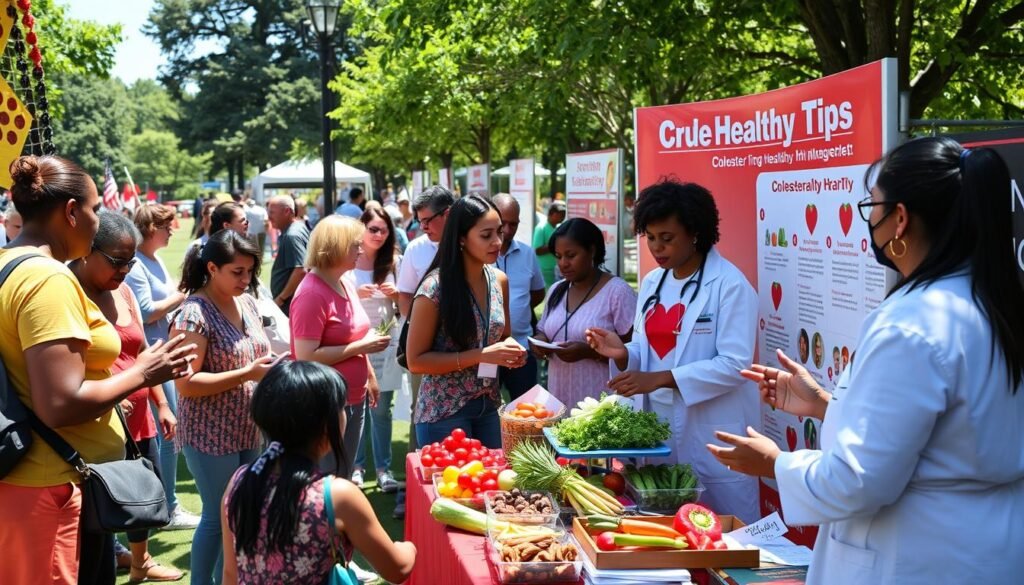
Cholesterol initiatives do best when they bring in the public through new ideas and working with the community. It all begins by setting up local events. These events highlight the importance of heart health and education. Health experts interact with people, encouraging them to care more about their cholesterol.
Educational workshops are also key. They help people learn about cholesterol and why healthy levels matter. By giving out right info, these workshops help people make smart choices. Adding in quizzes and self-tests makes learning about health risks fun and urges people to look after themselves.
Why are these efforts so urgent? In the U.S., a person dies from heart disease every 34 seconds. Reaching out especially to those over 55 and Black communities is vital. Campaigns need to motivate these groups towards heart-healthy habits. The goal of programs like Million Hearts® is bold. They want to stop one million heart attacks and strokes by 2027. This is especially important now, with COVID-19 around.
With groups like Million Hearts® and the American Heart Association (AHA), there’s a push to stop heart issues through constant public involvement. Starting in 1998, the AHA has led over 3,000 anti-tobacco campaigns. This work has made more people aware of how smoking hurts heart health.
To make a lasting difference, engaging people in cholesterol work is crucial. By combining community events, educational efforts, and fun tools, public understanding improves. This leads to taking better care of one’s health. Following the advice from the Texas Public Health Strategies for Addressing Heart Disease boosts awareness. It also helps get more people involved across different areas.
| Engagement Strategies | Benefits |
|---|---|
| Community Events | Fosters direct interaction and personalized health discussions. |
| Educational Workshops | Enhances knowledge and empowers informed health decisions. |
| Interactive Tools | Promotes self-assessment, leading to increased responsibility for health. |
| Targeted Campaigns | Address specific demographics for greater impact. |
| Collaborative Efforts | Increases resource availability and outreach capabilities. |
Conclusion
Knowing about cholesterol is key in heart health campaigns. They aim to teach people how to manage cholesterol levels. Since heart disease is the top cause of death in Americans, it’s crucial to know about HDL and non-HDL cholesterol.
By continuing to spread the word on cholesterol, we can improve health greatly. Tackling myths and showing how diet and exercise affect cholesterol can cut down heart disease. Also, teaching the importance of cholesterol checks can lead to early action against high cholesterol.
Heart health efforts need teamwork from doctors, groups, and everyone else. By growing our knowledge on managing cholesterol, we can better our heart health and lower the risk of major health issues. Putting resources into learning about cholesterol now can lead to a healthier tomorrow.