Did you know nearly 95 million adults in the US have high cholesterol? This is when total cholesterol levels reach 200 mg/dL or more. This fact shows why regular cholesterol checks are key. They are done through a test called a lipid panel. This test doesn’t just measure cholesterol. It also helps figure out the risk of heart diseases. Knowing these numbers is key to keeping your heart healthy. It helps you talk to doctors about how to live healthier, choose treatments, and keep an eye on your health.
The lipid panel gives a full picture of the cholesterol in your blood. It shows both good (HDL) and bad (LDL) cholesterol, plus triglycerides. It’s wise to get this test every 4 to 6 years for most people. This is even more important if heart issues run in your family or you already have heart trouble. By knowing your cholesterol levels, you can make better health choices. To find out more about the lipid panel and its role in keeping your heart healthy, click here.
Key Takeaways
- The lipid panel measures total cholesterol, LDL, HDL, and triglycerides.
- High cholesterol levels are considered above 200 mg/dL.
- Regular lipid testing is crucial for adults, especially those with risk factors.
- Understanding cholesterol levels can help manage heart health more effectively.
- Specific guidelines recommend cholesterol testing intervals based on age and risk.
Overview of the Lipid Panel
The lipid panel is a key tool for checking blood lipid levels and heart health. It looks at different fats in the blood to figure out the risk of heart disease. A typical panel checks total cholesterol, LDL (bad cholesterol), HDL (good cholesterol), and triglycerides.
Getting your cholesterol checked is very important. It helps find health problems early. For people with high risk, changing lifestyle or using medicine can help. It’s advised to get tested every five years for adults and once for kids aged 9 to 11.
Know what each part of the lipid panel means for your health. For example, levels of LDL and triglycerides show your risk for heart issues. Old ways like the Friedewald equation aren’t always right for everyone. New methods like ultracentrifugation are more precise but cost more.
| Component | Normal Range | High Risk |
|---|---|---|
| Total Cholesterol | Less than 200 mg/dL | At or above 240 mg/dL |
| LDL Cholesterol | Optimal – Less than 100 mg/dL | High – 160 to 189 mg/dL |
| HDL Cholesterol | Beneficial – Above 40 mg/dL | – |
| Triglycerides | Normal – Less than 150 mg/dL | Very high – Above 500 mg/dL |
The lipid panel gives valuable info for managing heart health with doctors.
What is a lipid panel?
A lipid panel is a key tool for checking heart health. It is a blood test that looks at fats, like cholesterol and triglycerides. This helps see if there’s a risk of heart disease. The lipid panel doesn’t just measure; it also gives valuable info about one’s heart health. It can suggest treatments or ways to prevent health problems.
Definition and Purpose
The lipid panel has several uses. It checks the health of your heart by looking at blood cholesterol. It also updates cholesterol levels after treatment and checks for liver conditions. The test’s main goal is to find out if cholesterol is at a safe level or if it’s a risk for heart disease.
Components of the Lipid Panel Test
There are key parts to the lipid panel test:
| Component | Role |
|---|---|
| Total Cholesterol | Measures overall cholesterol in the blood. |
| LDL Cholesterol | Known as “bad cholesterol,” higher levels can lead to heart disease. |
| HDL Cholesterol | Referred to as “good cholesterol,” it helps reduce cholesterol buildup. |
| Triglycerides | Primary form of fat in the body, elevated levels can indicate health issues. |
Knowing about different cholesterols helps in understanding health. LDL levels should be under 100 mg/dL for safety. HDL levels above 60 mg/dL are good because they protect against heart disease. It’s also key to keep triglycerides under 150 mg/dL.
The Importance of Cholesterol Testing
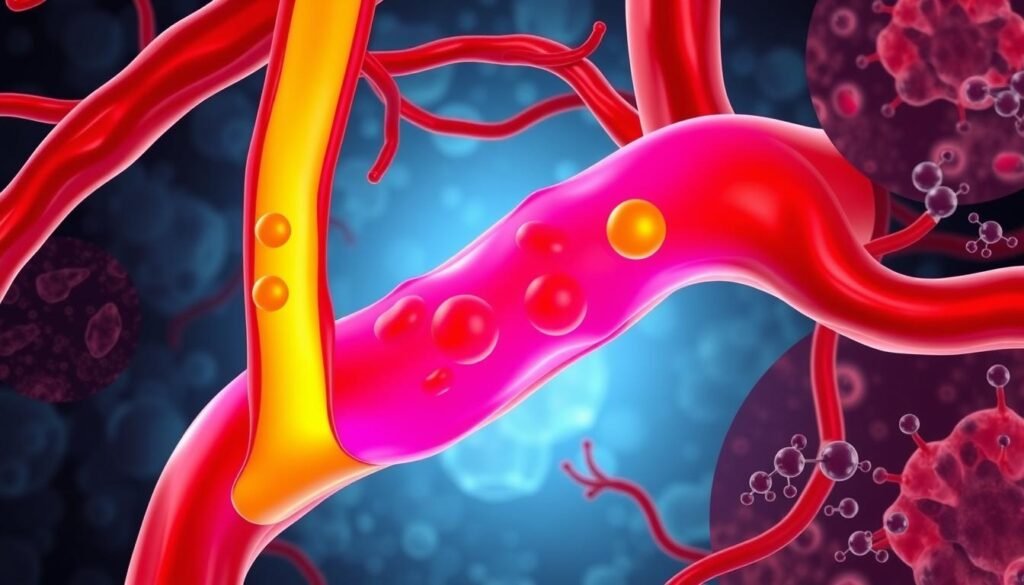
Cholesterol testing is key for spotting heart disease risks early. Knowing the dangers of high cholesterol helps keep hearts healthy. Right now, over 86 million Americans have high or almost high cholesterol. This makes regular checks crucial.
Understanding Cardiovascular Risks
Bad cholesterol, or LDL, ups the risk for heart issues like attacks. Tests find these risks early, so we can act fast. Adults should get tested every 4 to 6 years. Kids with obesity or diabetes also need checks for bad cholesterol.
Role of Cholesterol in Heart Health
Cholesterol’s role in our heart health is tricky. Good cholesterol helps by moving bad cholesterol out of arteries. But too much bad cholesterol leads to heart problems. Keeping these levels balanced is key. That’s why getting a cholesterol test often is a must.
Lipid Panel Levels Explained
It’s important to understand lipid panel levels for heart health. This panel has total cholesterol, LDL (low-density lipoprotein), HDL (high-density lipoprotein), and triglycerides. These types of cholesterol each have a unique role. They impact cardiovascular health significantly.
Total Cholesterol Levels
Total cholesterol levels are put into ranges. These ranges help check heart disease risk. See the following classifications:
| Cholesterol Level (mg/dL) | Classification |
|---|---|
| Below 200 | Desirable |
| 200–239 | Borderline High |
| 240 and Above | High |
Keeping total cholesterol under 200 mg/dL is recommended. If it’s above 240 mg/dL, it needs closer look.
LDL and HDL Cholesterol
LDL is known as “bad” cholesterol. It can cause plaque in arteries. Below are the ideal LDL levels:
| LDL Level (mg/dL) | Classification |
|---|---|
| Below 100 | Desirable |
| 100–129 | Near Optimal |
| 130–159 | Borderline High |
| 160–189 | High |
| 190 and Above | Very High |
HDL is the “good” cholesterol. Higher levels mean lower heart disease risk. Here are the optimal HDL levels:
| HDL Level (mg/dL) | Classification |
|---|---|
| Below 40 (Men), Below 50 (Women) | Poor |
| 40–59 (Men), 50–59 (Women) | Better |
| 60 and Above | Best |
Checking LDL and HDL levels is key for heart health. It helps in planning how to keep cholesterol balanced.
Triglycerides Explained
Triglycerides are the fat in blood. They’re crucial for health. Below are their categories:
| Triglyceride Level (mg/dL) | Classification |
|---|---|
| Less than 150 | Normal |
| 150–199 | Borderline High |
| 200–499 | High |
| 500 and Above | Very High |
Keeping triglycerides under 150 mg/dL helps avoid heart disease. Diet, weight, and exercise greatly affect these levels.
Who Should Get a Lipid Panel Test?
Knowing who needs a lipid panel test is crucial for heart health. Cholesterol screenings become more important as people age and encounter certain risks. Health guidelines say when to check cholesterol, depending on age and health.
Age and Risk Factors
The cholesterol screening guidelines suggest first tests between ages 9 and 11. These should be every five years, more often for those at risk. Adults 45 to 65 need tests every one to two years. Women from 55 to 65 follow the same schedule. After 65, tests should be yearly.
Many factors guide cholesterol testing recommendations. A family history of heart disease, obesity, diabetes, smoking, and bad eating can add risk. Those already treating high cholesterol need frequent checks to see if treatment works.
Guidelines from Health Organizations
Organizations emphasize early testing. Adults without signs or risk factors need a lipid panel every five years, beginning at 20. People over 50 should watch their cholesterol closely. Children starting at 10 might need tests due to increasing high cholesterol levels among the young.
Talking to healthcare providers is key to following these guidelines. It helps manage cholesterol wisely. Learning the importance of lipid panels leads to better heart health choices.
Preparing for a Lipid Panel Test
To get the best results from a lipid panel test, being well-prepared is key. Know the fasting guidelines and how medicines might change your test outcomes.
Fasting Requirements and Instructions
If you’re getting a lipid panel, you’ll likely need to fast for 9 to 12 hours before the test. This helps get a clear picture of your cholesterol levels. You can drink water, but avoid other food or drinks. Not all lipid tests require fasting, so always check with your doctor for accurate instructions.
Medications and Lifestyle Considerations
It’s vital to tell your doctors about any medicines, supplements, and your lifestyle before a lipid test. Some medicines can affect your cholesterol test results. Your diet, how much you work out, and your stress levels also change your lipid profile. Talk openly with your doctor about your habits and any medicines you’re taking to prepare for the test.
Interpreting Your Lipid Panel Results
It’s vital to understand your lipid panel for heart health. Knowing your cholesterol levels helps manage heart risks. Results are given in milligrams per deciliter (mg/dL). There are clear standards for what’s normal and what’s not.
Understanding Normal Ranges
Knowing normal cholesterol levels is key. Here are the typical values:
| Cholesterol Type | Normal Range (mg/dL) |
|---|---|
| Total Cholesterol | Below 200 |
| LDL Cholesterol | Below 100 |
| HDL Cholesterol | 35-65 (men), 35-80 (women) |
| Triglycerides | Below 150 |
Understanding these numbers is crucial. An LDL above 160 mg/dL is worrisome. Knowing your cholesterol helps you act early to lower risks.
What Do Abnormal Results Mean?
Abnormal results signal health problems. High LDL or triglycerides point to heart disease risk. If total cholesterol is over 200 mg/dL, you may need more tests. Your diet and exercise also affect your cholesterol levels.
For deeper insights, check out this resource. Knowing how to keep lipid levels healthy is vital for wellness.
Lipid Panel: Guidelines for Testing Frequency
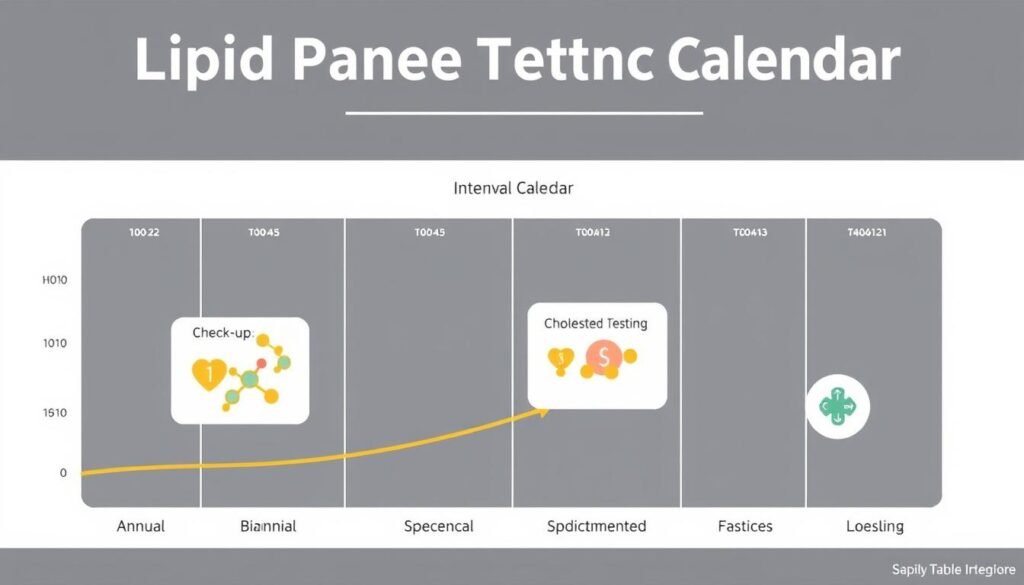
Regular cholesterol checks are key for heart health. It’s crucial to stick to the suggested testing times to watch cholesterol closely. People with normal levels need a check every five years. But those at greater risk should get checked more often to stay healthy.
Recommended Testing Intervals
The U.S. Preventive Services Task Force has guidelines based on age and risk. Men 35 and older need to get checked, and it’s highly recommended. Women who are 45 and up and at higher risk for heart disease should also be tested. This has a strong backing. Younger folks with risk factors, like men 20-35 and women 20-45, should also keep an eye on their cholesterol. It’s a bit less urgent but still important.
High-Risk Individuals and Monitoring
People at high risk for heart disease need more checks. This includes those with diabetes, obesity, or a family history of cholesterol problems. By checking often, they can make timely health changes. Keeping an eye on cholesterol is vital for those at risk. Check U.S. Preventive Services Task Force for more details.
Risks and Considerations of a Lipid Panel Test
Knowing the risks of cholesterol tests is key for understanding health. Lipid panel tests are mostly safe. However, there are some blood draw side effects to consider. Being aware helps you make smarter health choices.
Potential Side Effects of Blood Draws
The main risks of cholesterol testing come from drawing blood. Some common issues are:
- Soreness where the needle went in
- Bruising
- Feeling dizzy or passing out
- Needing several tries to find a good vein
- Hematoma (a bruise under the skin)
- Infection, though it’s rare
Even with these risks, checking your heart health early is often worth it.
Factors Affecting Test Accuracy
Certain test accuracy factors can change your cholesterol results. Important factors include:
- Being sick recently, which can affect cholesterol
- Stress impacting your body
- Some meds that might throw off the test
- Changes in diet and workout routines before the test
For better cholesterol test reliability, tell your doctor about your health and habits. This helps get results you can trust, leading to better health choices.
Ways to Improve Your Lipid Panel Results
Improving your lipid levels helps keep your heart healthy. Simple changes in lifestyle for better cholesterol can make a big difference. These changes also lower the risk of heart diseases.
Lifestyle Changes for Better Cholesterol
Choosing the right foods and activities can change your cholesterol levels for the better. Here are some ways to do it:
- Eat a heart-healthy diet with lots of fruits, vegetables, grains, and good fats.
- Cut down on saturated and trans fats to lower cholesterol.
- Exercise regularly to increase HDL cholesterol and lose weight. Try walking, biking, or swimming.
- Stopping smoking boosts your circulation and heart health. Just one year without smoking cuts your heart disease risk in half.
- The Mediterranean diet can also help improve your cholesterol and lower heart disease risk.
- If you like fish, eat two servings a week for omega-3 fats.
- Drinking alcohol in moderation might raise HDL cholesterol. But check with your doctor first.

When Medication Becomes Necessary
Sometimes, lifestyle changes alone aren’t enough to control cholesterol. Knowing when to start medication is key, especially for those at higher heart disease risk. Doctors might suggest drugs, like statins, to manage cholesterol better. It’s important to keep up with doctor visits. They help make sure lifestyle and medication together benefit your heart health.
For more tips on managing cholesterol, a full guide is available here.
Conclusion
Lipid panel tests are very important. They help people watch their cholesterol and keep their hearts healthy. These tests guide folks in living a healthier life.
Knowing your lipid panel results helps you care for your heart better. People between 45-65 years should test every 1-2 years. It’s key to know your cholesterol and health stats.
Making lifestyle changes boosts your heart health. Eating right, staying active, and being at a healthy weight help a lot. Working with doctors, you can create a plan. This plan shows how lipid tests help manage heart health well.