About 86 million U.S. adults over 20 have cholesterol levels above 200 mg/dL. This shows a major health issue in the country. It is important to learn how one can improve their diet to handle cholesterol better. Knowing the different types of cholesterol, their role in heart health, and which foods to eat or avoid is vital. This knowledge allows people to make smart choices about what they eat. They can manage cholesterol better by keeping an eye on their diet.
This article will cover why it’s essential to keep cholesterol at healthy levels. It will explain the difference between “good” and “bad” cholesterol. You’ll learn which foods to cut back on and which to eat more of. By keeping track of what you eat and choosing wisely, you can work towards a healthier heart.
Key Takeaways
- Over 86 million adults in the U.S. have elevated cholesterol levels.
- Healthy dietary choices are crucial for effective cholesterol management.
- Tracking dietary intake can help individuals monitor their cholesterol levels.
- Incorporating omega-3 fatty acids can lower “bad” cholesterol.
- Foods rich in soluble fiber are beneficial for heart health.
Understanding Cholesterol
Cholesterol is a waxy substance our bodies need. It comes both from our bodies and foods from animals. Our bodies use cholesterol to make important hormones and vitamin D. Our blood carries two main types of cholesterol: Low-Density Lipoprotein (LDL) and High-Density Lipoprotein (HDL). LDL is known as “bad” cholesterol because too much of it leads to a buildup in the arteries. This buildup increases the risk of heart disease. On the other hand, HDL is “good” cholesterol as it helps get rid of LDL in our blood.
When we check our cholesterol levels, we look at LDL, HDL, and triglycerides. It’s important to manage these levels for a healthy heart. For example, a large egg has about 200 milligrams of cholesterol. However, eating just the egg whites introduces almost no cholesterol. The advice on how much dietary cholesterol to consume has changed over time. The American Heart Association now recommends keeping dietary cholesterol low for better nutrition.
Eating foods high in cholesterol like shellfish and fatty meats can increase cholesterol levels. Yet, many of these foods can still be part of a healthy diet. Shrimp and lobster are good examples. It’s essential to make smart food choices. Reducing saturated and trans fats is crucial for those with high LDL cholesterol. The food we eat affects about 20% to 30% of the cholesterol in our blood.
| Food Item | Cholesterol (mg) |
|---|---|
| Whole Egg | 212 |
| Beef Liver (3.5 oz) | 389 |
| Chicken Liver (3.5 oz) | 631 |
| Salmon (3.5 oz) | 63 |
| Cheddar Cheese (1 oz) | 30 |
| Tofu (1/2 cup) | 0 |
Knowing the cholesterol content in foods helps us make wise dietary decisions. For people without heart disease risks, keeping daily cholesterol under 300 milligrams is sensible. Those with health issues might need to reduce their intake more.
The Importance of Healthy Cholesterol Levels
Maintaining healthy cholesterol levels is key for heart health. High LDL cholesterol levels increase heart disease risk. It’s important to keep an eye on cholesterol to stay healthy and take steps to prevent disease.
Recent studies show dietary cholesterol might not harm blood cholesterol much. For example, eating lots of eggs didn’t hurt participants’ heart health. In fact, people eating more than seven eggs a week had lower death rates. This shows that managing cholesterol isn’t just about diet but knowing your health too.
It’s crucial to test cholesterol regularly to prevent heart disease. Adults should check their cholesterol every four to six years if they’re at low risk. Aim for total cholesterol around 150 mg/dL and LDL below 100 mg/dL. Those with heart issues may need lower LDL levels.
| Cholesterol Level | Suggested Status |
|---|---|
| Total Cholesterol | Optimal: |
| LDL Cholesterol | Optimal: ≤ 100 mg/dL |
| HDL Cholesterol | Men: > 40 mg/dL, Women: > 50 mg/dL |
Heart-healthy lifestyle changes can improve cholesterol levels. Eating whole foods, staying active, and knowing cholesterol facts helps. This supports good heart health management.
Being proactive about cholesterol monitoring helps people make smart food choices. It boosts their heart disease prevention efforts.
“Good” vs. “Bad” Cholesterol
It’s important to know the difference between LDL and HDL cholesterol for your health. LDL cholesterol is often called “bad” because it can gather in arteries. This can cause blockages that raise the risk of heart disease and stroke.
HDL cholesterol is known as the “good” type. It carries cholesterol to the liver to be removed from your body. This action helps lower the chance of plaque building up in arteries.
To stay healthy, keeping these two cholesterol types in balance is key. For men, good HDL levels are above 40 mg/dL. Women should aim for over 50 mg/dL. Starting to monitor cholesterol at age 20, with yearly checks after 30, is a smart move.
Making changes in your lifestyle can greatly affect your cholesterol. Read more about these changes in an informative article on good and bad cholesterol levels. It talks about how dietary choices can improve your cholesterol. For a healthier heart, choose good fats found in olive oil, avocados, and nuts over bad ones.
Keep saturated fat intake under 10% of your daily calories. Also, stay away from synthetic trans fats to keep your cholesterol levels healthy.
Foods to Limit for Lower Cholesterol
To manage cholesterol, knowing which foods to limit is key. Watch out for high cholesterol foods, notably those high in saturated fats. Foods to avoid include red meats, full-fat dairy, and certain oils because of their saturated fats. The American Heart Association advises keeping saturated fats under 6% of daily calories.
Processed foods are also harmful. Products like chips, fast food, and some snacks can raise LDL cholesterol levels. Cutting down on these high cholesterol foods is good for your health.
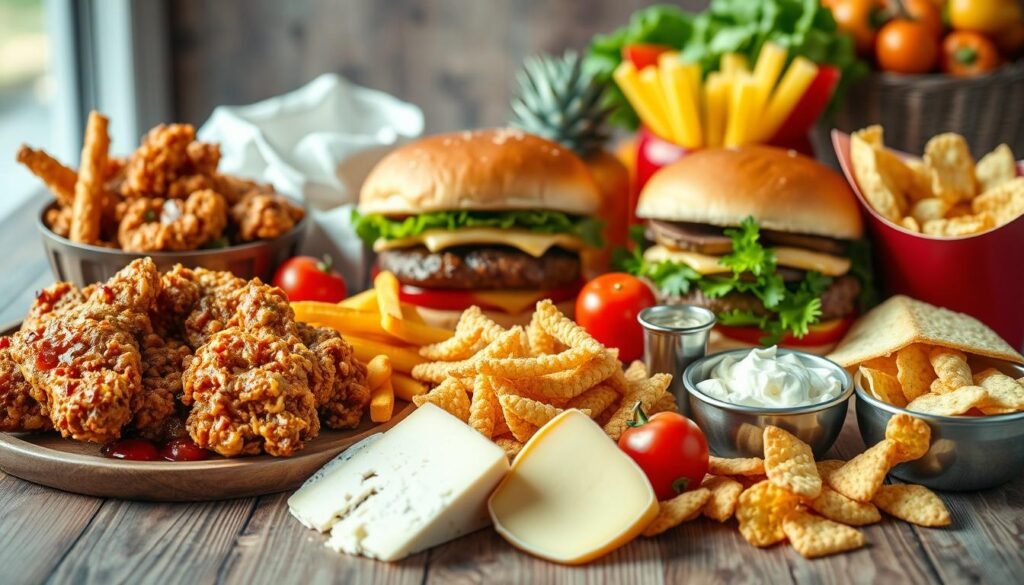
Here’s a table with common foods to avoid and their saturated fat contents:
| Food Item | Saturated Fat Content (grams) |
|---|---|
| Red Meat | 5-10 |
| Butter | 7 |
| Full-Fat Cheese | 6-9 |
| Processed Snacks (e.g., cookies) | 3-8 |
| Fast Food Fried Items | 7-15 |
By following these tips, you can make diet changes for better health. For more on lowering cholesterol with diet, check out this resource. Wise food choices can greatly improve your cholesterol levels and heart health.
Saturated Fats and Their Impact on Cholesterol
Saturated fats greatly influence cholesterol intake and heart health. Eating too much saturated fat increases bad cholesterol (LDL). This raises the risk of heart disease and stroke. Main sources include meats like beef and pork, skin-on poultry, full-fat dairy, and tropical oils.
The American Heart Association recommends keeping saturated fat under 6% of total daily calories. On a 2,000 calorie diet, that’s no more than 13 grams a day. Watching the dietary fats you eat helps control cholesterol.
Avoid foods rich in trans fats, like doughnuts, cookies, and some margarines. Trans fats increase LDL cholesterol. Since 2006, the FDA requires nutrition labels to show trans fat content. This helps people choose wisely. Also, many restaurants now avoid using trans fats, leading to healthier meals.
For better heart health, swap saturated fats with unsaturated fats. Opt for vegetable oils, fish like salmon, and plant foods like avocados and walnuts. These better options are great for your heart.
| Food Type | Saturated Fats (grams) | Unsaturated Fats (grams) |
|---|---|---|
| Beef (3 oz) | 8.0 | 0 |
| Butter (1 tbsp) | 7.2 | 0.1 |
| Coconut Oil (1 tbsp) | 13.6 | 0 |
| Salmon (3 oz) | 2.5 | 4.1 |
| Olive Oil (1 tbsp) | 1.9 | 10.5 |
Knowing about saturated fats and cholesterol helps people make heart-healthy food choices. It’s key to our well-being.
Foods to Include for Healthier Cholesterol Levels
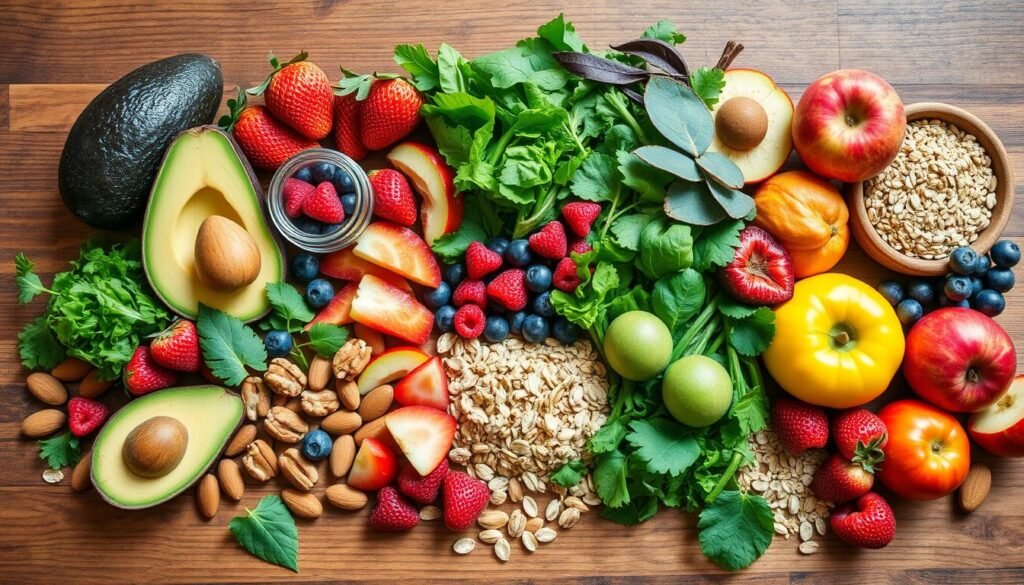
Adding healthy cholesterol foods to your daily diet can make your cholesterol healthier. A diet good for cholesterol has lots of soluble fiber and unsaturated fats. These help lower the bad LDL cholesterol. You should eat foods like:
- Oats: High in soluble fiber, oats block some cholesterol from getting into your blood.
- Legumes: Beans and lentils are full of fiber, good for your heart’s health.
- Fatty Fish: Salmon, trout, and herring have lots of omega-3 fatty acids. They’re good for lowering bad cholesterol.
- Nuts and Seeds: Foods like almonds, walnuts, and flaxseeds give you healthy fats. They also fill you up and keep you from getting too hungry.
- Whole Grains: Eating brown rice, quinoa, and whole grain pasta increases your fiber. Plus, they give you important vitamins and minerals.
- Fruits and Vegetables: Go for berries, apples, and leafy greens. They’re full of nutrients and fiber that help manage cholesterol.
- Healthy Oils: Use olive oil and canola oil instead of fats that are bad for you. This helps lower bad cholesterol.
Changing your diet to include these healthy cholesterol foods can lower your cholesterol a lot. Eating these foods often is good for the planet and your heart. It also lowers your chances of getting heart disease and stroke.
Soluble Fiber: A Key Component
Soluble fiber plays a huge part in lowering cholesterol and boosting heart health. It turns into a gel in digestion, blocking cholesterol from getting absorbed. Foods like oats, beans, and fruits are high in this dietary fiber.
Eating soluble fiber regularly has lots of benefits. Eating 3 to 5.6 grams of beta-glucan from oats each day can cut total cholesterol by 8.1%. LDL cholesterol goes down by 11.6%. Adding legumes to your meals can drop cholesterol levels by almost 12 points and bring LDL levels down by 8 points.
Women should aim for 25 to 28 grams of fiber each day. Men should try for 31 to 34 grams. Hitting these fiber goals can reduce cholesterol and LDL levels by 5-10%. This helps maintain better cholesterol levels overall.
Soluble fiber isn’t just in grains and legumes. Eating about 6 grams of pectin from apples can lower cholesterol. An avocado has about 4.7 grams of fiber. Of that, 1.4 grams are soluble. Adding 3 tablespoons of flaxseed to your diet can drop triglyceride, LDL, and total cholesterol levels too.
| Food Source | Soluble Fiber Content (grams) | Impact on Cholesterol |
|---|---|---|
| Oats (3-5.6g beta-glucan) | 3-5.6 | Reduces total cholesterol by 8.1%, LDL by 11.6% |
| Legumes | Varies | 12-point drop in total cholesterol, 8-point drop in LDL |
| Apples (6g pectin) | 6 | Lowers blood cholesterol levels |
| Avocado | 4.7 | 1.4g soluble, supports heart health |
| Flaxseed (30g) | Varies | Reduces triglycerides, LDL, and total cholesterol |
Adding soluble fiber to your daily diet is a strong strategy for managing cholesterol. For optimal cholesterol levels, consider eating more of these healthy foods.
Omega-3 Fatty Acids and Their Benefits
Omega-3 fatty acids are key for a healthy heart. They are a type of nutrient we must get from our diet. We find them mainly as EPA, DHA, and ALA. Our bodies can change ALA into EPA and DHA, but this happens slowly. Eating foods rich in omega-3s helps lower bad fats in our blood, known as triglycerides.
Eating fatty fish like salmon and mackerel gives us EPA and DHA. The American Heart Association suggests eating fish twice a week if you don’t have heart disease. But, some big fish have lots of mercury, which can be harmful. So, pregnant women and kids should eat less of these fish to stay safe.
If you prefer not to eat fish, there are plant-based sources of omega-3s. Foods like chia seeds, flaxseed, walnuts, and algae oil are good choices. These foods can help protect your heart by lowering the risk of heart issues, stopping sudden heart attacks, and preventing blood clots. Remember, having more than 3 grams of omega-3s each day might not be good for you.
There are also omega-3 products that doctors can prescribe for adults with very high triglycerides. These help manage cholesterol levels along with making healthy lifestyle changes. Omega-3s play a big part in keeping your heart healthy. They help keep your cholesterol in check, showing why a balanced diet is crucial.
Cholesterol-Lowering Supplements
Supplements are key in managing cholesterol levels. Adding cholesterol supplements to your daily regime, along with diet changes, helps. Many people use plant sterols and stanols as they stop cholesterol from being absorbed by the intestines. These are found in fruits, veggies, nuts, and whole grains. Eating them regularly can strengthen your cholesterol control efforts.
Psyllium supplements are great for reducing cholesterol significantly. Meanwhile, flaxseeds are a top choice for omega-3 fatty acids. They boost HDL cholesterol and lower LDL cholesterol. Adding these to your diet brings beneficial changes.
Studies found that red yeast rice reduces cholesterol thanks to monacolin K. Similarly, ginger might cut total cholesterol and triglycerides, improving heart health. Soy protein helps in lowering LDL cholesterol too.
Here’s a table of different cholesterol-lowering supplements and their main advantages:
| Supplement | Primary Benefit |
|---|---|
| Psyllium | Significantly reduces cholesterol levels |
| Plant Sterols | Blocks cholesterol absorption |
| Flaxseed | Raises HDL cholesterol levels |
| Red Yeast Rice | Lowers LDL cholesterol |
| Ginger | Lowers total cholesterol and triglycerides |
| Soy Protein | Reduces LDL cholesterol |
With so many choices available, it’s important to be smart about supplements. Using cholesterol supplements should be part of a healthy lifestyle and diet for the best results.
Tracking Dietary Intake for Cholesterol
Managing cholesterol starts with tracking dietary intake for cholesterol. By logging what you eat, you can see how different foods affect cholesterol levels. This insight helps you make healthier choices for your heart.
Using cholesterol monitoring apps can be very helpful. These apps have a big selection of foods already listed, which makes logging easy. The app version 1.0.7, out January 24, 2024, got good reviews. Users like its easy use and detailed information on food’s cholesterol content. One person said it made tracking and adjusting their diet simpler.
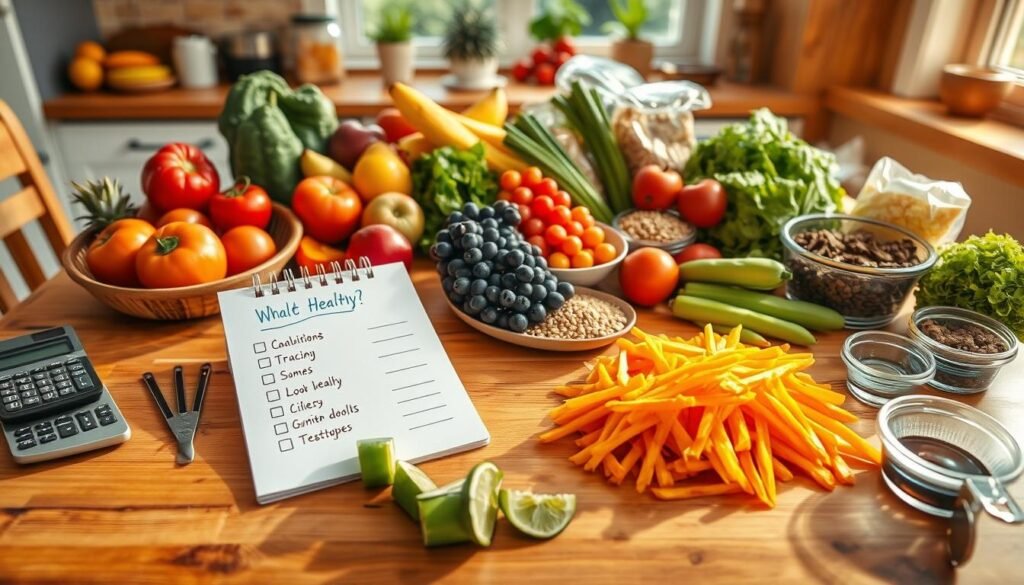
It’s important to keep a close watch on what you eat. Experts say to eat as little cholesterol as possible to stay healthy. They used to say to limit it to 300 milligrams a day, or 200 for those at risk of heart disease. Knowing these limits and eating less saturated fat helps in choosing better foods.
| Cholesterol Management Tips | Daily Recommendations |
|---|---|
| Limit Cholesterol Intake | Less than 200 mg |
| Saturated Fat Intake | No more than 10% of daily calories |
| Soluble Fiber | 10 to 25 grams |
| Plant Stanols and Sterols | 2 grams |
| Omega-3 Fatty Acids (from fish) | Twice a week |
| Sodium Intake | Less than 2,300 mg |
| Alcohol Consumption | Men: ≤2 drinks/day; Women: ≤1 drink/day |
By following these tips and using tools like cholesterol monitoring tools, you can get better at managing your cholesterol. This leads to a healthier life.
Using a Cholesterol Tracking Tool
Using a cholesterol tracking tool makes watching what you eat easier. Many apps and websites help you log your food and keep track of cholesterol. They give personalized tips to better your heart health. This way, you can see what you eat and make changes if needed.
Apps like MyFitnessPal let you look up over 6 million foods. You can even scan food barcodes to see their cholesterol levels fast. Knowing what’s in your food helps you make better choices. Studies show that sticking to tracking can lead to losing weight. People who tracked what they ate for most days lost about 10 pounds.
The Dietary Guidelines for Americans 2010 recommend eating less than 300 milligrams of cholesterol daily. Fooducate, which scans 250,000 products, makes it simple to pick healthier foods. This helps you stick to the guidelines.
Cholesterol trackers come with lots of useful features:
- Big databases to keep an eye on cholesterol intake
- Weekly plans for organizing meals
- Widgets for a quick view of daily cholesterol
- Interactive graphs to see your progress
- Reminders to log your meals
Adding a cholesterol tracker to your day helps you focus on heart health. Being consistent with these tools leads to better health results. Technology makes managing our health easier. With these tools, we can make choices that keep our cholesterol at healthy levels.
Tips for Successful Cholesterol Management
Managing cholesterol well is about changing parts of your daily life. Using smart tips can make your heart healthier over time.
Eating right is key. Add fruits, vegetables, whole grains, and healthy fats to your diet. They lower bad cholesterol and boost the good kind. Avoid foods high in saturated fats, like fatty meats and full-fat dairy, to keep cholesterol down.
Staying active is vital for a healthy heart. Try 30 minutes of moderate exercise five times a week or intense workout sessions three times weekly. Exercise gets rid of harmful cholesterol, improving heart health.
Stop smoking for quick health gains. Your good cholesterol goes up and blood pressure drops in just 20 minutes. Not smoking also means better heart health long-term. Combined with a healthy lifestyle, quitting smoking massively helps in managing cholesterol.
Drink alcohol in moderation. It can raise good cholesterol. But, don’t start drinking if you haven’t before because of the risks linked to alcohol.
Sometimes, lifestyle changes aren’t enough. Then, medicines, as your doctor suggests, may be needed. Diet changes plus medicine work best, especially for high triglycerides.
It can take 6 to 12 months to see changes from a new lifestyle. Being patient is crucial. With time and effort, following these tips can greatly improve your heart health.
Conclusion
Managing cholesterol is key for a healthy heart. By choosing the right foods, people can lower their risk of heart disease. They need to know the good and bad cholesterol and avoid harmful foods. The guide on what foods to skip offers great tips.
By eating less saturated fat and watching your cholesterol, you can decrease bad cholesterol levels. Adding whole grains and heart-healthy fats, like those in nuts, helps too. These steps not only raise awareness but also encourage a healthier lifestyle.
To keep cholesterol in check, it’s vital to keep an eye on what you eat. Making heart-healthy choices every day helps manage cholesterol. This improves your overall health.