Did you know almost one-third of adults in the U.S. have high cholesterol? Many don’t know about its silent effects. High cholesterol can deeply impact your health, especially making you feel tired. It’s especially important for those over 40 to understand this link to keep their energy and health up.
This article explores how cholesterol and tiredness are connected. It answers questions like “does high cholesterol make you tired?” We’ll see how symptoms of high cholesterol may lead to feeling tired all the time.
Key Takeaways
- High cholesterol affects nearly 33% of adults in the U.S., often without symptoms.
- The risk of high cholesterol increases notably for individuals over 40.
- A poor diet rich in saturated fats can elevate cholesterol levels, leading to fatigue.
- Understanding LDL, the “bad cholesterol,” is vital in managing overall health.
- Regular monitoring of cholesterol levels can help prevent potential complications.
- Symptoms linked to high cholesterol may include dizziness or feelings of fatigue.
Understanding Cholesterol and Its Types
Cholesterol is a key substance made by the liver and found in some foods. It’s crucial for making cell membranes and hormones. Knowing the different kinds of cholesterol helps in keeping the heart healthy.
What is Cholesterol?
Cholesterol is a waxy, fat-like substance in all body cells. It helps make hormones and Vitamin D. But too much cholesterol can cause health issues.
Types of Cholesterol: LDL and HDL
There are two main types of cholesterol: Low-Density Lipoprotein (LDL) and High-Density Lipoprotein (HDL). LDL is called “bad cholesterol” because it can build up in arteries, leading to heart problems. HDL is “good cholesterol” because it helps remove LDL, keeping arteries clear.
The Importance of Cholesterol in the Body
Cholesterol is important for making hormones, aiding digestion, and keeping cells healthy. But, too much LDL and not enough HDL can harm these processes. This can cause serious health issues.
What is High Cholesterol?
High cholesterol is sometimes called hyperlipidemia. It means you have a lot of low-density lipoprotein (LDL) cholesterol in your blood. This can lead to plaque in your arteries and raise your risk of heart diseases. It’s important to know what causes high cholesterol and the risks involved.
Defining High Cholesterol Levels
Doctors find out if you have high cholesterol by doing blood tests. They look at your cholesterol numbers like this:
| Cholesterol Type | Desirable Level (mg/dL) | Borderline High (mg/dL) | High (mg/dL) |
|---|---|---|---|
| Total Cholesterol | Less than 200 | 200-239 | 240 and above |
| LDL (Bad) Cholesterol | Less than 100 | 100-129 | 130 and above |
| HDL (Good) Cholesterol | 60 and above | 40-59 | Less than 40 |
Causes of High Cholesterol
Many things can make your cholesterol go up. The main reasons include:
- Eating foods that are high in saturated fats and sugars
- Not exercising enough
- Having conditions like hypothyroidism and type 2 diabetes
- Taking certain medicines
- Being overweight
Risk Factors for High Cholesterol
Knowing what increases your risk for high cholesterol helps in stopping it early. Major risk factors include:
- Getting older
- A family history of high cholesterol
- Smoking and drinking too much alcohol
- Being under a lot of stress
- Not getting enough sleep, which affects how your body handles cholesterol
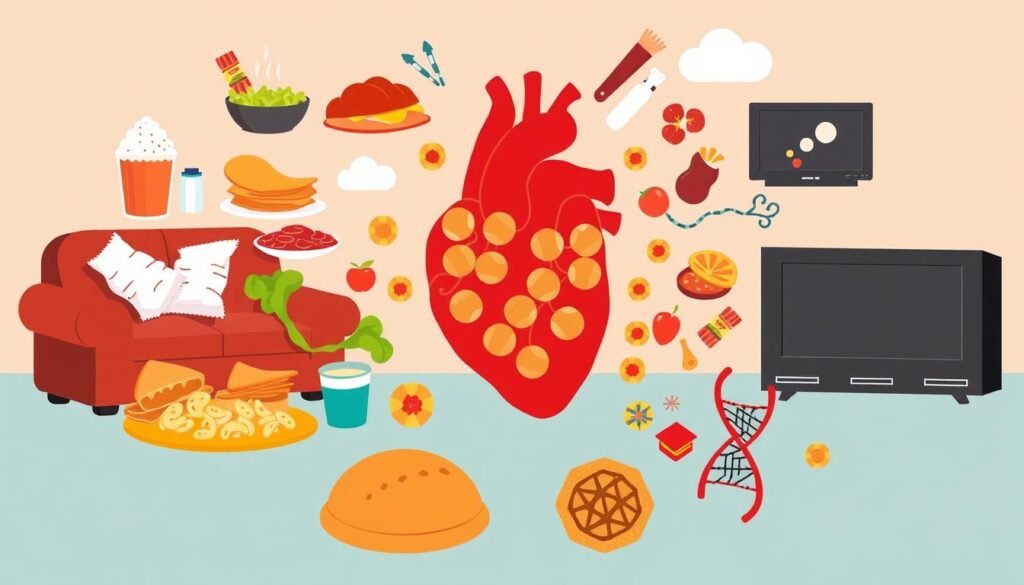
High Cholesterol Symptoms and Complications
High cholesterol often goes unnoticed because many people have few to no symptoms. Thus, getting your cholesterol checked regularly is key. When symptoms like xanthomas appear, they may suggest high cholesterol. This requires further tests.
Common Symptoms of High Cholesterol
While many do not show clear symptoms, some signs can occur. These symptoms include:
- Xanthomas on the skin, appearing as soft yellowish bumps.
- Chest pain linked to heart issues.
- Feeling short of breath, even with little effort or while resting.
It’s crucial for people, especially if overweight, diabetic, or with a family heart disease history, to watch for these signs.
Complications Linked to High Cholesterol
High cholesterol can lead to dangerous and life-threatening issues. These may happen suddenly and include:
- Heart attacks from arteries getting blocked.
- Strokes when the brain gets less blood.
- Atherosclerosis, which means arteries are hard.
Knowing about these complications shows why it’s vital to find and manage high cholesterol early. A proper lifestyle and managing risks are important steps.
The Silent Nature of High Cholesterol
High cholesterol is often called silent because it can damage without signs. It’s important for everyone, especially those over 20, to get tested every four to six years. If you have obesity, diabetes, or heart disease in your family, you might need tests more often. Not paying attention to this could result in serious health problems later. For more about spotting the signs, check out this resource.
Will High Cholesterol Make You Tired?
Many wonder if high cholesterol makes them tired. High cholesterol doesn’t directly cause fatigue. But it can lead to conditions that make you feel more tired, especially regarding heart health.
The Link Between Cholesterol and Fatigue
High cholesterol can block blood flow by building up plaque in the arteries. This makes it hard for oxygen to reach important parts of the body. If you’re asking, “Will high cholesterol make you tired?” The answer often is yes. Poor circulation can make you feel exhausted during everyday tasks.
Understanding Fatigue in the Context of Heart Health
Fatigue might signal a problem, especially with heart health. High cholesterol can cause heart issues that make you feel tired. It’s important to understand that fatigue and high cholesterol can be related. This shows why keeping cholesterol in check is crucial.
How Fatigue Relates to Cholesterol Complications
Untreated high cholesterol can tire you out in different ways. It can cause leg pain, cold limbs, and weakness because the heart pumps blood harder. Cholesterol isn’t just a number; it affects your energy. Check your cholesterol levels regularly to stay healthy. Managing high cholesterol well can help reduce tiredness and boost your energy.
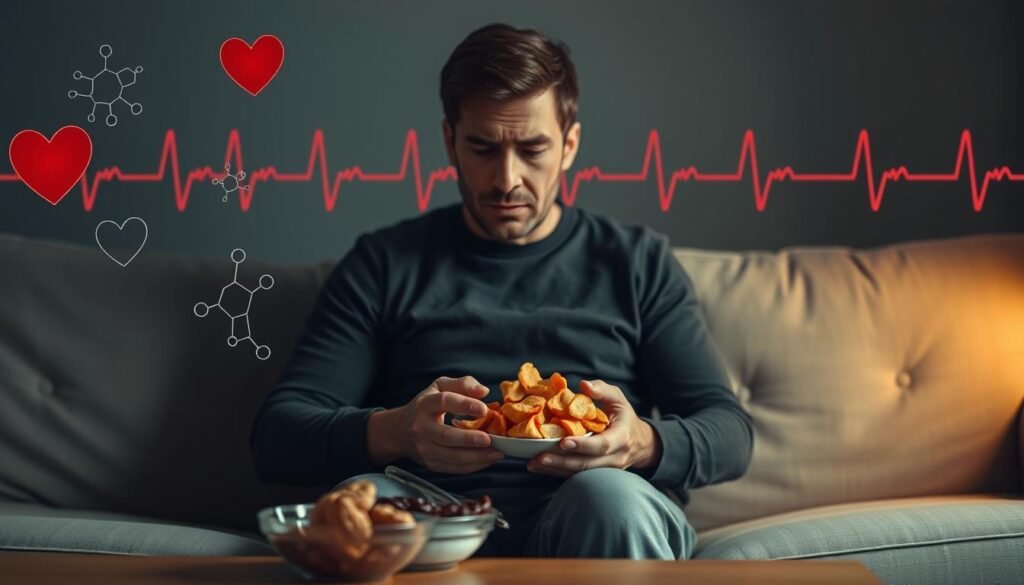
Effects of High Cholesterol on Energy Levels
High cholesterol can really affect your energy. The issue starts because it messes with your circulation and how your body feels overall. Knowing how cholesterol changes your energy helps manage health better.
How Cholesterol Affects Circulation
Cholesterol is important, but too much, especially LDL, is bad. It causes arteries to narrow and harden, a condition called atherosclerosis. This makes it tough for blood to flow and the heart to work right.
Less blood flow means not enough oxygen and nutrients get to tissues. This can make you feel tired and without energy.
Impact on Overall Energy and Vitality
High cholesterol often makes people feel constantly tired. A struggling heart means not enough blood circulates well. This makes daily life hard and can reduce how happy you feel.
Checking cholesterol levels regularly is a good idea if you care about your health. Improving them through better habits can boost your energy a lot. To learn more about managing high cholesterol, check out this resource.
Managing Fatigue with High Cholesterol
Facing fatigue when you have high cholesterol can be tough. Yet, changing your lifestyle can really help boost your energy. High cholesterol might make you tired because it can cause complications. These include atherosclerosis, which slows down your blood flow. Choosing heart-healthy habits can improve both your energy and cholesterol levels.
Lifestyle Changes to Improve Cholesterol Levels
It’s key to change your lifestyle to lower high cholesterol and reduce fatigue. Here are some tips:
- Cut down on saturated fats in processed foods and fatty meats
- Eat more high-fiber foods like fruits, vegetables, and whole grains
- Steer clear of trans fats found in a lot of fried and baked foods
- Quit smoking and limit alcohol for a healthier heart
Dietary Adjustments for Better Energy
Making changes to your diet can greatly help, especially when dealing with fatigue from high cholesterol. A diet that boosts energy includes:
- Eating lean proteins, such as fish and legumes, to lower LDL cholesterol
- Choosing healthy fats from avocados and nuts for better cholesterol
- Drinking plenty of water, as not enough can make you feel tired
These dietary changes can enhance your energy and help manage cholesterol better. For more information, visit this resource.
Exercise and Its Role in Combating Fatigue
Exercise plays a key part in fighting fatigue and getting cholesterol levels right. Working out helps by:
- Boosting good HDL cholesterol and reducing bad LDL cholesterol
- Improving blood flow and lowering inflammation
- Raising your mood and energy through endorphin release
Adding activities like walking, swimming, or biking for 150 minutes a week can greatly help. It improves both your energy and heart health.
Medical Approaches to Treat High Cholesterol
Managing high cholesterol involves more than just lifestyle changes. Medical steps are key when lifestyle shifts aren’t enough. These methods are vital in lowering the risk of heart disease linked to high cholesterol.
When to Consider Medication
When lifestyle changes don’t reduce high LDL cholesterol, medication becomes necessary. Statins are commonly used to cut the risk of heart attacks and strokes by lowering LDL levels. Though usually safe, they sometimes increase diabetes risk in some people. If statins cause issues or aren’t effective, ezetimibe or bempedoic acid could be alternatives.
Clinical Trials and Emerging Treatments
Clinical trials offer a path to new high cholesterol treatments. PCSK9 inhibitors are an exciting injectable option that manage LDL levels. They work by stopping PCSK9 protein production, which greatly reduces cholesterol levels. They can also be used with statins for better results. The newly approved *inclisiran* looks promising, especially for those with familial hypercholesterolemia, indicating progress in cholesterol treatment.
Regular Monitoring and Doctor Consultations
Keeping an eye on cholesterol is crucial. Routine blood tests are part of staying healthy. Working closely with healthcare providers helps tailor treatment to each individual. This ensures the management plan stays effective. Talking to doctors regularly lets patients fine-tune their treatment strategies. This way, they can keep their heart health on track. For more tips, check out medical approaches to high cholesterol.
| Medication | Mechanism | Common Side Effects | Considerations |
|---|---|---|---|
| Statins | Inhibit cholesterol production in the liver | Muscle pain, increased risk of diabetes | First-line treatment |
| Ezetimibe | Reduces absorption of cholesterol from the intestine | Few side effects | Alternative to statins |
| Bempedoic Acid | Inhibits cholesterol synthesis | Usually mild | Used if statins are ineffective |
| PCSK9 Inhibitors | Blocks PCSK9 protein, lowering LDL cholesterol | Injection site reaction | For high-risk patients |
Tips for Preventing High Cholesterol
To prevent high cholesterol, make some lifestyle changes. Start with healthy eating, regular exercise, and avoid bad habits. These steps can help keep your cholesterol levels in check.
Healthy Eating Habits
Diet is key for cholesterol control. Eat whole foods and less saturated fat to lower your LDL cholesterol. Below are eating tips:
- Limit saturated fats from red meat and full-fat dairy products.
- Avoid trans fats commonly found in margarine and many baked goods.
- Include omega-3 fatty acids by consuming fatty fish like salmon and walnuts.
- Incorporate high-fiber foods, such as oatmeal and various fruits, to lower cholesterol absorption.
- Opt for unsaturated fats found in olive oil, avocados, and nuts in place of saturated fats.
- Monitor intake of refined carbohydrates and sugary foods that can affect cholesterol levels.
The Importance of Regular Exercise
Regular exercise is essential for keeping cholesterol low. Try to get 30 minutes of physical activity on most days. It helps remove bad cholesterol.
- Improving mood and overall energy levels.
- Enhancing sleep quality.
- Promoting heart health and reducing stress.
Quit Smoking and Limit Alcohol Intake
Stopping smoking and drinking less alcohol are important for your heart and cholesterol. Quitting smoking cuts heart disease risk in half after a year. For alcohol:
- Setting a drink limit and designating alcohol-free days.
- Opting for non-alcoholic beverage alternatives.
Following these tips can lead to a healthier lifestyle and lower the risk of cholesterol-related problems.
Conclusion
Knowing how high cholesterol links to fatigue is key for good health. Even though high cholesterol might not make you feel tired directly, it leads to heart problems. These problems increase your risk of heart attack and stroke.
People with high cholesterol might feel less tired if they manage it well. This shows how managing cholesterol is linked to less fatigue.
Making lifestyle changes helps control cholesterol. Regular workouts can make you feel more energetic and raise your good cholesterol. Eating foods full of fiber, like oats, helps lower bad cholesterol and boosts your energy.
Stress and not enough sleep can worsen high cholesterol and fatigue. So, managing stress and sleeping well are crucial for your health. These actions form a complete approach to improving your health.
Checking your cholesterol often, talking to doctors, and following treatment plans are vital. Nearly 38% of adults in the U.S. have high cholesterol, highlighting the need for action. By understanding the link between high cholesterol and fatigue, you can work on feeling more energetic and healthier.