Did you know about 38% of American adults have high cholesterol? This puts them at a higher risk for heart disease. It’s important to know which foods to avoid if you have high cholesterol. This knowledge is key for anyone looking to keep their heart healthy.
By avoiding certain foods, you can improve your health and live longer. Making the right food choices is a big step towards a better heart health.
Key Takeaways
- High cholesterol affects nearly 38% of adults in the U.S.
- Diet plays a key role in managing cholesterol levels.
- Avoiding certain foods can improve heart health.
- Being informed about dietary choices is essential.
- Making small changes can lead to significant health benefits.
Understanding High Cholesterol
Cholesterol is key for our body to work well. It helps make hormones, vitamin D, and stuff that breaks down fat. But it’s important to keep cholesterol in check for a healthy heart. Eating too much bad fat can raise “bad” cholesterol, or LDL. This can up the risk for heart trouble and stroke.
On the flip side, HDL is the “good” cholesterol. It cleans out LDL from your veins, helping you manage cholesterol better. Keeping a balance between these two is key. Eating lots of saturated and trans fats can mess up your cholesterol levels. This can lead to health issues.
Following the American Heart Association’s advice can help you keep cholesterol in check. They suggest eating whole grains, fruits, veggies, and lean meats. It’s also good to cut down on bad fats and sugary stuff. This way, you can help your heart stay healthy.
| Cholesterol Type | Role in the Body | Impact on Health |
|---|---|---|
| LDL (Low-Density Lipoprotein) | Transports cholesterol to cells | Can lead to heart disease if levels are high |
| HDL (High-Density Lipoprotein) | Removes excess cholesterol | Protects against heart disease, beneficial when levels are high |
What Not to Eat if You Have High Cholesterol
Making the right food choices is key to managing high cholesterol. Knowing which foods to avoid is vital. A good diet supports your health and prevents heart problems.
Importance of Dietary Choices
Your diet greatly impacts your cholesterol. Foods rich in saturated and trans fats boost “bad” cholesterol levels. Eating the right foods and avoiding harmful ones is essential for healthy cholesterol.
Understanding Cholesterol Types
There are two main types of cholesterol: LDL and HDL. LDL can block your arteries and increase heart disease risk. Meanwhile, HDL helps clear LDL from your blood. Your diet should aim to reduce LDL and increase HDL. Avoid these foods:
- Fatty cuts of meat
- Full-fat dairy products
- Fried foods
- Baked goods with trans fats
- Processed and sugary snacks
Understanding what to avoid can lead to healthier choices for your heart.
| Food Type | Effect on Cholesterol | Cholesterol-Friendly Alternatives |
|---|---|---|
| Fatty Meats | Increases LDL | Lean poultry, fish |
| Full-fat Dairy | Increases LDL | Low-fat dairy products |
| Fried Foods | Increases LDL | Grilled or baked options |
| Pastries and Sweets | Increases LDL | Fresh fruit, whole grain snacks |
Trans Fats: The Major Culprit
Trans fats are bad for heart health and often found in processed snacks and bakery items. These fats increase “bad” LDL cholesterol and lower “good” HDL cholesterol. This raises the risk of heart disease, so avoiding trans fats is key for a heart-healthy diet.
Trans fats lurk in many well-known foods like margarine, shortening, and fast-food. Reading labels is important for those seeking a healthy heart. Look out for “partially hydrogenated oils,” which usually mean trans fats are present. Foods high in these fats harm cholesterol and cause inflammation.
To eat better, swap trans fats for healthier fats in your daily diet. This change improves cholesterol levels. For tips on what to eat, check out a heart-healthy diet guide that focuses on good cholesterol foods.
| Food Item | Trans Fats (grams per serving) | Alternatives |
|---|---|---|
| Margarine | 1.5 | Olive oil |
| Commercially fried foods | 3 | Air-fried or baked options |
| Processed snack foods | 2 | Fresh fruits and nuts |
By cutting out trans fats, you can better manage cholesterol and boost heart health.
Saturated Fats and Heart Health
Saturated fats are key in changing cholesterol levels. They especially increase LDL cholesterol, which is bad for the heart. Knowing where saturated fats come from helps people choose their food wisely. It’s key to know which foods have lots of saturated fat and how they affect heart health.
Common Sources of Saturated Fats
Many common foods are full of saturated fats. Knowing these foods helps keep a diet that’s good for the heart. Here are foods high in saturated fats:
- Fatty cuts of meat, such as beef, lamb, and pork
- Processed meats like bacon, sausages, and hot dogs
- Full-fat dairy products, including whole milk, cheese, and butter
- Tropical oils, such as coconut oil and palm oil
- Many baked goods and snack foods
Cutting down on these foods is important for heart health. Eating more unsaturated fats, like those in olive oil and nuts, is better.
How to Identify Saturated Fats in Foods
Reading food labels helps people eat less saturated fat. Here’s how to spot saturated fats:
- Look at the Nutrition Facts label. Saturated fat is listed under total fat.
- Choose foods with less than 5% daily value of saturated fats per serving.
- Watch out for cream, butter, and certain oils in the ingredients. They mean more saturated fat.
For detailed advice on saturated fats, see the tips from the American Heart Association. Making smart choices helps keep the heart healthy and improves overall health.
Processed Foods to Avoid
Processed foods are often easy to grab but not good for heart health. They have unhealthy fats and sugars. These can make cholesterol levels worse. Knowing this helps us choose what to eat wisely.
Impact of Processed Foods on Cholesterol Levels
Eating too many processed foods can raise “bad” cholesterol, or LDL. Packaged snacks, sweet drinks, and ready meals are not heart-friendly. They have a lot of trans and saturated fats. If you’re watching your cholesterol, be careful with what you eat.
- Snack foods like potato chips and cookies, which are often loaded with trans fats.
- Frozen dinners that may contain hidden sugars and sodium.
- Sugary cereals that appear healthy but contribute to increased cholesterol levels.
Reading Labels for Healthy Choices
Choosing healthy food means reading labels closely. Check the ingredients to spot processed foods bad for cholesterol. Here’s how to read labels better:
- Look for the statement “trans fat-free.” Foods can still be high in unhealthy fats without this label.
- Check for added sugars in ingredient lists. Aim for products with little or no sugar.
- Focus on whole foods with minimal ingredients, as these can be better options for heart health.
Knowing what’s on nutrition labels lets you pick healthier options. This is key to managing cholesterol levels well.
High-Sugar Foods and Cholesterol
Eating a lot of sugar affects your cholesterol. Sugary diets can make you gain weight and raise your triglycerides. This increase can boost your cholesterol levels. High-sugar items like sodas, candies, and desserts are to blame. Eating these foods often makes managing cholesterol hard.
Sugar impacts cholesterol in a few ways. If you eat too much sugar, your body turns it into fat. This boosts triglycerides in your blood. High triglycerides mean bad cholesterol goes up and good cholesterol goes down. This makes keeping cholesterol in check tougher.
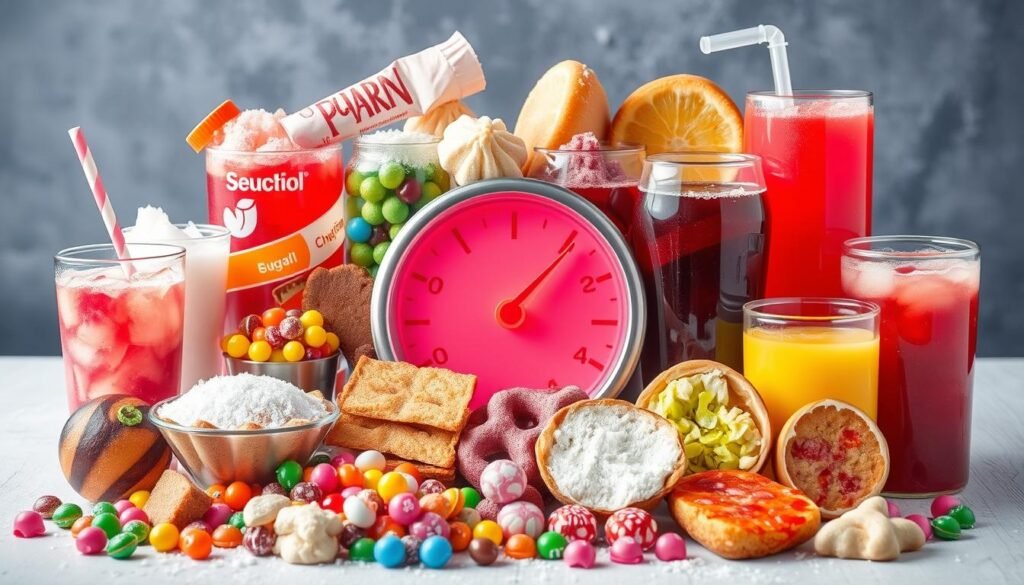
Studies show that too much sugar leads to heart problems. Drinking and eating too many sugary things can cause metabolic syndrome. This condition includes being overweight, having high blood pressure, and abnormal cholesterol. Knowing this can help you choose what to eat for a healthier heart.
Red and Processed Meats
Red and processed meats can raise cholesterol and risk heart disease. These meats often have saturated fats which are bad for the heart. Knowing the risks helps people choose what they eat wisely.
Choosing healthier options supports a heart-healthy diet.
Alternatives to Red Meat for a Heart-Healthy Diet
Looking for healthier options than red and processed meats is good for health. Here are some choices:
- Fish, such as salmon or mackerel, which are rich in omega-3 fatty acids.
- Poultry, like chicken or turkey, as lean protein sources.
- Plant-based proteins including beans, lentils, and quinoa that provide essential nutrients without the saturated fats.
Studies show eating less red and processed meat improves cholesterol levels. Using these alternatives helps maintain heart health and overall well-being.
| Type of Meat | Saturated Fat Content | Heart-Healthy Alternative |
|---|---|---|
| Red Meats | High | Grilled Salmon |
| Processed Meats | Very High | Roasted Chicken Breast |
| Ground Beef | Moderate | Black Bean Burgers |
Dairy Products and Cholesterol Levels
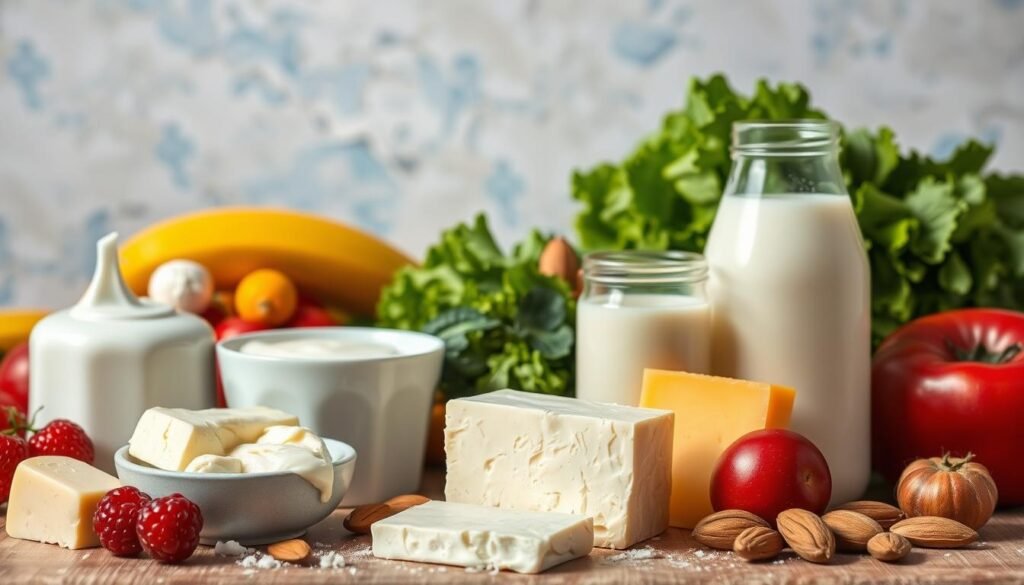
Dairy is vital for heart health and cholesterol management. Yet, the kind of dairy you choose is crucial. Full-fat dairy like whole milk and butter has more saturated fats. These can raise your LDL cholesterol, which is not good for your heart.
On the other hand, low-fat and non-fat dairy like skim milk and low-fat yogurt are better. They give you important nutrients without extra cholesterol. Enjoying these can help keep your cholesterol in check without missing out on dairy’s taste.
For some, plant-based milks like almond or oat milk are worth considering. They’re usually low in saturated fats, which helps manage cholesterol. Plus, they’re often enriched with vitamins and minerals, making them great substitutes.
It’s all about balance in your diet, especially if you’re watching your heart health. Be mindful of the types and amounts of dairy you eat. Smart choices help control your cholesterol, allowing for a diverse diet.
| Dairy Type | Fat Content | Impact on Cholesterol Levels |
|---|---|---|
| Whole Milk | Full-Fat | May elevate LDL cholesterol |
| Skim Milk | Low-Fat | Less likely to affect cholesterol negatively |
| Low-Fat Yogurt | Low-Fat | Heart-healthier option |
| Almond Milk | Non-Dairy | Lower in saturated fat |
| Butter | Full-Fat | May elevate LDL cholesterol |
Refined Carbohydrates
Refined carbohydrates are common in many diets, but they can be bad for cholesterol levels. They usually don’t have the nutrients and fiber found in whole grains. This piece talks about refined carbs and why a cholesterol-friendly diet matters.
Examples of Refined Carbohydrates
Refined carbs can cause cholesterol issues, especially with triglycerides. This can increase heart risk. Common examples include:
- White bread
- Pastries and donuts
- Sugary cereals
- Cakes and cookies
- White rice
- Refined pasta
Understanding these choices can help people decide better to lower cholesterol. Shifting to whole grains boosts heart health by providing needed nutrients.
| Refined Carbohydrate | Cholesterol Impact | Whole Grain Alternative |
|---|---|---|
| White bread | Increases triglycerides | Whole grain bread |
| Pastries | Elevates bad cholesterol | Homemade oat muffins |
| Sugary cereals | Contributes to high cholesterol | Oatmeal |
| Cakes | Raises triglycerides | Almond flour cake |
| White rice | Impacts cholesterol negatively | Brown rice |
| Refined pasta | May increase cholesterol levels | Whole grain pasta |
Moving to whole grains helps beat the bad effects of refined carbs. It also leads to a healthier life. Making these changes can greatly reduce high cholesterol risks.
Cholesterol-Lowering Foods to Incorporate
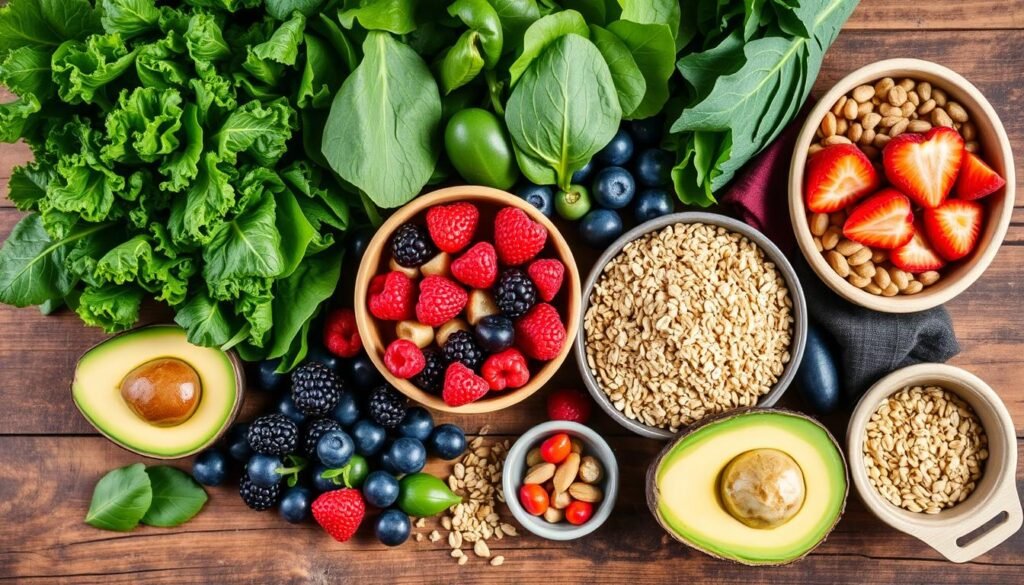
Eating foods that lower cholesterol is key to managing your levels. Add fruits and vegetables for heart health. Also, include whole grains. These foods boost heart wellness and health. They naturally help lower cholesterol. Plus, they give you important vitamins and minerals.
Fruits and Vegetables for Heart Health
Fruits and vegetables are crucial for a heart-healthy diet. They give you antioxidants, fiber, and key nutrients. These help in lowering cholesterol levels. Great choices include:
- Avocados: They are filled with healthy fats that reduce bad LDL cholesterol and increase good HDL cholesterol.
- Berries: They are rich in antioxidants and protect the heart.
- Leafy greens: Foods like spinach and kale are nutrient-packed but low in calories.
- Apples: Their pectin binds cholesterol, helping remove it from the body.
Whole Grains and Legumes
Whole grains and legumes are also key for a heart-healthy diet. They have soluble fiber that helps lower cholesterol levels. Good options are:
| Food Type | Examples | Benefits |
|---|---|---|
| Whole Grains | Oats, brown rice, quinoa | They may lower cholesterol and boost heart health. |
| Legumes | Beans, lentils, chickpeas | High in protein and fiber, good for the heart. |
Creating a Heart-Healthy Meal Plan
Designing a heart-healthy meal plan is key for good cholesterol management. It’s important to choose wisely what we eat. We should pick a mix of fresh fruits, vegetables, whole grains, and healthy fats. This selection helps lower cholesterol and improve our health overall.
To make a heart-healthy meal plan, try these tips:
- Portion Control: Watch the size of what you eat. Using smaller plates can help keep portions under control.
- Meal Prep: Plan your meals in advance to make busy times easier. Cooking more at a time and freezing meals means always having healthy food ready.
- Snack Wisely: Choose snacks like nuts, seeds, or yogurt that are good for the heart. These snacks help control cholesterol and keep energy levels up.
Here’s a table showing heart-healthy foods to include in your diet:
| Food Category | Examples | Benefits |
|---|---|---|
| Fruits | Apples, Berries, Oranges | Full of fiber and antioxidants. |
| Vegetables | Spinach, Kale, Broccoli | They’re low in calories but rich in nutrients. |
| Whole Grains | Quinoa, Brown Rice, Oats | They help lower blood cholesterol levels. |
| Healthy Fats | Olive Oil, Avocado, Nuts | Good for the heart and help reduce inflammation. |
Adding these foods into a heart-healthy diet helps manage cholesterol well. Making smart food choices leads to a healthier life.
Tips for Dining Out with High Cholesterol
Eating out with high cholesterol can be tricky, but it’s definitely doable. Learning to pick wisely from restaurant menus helps you stay on track with cholesterol health. It’s all about making smart choices.
Start by choosing places known for their healthy options. Many spots now have meals for those with specific dietary needs. Look for restaurants that offer heart-healthy dishes. This makes dining out less of a hassle.
- Select grilled, baked, or steamed dishes rather than fried options.
- Request dressings and sauces on the side to control portion sizes.
- Choose whole grains, such as brown rice or whole grain bread, when available.
- Opt for salads loaded with vegetables and beans to increase fiber intake.
- Be mindful of portion sizes; sharing meals can help manage calorie intake.
Knowing the menu well is crucial for managing cholesterol. Don’t hesitate to ask about how food is prepared or about the ingredients used. Restaurants often accommodate requests to modify meals for your diet.
Being active in your food choices improves the eating out experience and helps you stick to your health goals. With these tips, you can enjoy dining out and keep your cholesterol in check.
| Type of Cuisine | Healthy Dish Options | Remarks |
|---|---|---|
| Italian | Grilled chicken salad, vegetable minestrone | Opt for whole grain pasta if available. |
| Mexican | Grilled fish tacos, black bean soup | Skip the cheese and sour cream to reduce saturated fats. |
| Asian | Steamed dumplings, vegetable stir-fry | Request brown rice instead of white for added fiber. |
| American | Baked chicken breast, quinoa salad | Choose sides like steamed vegetables instead of fries. |
Conclusion
Knowing what to avoid eating with high cholesterol is key for heart health. Making smart food choices can greatly enhance well-being. Avoiding foods rich in saturated and trans fats, like fried foods and processed meats, is vital.
Eating more fruits, veggies, and whole grains helps improve cardiovascular health. It’s also crucial to discuss diet and lifestyle changes with healthcare providers. They ensure you’re on the right path. For more advice on what to eat, check out this article and this guide.
To sum up, understanding how diet affects heart health is essential. By making informed choices and seeking professional advice, managing cholesterol becomes easier.